It is a long way from Lithuania to the edge of the Atlantic. Our team set out in the spring, leaving the familiar streets of home for a coast where the ocean does not stop until the next continent. They were a group of young people who had grown up with a phone in hand and a feed always scrolling, and they were heading far from home to do something most of us only ever do as spectators: make the media instead of watching it.
The activity was Swipe Forward, a Youth Exchange in Ferrel, on the Portuguese coast, built around a simple idea. Most of us are very good at consuming digital content and far less practised at creating it on purpose. Erasmus+, the European Union programme that funds young people to learn together across borders, made it possible for our participants to join young people from four other countries and close that gap by hand: through photography, video, design and storytelling, with a steady eye on what artificial intelligence can and cannot do for a creator. We took part as one of the partner organisations and sent our Lithuanian team, while CJE coordinated and hosted the week.

Our road to the Atlantic
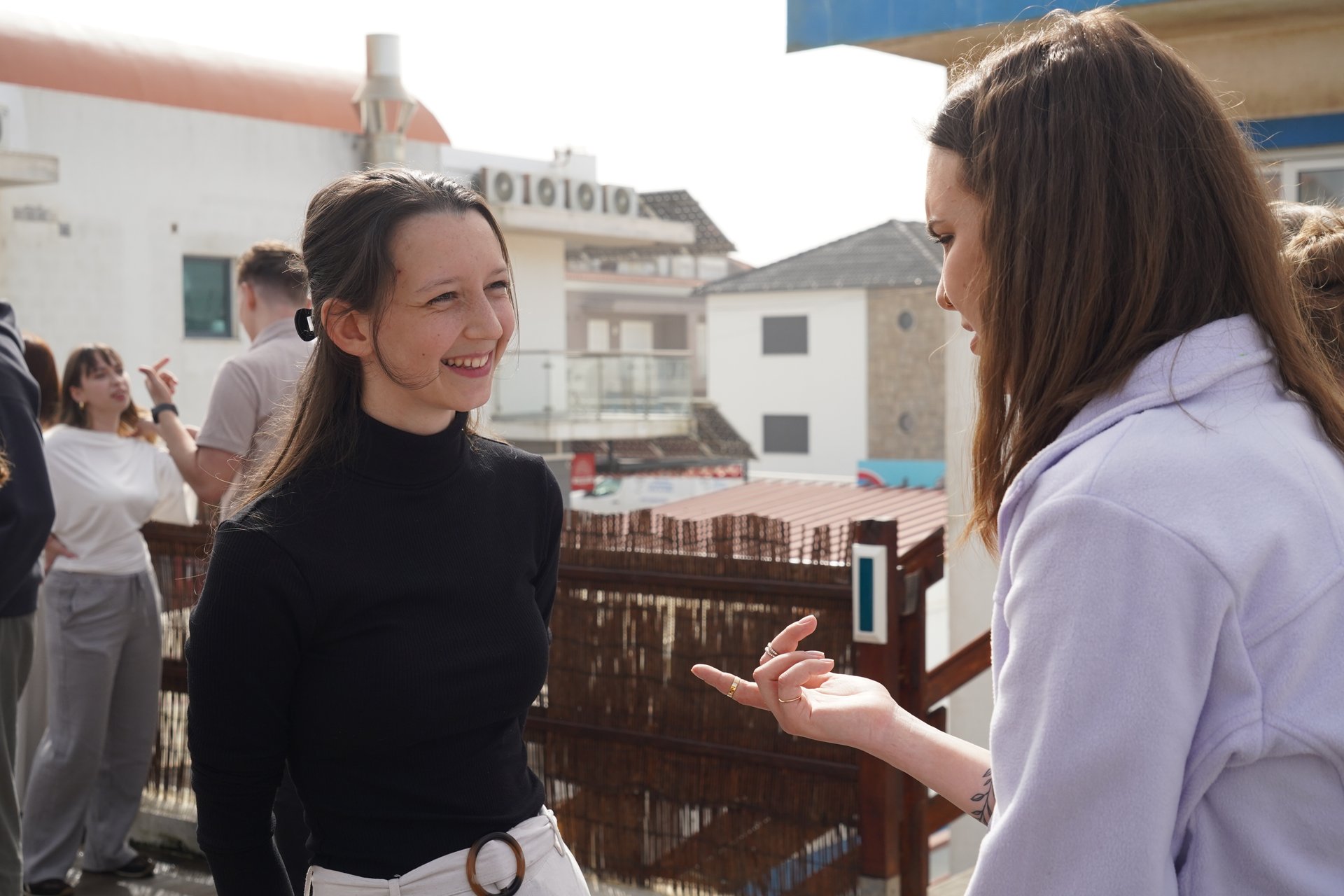
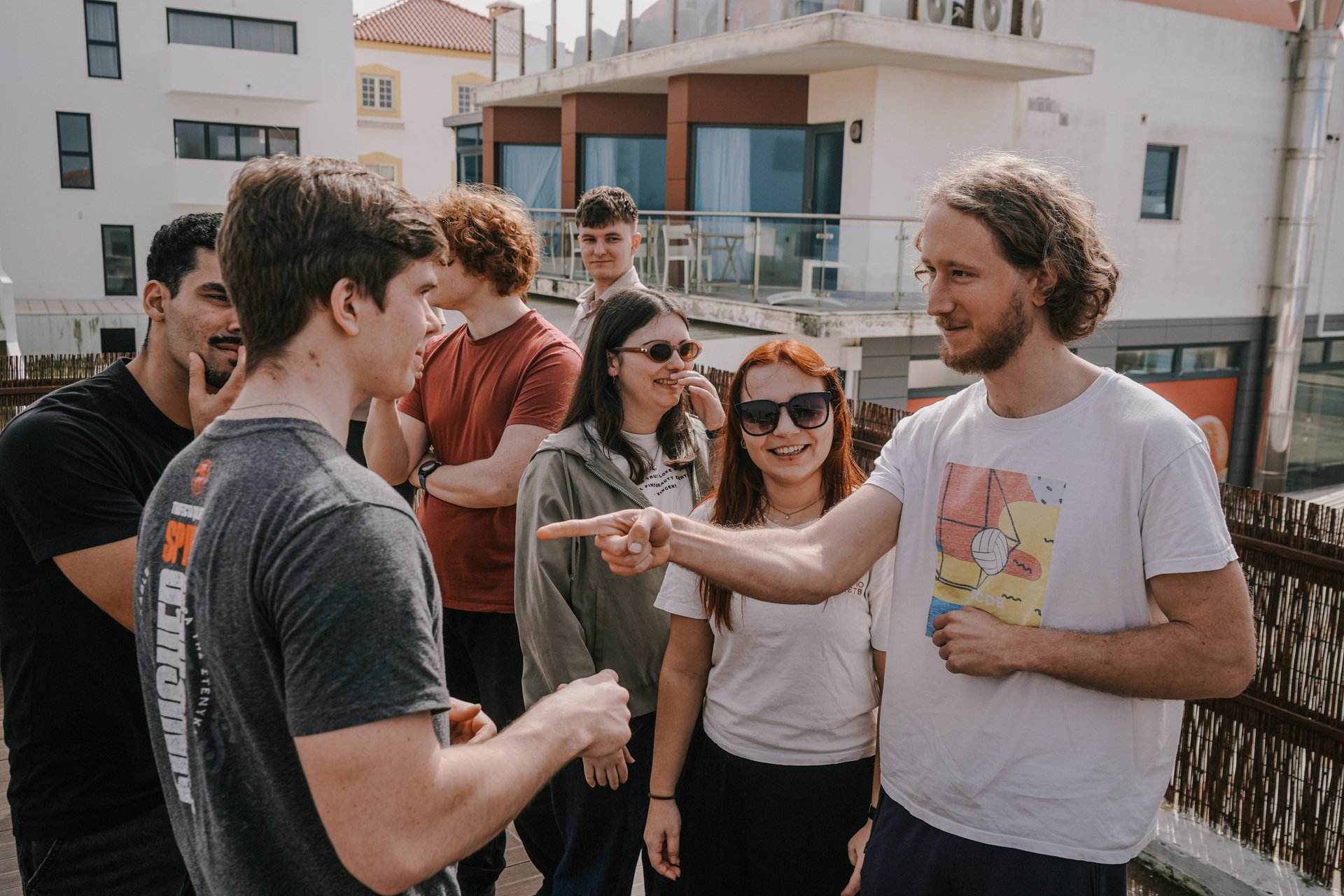
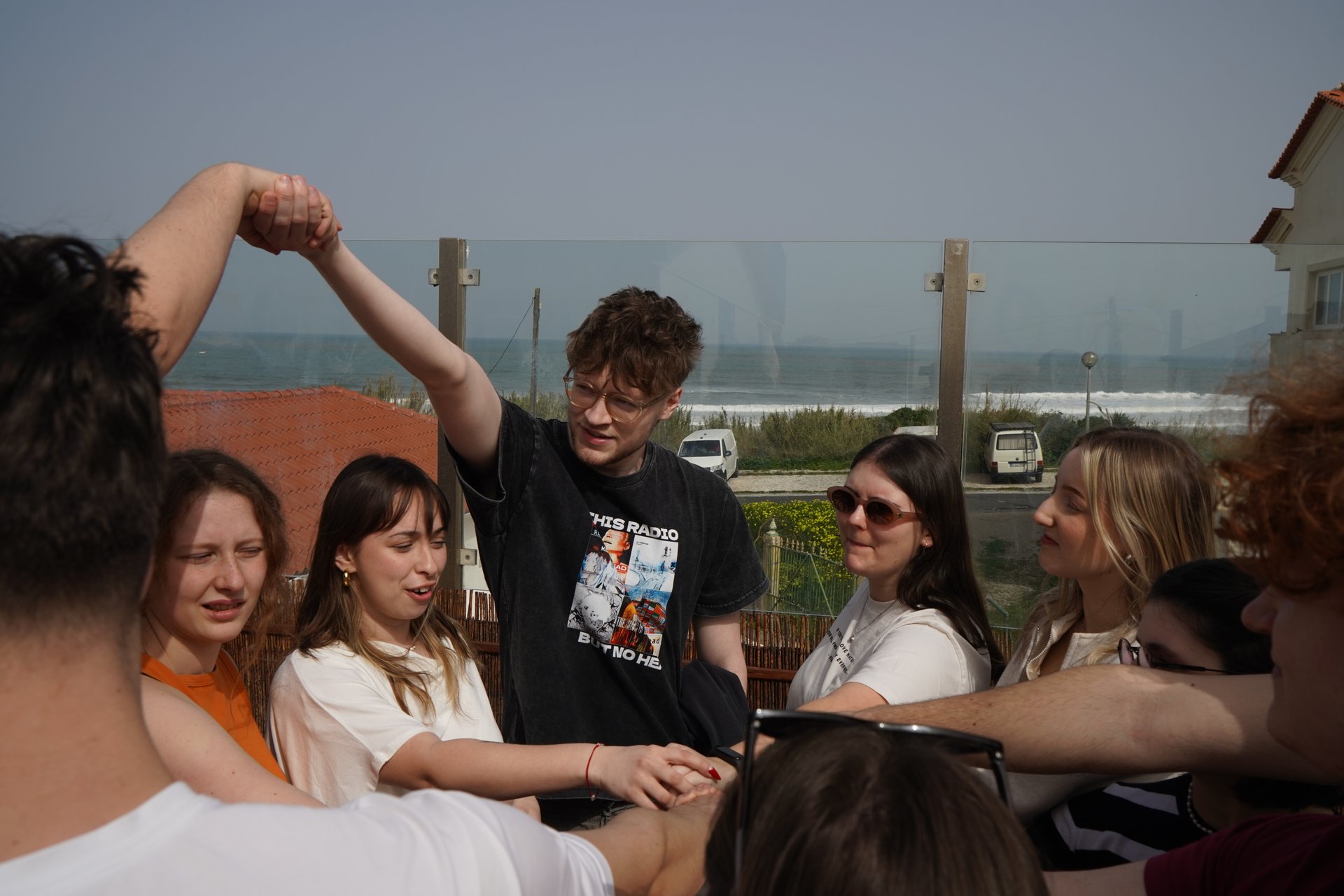
Arriving somewhere new with a group of strangers is its own kind of work, and the first morning was given over to it. One exercise stuck with our team: a Silent Line-Up and Human Knot. Without speaking a word, the whole group had to sort itself into order, then untangle a snarl of held hands back into a clean circle. Solving a problem with your hands before you have any shared language is a fast way to learn who you can lean on, and it set the tone for a week where doing came before explaining.
Rather than have rules handed to them, the participants set their own. In a Code of Conduct session the group agreed together, by consensus, on how they wanted to live and work for the week, then spoke aloud their fears, expectations and what each of them would bring. From there the days began to run themselves: the group took on rotating support roles in turn, so opening the morning, lifting the energy and keeping an eye on one another became shared work rather than a job left to whoever happened to be leading. For our young people, far from home, that early trust was what turned a trip into a team.
Learning the tools by using them
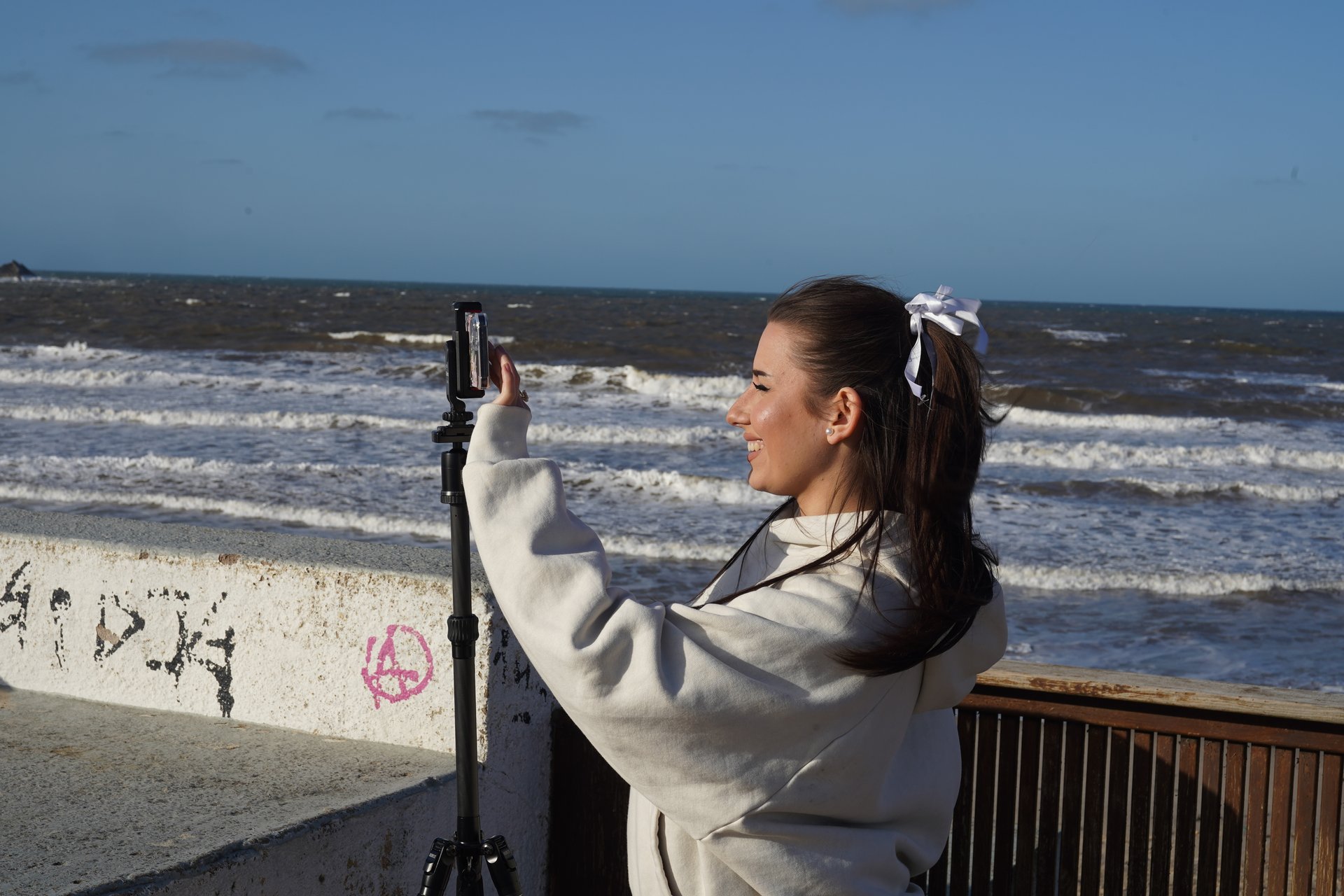
Nobody sat through a lecture on cameras. Our participants picked them up and learned by trying, finding out what a frame holds and what it cuts out, then turned the same hands-on attention to design, building a full visual identity, colour, type and a logo, for a topic each team chose for itself.
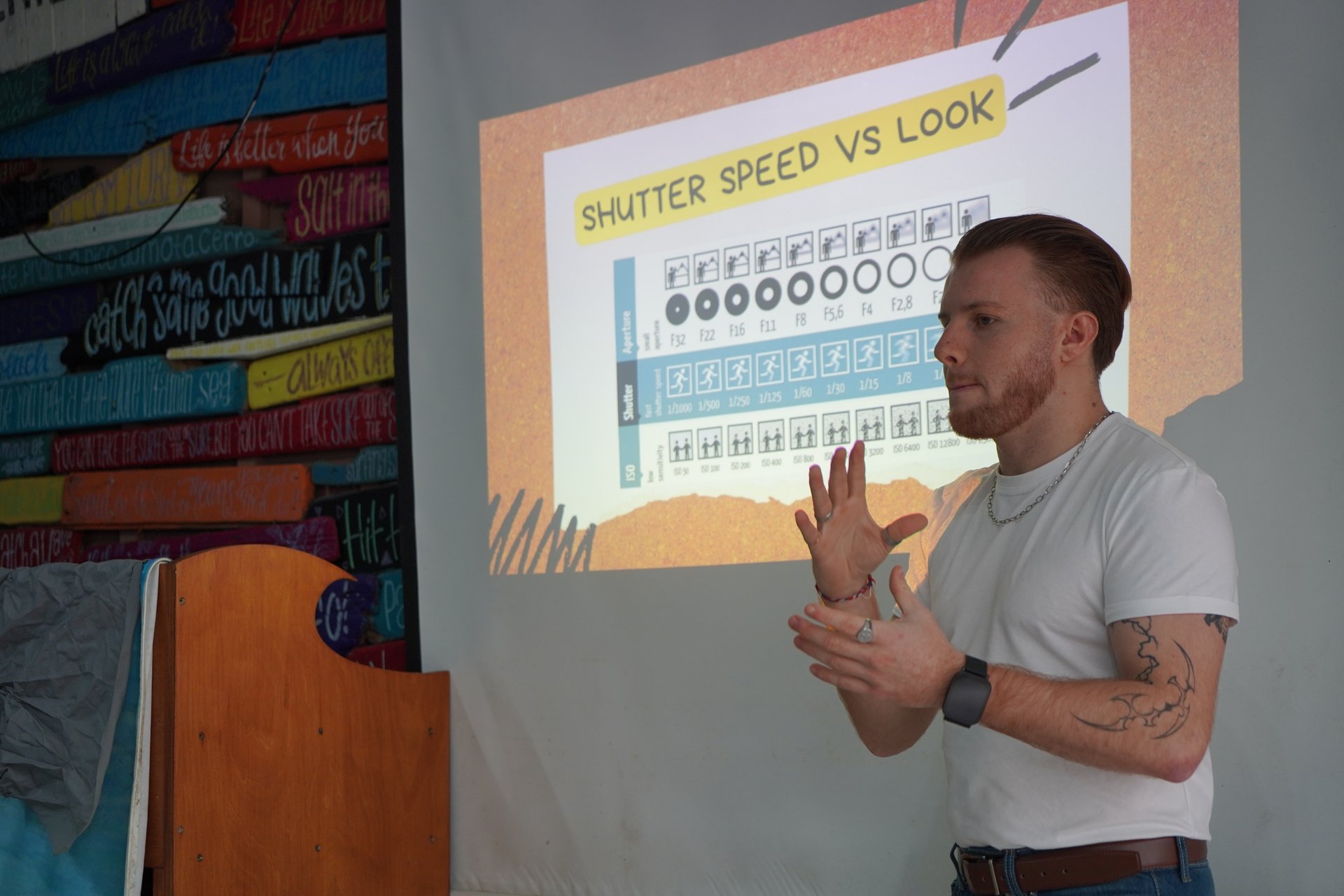
The session our team kept coming back to was the one that turned the lens on their own habits. Each person listed the last ten things they had scrolled past online, then looked hard at each one and asked what it was actually built to do: inform, sell, provoke, or just hold attention for its own sake. Seeing the machinery behind a feed they usually move through on autopilot was the moment consuming started turning into creating.
Putting AI to the test
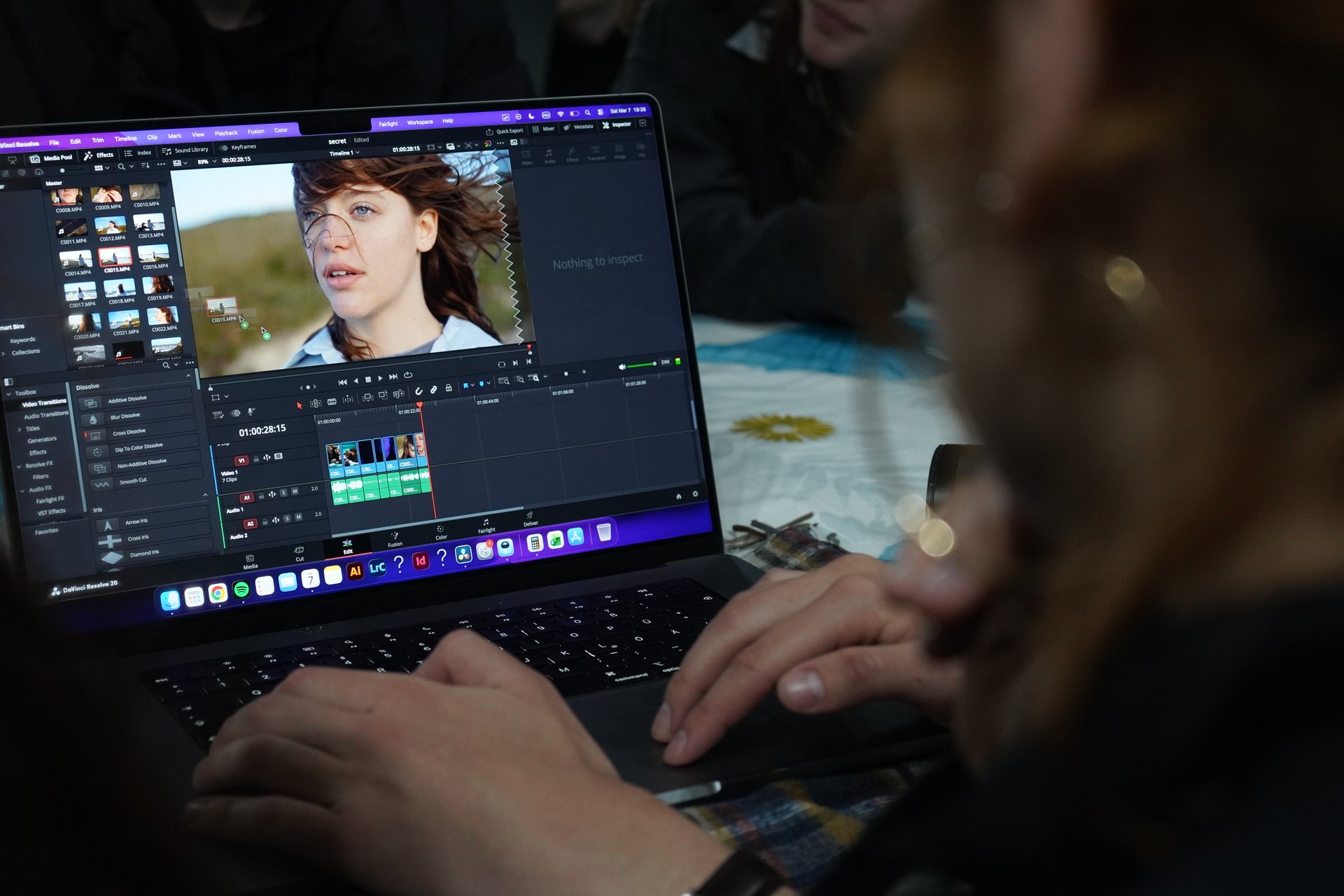
Then the participants invited a machine to the table. In Creative Process With AI, the teams that had just designed their own logos by hand asked an AI to take the same brief, and set the two side by side. The interesting part was the comparison: where the human version carried a clear decision and the AI version carried only an average, where the polish hid a bias, and what it actually means to put your name on something a machine made most of.
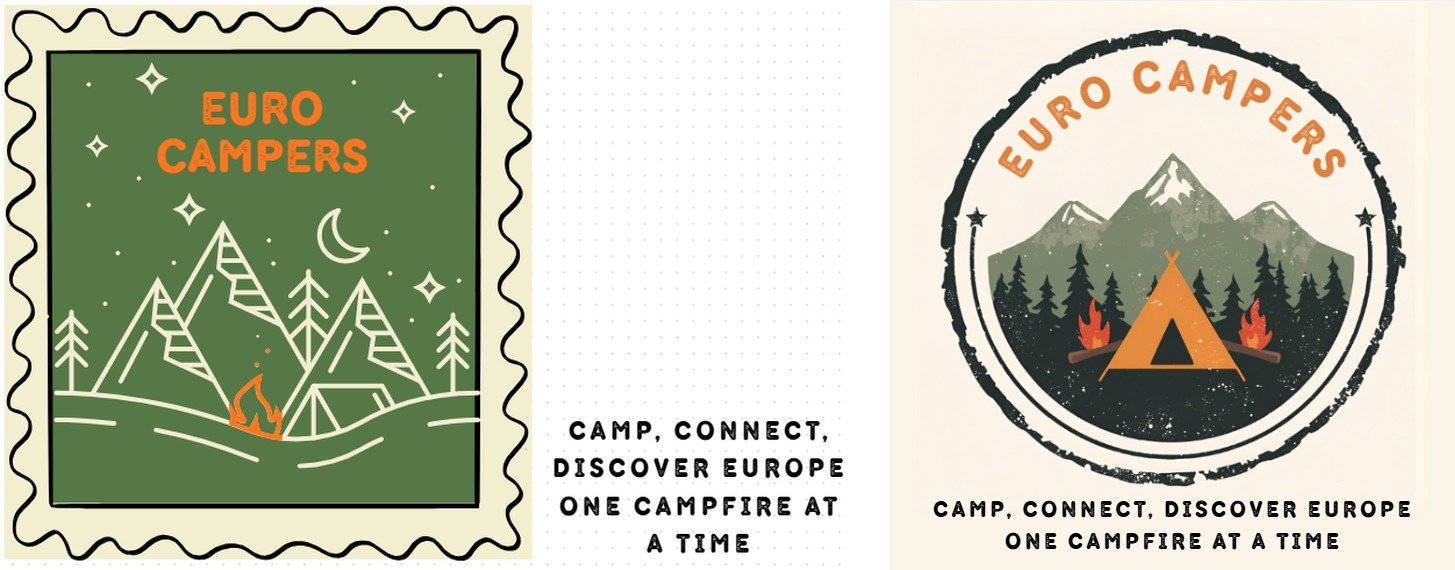
Euro Campers: the team’s hand-made logo, left, next to what an AI returned from the same brief.
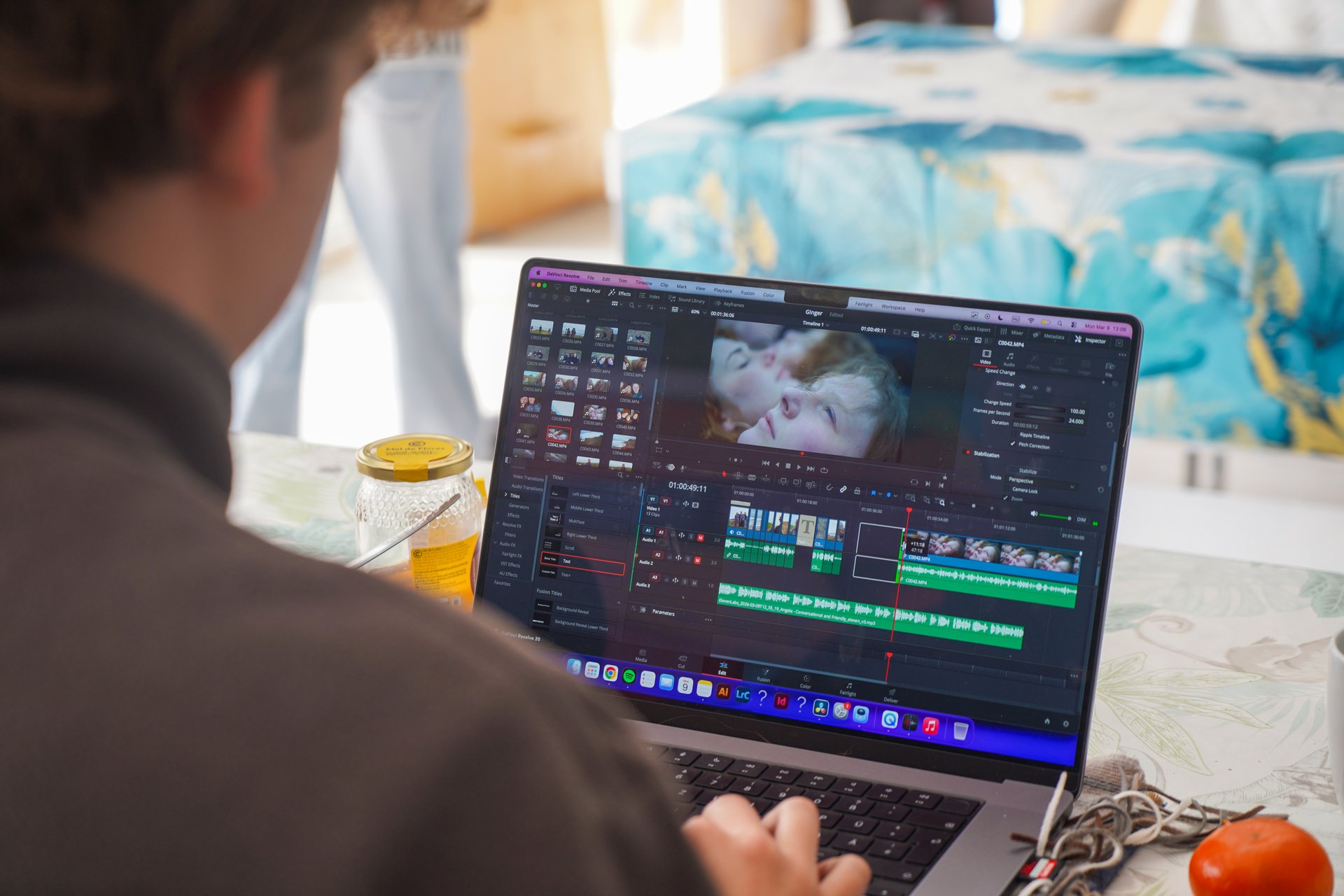
A Silent 60 exercise pushed in the opposite direction. Teams had to carry a whole idea across in a sixty-second film with not a single spoken word, telling a story through image, gesture and timing alone. Stripping out language forced every choice to be deliberate, and the films that worked did so because the idea underneath them was clear before the camera ever rolled.
Feel: a wordless sixty-second film moving from digital overload to something calmer.
The Rebrand It challenge tightened the screws again. Each team was handed a random topic or everyday object and given sixty minutes to turn it into a new logo, a slogan and a visual concept, then pitch it to the room. A worn-out, everyday subject would walk back in an hour later as a brand with a name and a look of its own. Between the two exercises, our participants found the line they had come looking for: the tool is fast and tireless, but the reason a thing should exist, and the taste to shape it, still come from the people in the room.
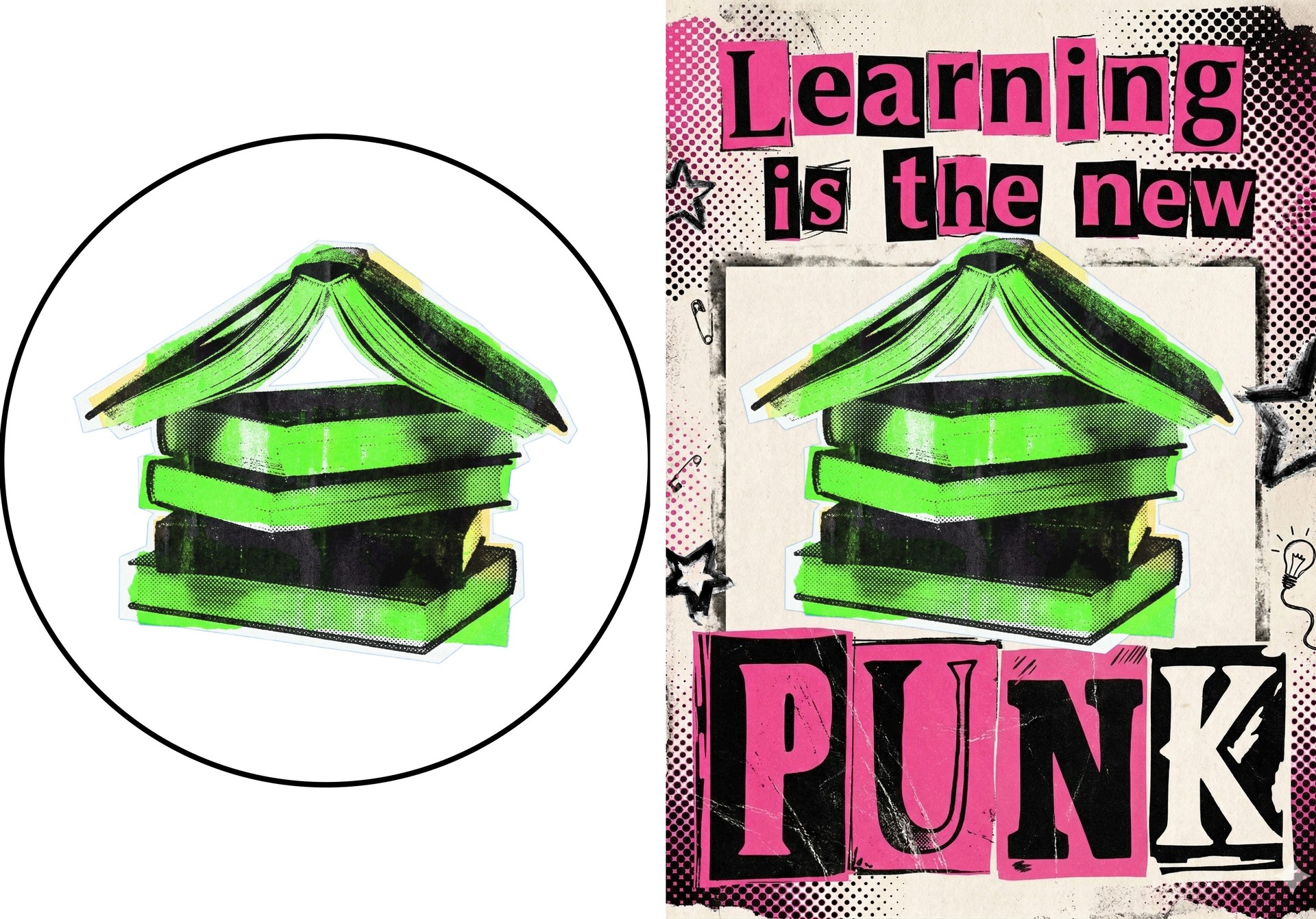
Homework, reimagined in sixty minutes as “Learning is the New Punk”.
Five teams, five campaigns
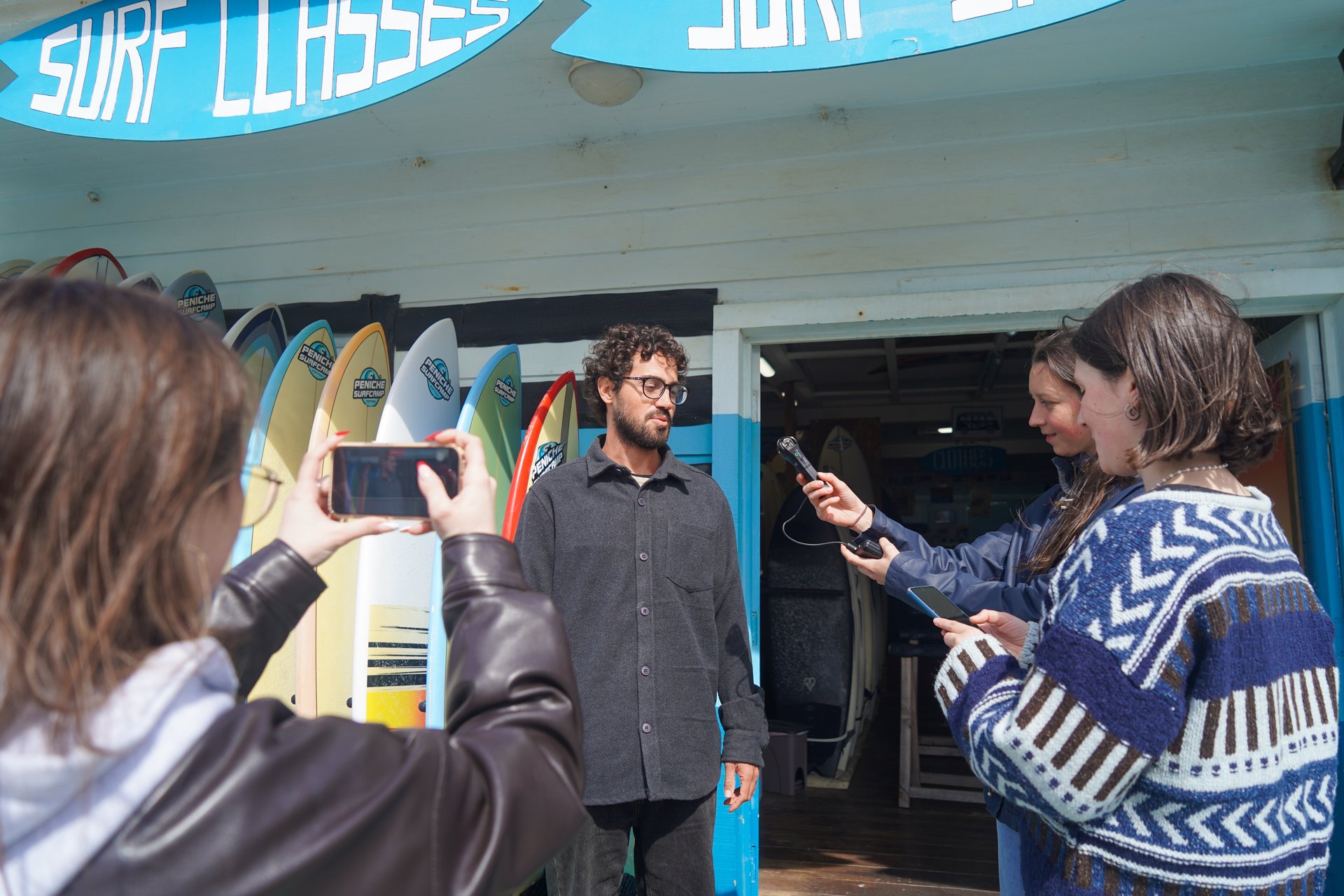
With the tools in hand, the teams turned outward and made something meant to reach other people. Each group chose a format and pushed a single idea all the way to a finished piece. One team built theirs around a band: an interview-style video, Mad Cat, that folded a few quiet life lessons into the conversation.
Mad Cat: an interview-style campaign built around a band.
Other teams went different ways with the same brief: a documentary about the town of Peniche, a short on screen-time, a stereotype turned on its head, a letter of advice to a younger self, and one campaign told entirely in still photographs. When the teams stood up to present, the same kind of screen that had served them an endless feed at home now showed work they had made on purpose. For our participants, watching their own piece play to a room of five nationalities was a small but real proof: they had crossed from the audience to the people doing the making.
What our team brought home
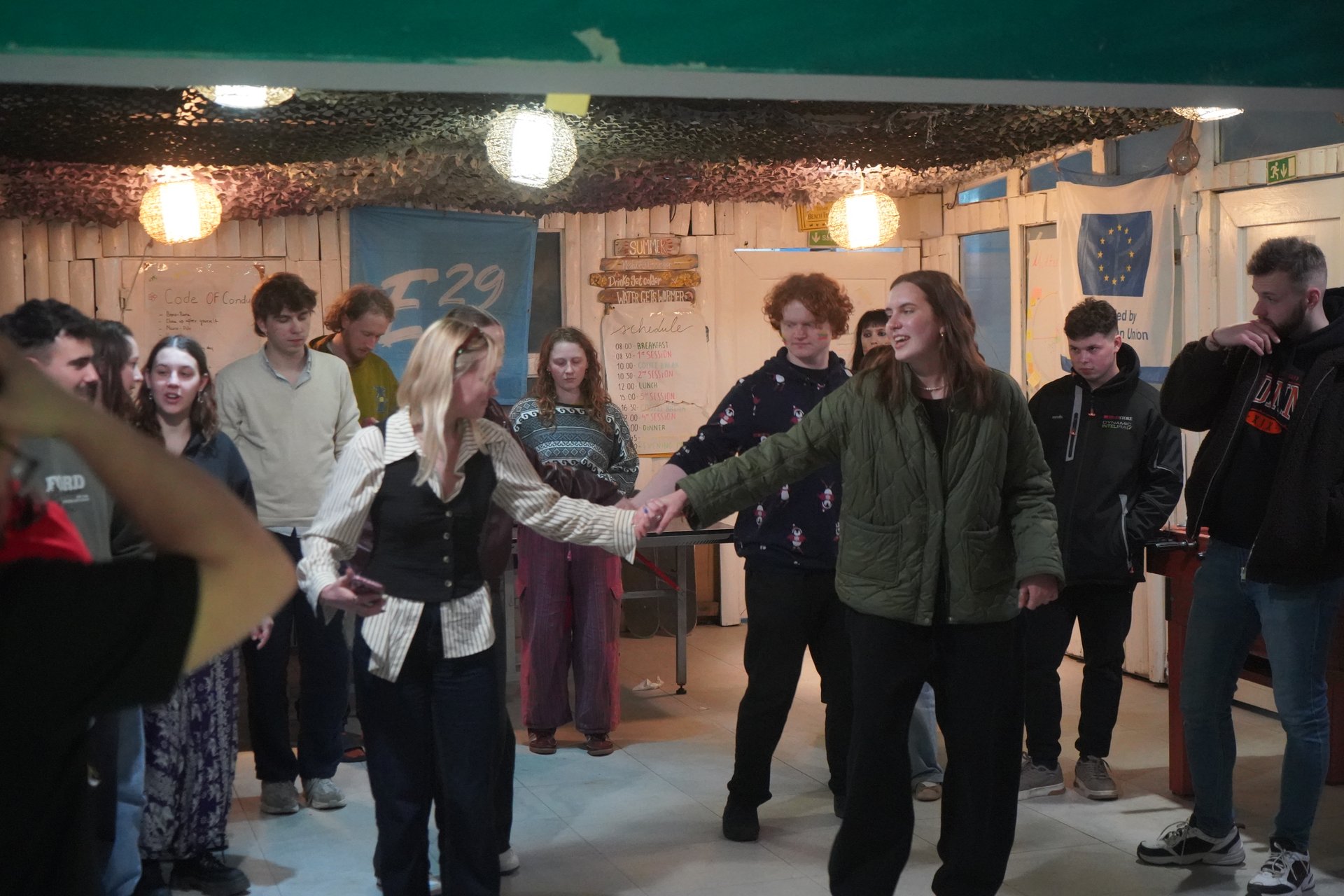
The evenings mattered as much as the workshops. On one cultural night our Lithuanian team shared a piece of home with the room, the food, the music and the small things that explain a place better than any slideshow. It was somewhere in those evenings, as much as in the sessions, that the group stopped being strangers.
Our team came home with more than a folder of files. They came back able to frame a shot, build a brand, put an AI tool to work and say plainly where it helps and where it misleads, and look at the feed they scroll every day and see how it is built. For a young person from Lithuania, a week like this opens a side of Europe that does not usually arrive on its own, and the confidence that comes from making something real travels back with them. The week was part of CJE’s Erasmus+ Accreditation, with our organisation and the other partners sharing the work.
Photo Gallery
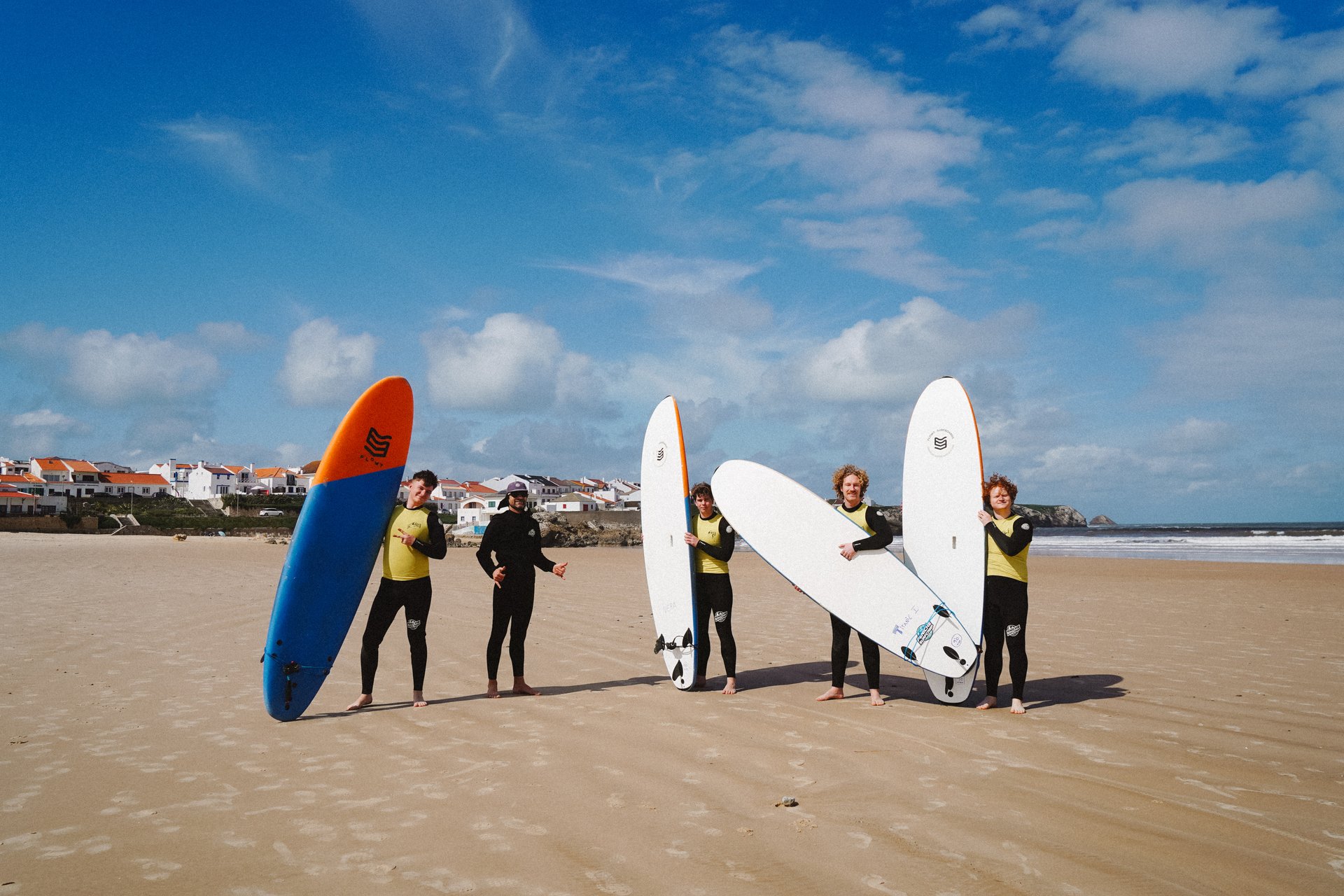
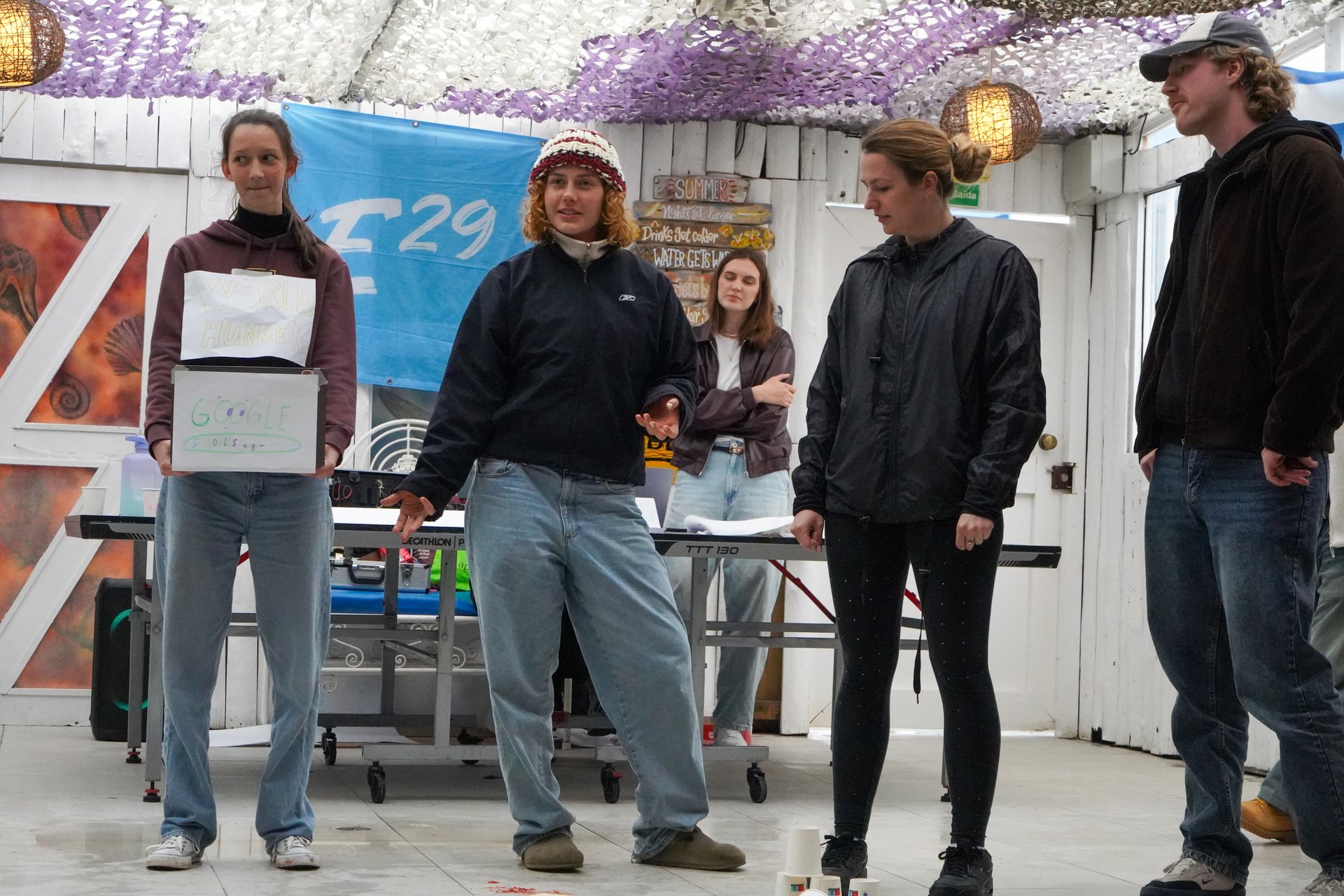
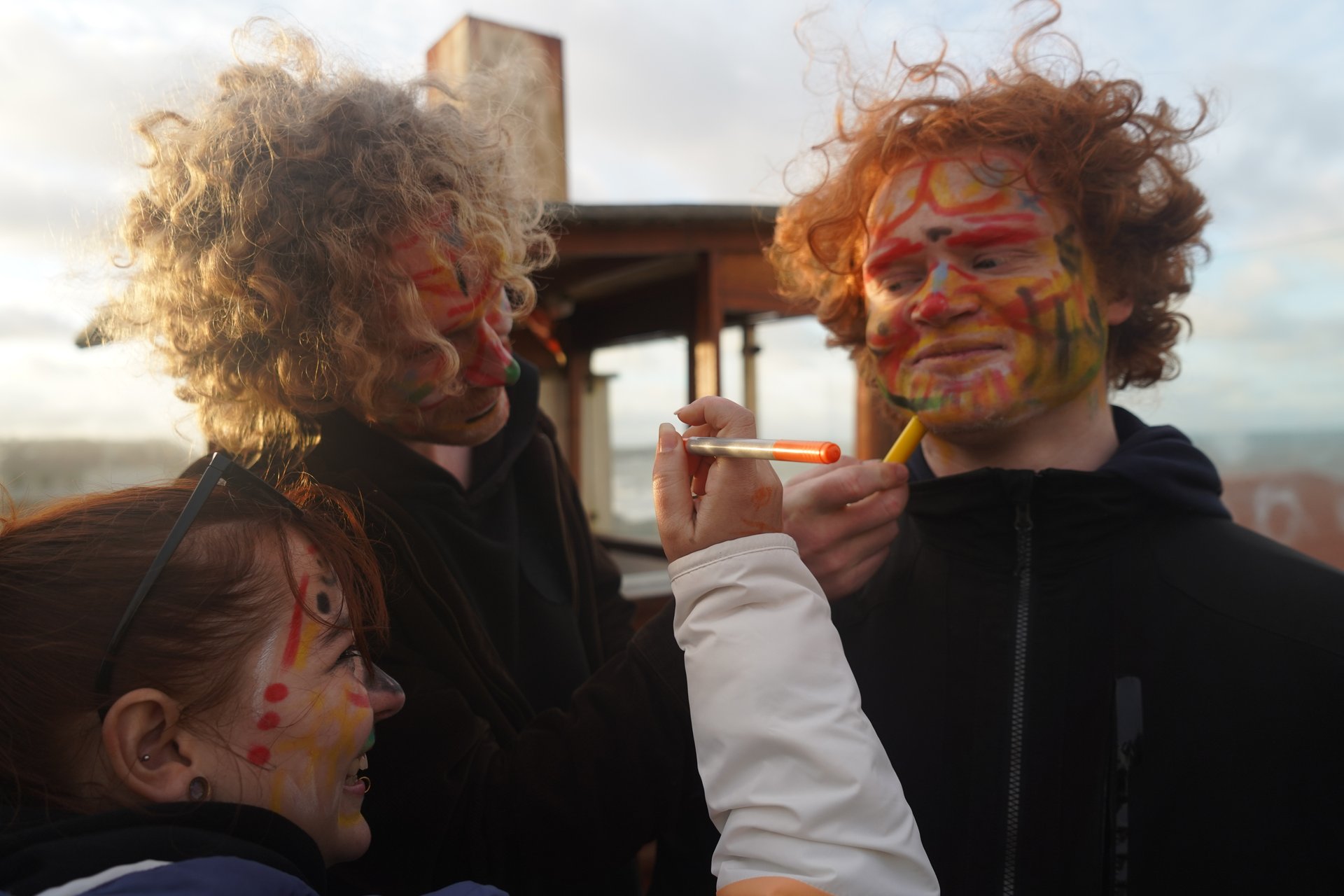
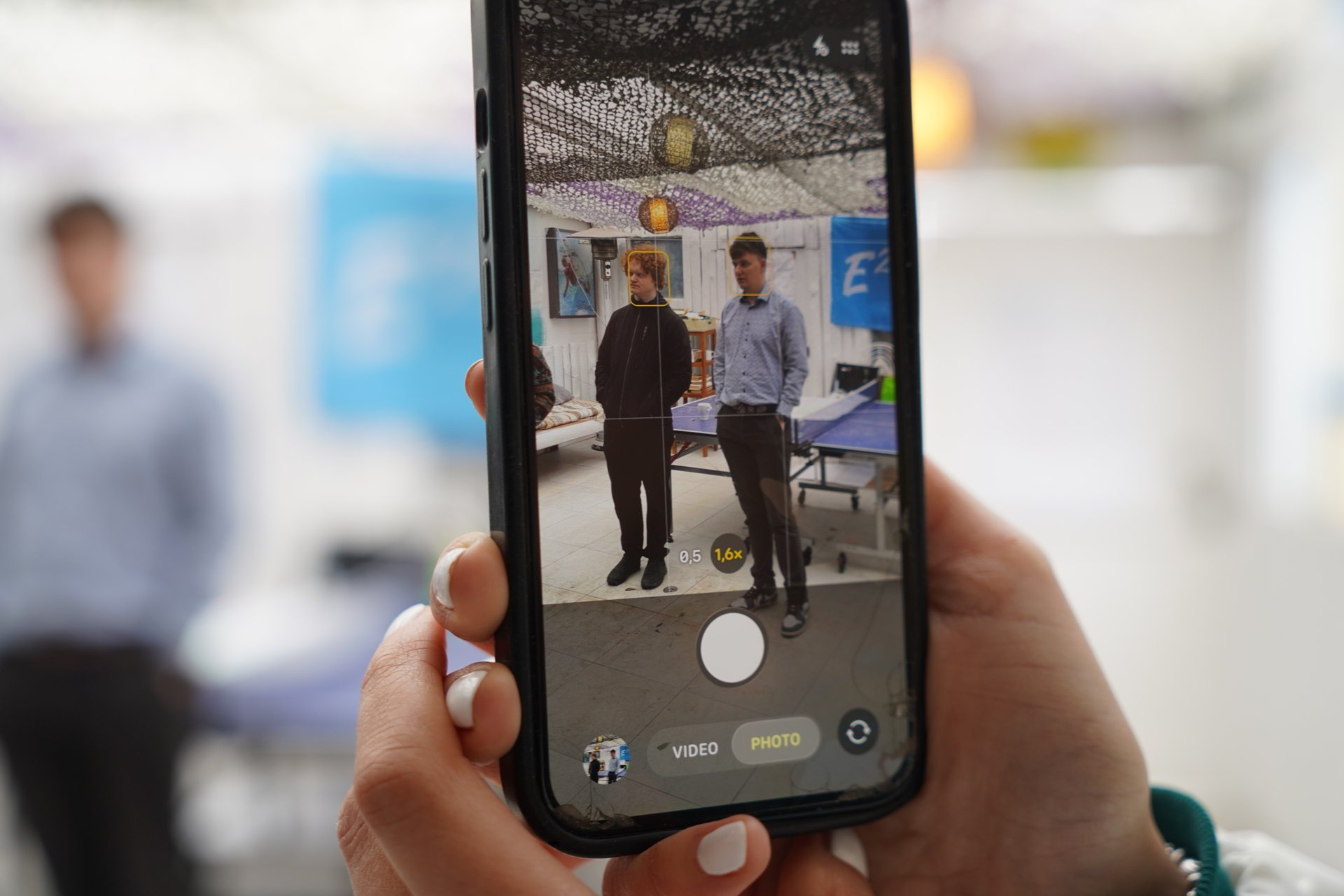
A few more moments from this activity :)

Check these and more photos in the activity’s photo album.