
Before anyone in Rokytnice nad Jizerou could talk about inclusion, they had to talk to each other, and for the first day or two, that was the hard part. Our participants from Lithuania arrived at the chalet in the Krkonoše foothills alongside six other delegations, none of them sharing a first language, all of them about to spend ten days finding out what gets included or left out when words alone are not enough.
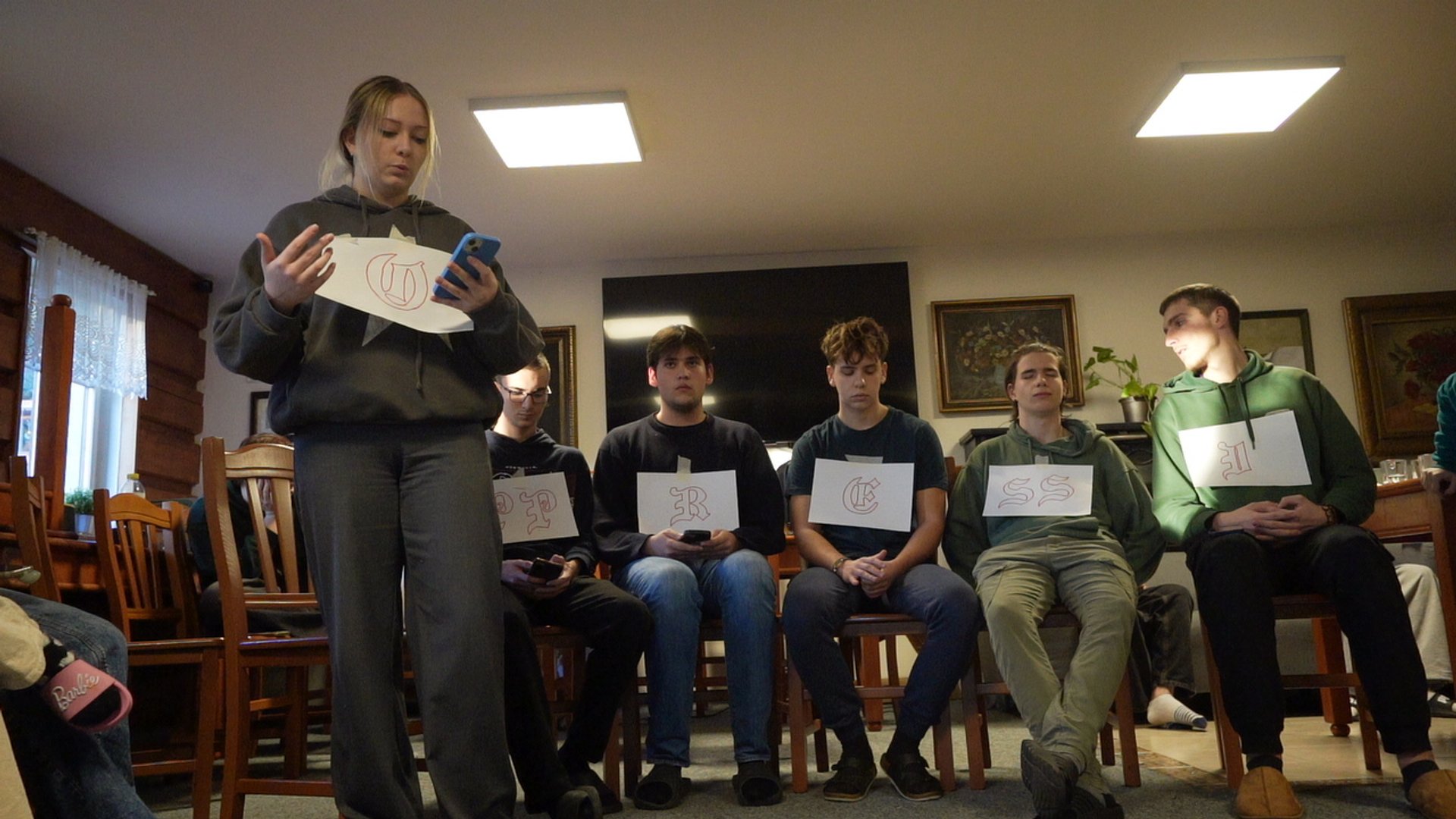
Includify, a youth exchange on inclusion and diversity, gave that question a session of its own: Language Through the Lens of Inclusion, which looked at how the words a group chooses can welcome someone in or quietly shut them out.
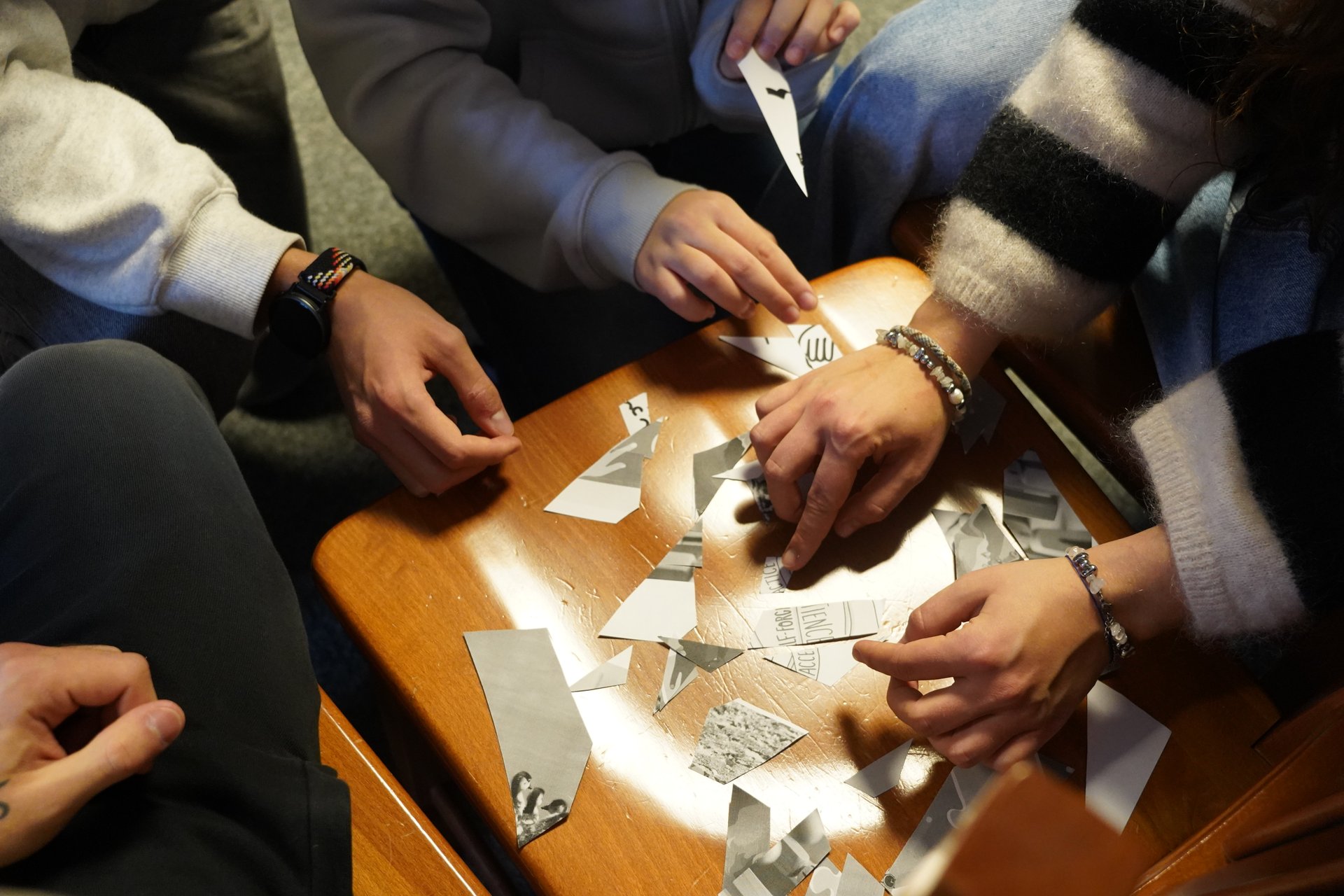
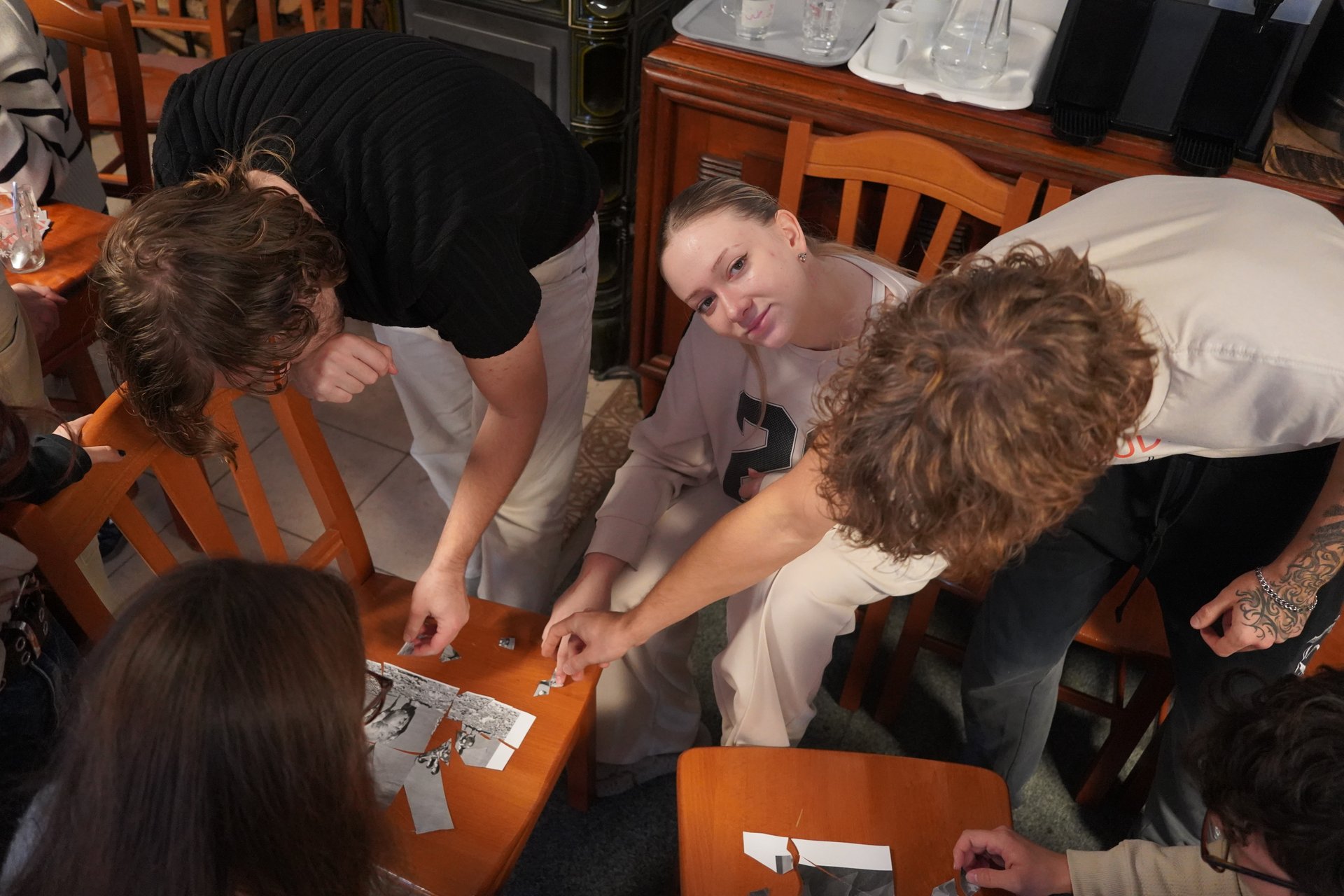
Learning to Say Čau
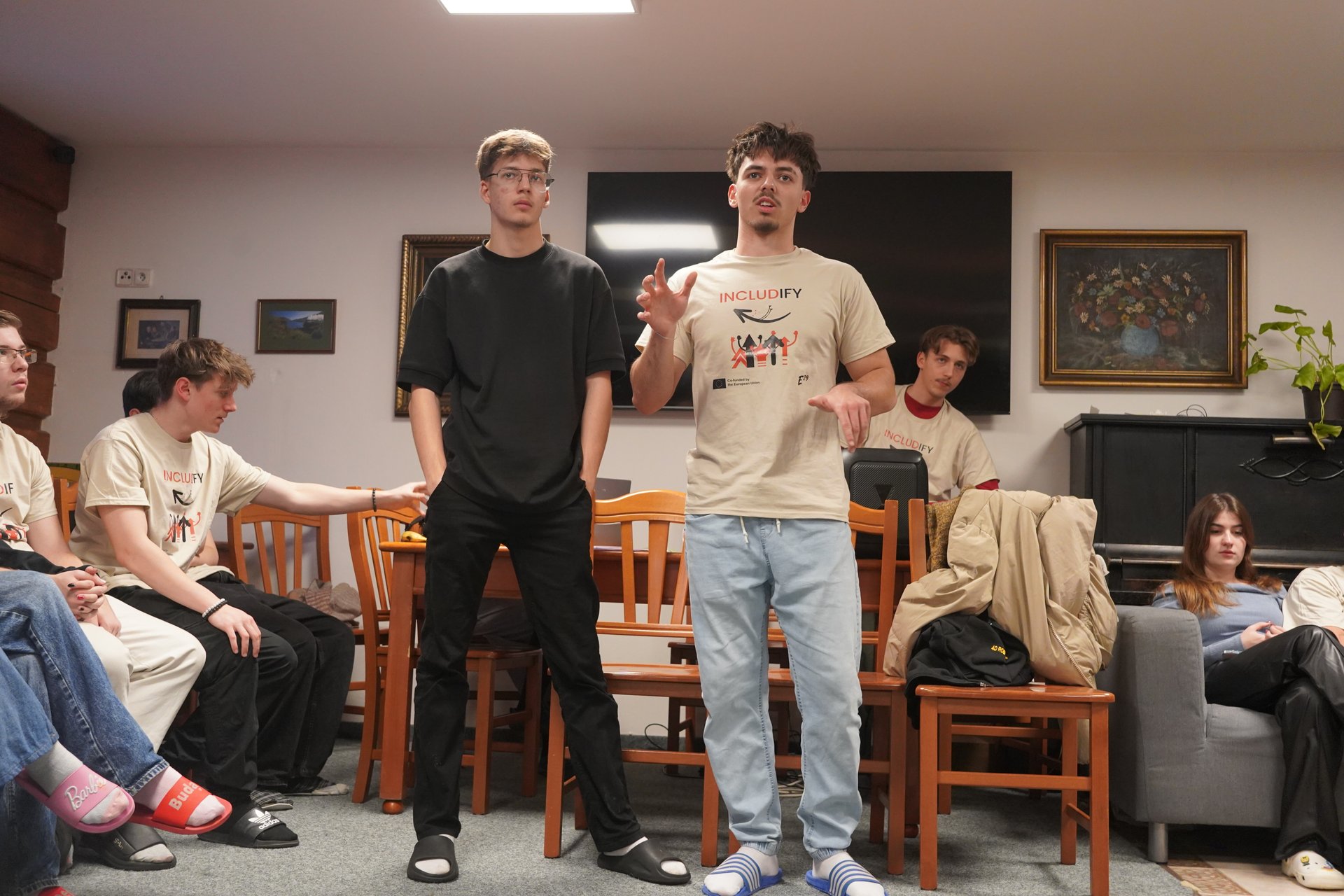
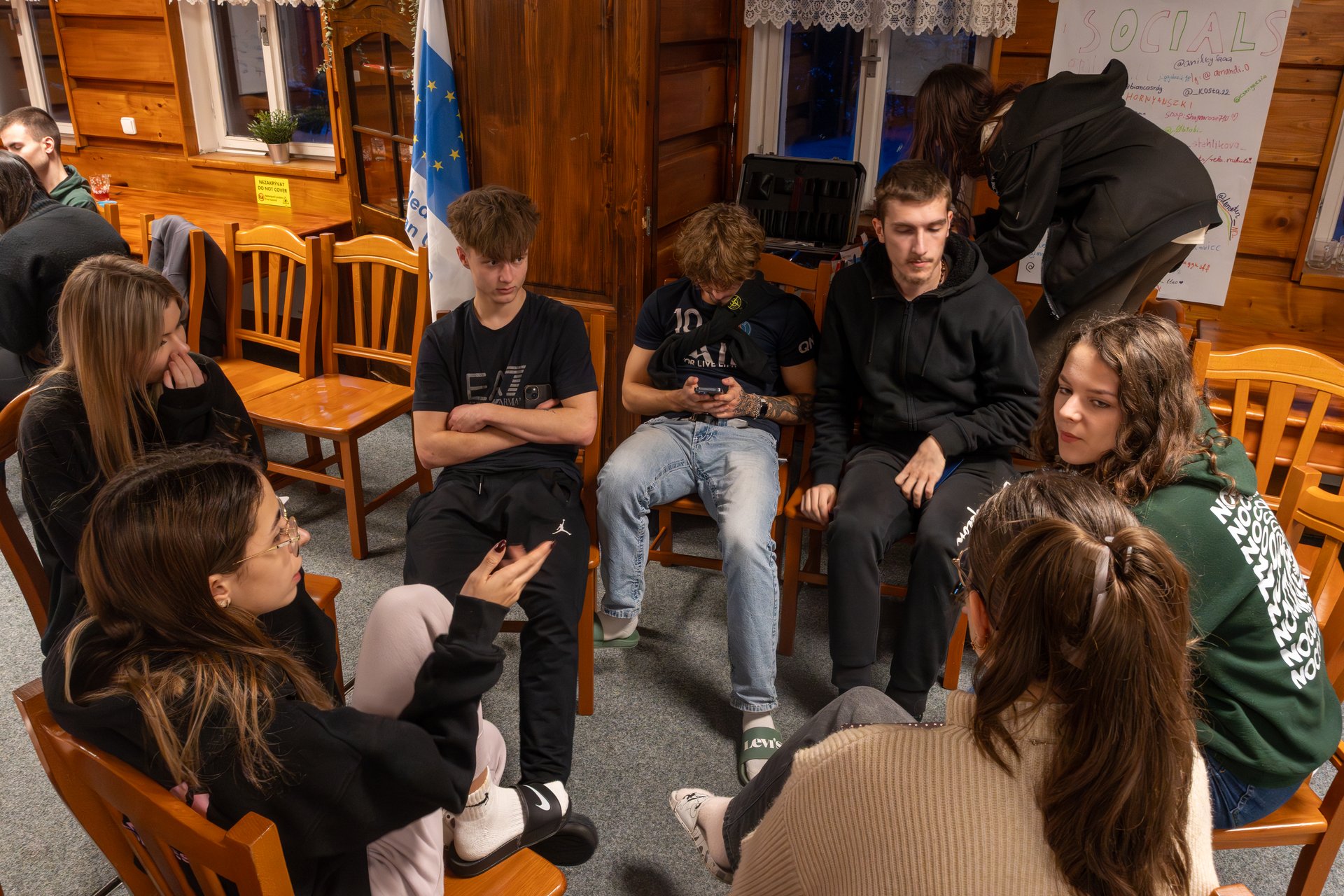
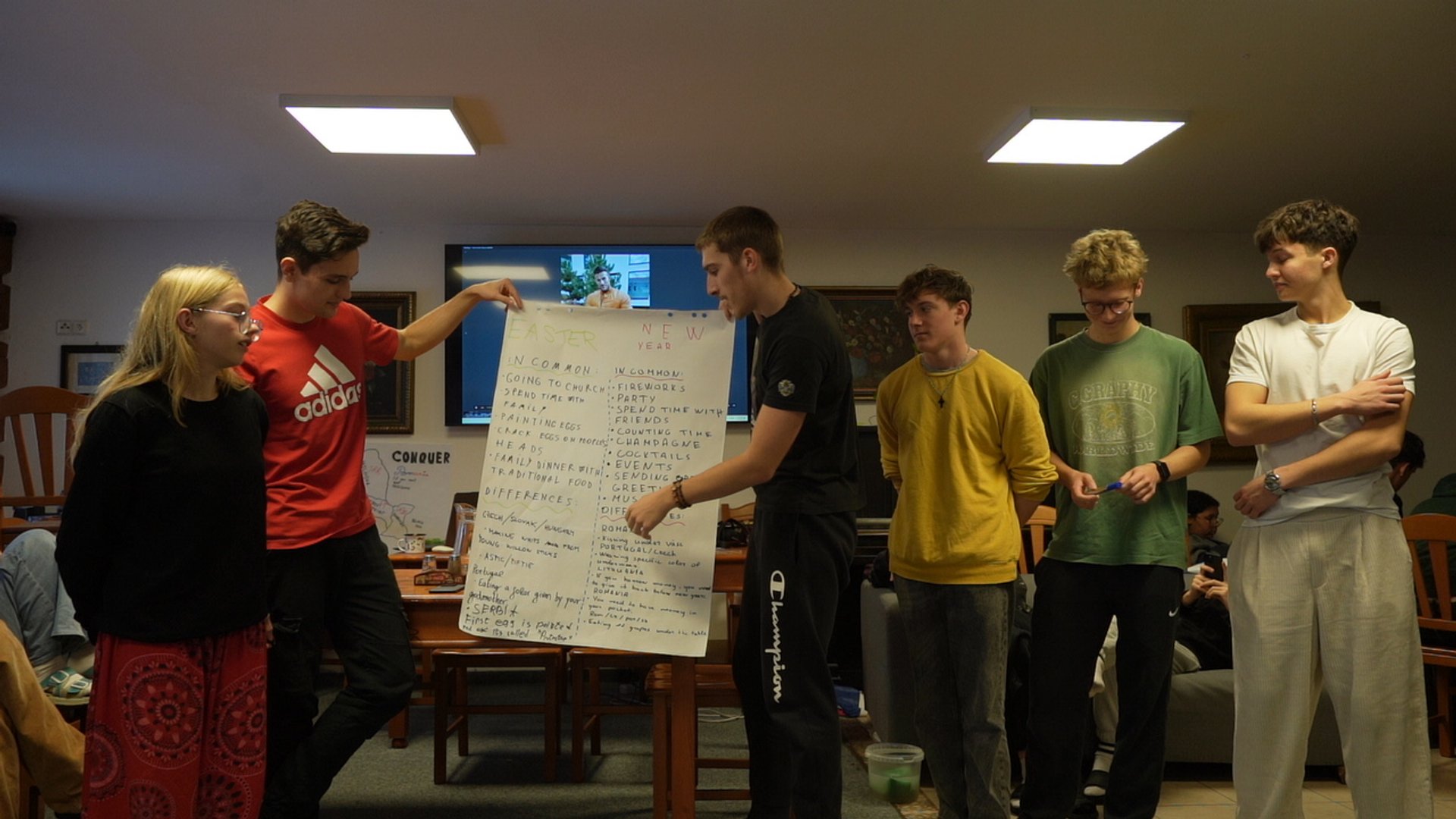
In Language Through the Lens of Inclusion, the group took apart something most people never stop to notice: how much of feeling included depends on language choices nobody consciously makes. Our participants, who came in speaking mostly Lithuanian and English, walked out of the session with a different habit: checking, out loud, whether the person next to them had actually understood, rather than assuming a nod meant yes.
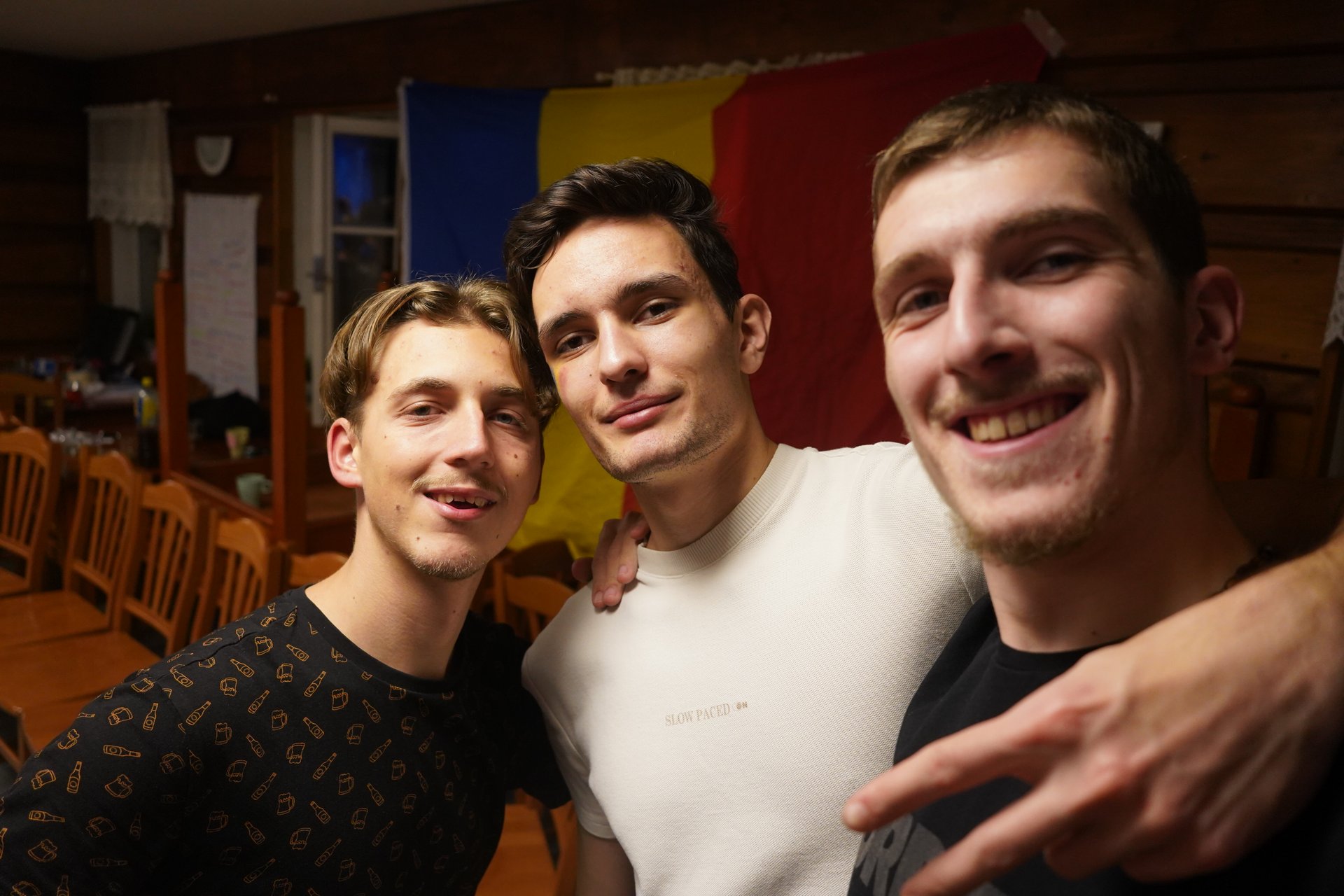
People kept messing up names those first days, and speaking their own language around others who could not follow it. But slowly and surely, bonds formed anyway, one mispronounced word at a time.
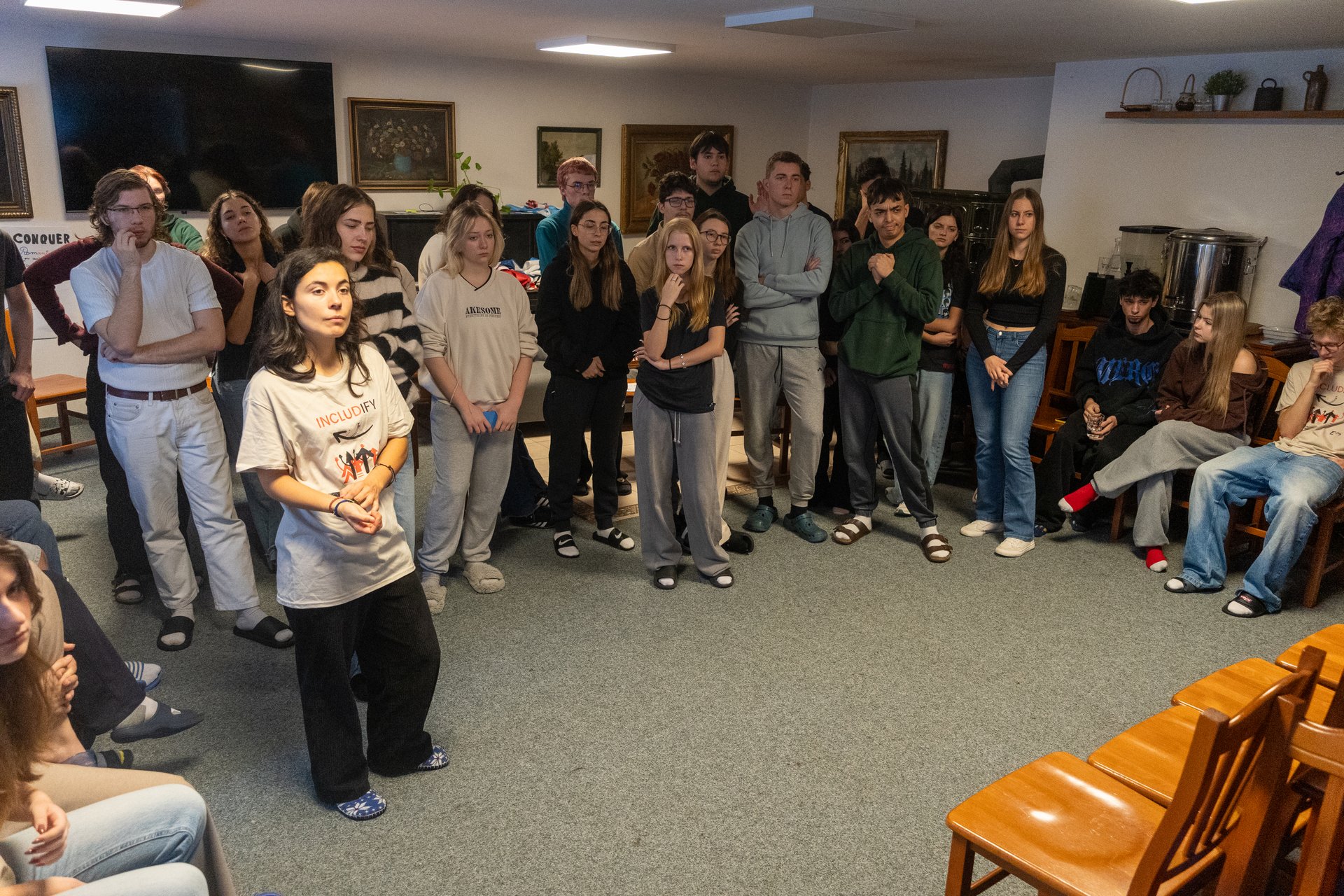
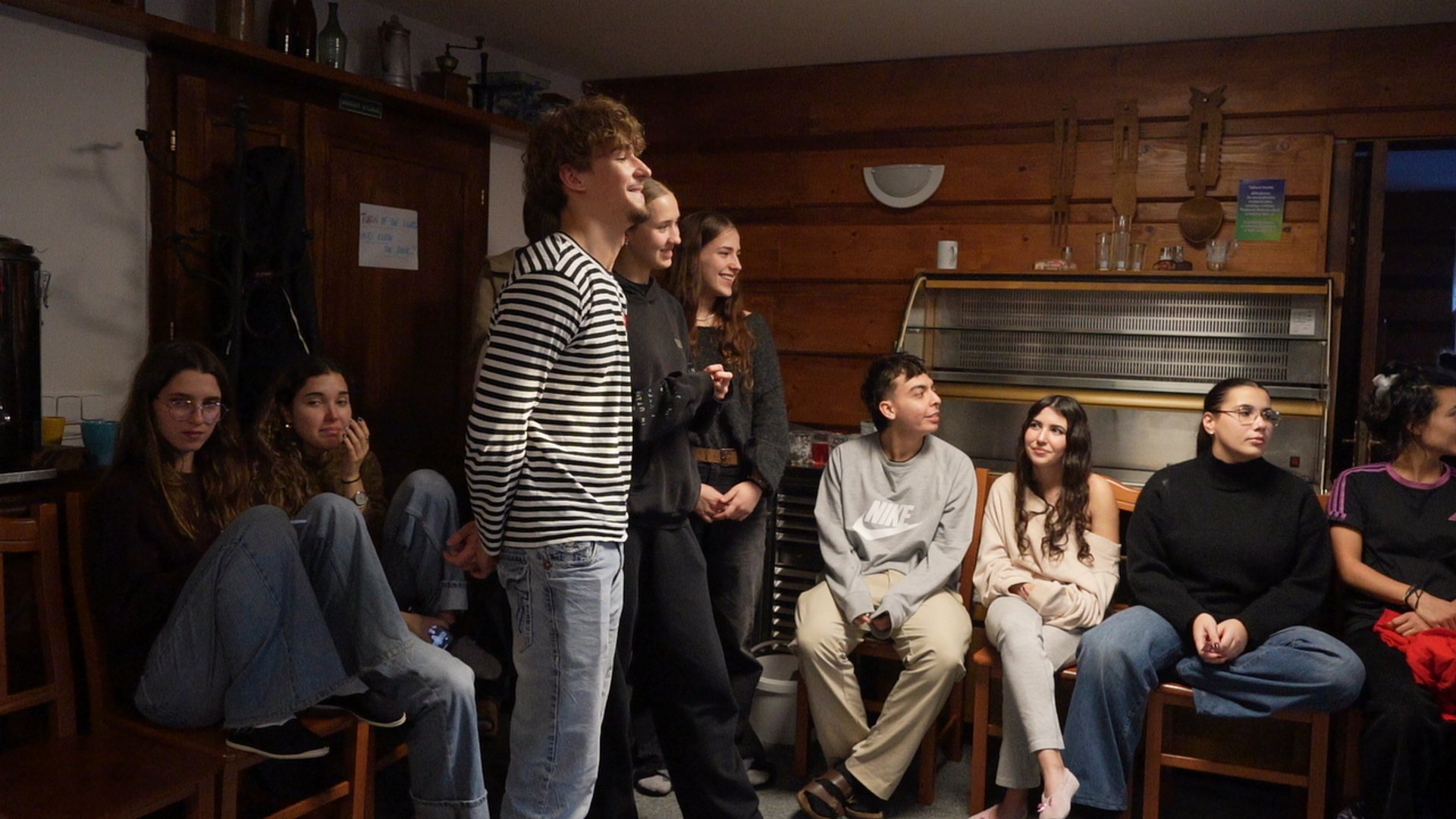
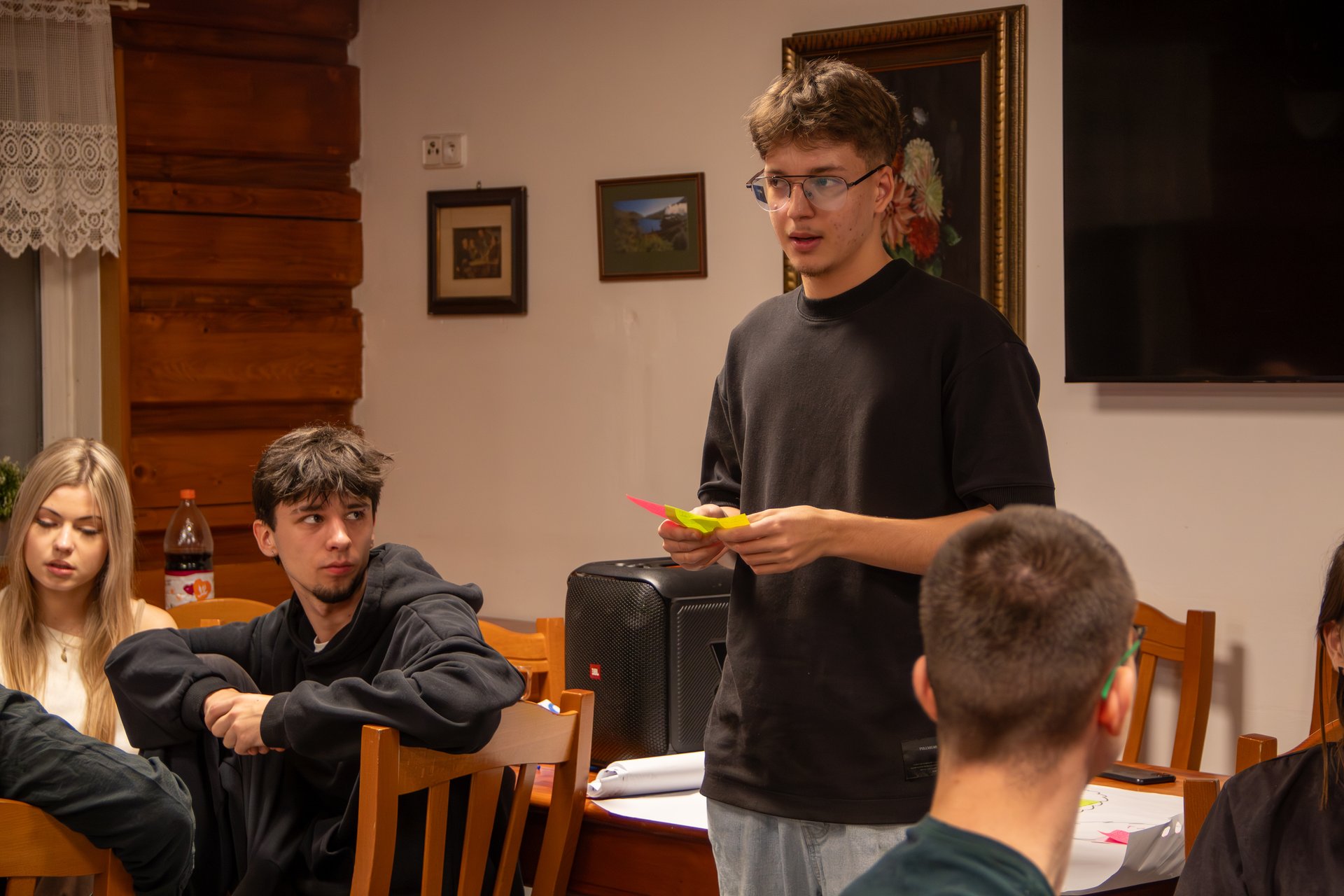
The Teambuilding Exercises on the Opening Day
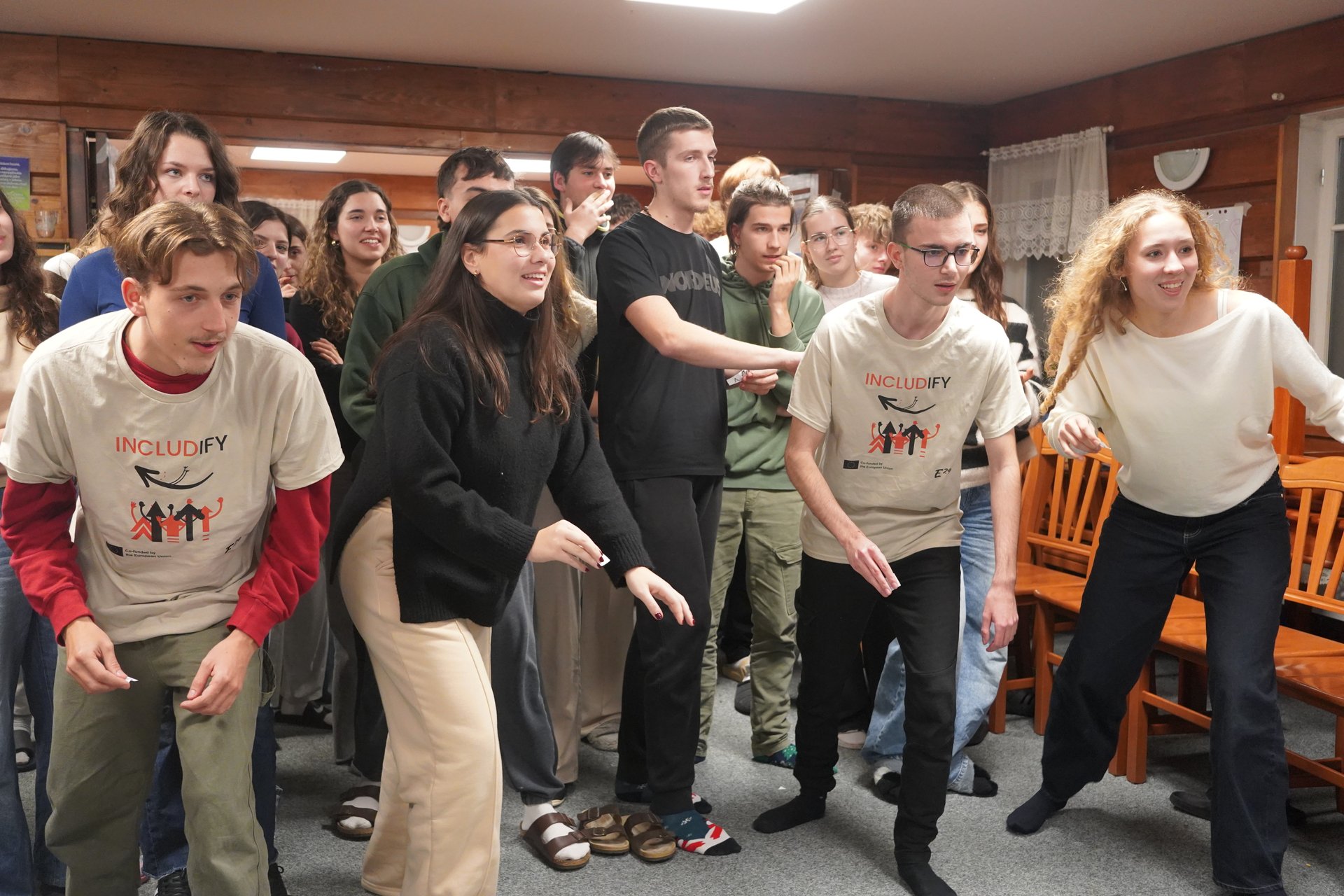
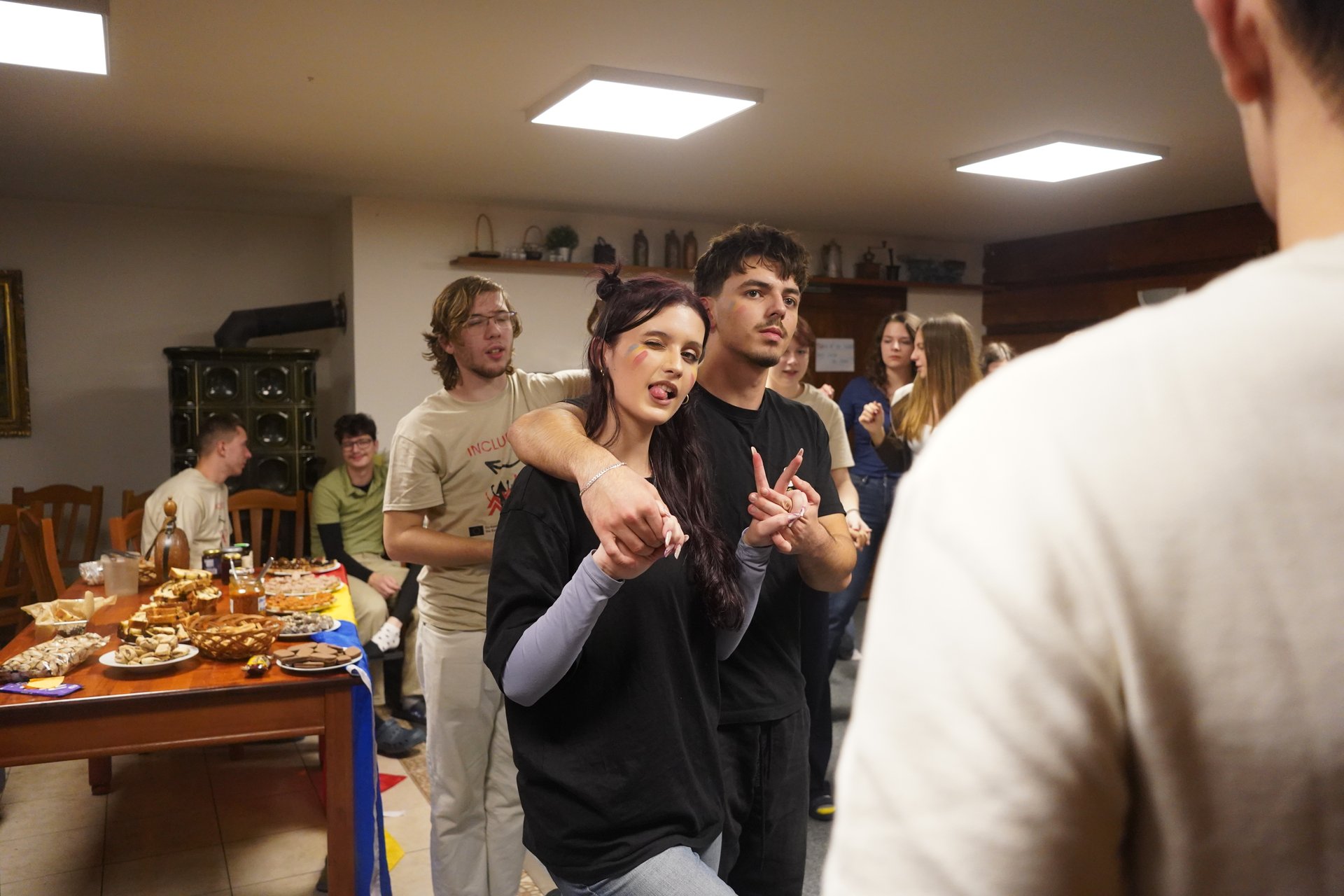
The first day gave the group a run of icebreakers and teambuilding exercises with one specific job: turn seven nationalities who had just met into something that could actually function as a group. Our participants, most of them arriving with only Lithuanian and English between them, leaned on gestures and repetition more than actual words for the first few hours, name games included, and it was slower going than it would have been in a room that shared a language. By the time the evening programme wrapped up the day, faces had started attaching to names, even if the pronunciation was still very much a work in progress.
Whatever ground got covered that first day mattered more than it looked like at the time: every session that followed, including the one built specifically around language and inclusion, depended on a group that could already sit at the same table without an interpreter.
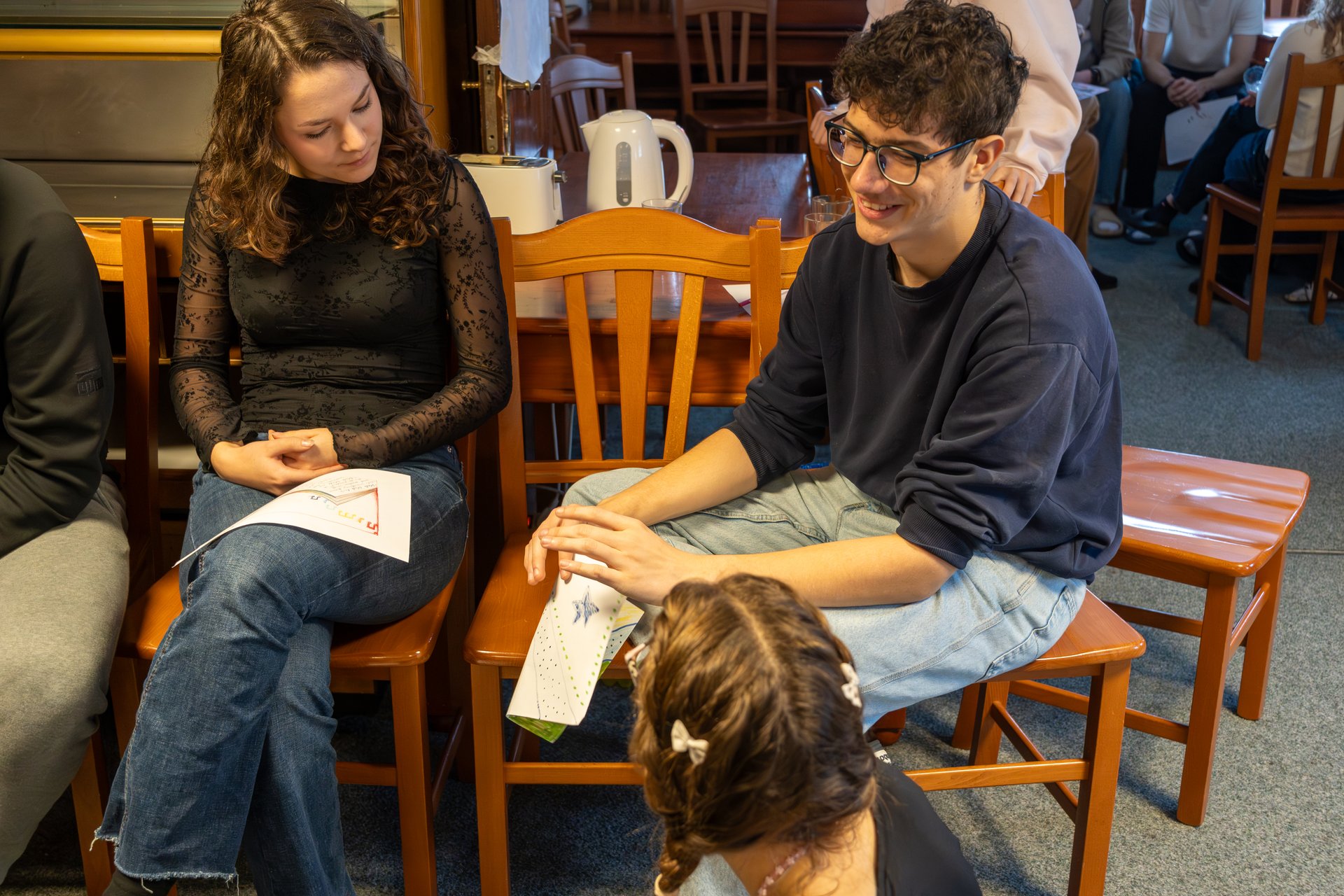
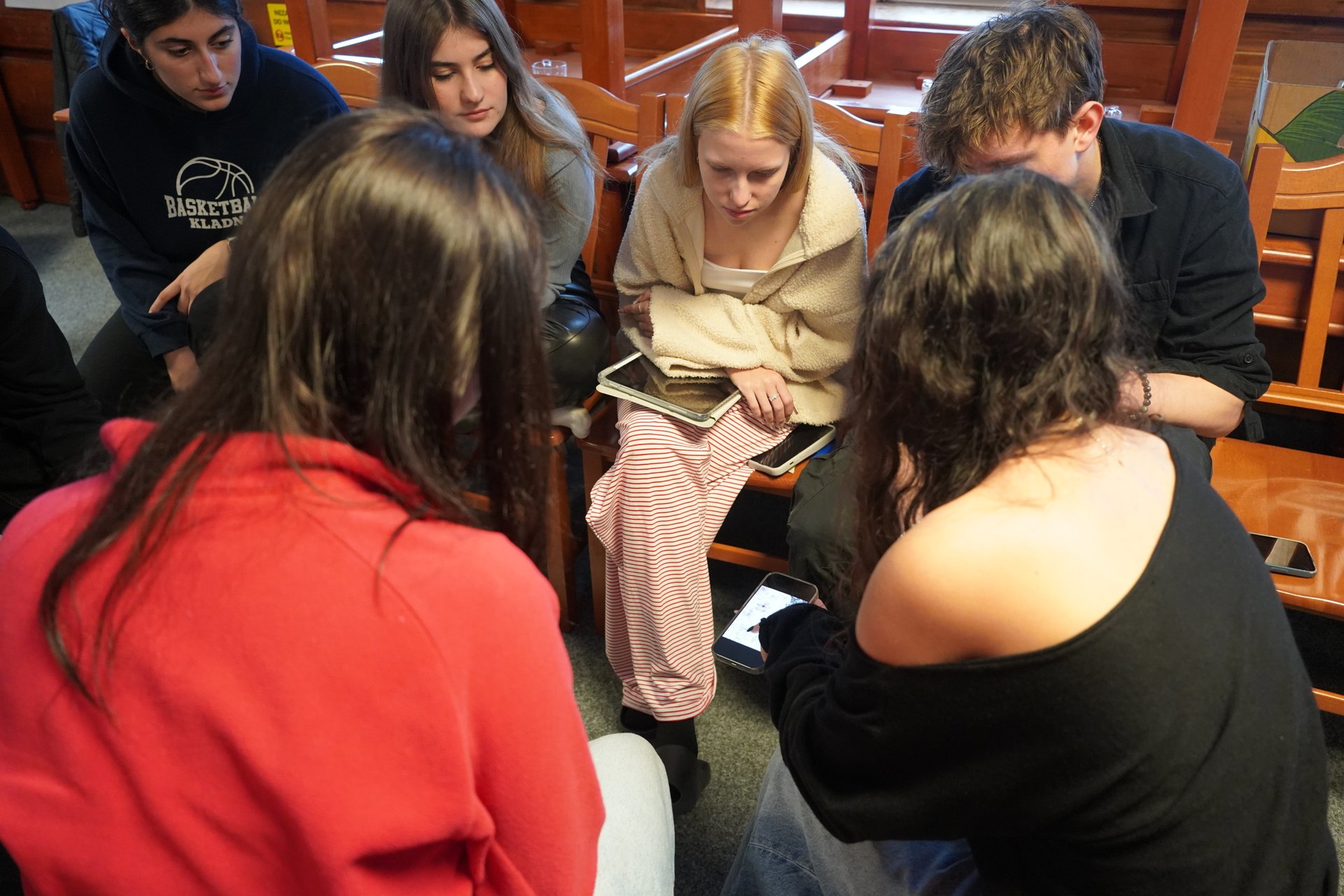
The Secret Friend Nobody Saw
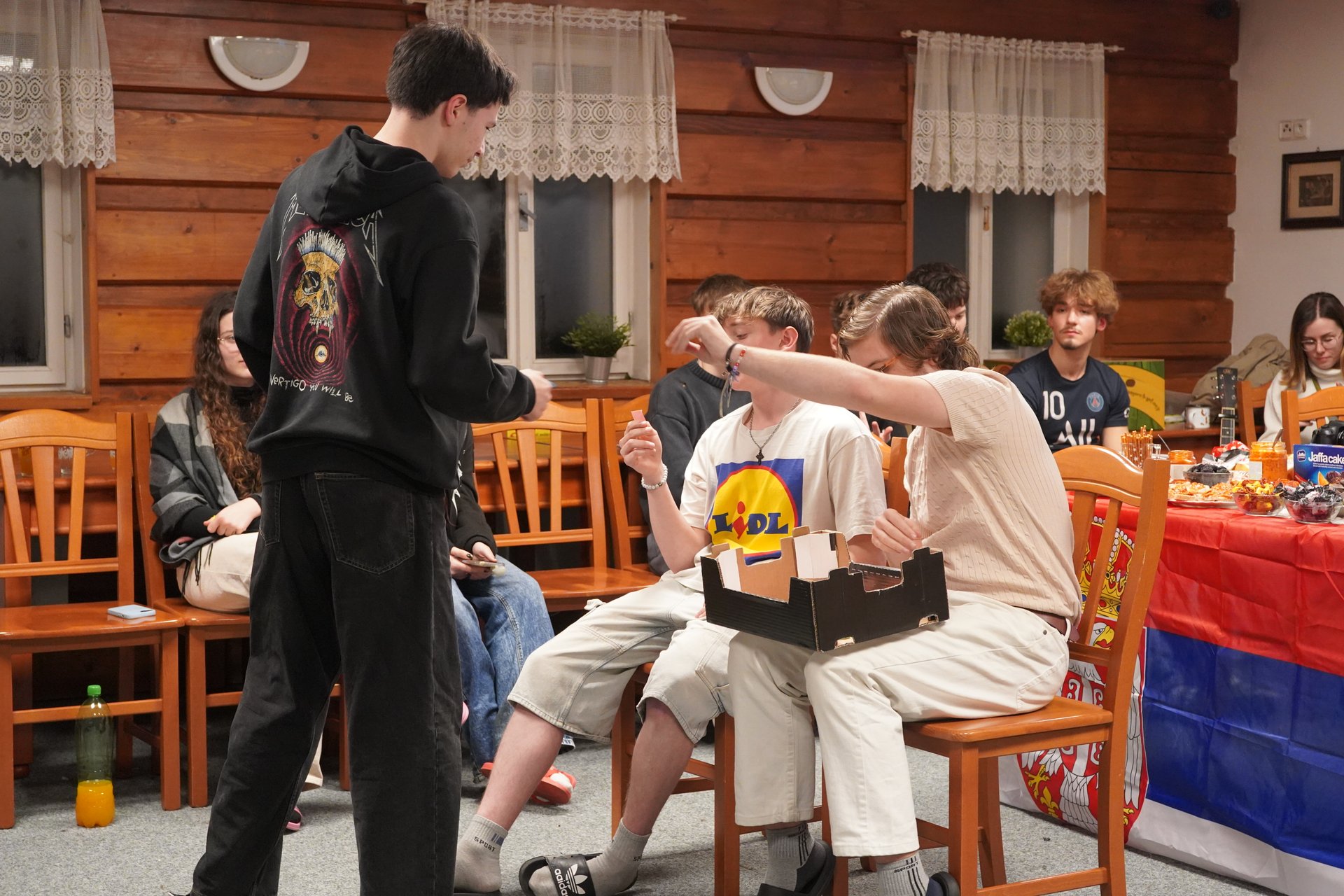
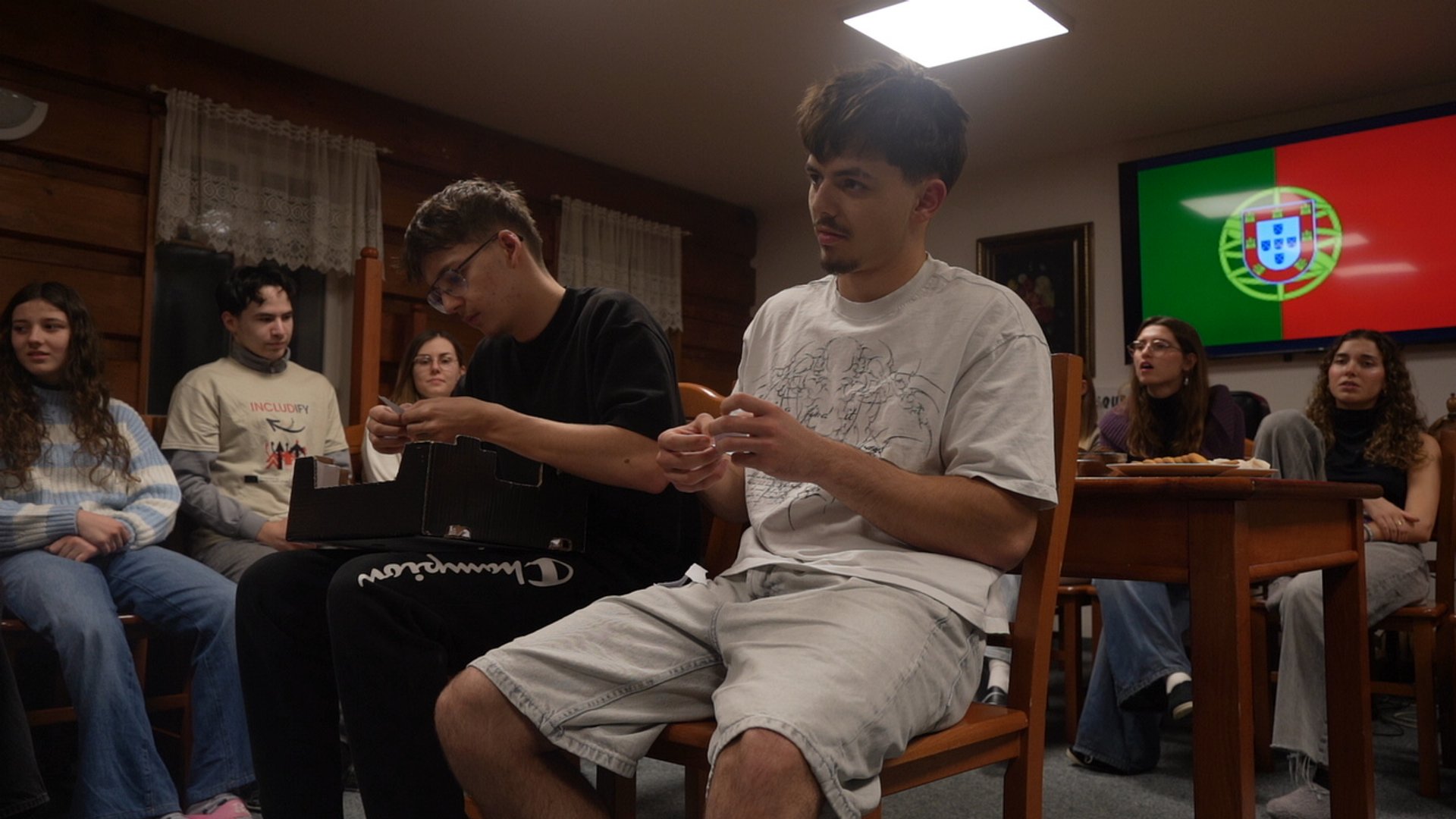
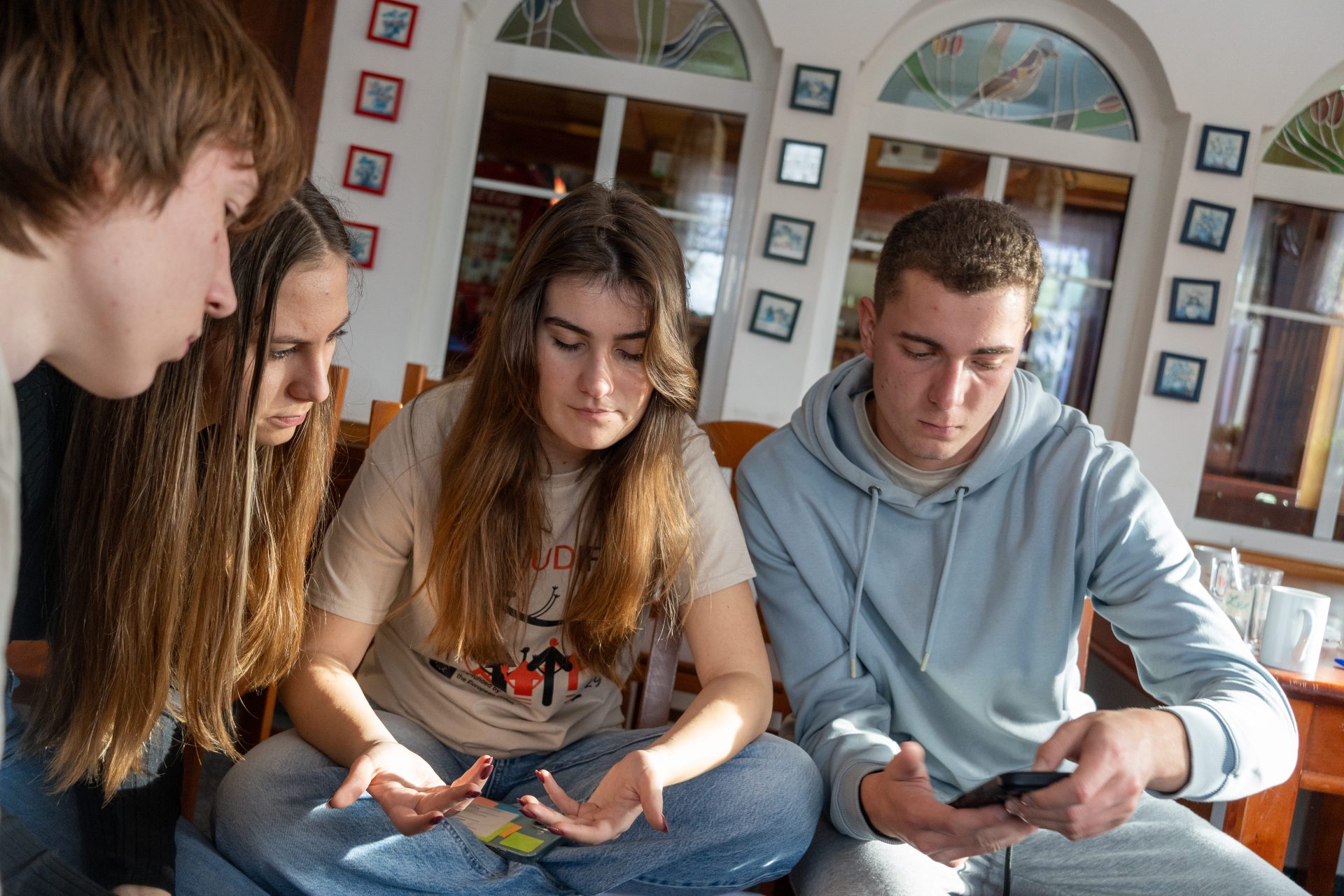
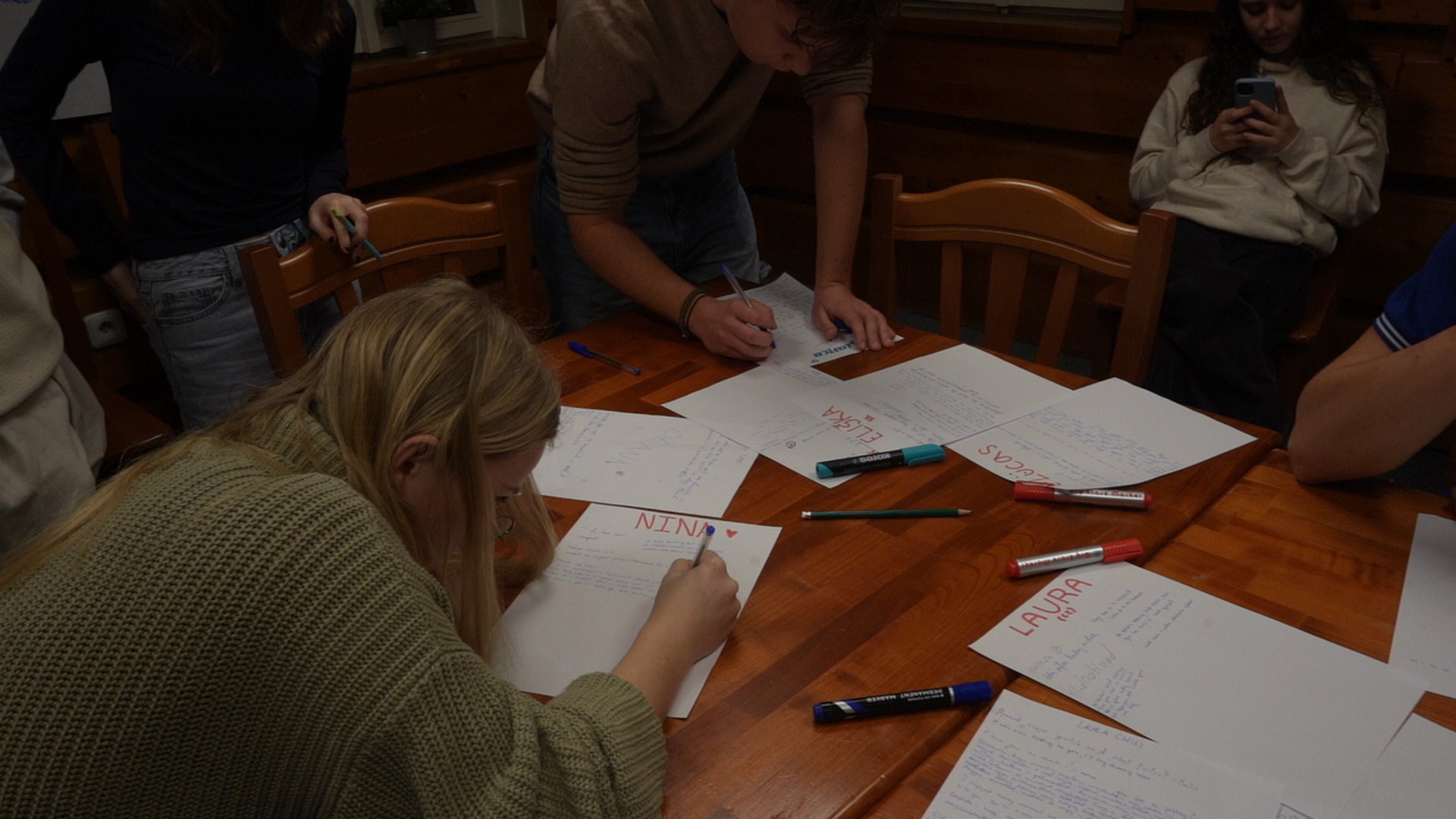
Through the whole exchange, a running Secret Friend game gave each participant a hidden person to look out for, small unnoticed gestures, quietly done, day after day. Our participants said afterward that not knowing who had been quietly looking out for them the whole time made the eventual reveal, on the final evening, land harder than they expected. It was a small structure, but it kept everyone paying a particular kind of attention to people they might otherwise not have noticed.
Bringing the Words Back
Our participants left Chata pod Lipami with something more specific than a general sense that the exchange went well: a habit of checking whether people actually understood each other, built session by session, in a room where nobody started out speaking the same language. For a group of young people from Lithuania, working that out alongside six other countries opens a side of communication that does not usually get taught at home.
Testimonials
Goodbyes are gonna be the hardest part. It’s strange how quickly people you meet abroad can feel like home.
Photo Gallery
A few more moments from this activity :)
Check these and more photos in the activity’s photo album.