
What does an exchange in the Czech mountains give a group of young people from Lithuania? For our participants at eXploreTech, a youth exchange in Rokytnice nad Jizerou, the honest answer is: a new way of looking at the phone already in their pocket.
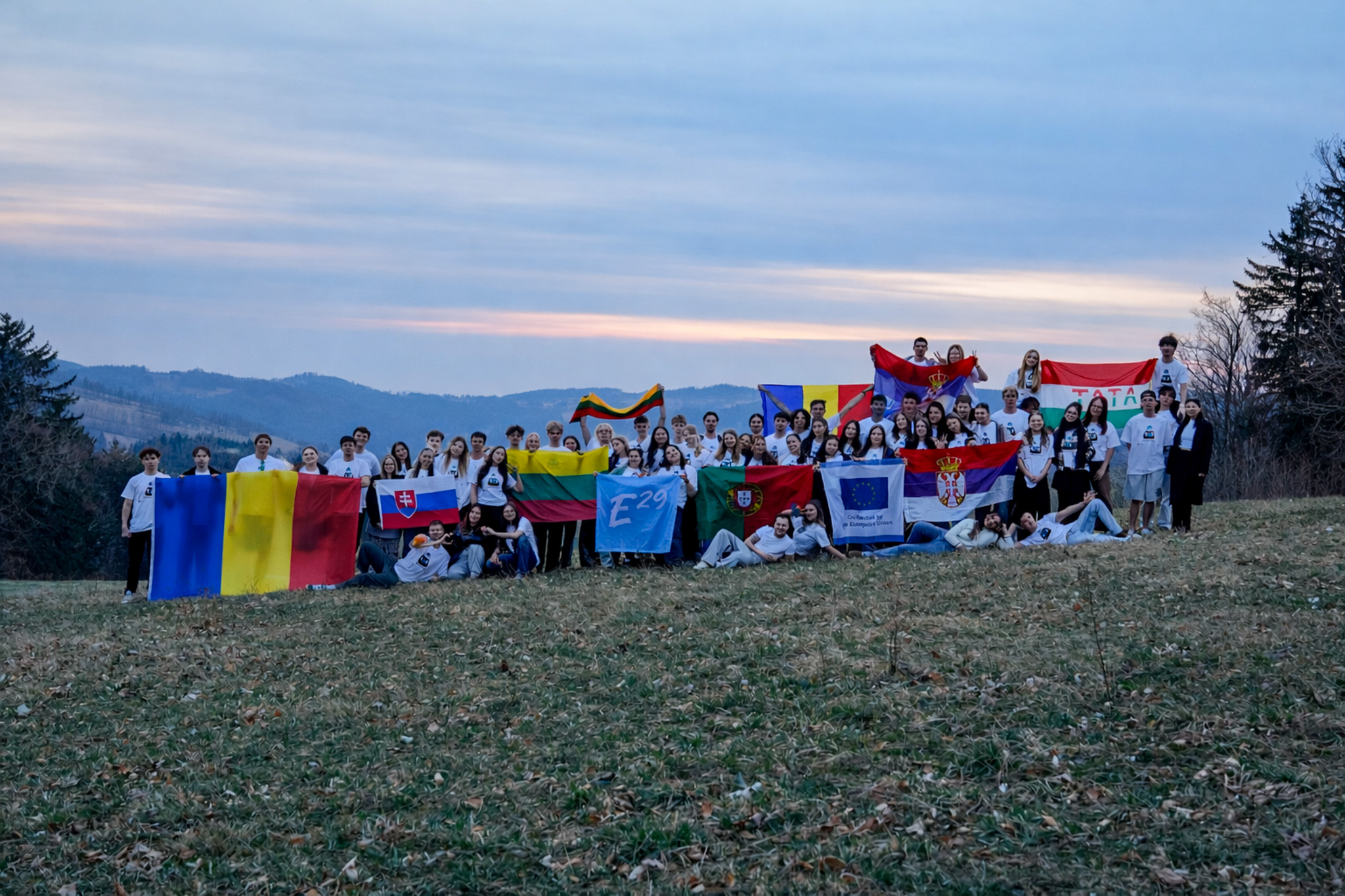
The exchange brought together young people from seven European countries for ten days built around one theme, the Internet of Things. The smart devices, sensors, and connected systems that already sit in kitchens, schools, and farmyards everywhere. It was part of Four Links’ Erasmus+ Accreditation, co-funded by the European Union, and our team travelled from Lithuania to take part alongside peers from Czechia, Hungary, Portugal, Romania, Serbia and Slovakia.
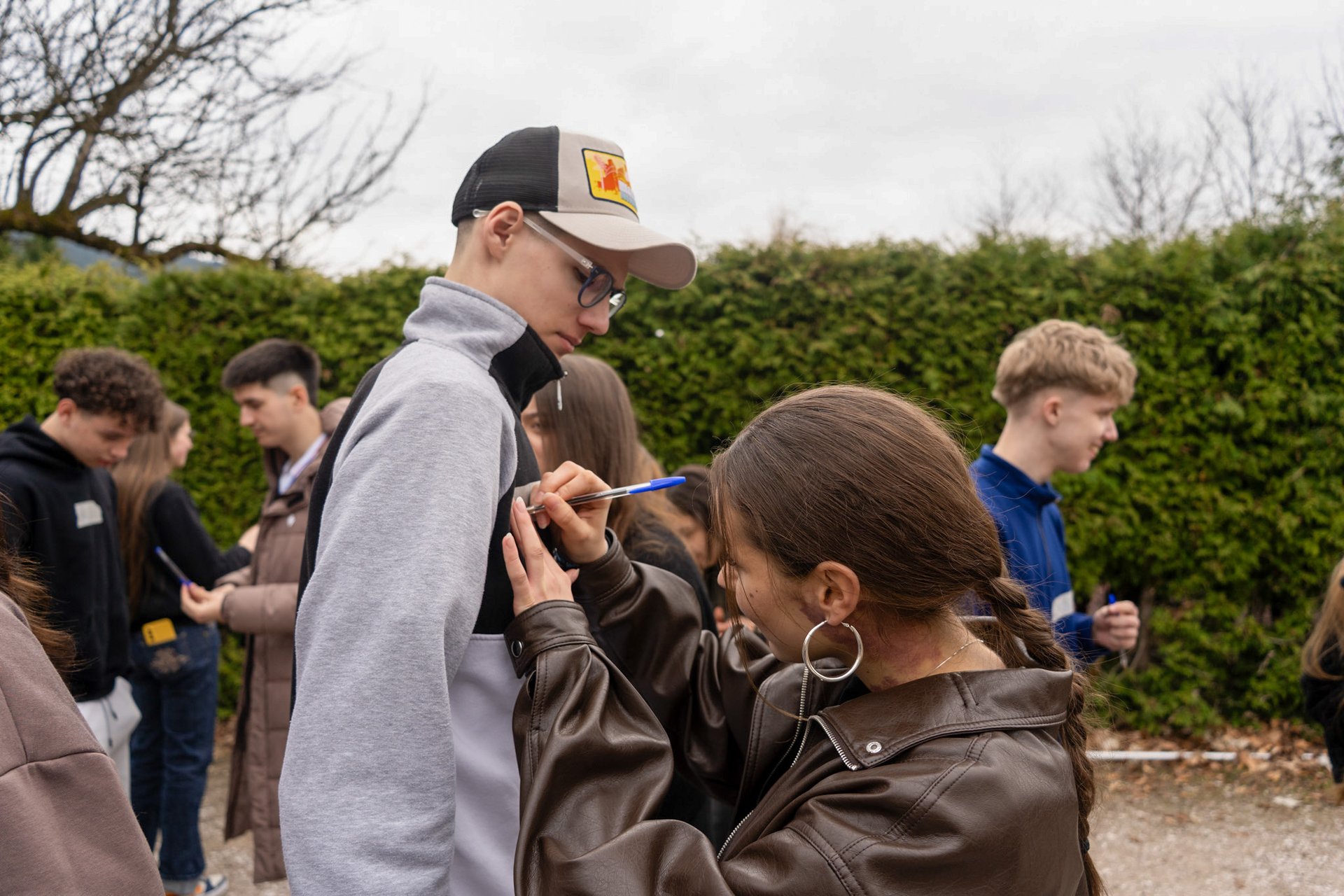
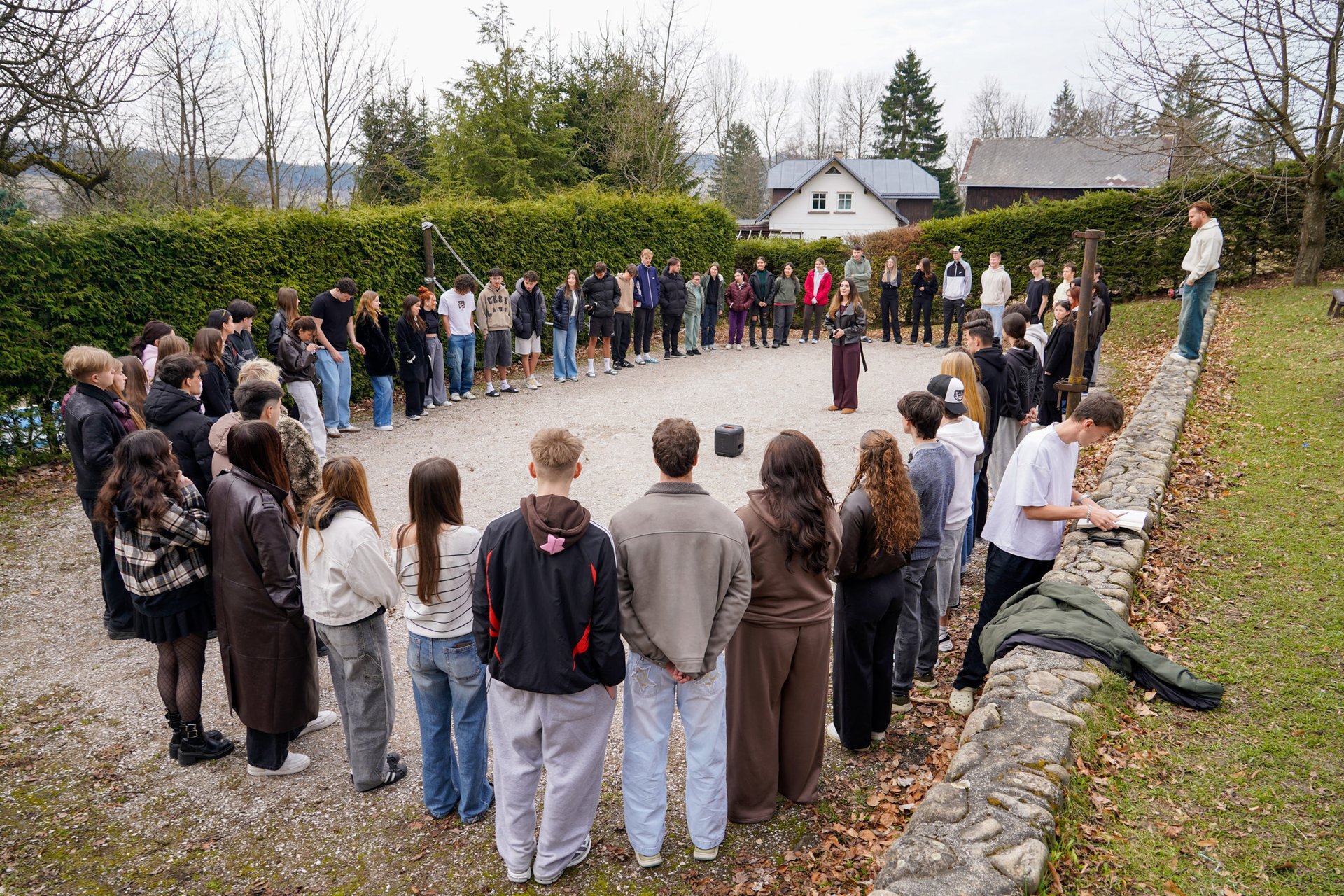
The Devices We Brought With Us
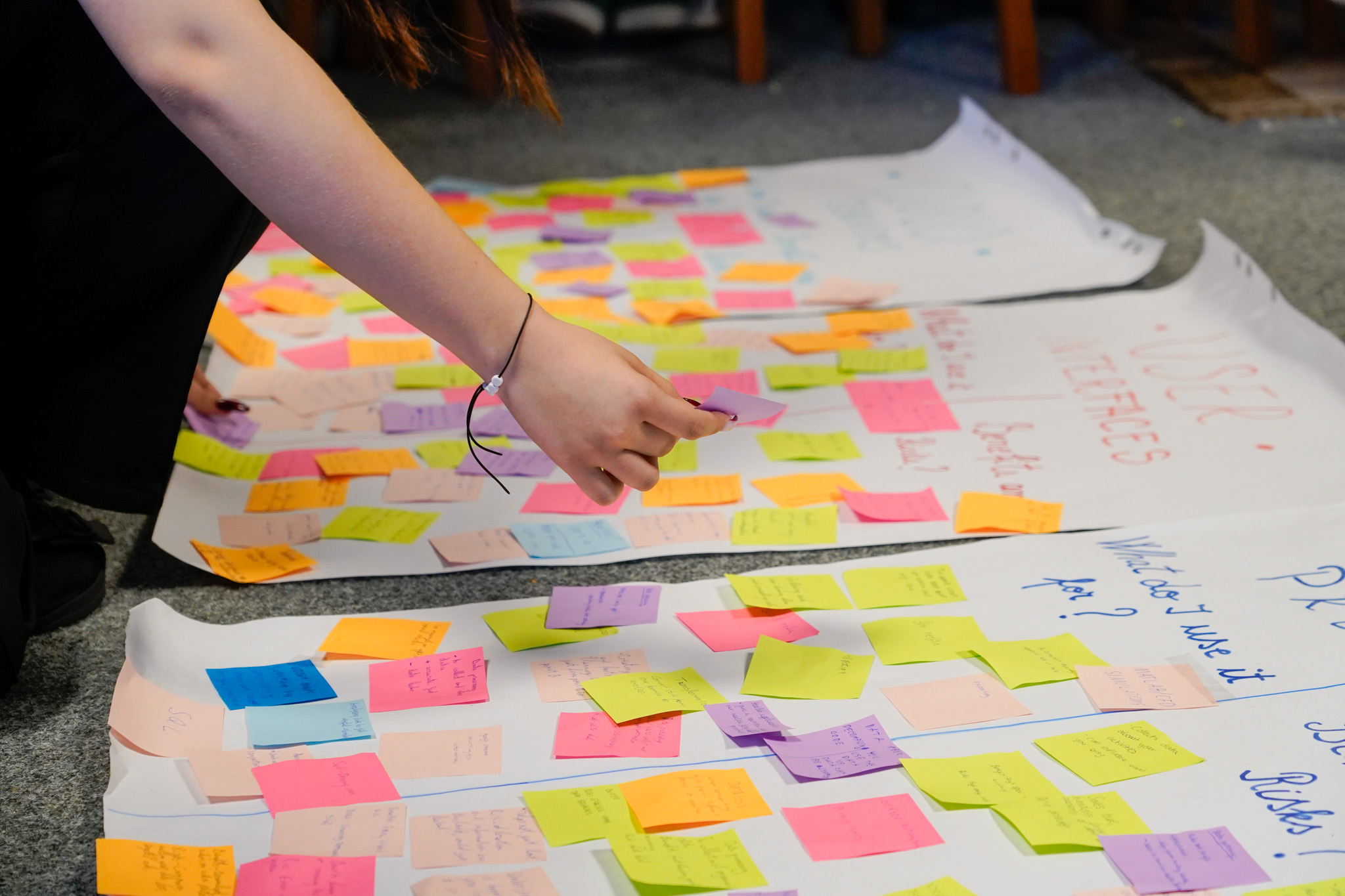
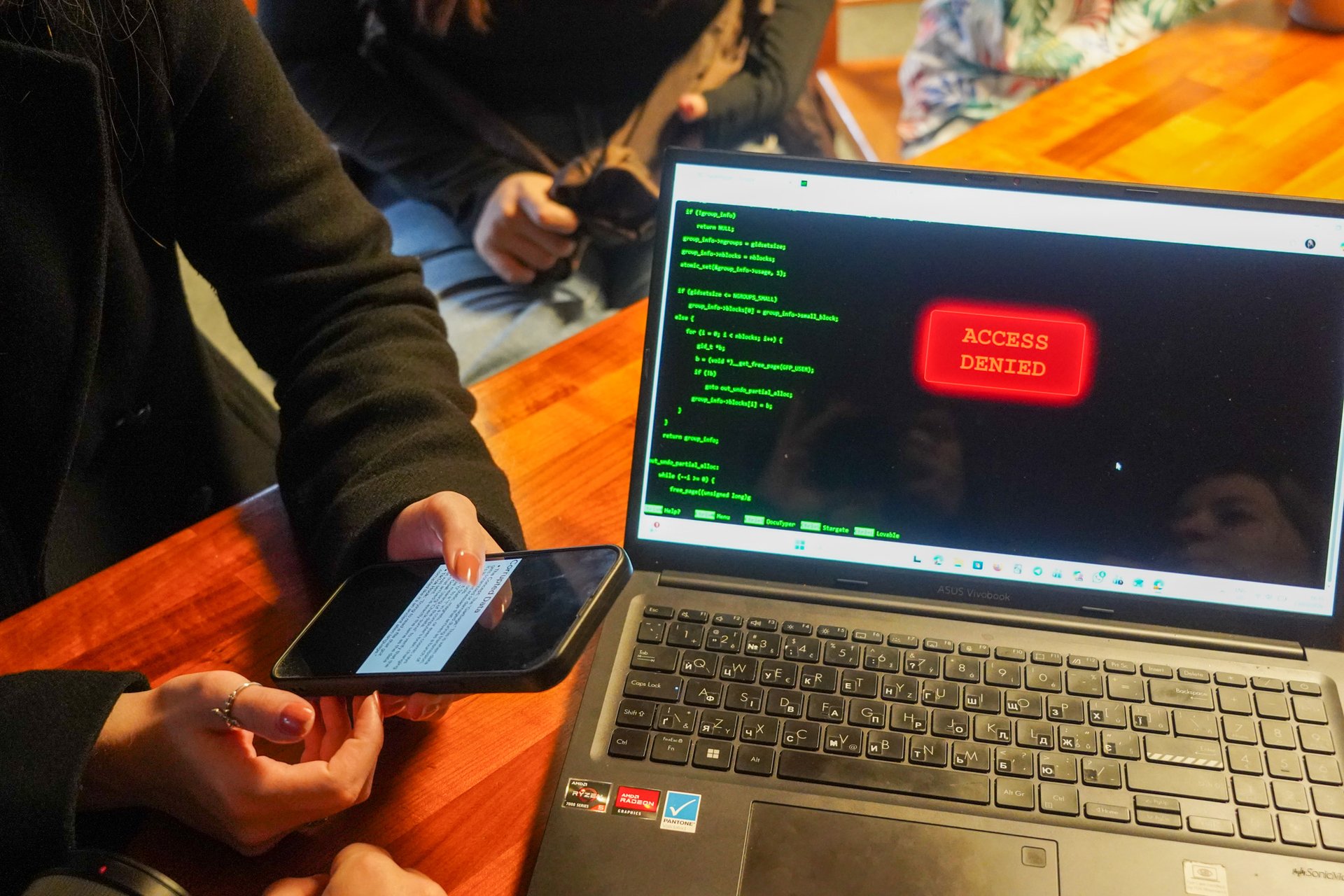
The first technology session started with what everyone already owned. On six flipcharts, one for each part of a connected system, participants stuck notes naming every smart device they meet in a normal day, then weighed each one: does it give more than it takes? The wall filled up quickly, and so did the questions.
A session called What Makes a Device “Smart”? pushed the same thought further. A device is smart because it senses, decides, and acts, and each of those steps involves data about the person using it. For our participants, this was the moment the topic stopped being abstract. It was about their own homes.
A Museum From the Year 2040
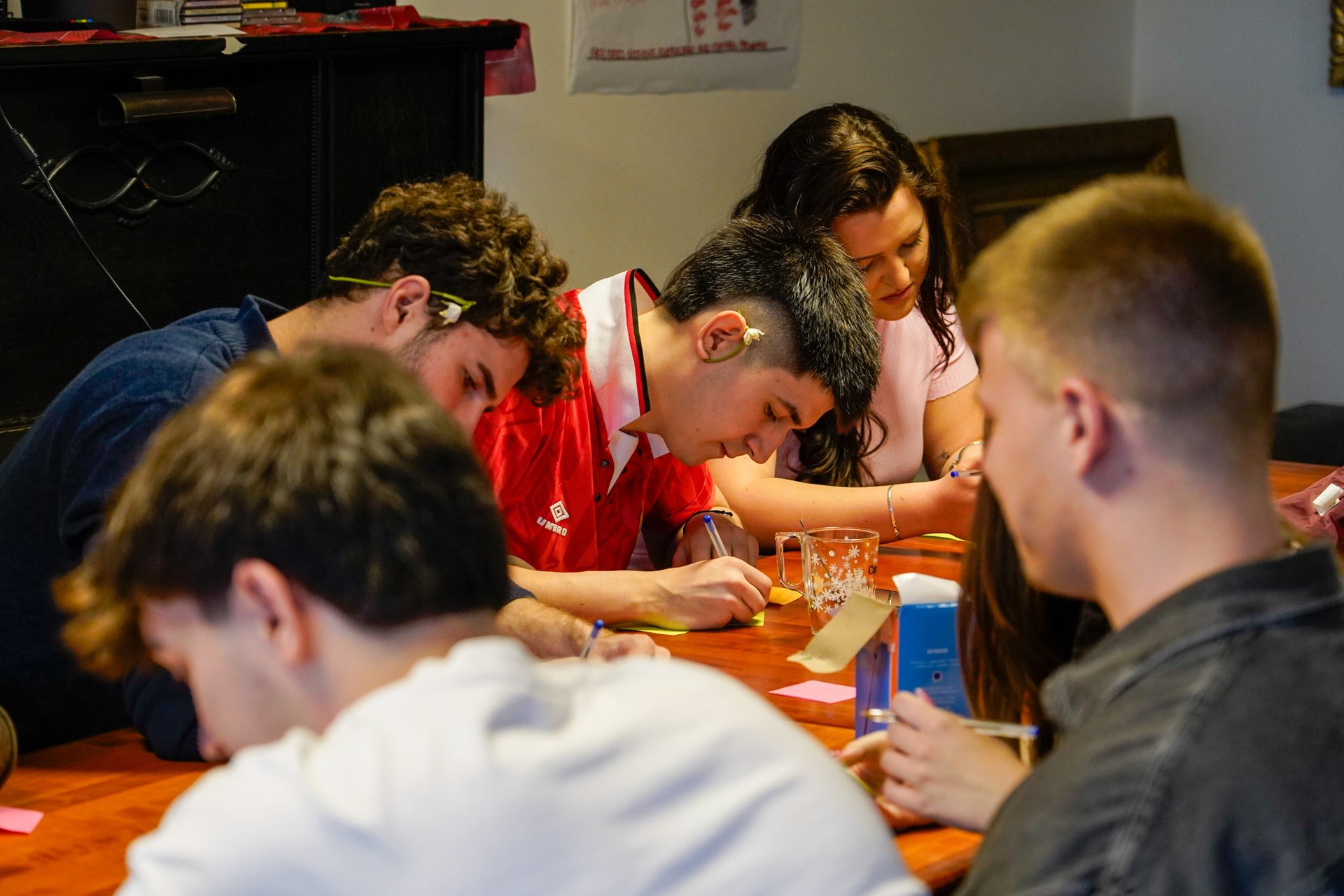
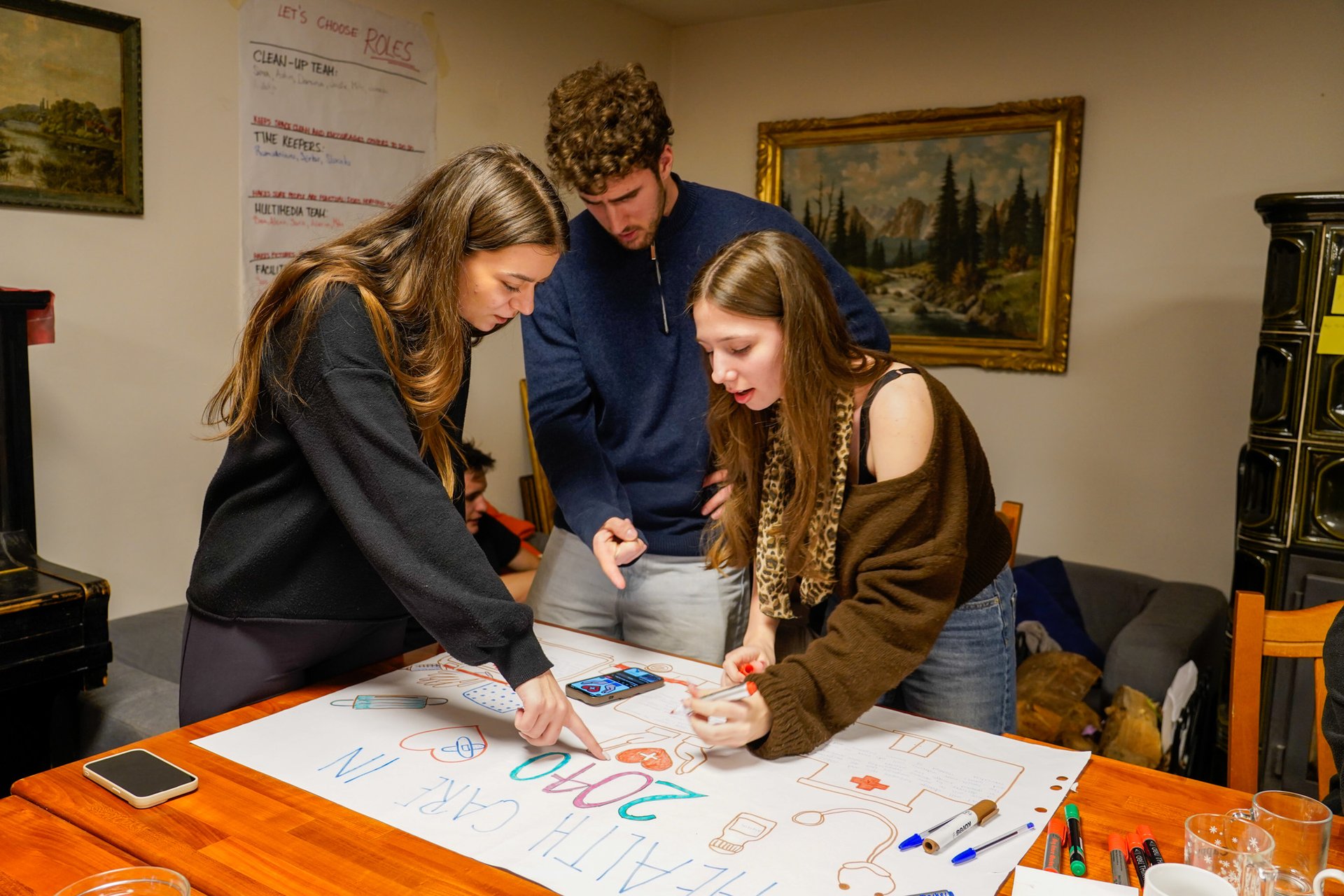
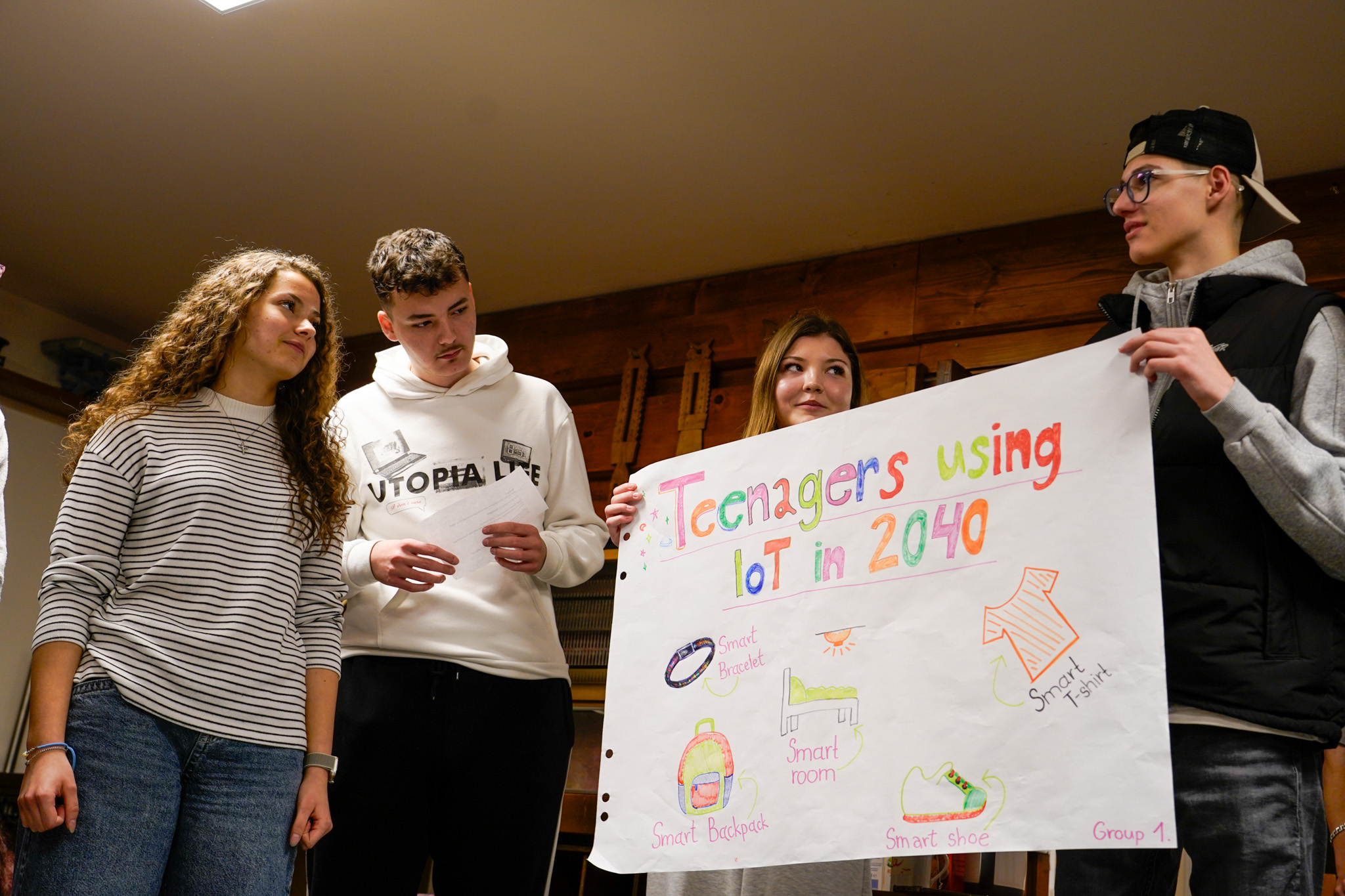
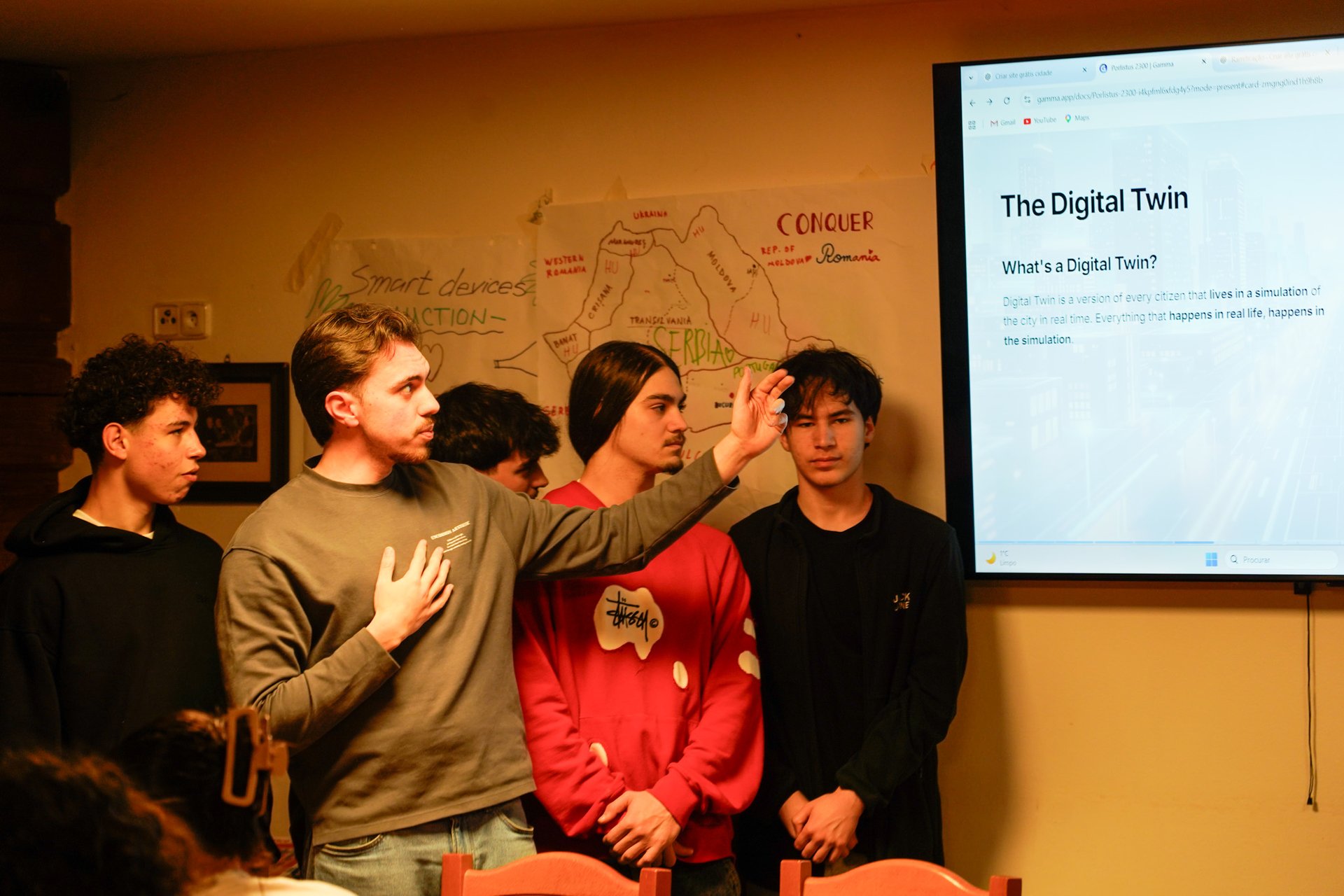
One of the most imaginative sessions asked the teams to build a Future IoT Museum. Each group picked a part of society, health care, rural life, people with disabilities, and turned it into a museum exhibit from the year 2040, imagining how connected technology might serve it. One team’s exhibit pictured rural life a decade and a half from now, a vision with obvious resonance for anyone who grew up outside a big city.
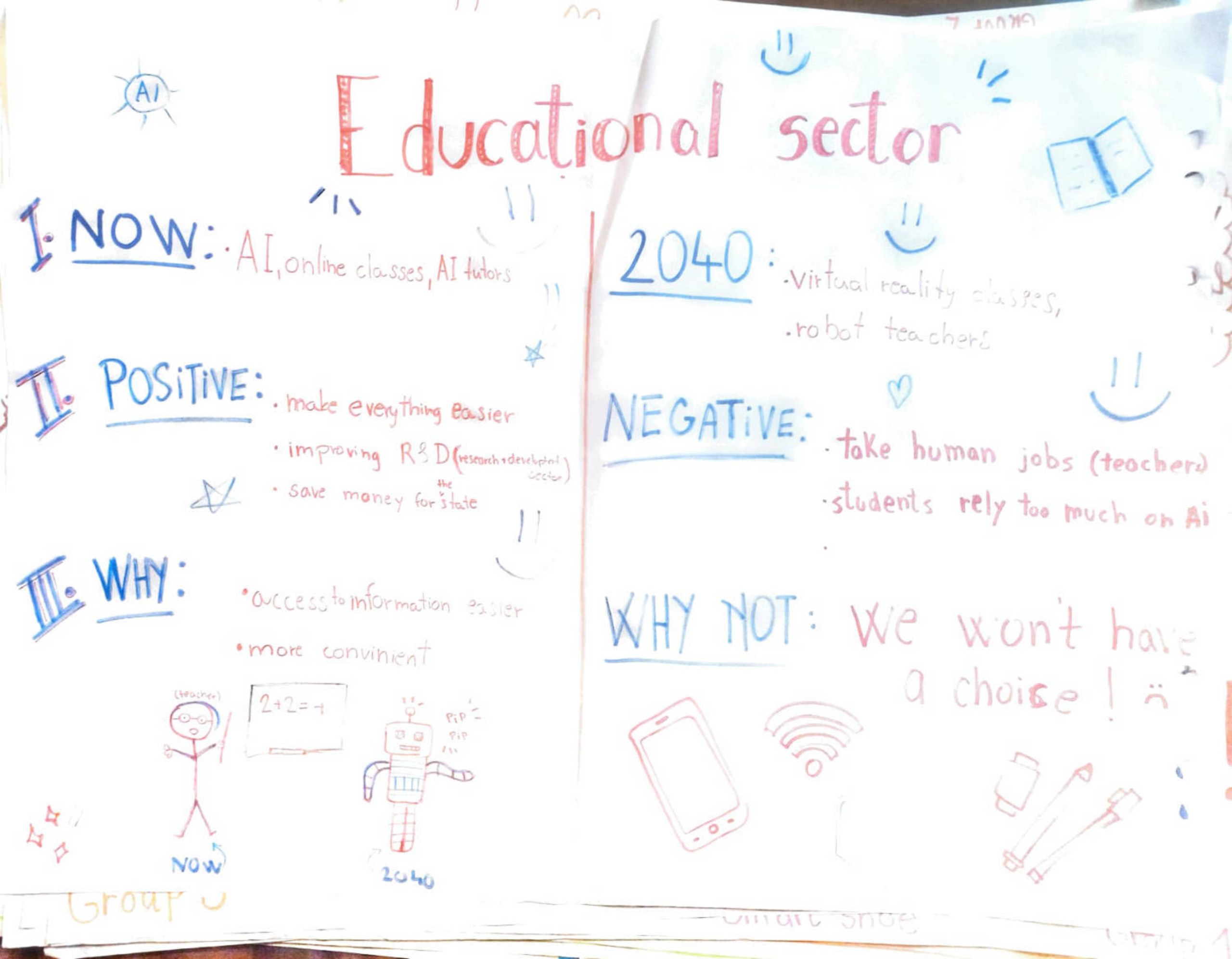
The exhibits mixed optimism with caution, which was the point. The same sensors that could support a farm or an elderly neighbour also collect data someone else might use. Drawing the exhibit meant deciding where that line should sit.
Air Above Rokytnice
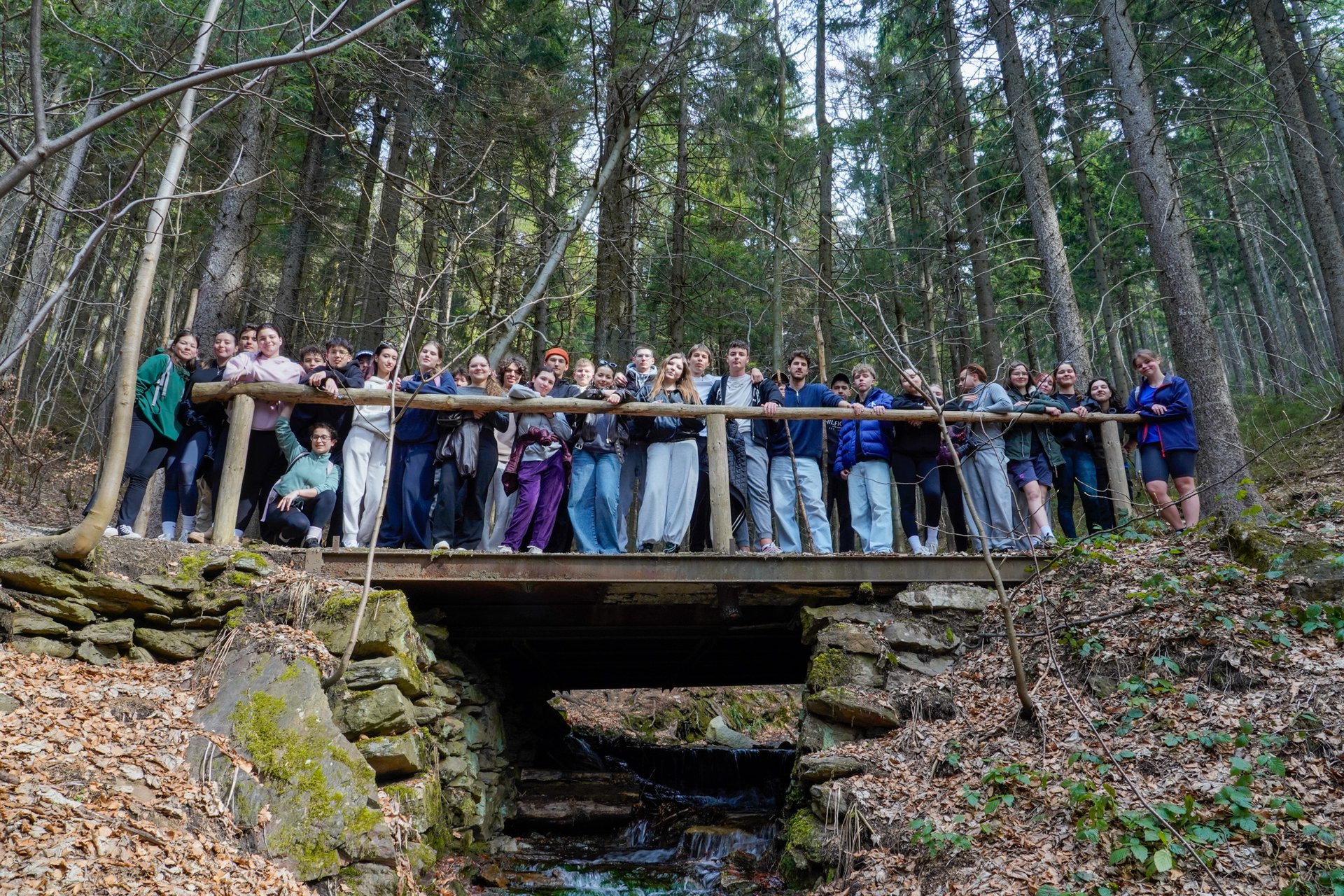
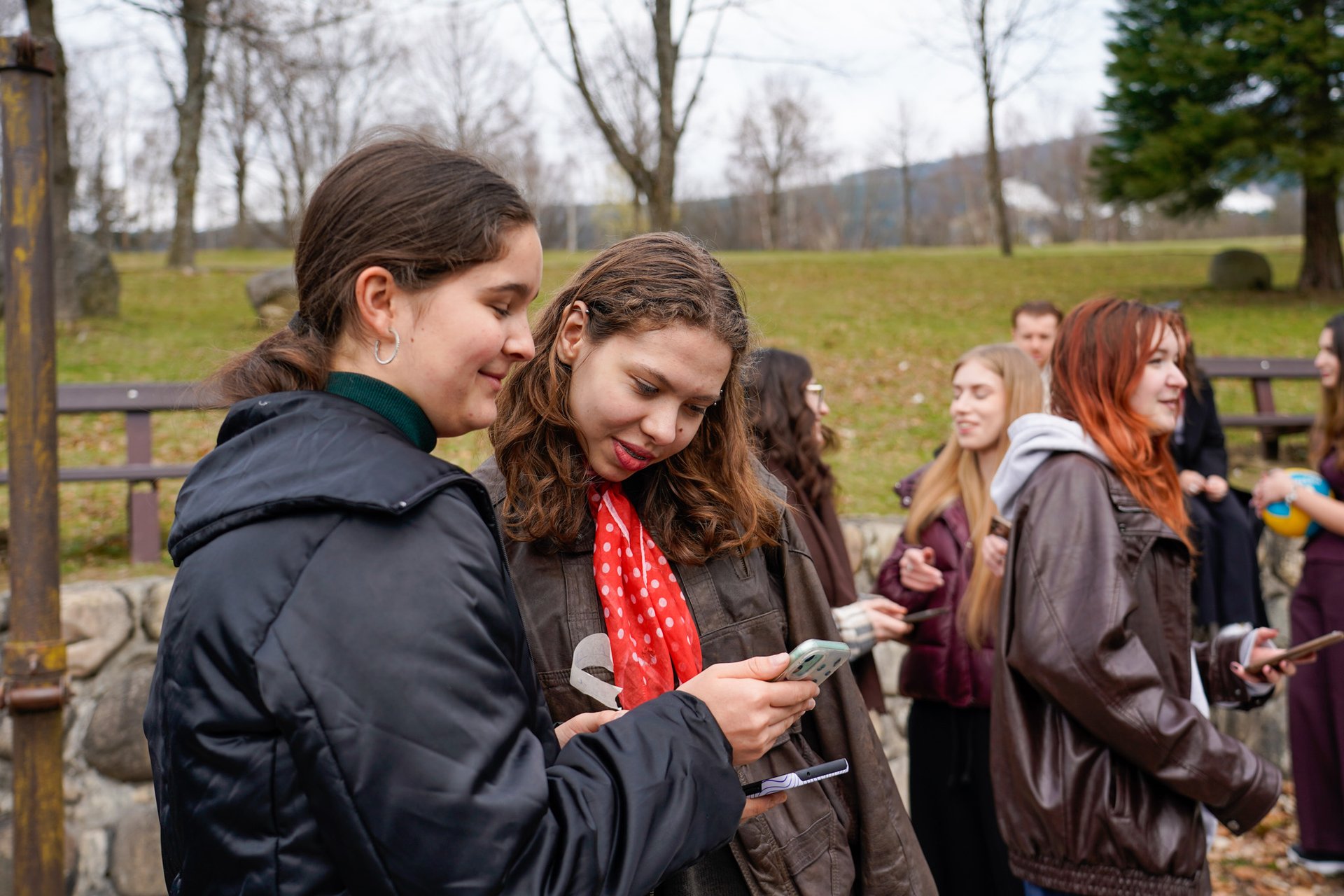
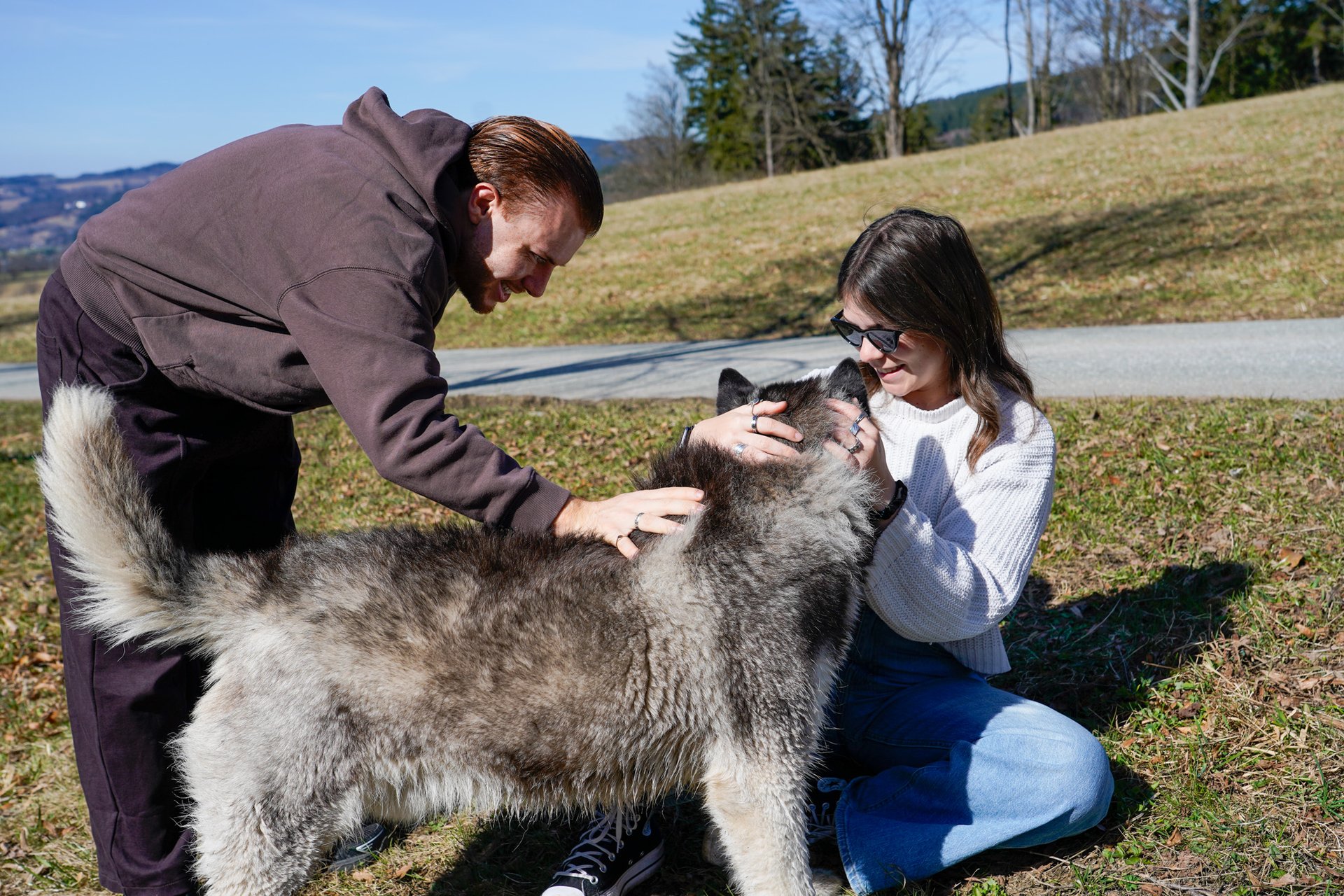
Halfway through the exchange the whole group left the screens behind and hiked into the mountains around Rokytnice nad Jizerou. For a group spending its days debating sensors and data, a morning of spring air and open sky did visible good. Conversations on the trail crossed all seven nationalities, in the mix of English and gestures that becomes normal by day five of an exchange.
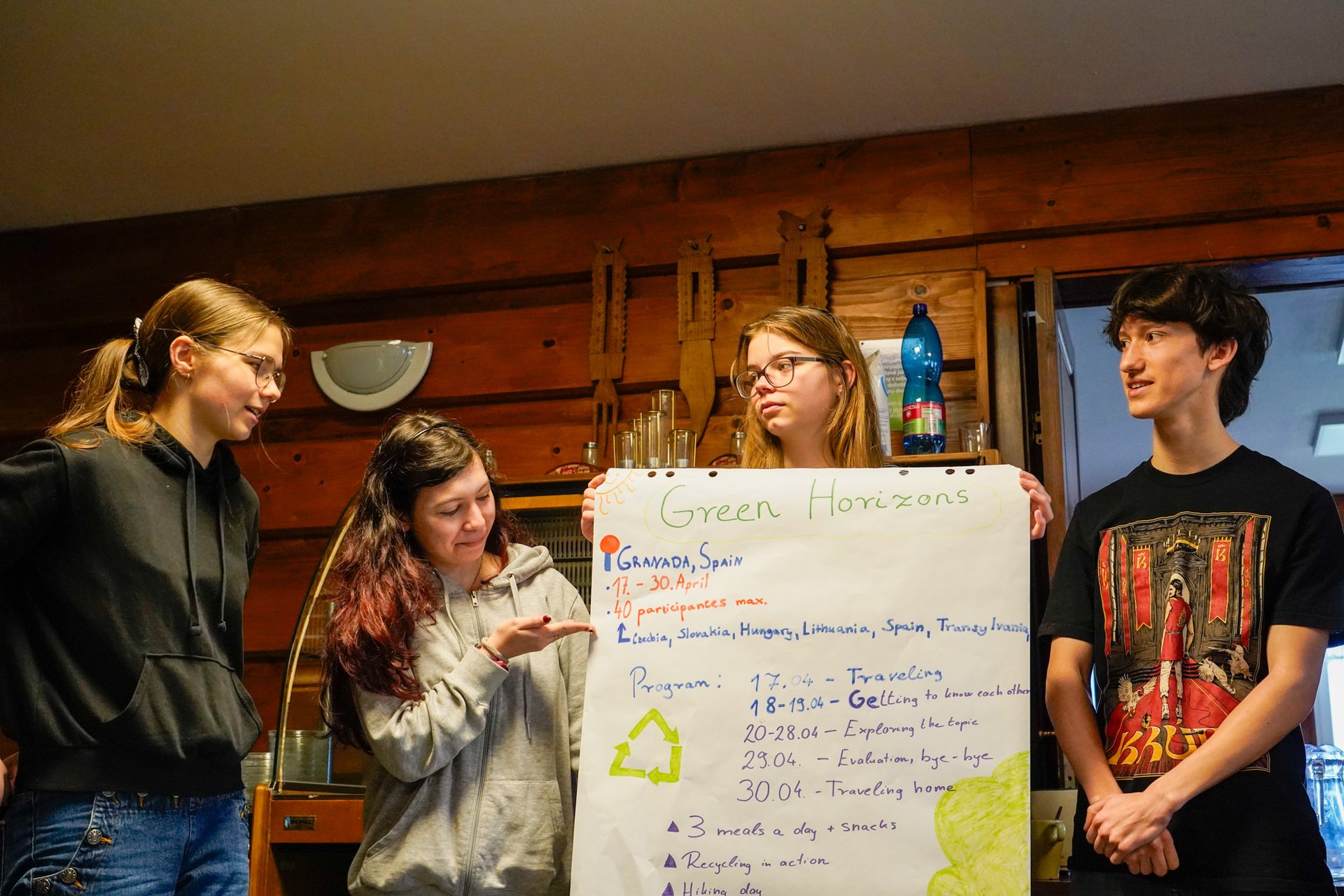
The same day held the mid-term evaluation, where our participants took stock of what they had learned so far and what they still wanted from the days ahead. That rhythm, intense sessions, honest pauses, is what makes non-formal education work: the young people themselves steer the programme.

Wires on the Table
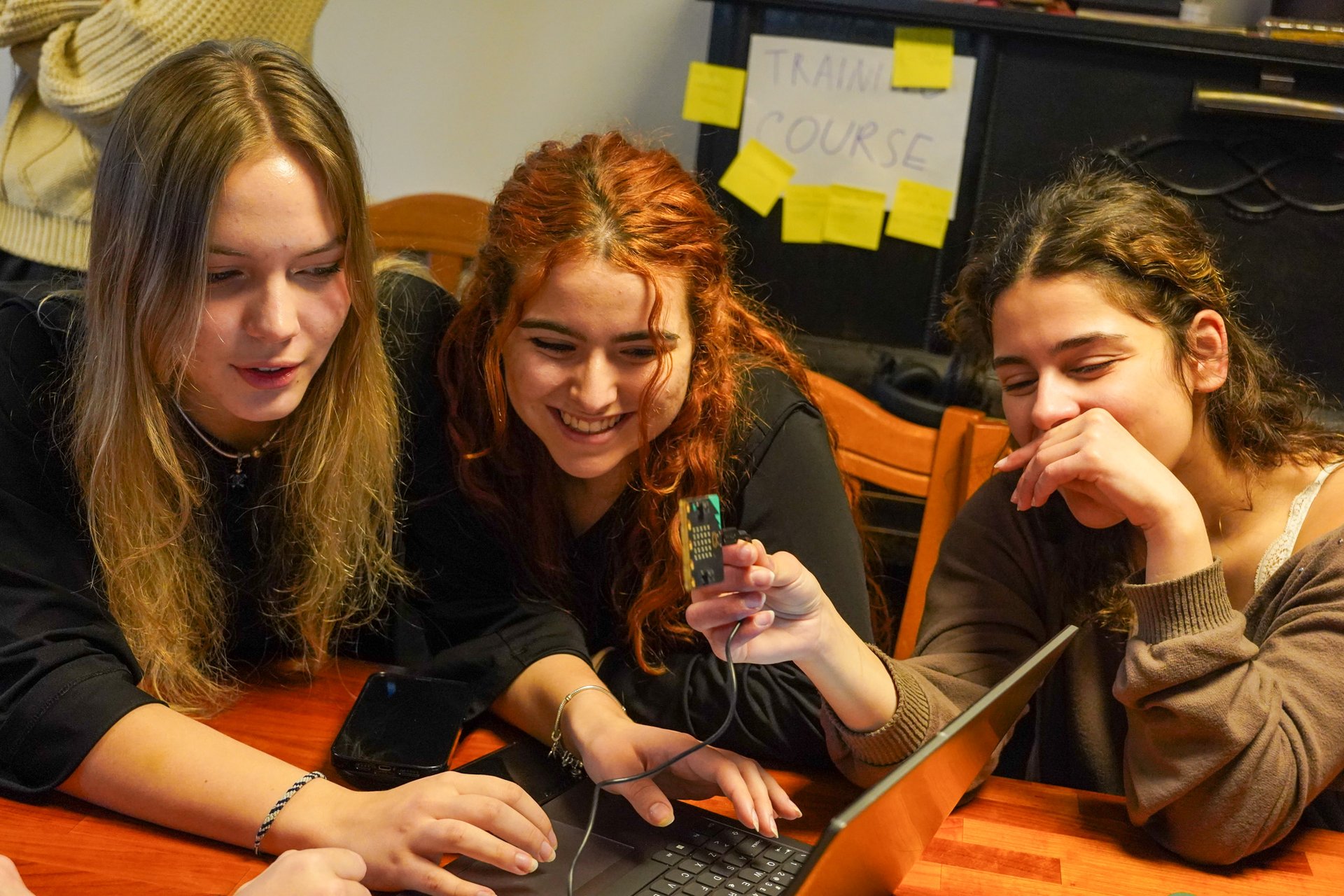
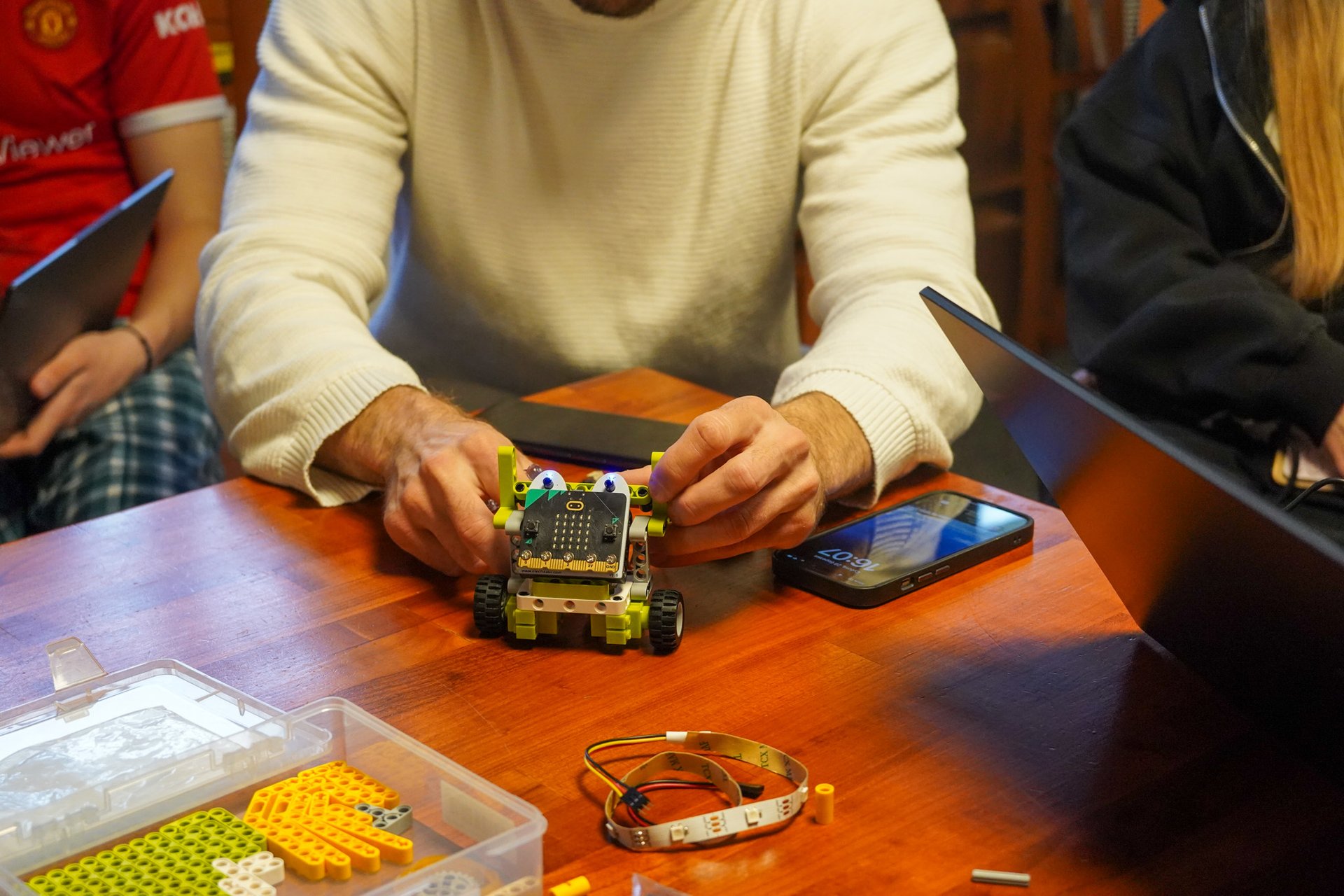
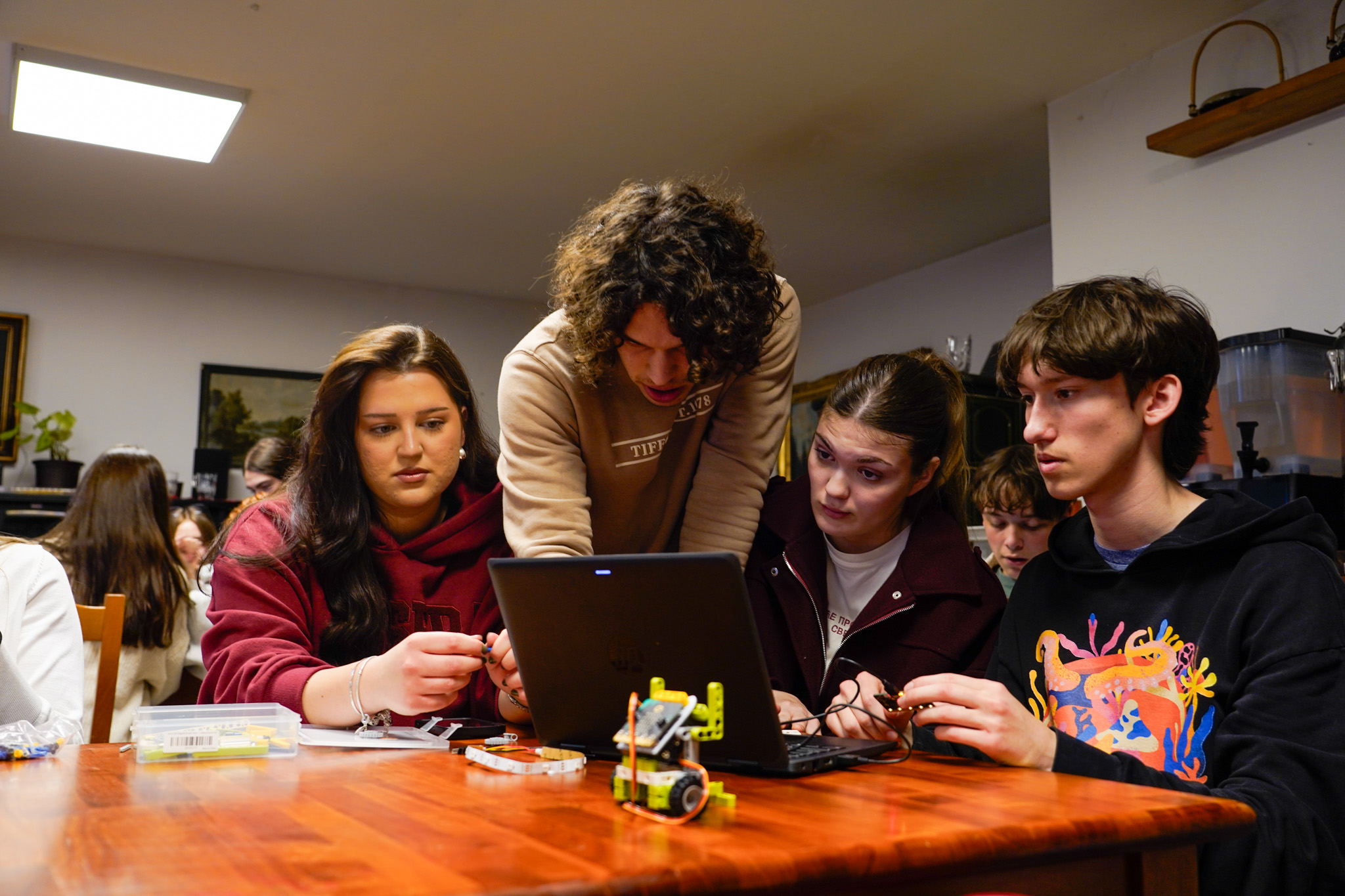
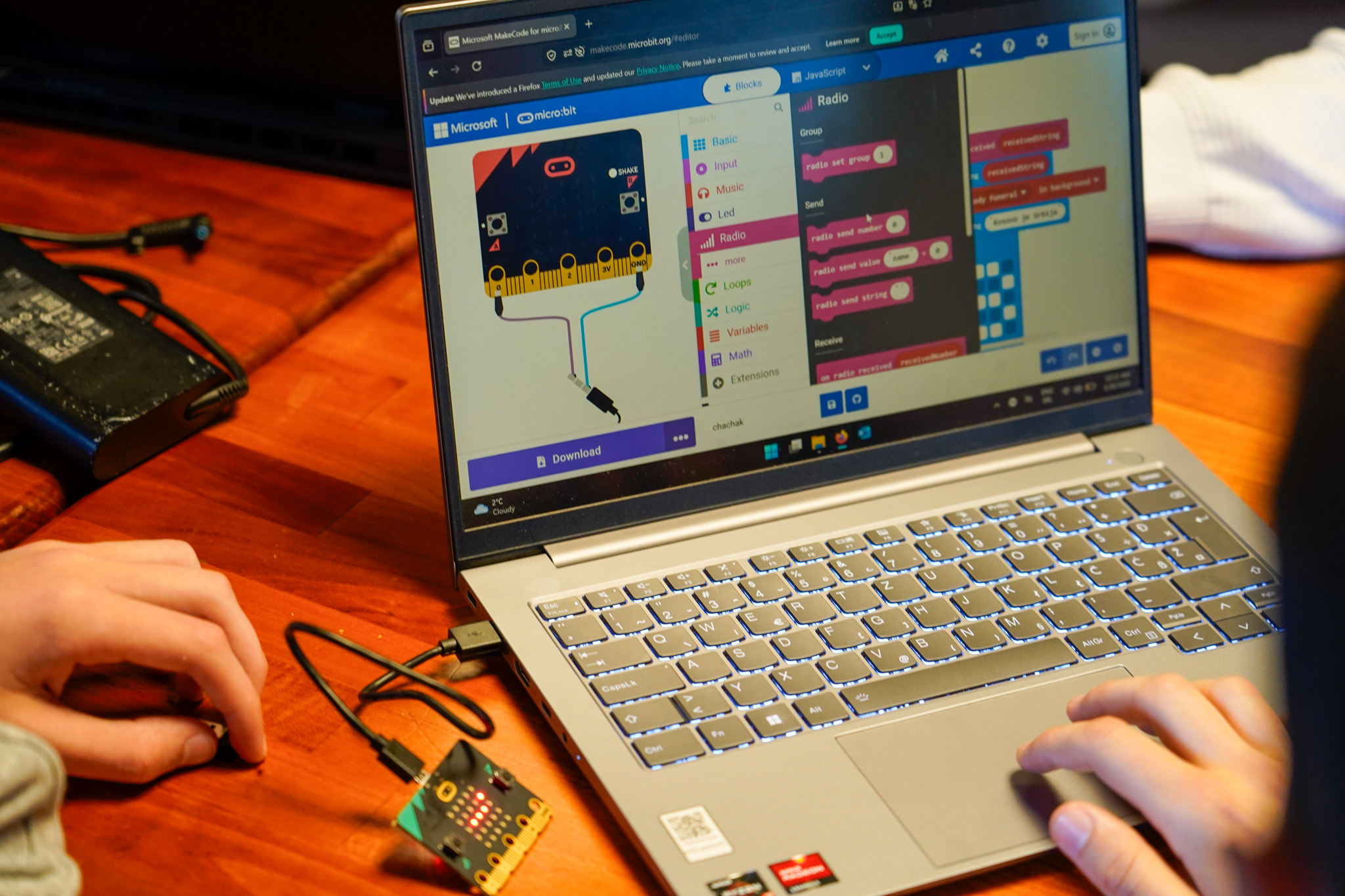
The last stretch of the programme turned understanding into practice. A Smart Home Ethics Debate had participants argue the real trade-offs of voice assistants, cameras, and health trackers, the exact devices parents and grandparents ask about at home. And in the final hands-on sessions the teams built a simple working IoT system, connecting sensors to a controller and watching their own wiring respond.
That build was the exchange in miniature. At the start, most of the group could not have said what a controller does. Now they had one working on the table in front of them.
What Came Back to Lithuania
Our participants returned home with a Youthpass certificate, the Erasmus+ document that names the competences a young person builds during an exchange, and with things no certificate fully captures: English that survived constant daily use, friends in six countries, and the habit of asking what a smart device knows before switching it on.
For a young person from Lithuania, an experience like this changes the scale of what feels reachable. The technology in their pocket got smaller and clearer at the same time, and Europe got closer.
Photo Gallery
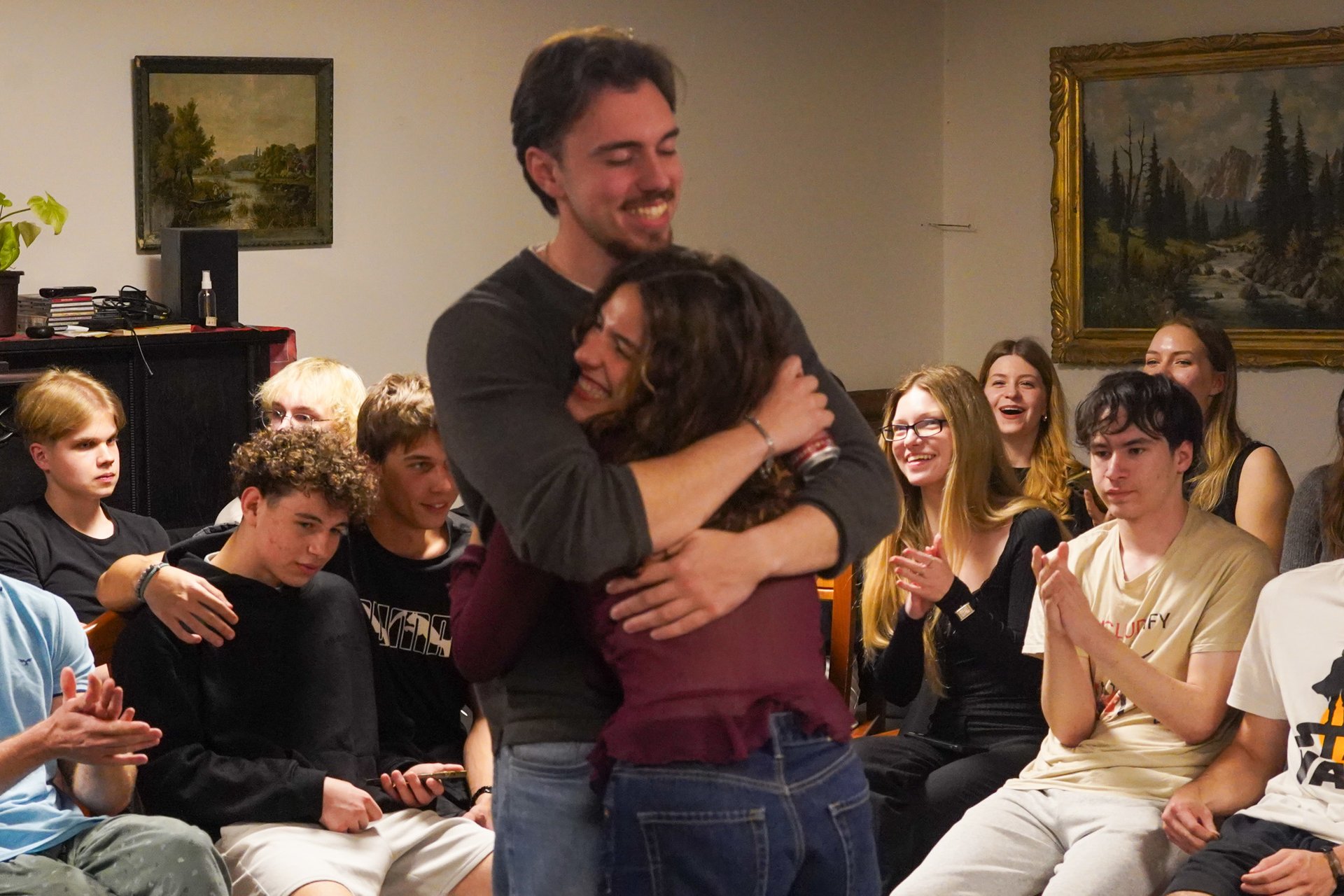
A few more moments from this activity :)
Check these and more photos in the activity’s photo album.