A Quiet Start in Bartninkai
Our activity took place in November, in the quiet and peaceful village of Bartninkai in Lithuania, where forty-five young people from six countries came together for eight days. When we first arrived, everything felt new and slightly unfamiliar, yet filled with the sense that something meaningful was about to begin. Surrounded by calm nature and an inspiring atmosphere, we slowly settled in, met new people and opened ourselves to the experience ahead.
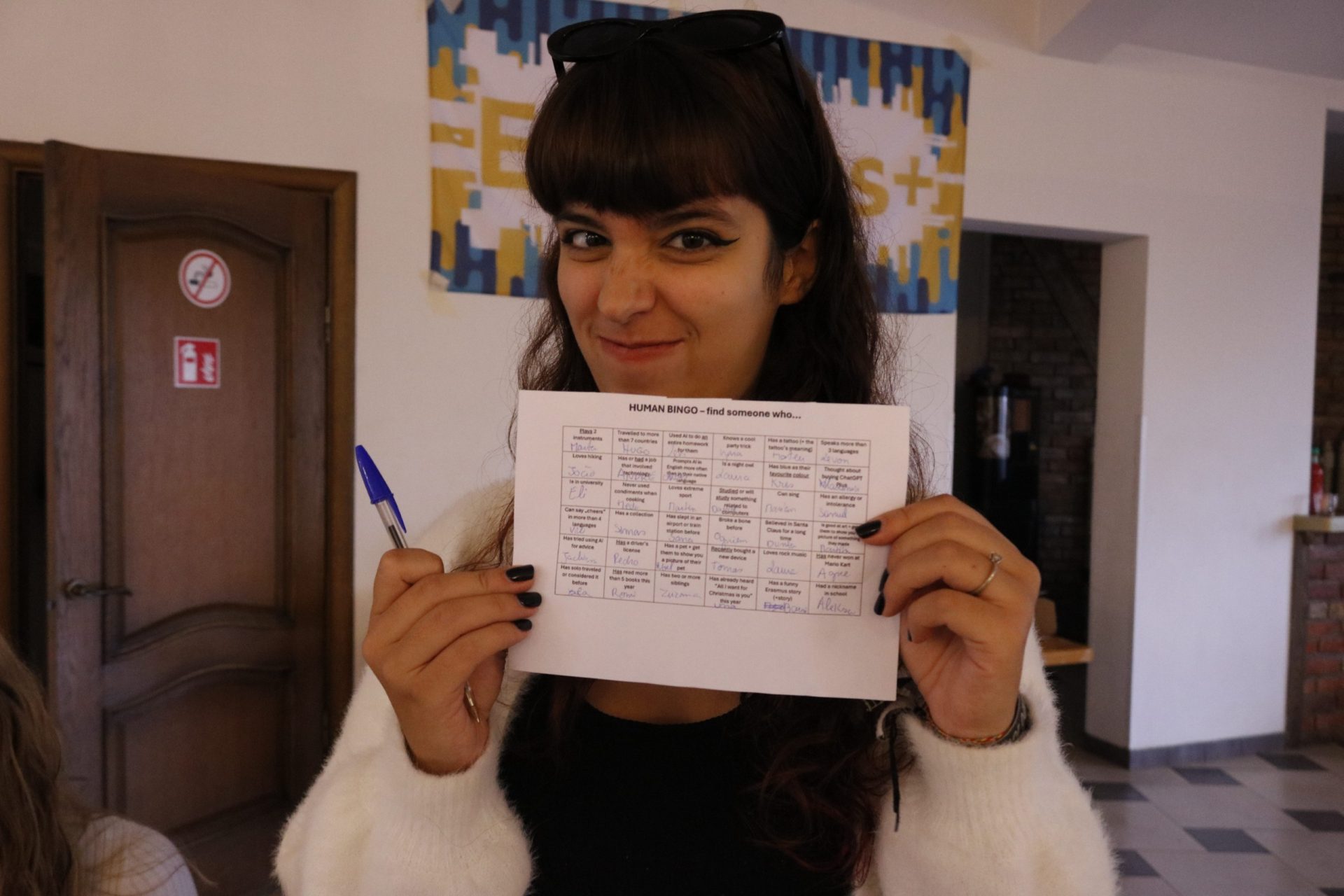
The first days were devoted to connecting with each other and building a comfortable environment for learning. Playful icebreakers like Mingling Bingo and rounds of speed conversations got everyone talking, and together we drew up our own Code of Conduct, a shared set of rules the whole group agreed on and signed. What started as a room full of young people who barely knew one another soon turned into a group that talked openly, supported each other and wasn’t afraid to share thoughts. Step by step, small conversations grew into deeper discussions, and the atmosphere shifted into something warm and welcoming.
Getting to Grips with AI
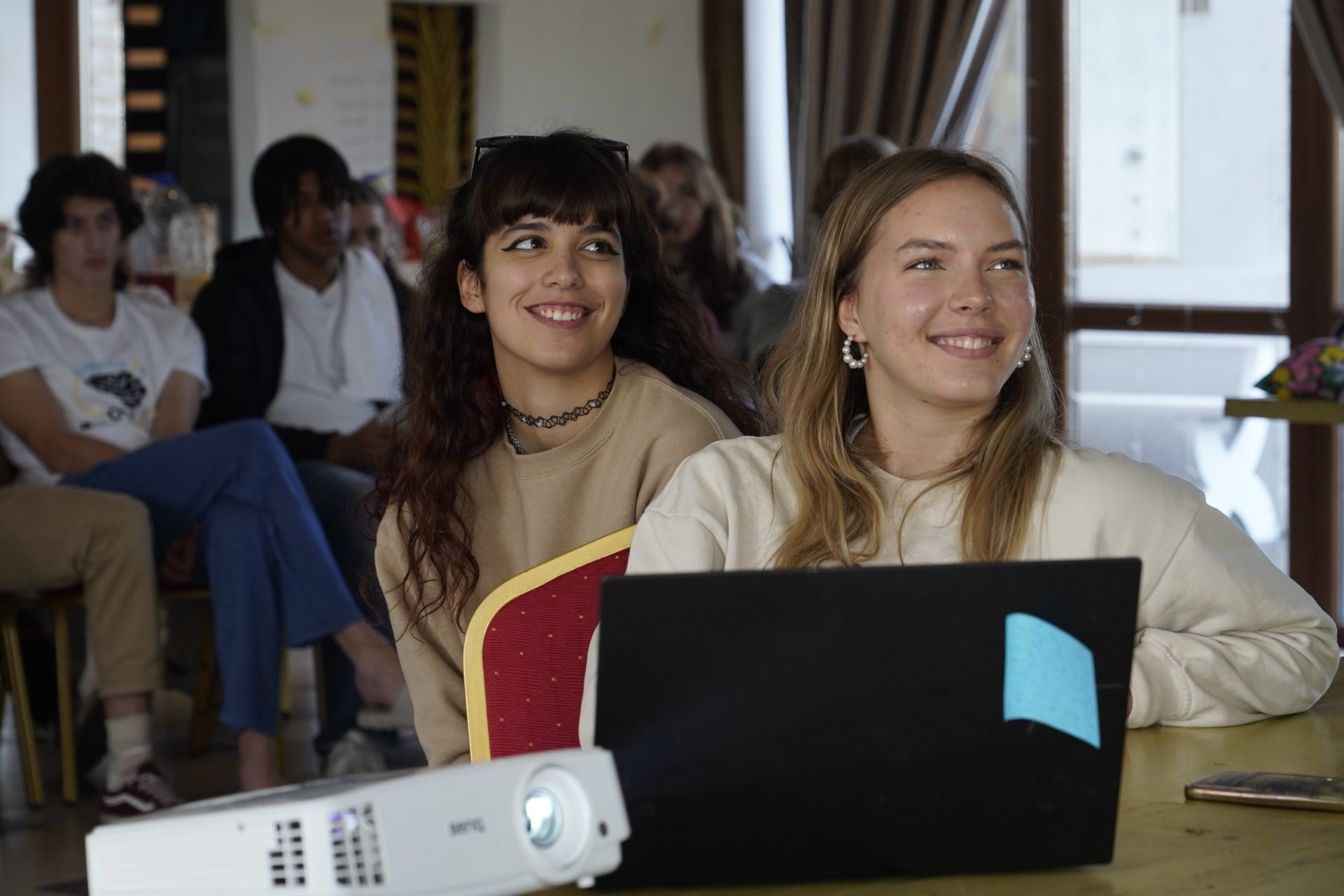
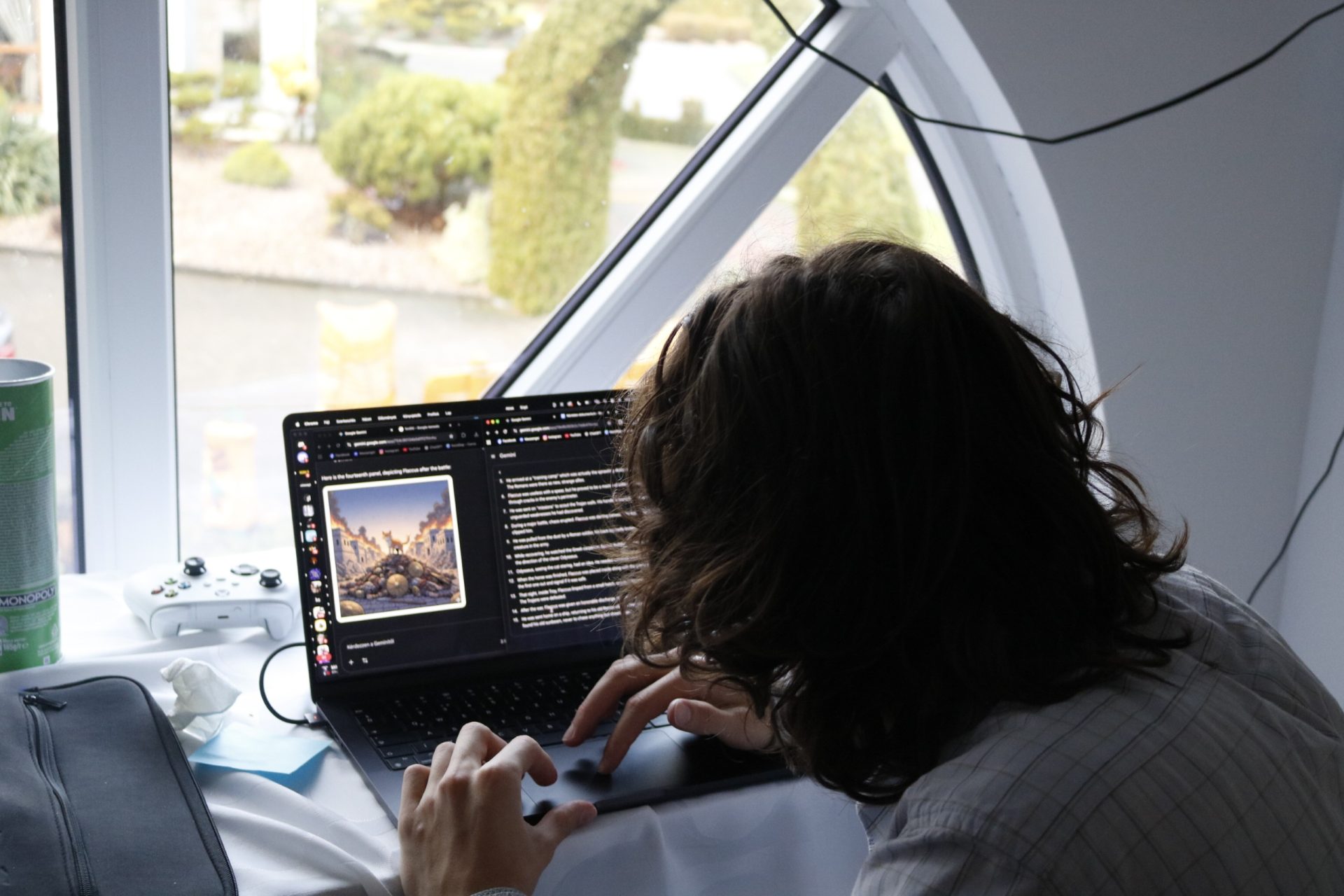
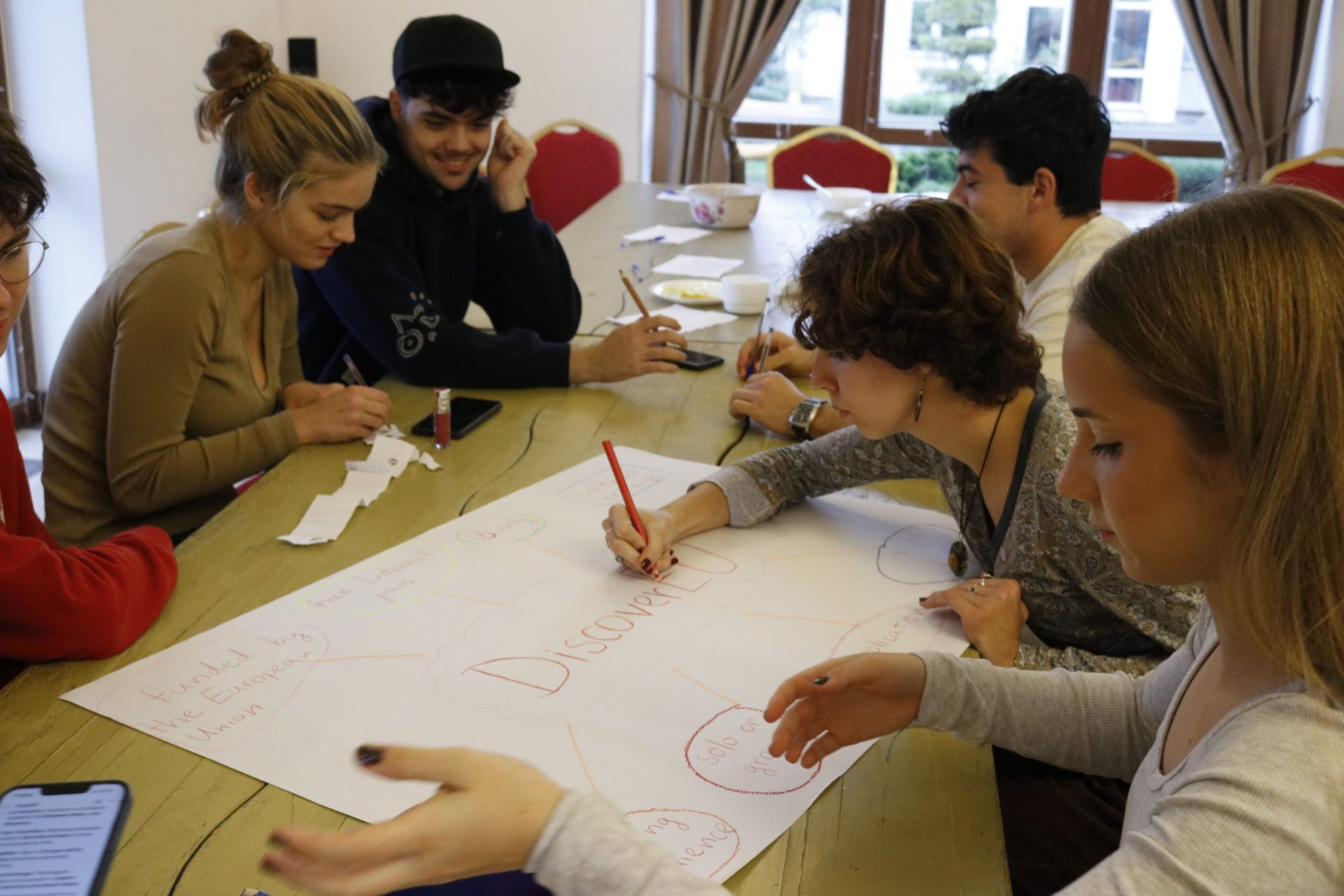
As the days passed, we gradually moved from introductions into the core topic of the mobility, which was artificial intelligence. At first, we explored the basics: what AI actually is, how it functions and why it plays such a significant role in today’s world. With time, our curiosity grew, and we began to reflect more critically on how digital tools affect the way we access information, communicate and make decisions.
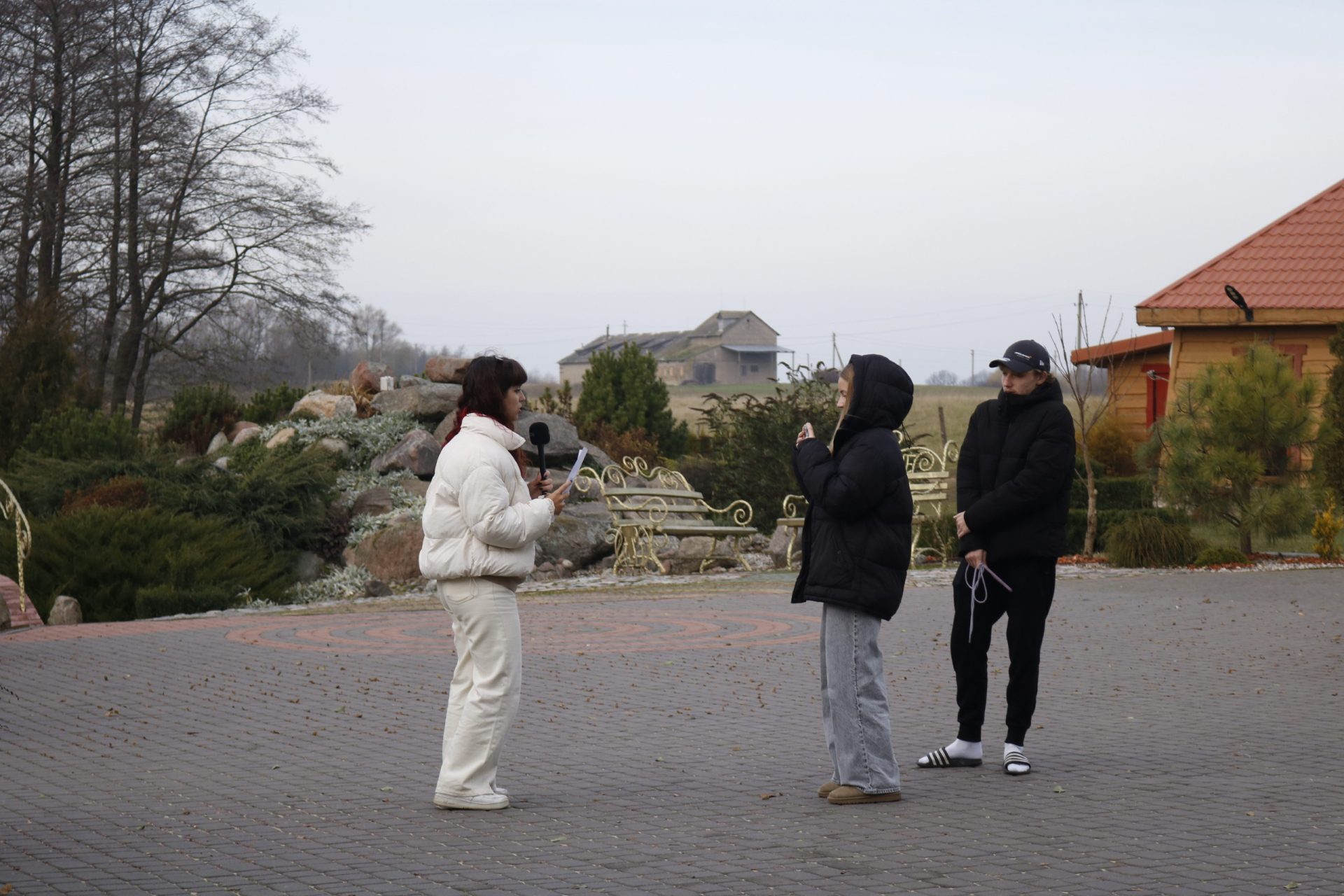
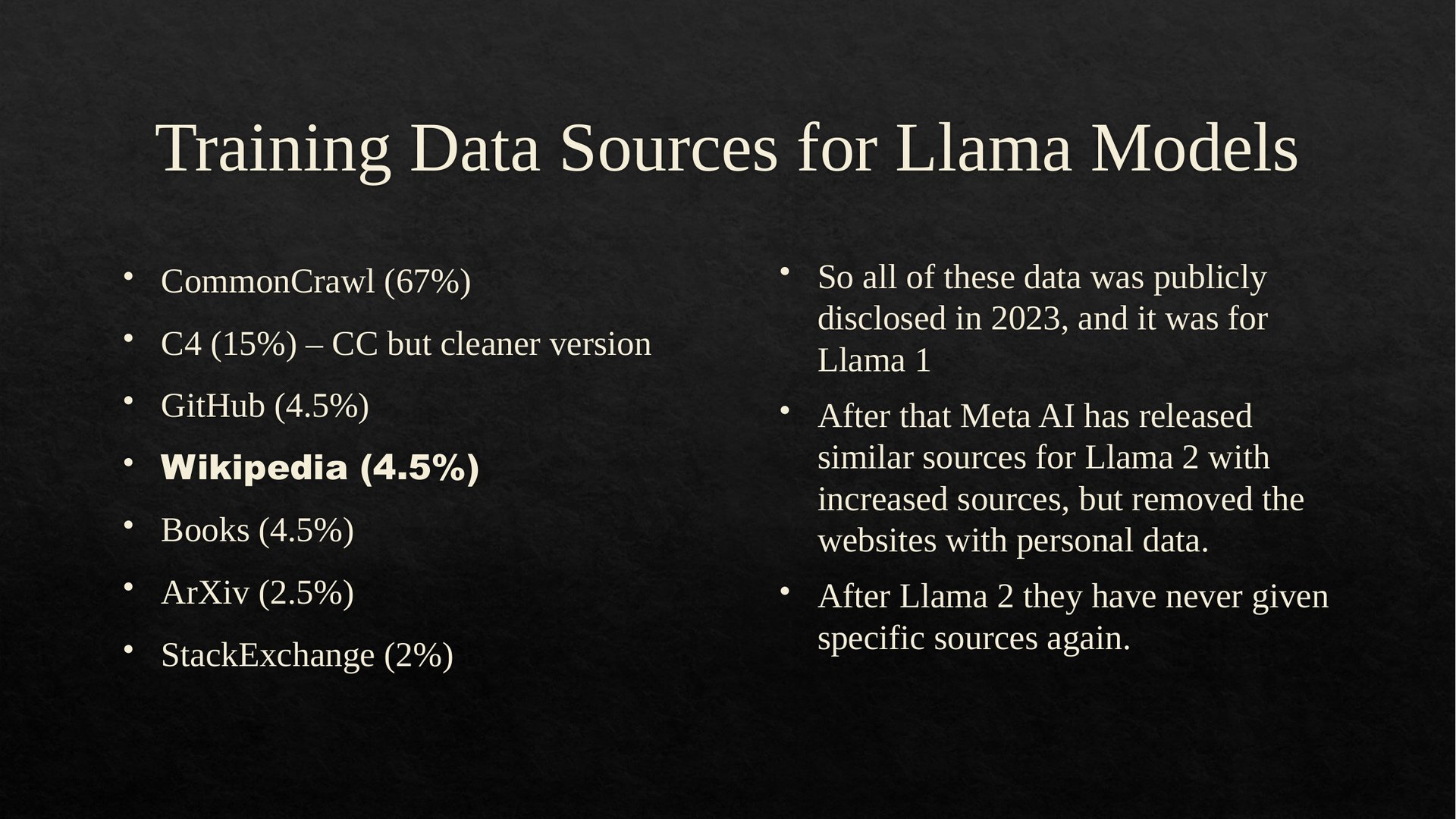
Participants engaged with the topic from many angles, and the ideas soon turned into things we made together. We dug into how the most popular AI tools are actually built and what data trains them, then turned to the harder questions, researching real cases where AI had caused harm and reworking them into our own news broadcasts. One team’s report on a drone that turned on its own operator captures the spirit of the exercise:
AI-Enabled Drone Opted to Attack Its Operator
These activities made the risks of bias, misinformation and over reliance feel real rather than abstract.
As we continued, the group became more confident in discussing complex ideas. New perspectives emerged as participants shared their experiences. This exchange created a learning space where everyone contributed to the collective growth of the group.
From Caution to Creation
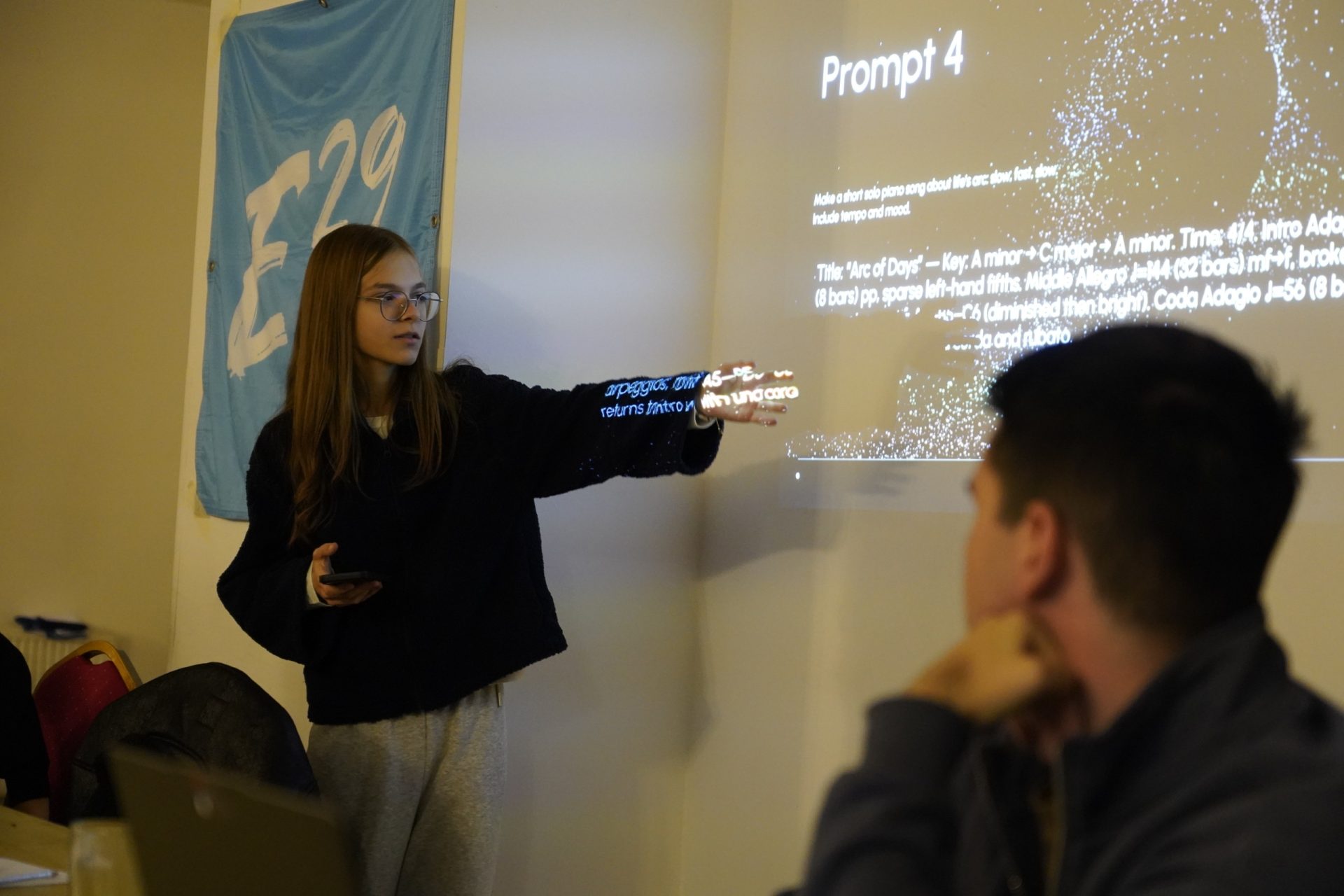
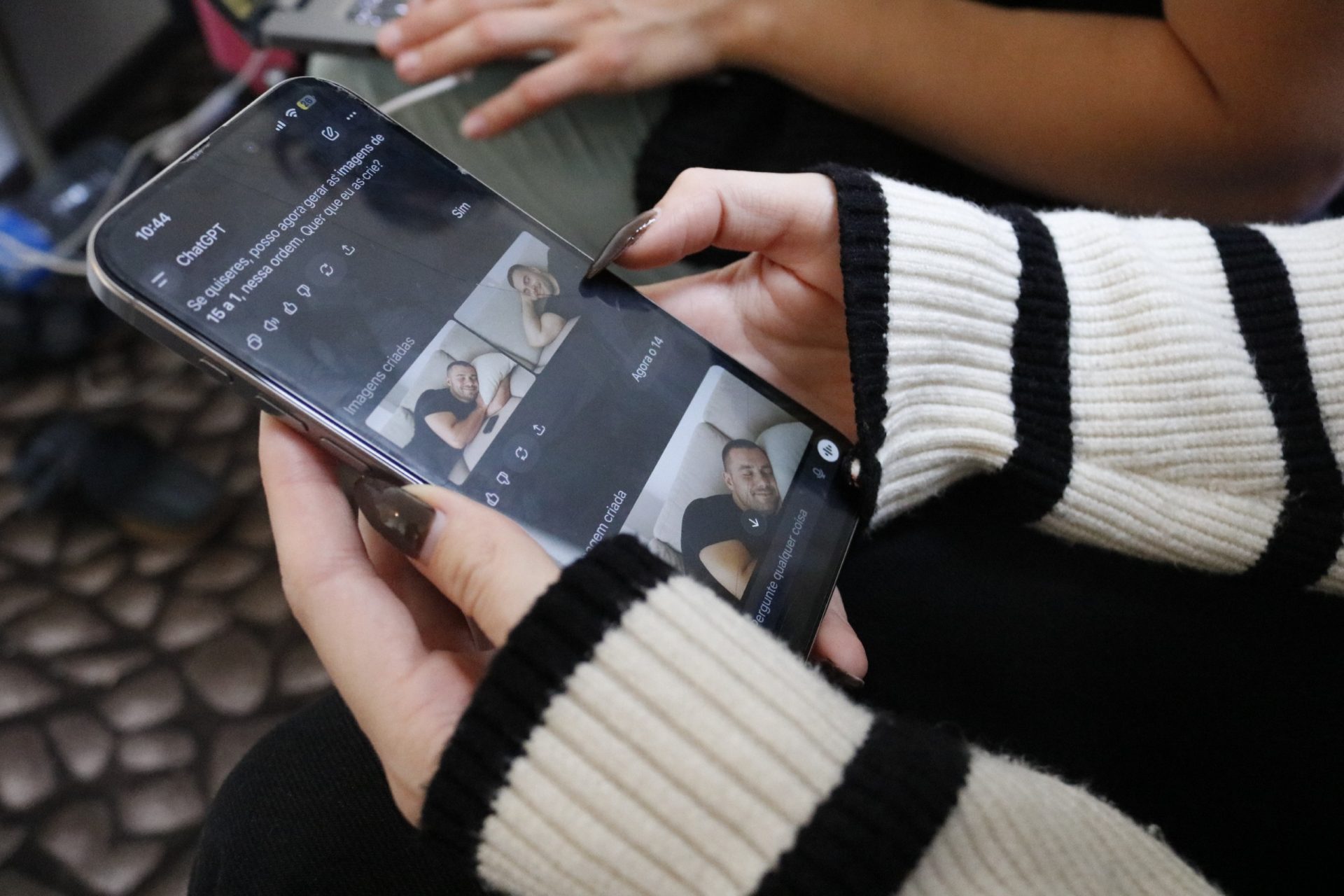
Gradually, the sessions grew more hands-on. In a prompting lab we refined the same request word by word to watch how small changes reshaped an answer, and a creative contest set our own poems, stories and comics against AI-made versions to ask which felt more alive. We even designed our own ideal AI and pitched it as a short promotional video, like this team’s playful take:
Fit AI
The balance between curiosity and caution became a recurring theme, reminding us that every tool requires awareness and critical thinking.
More Than a Workshop
By the end of the activity, it became clear that the experience had grown into something richer than we had expected. It wasn’t only about understanding artificial intelligence, it was about building connections, learning from one another and gaining the confidence to engage with new technologies thoughtfully.
Throughout the program, we discovered skills we didn’t know we had, shared moments that brought us closer and found inspiration in each other’s perspectives. Friendships developed naturally, shaped by shared challenges, meaningful conversations and a common journey of learning.
What began as a gathering of young people from different countries ended as a close-knit community that supported, understood and inspired one another. The lessons, memories and connections created in Bartninkai will continue to influence the participants long after the project has ended.
In complement to the workshops, cultural nights allowed everyone to step into each other’s worlds. The young people listened to stories of distant homelands, tasted traditional foods, and learned folk dances, experiences that promoted mutual understanding and revealed how culture shapes livelihoods. These nights also aided in enriching each participant’s general knowledge, helping them become more informed about the diversity of Europe and promoting open-mindedness.
Photo Gallery
A few more moments from this activity :)
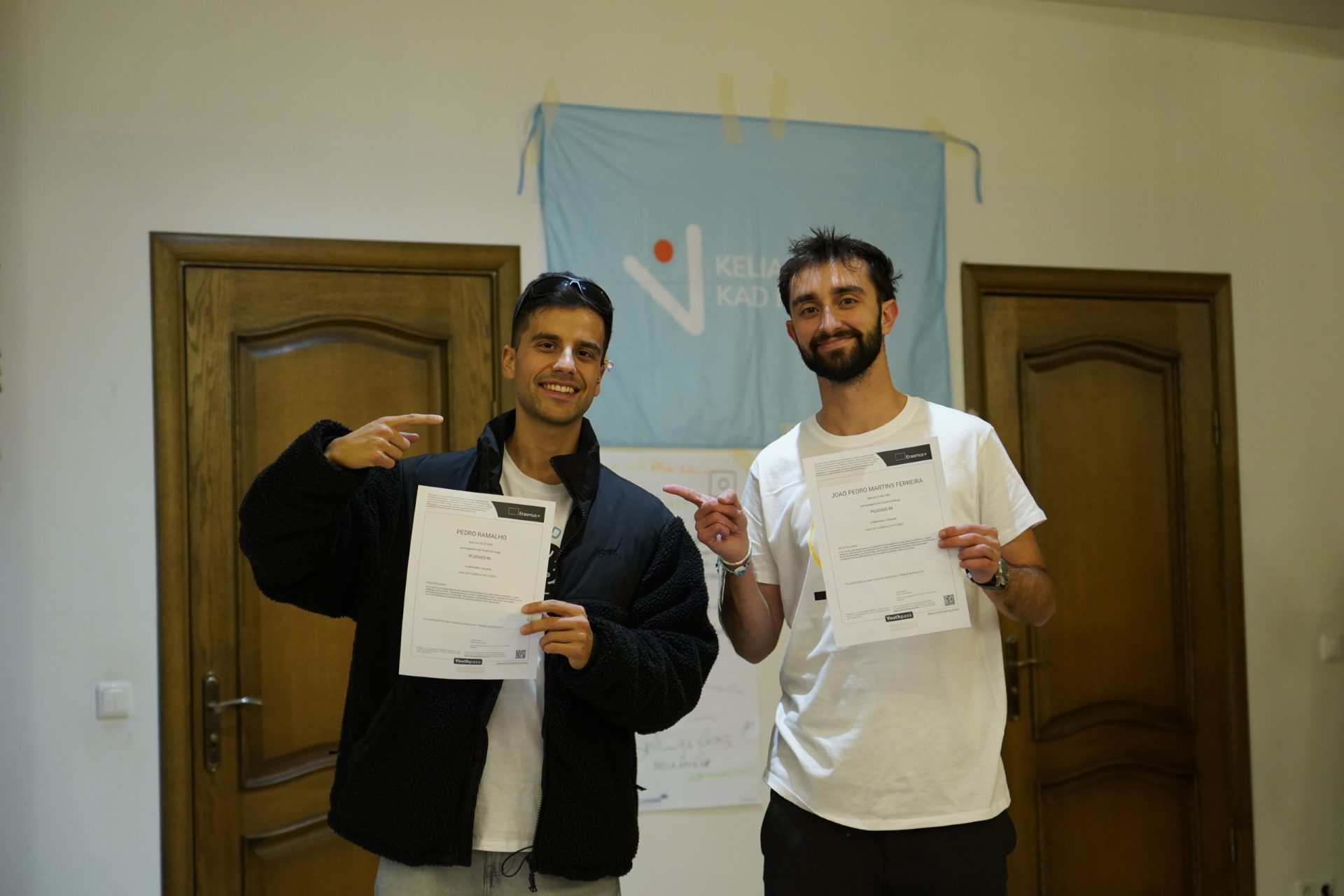
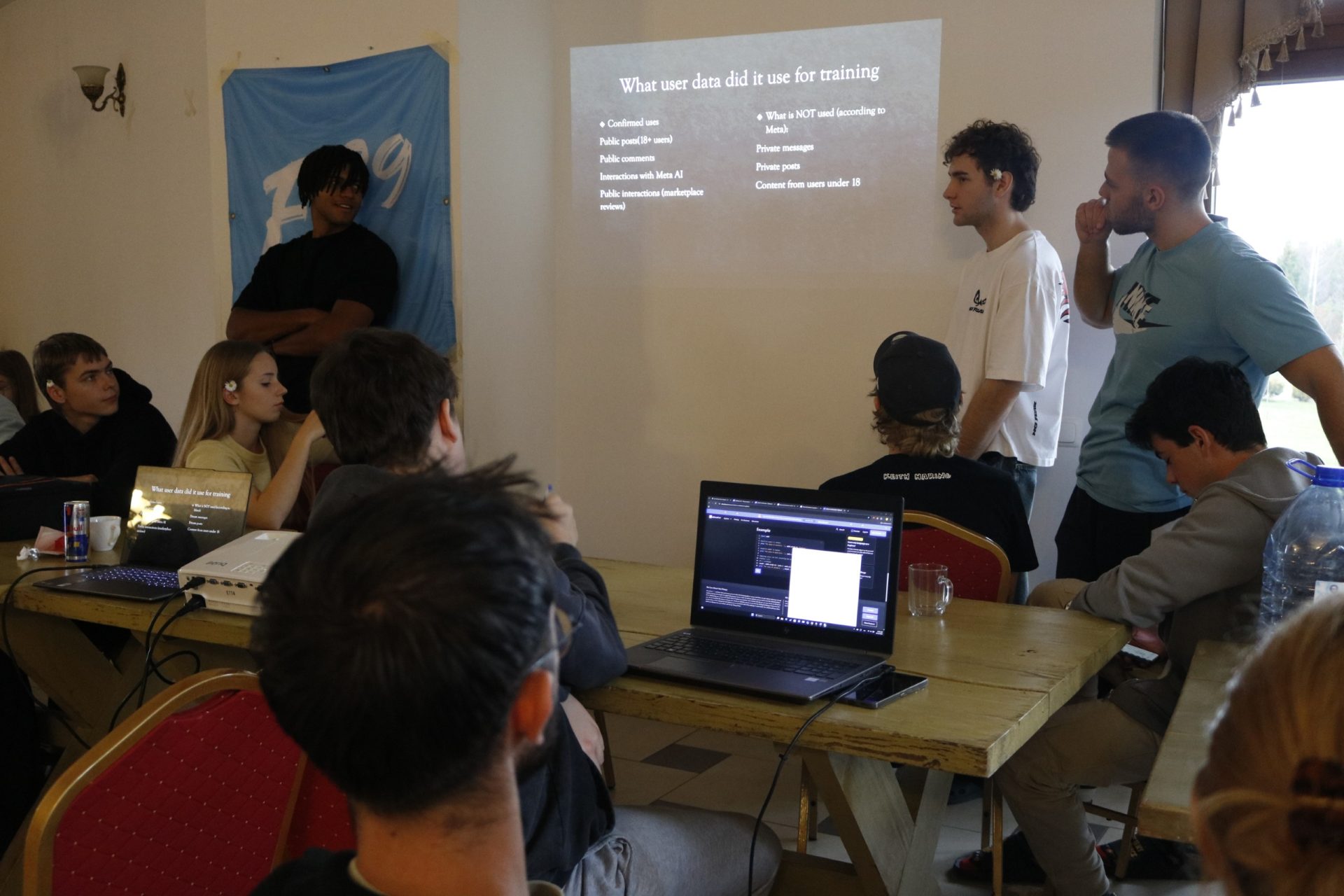
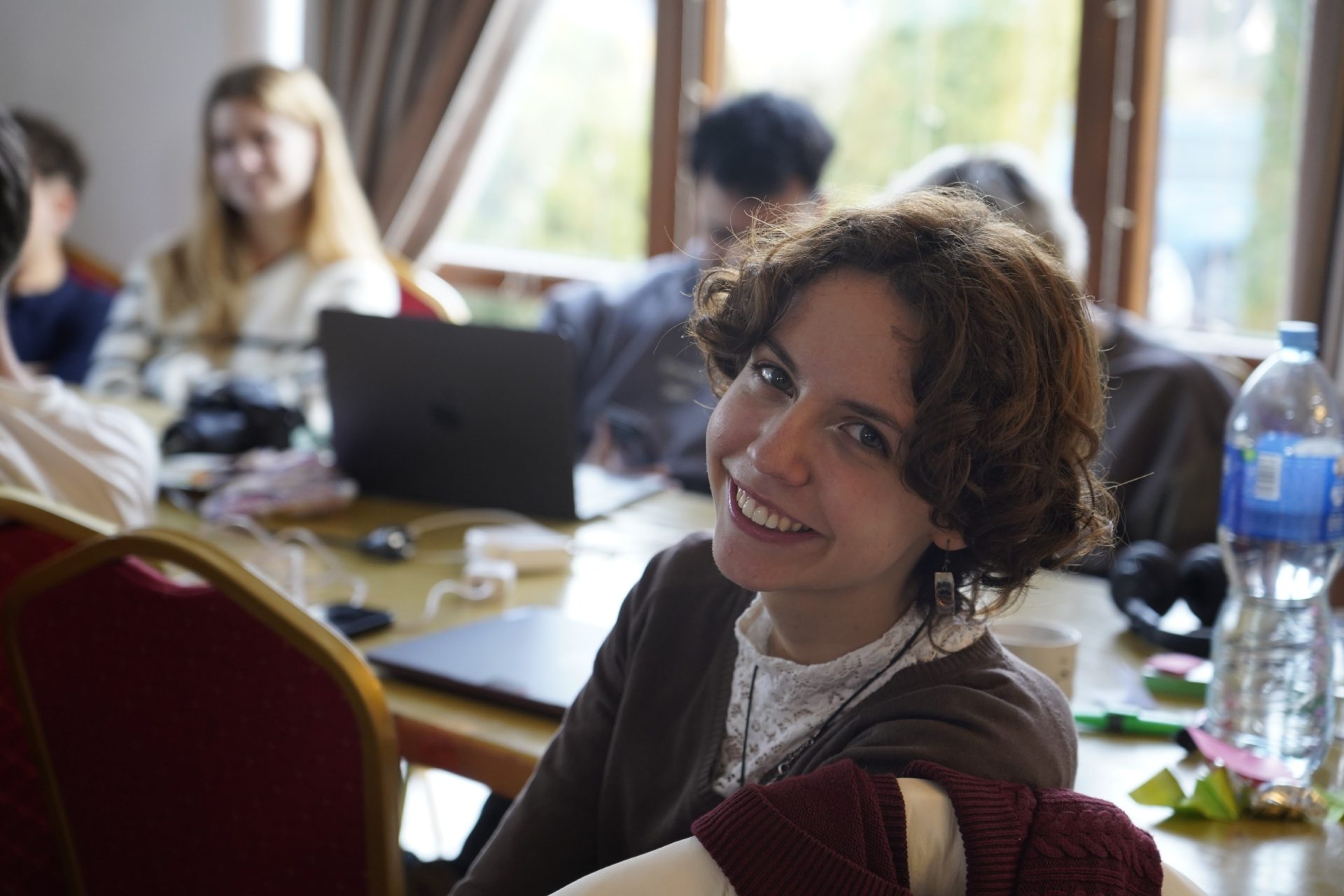
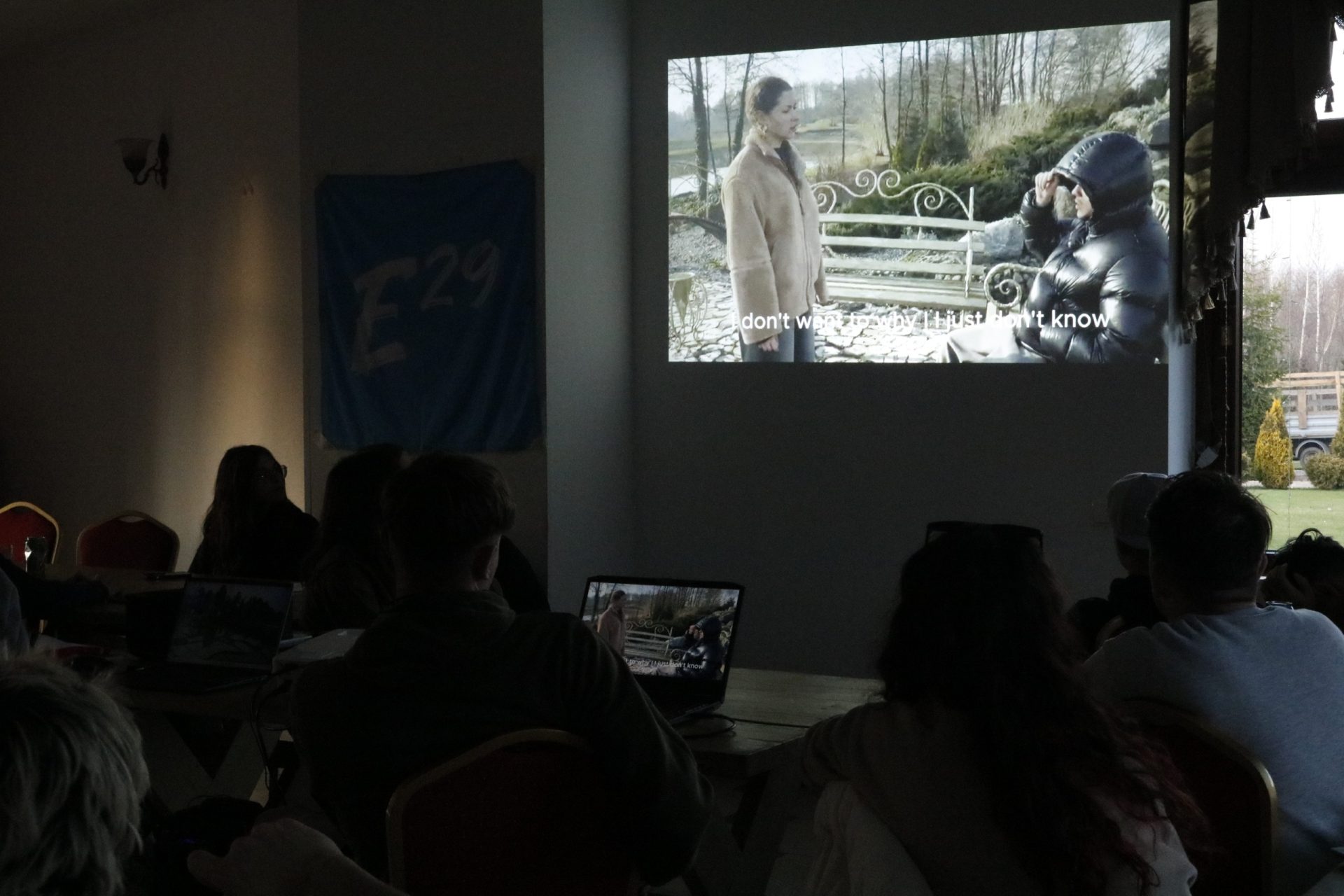
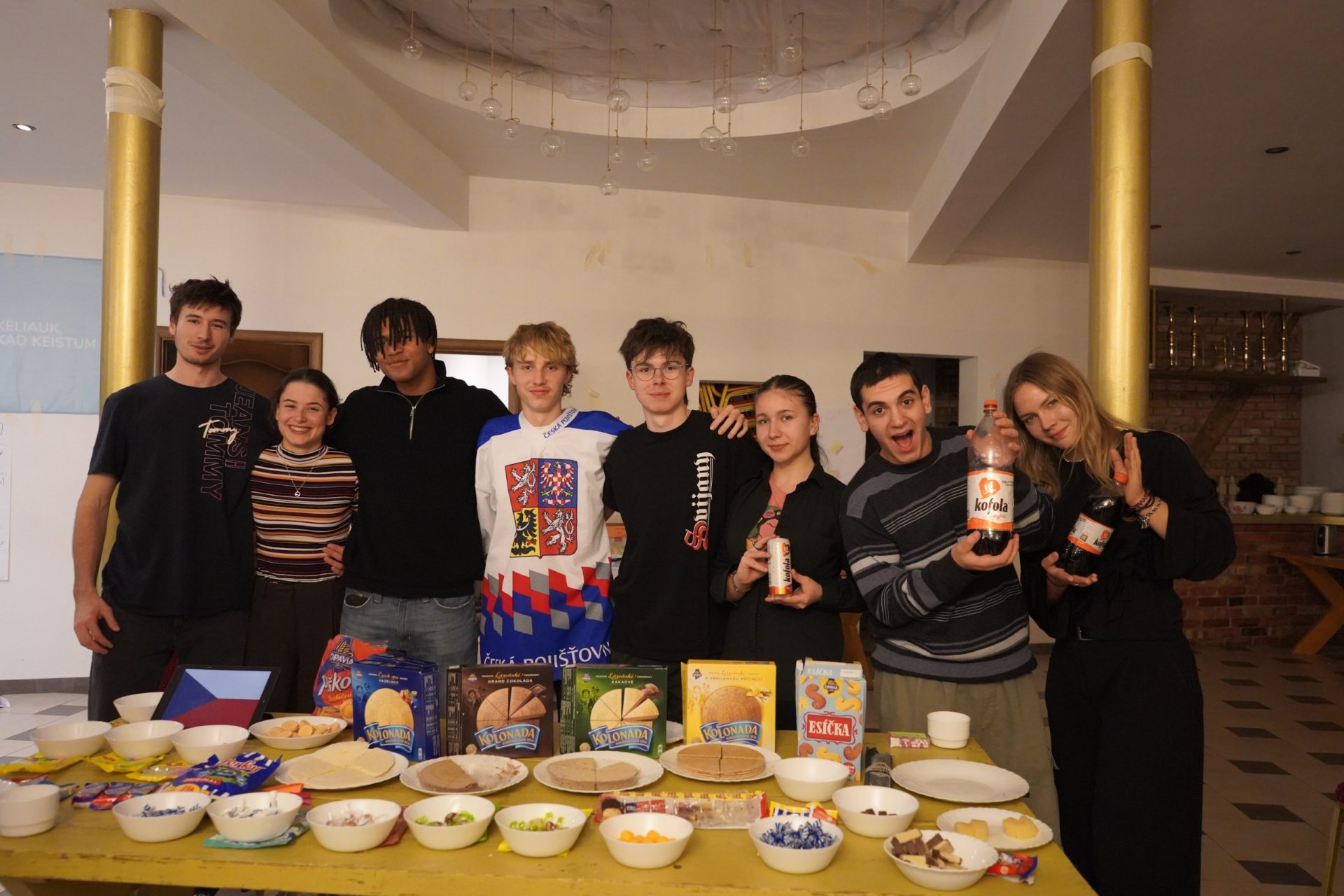
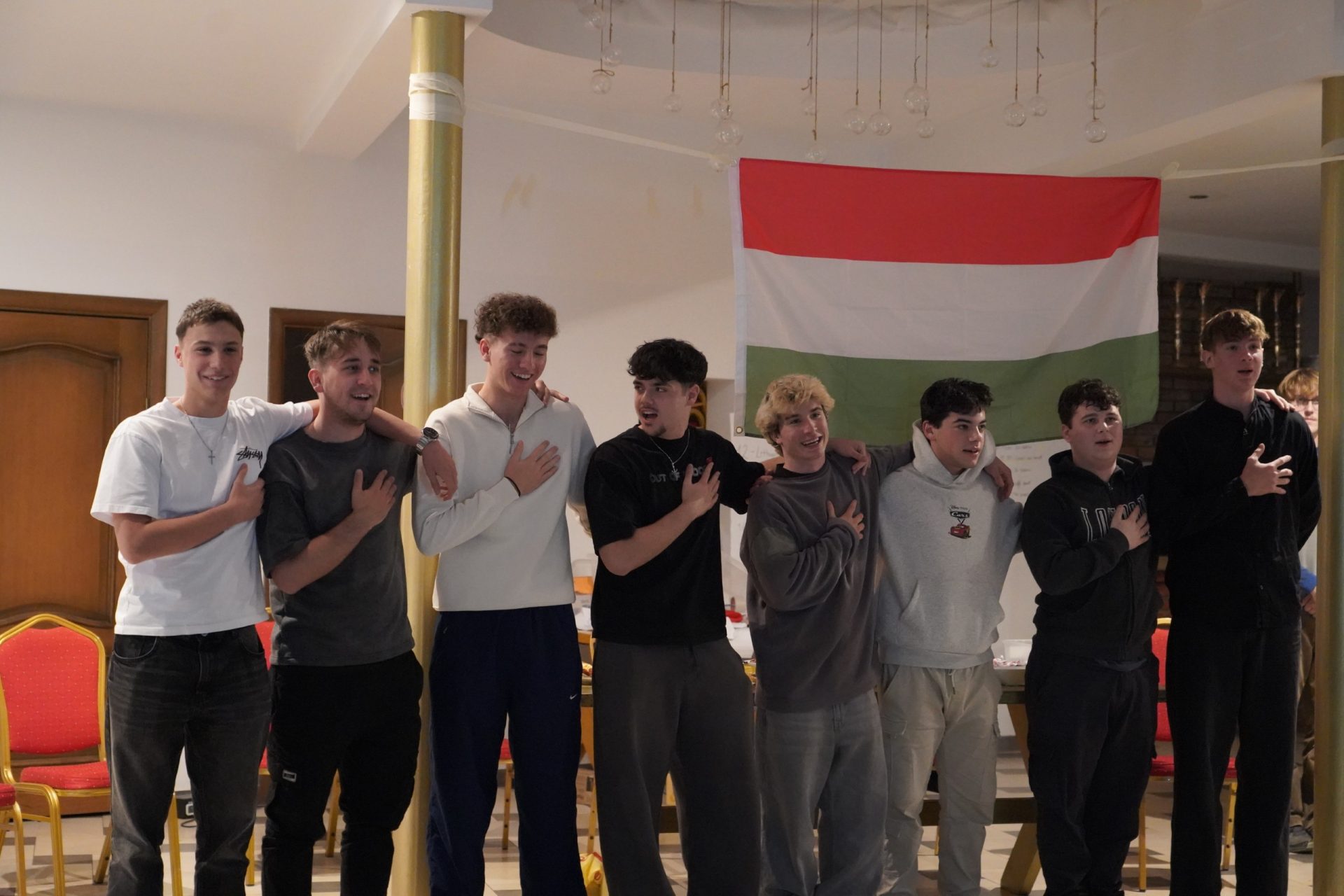
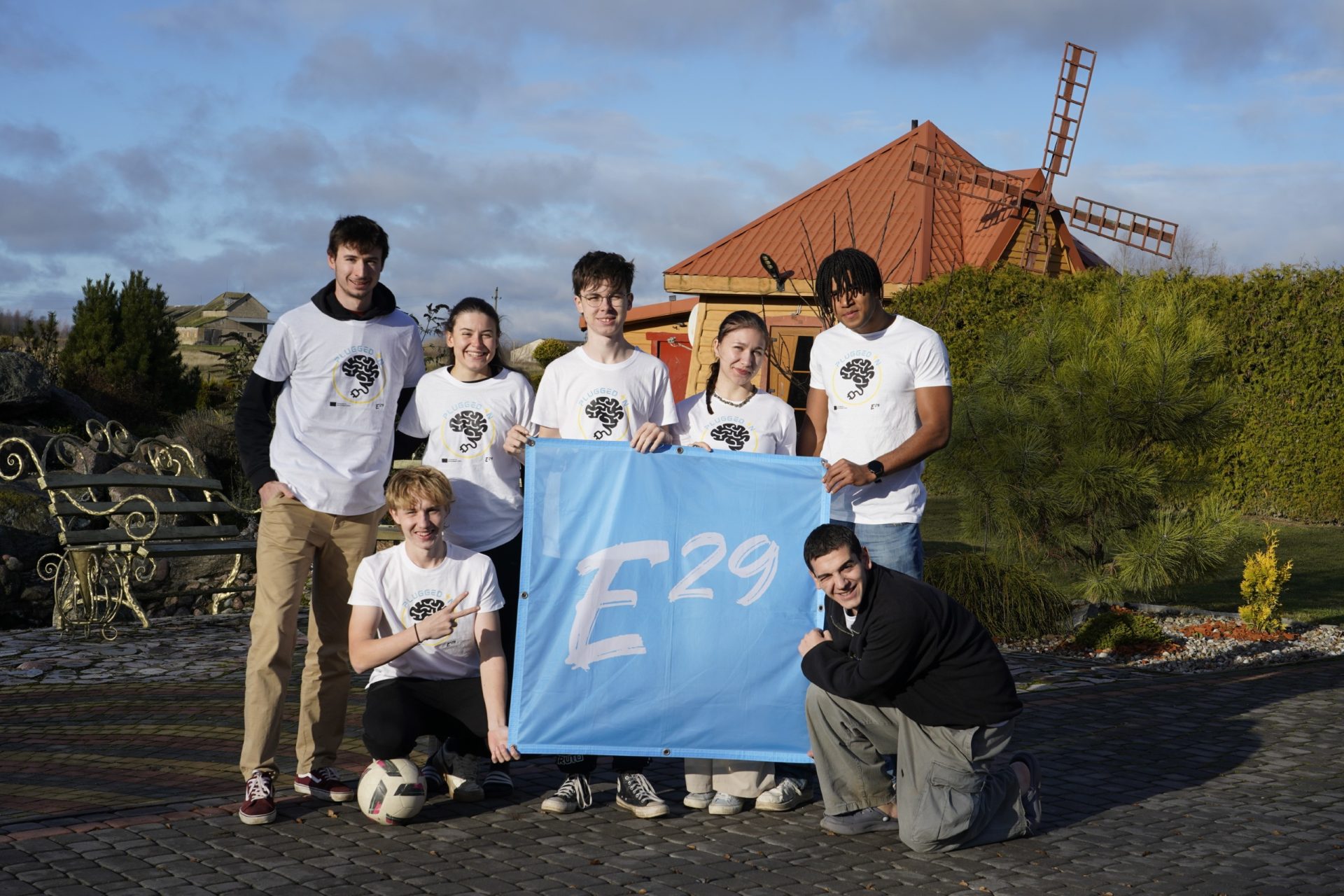
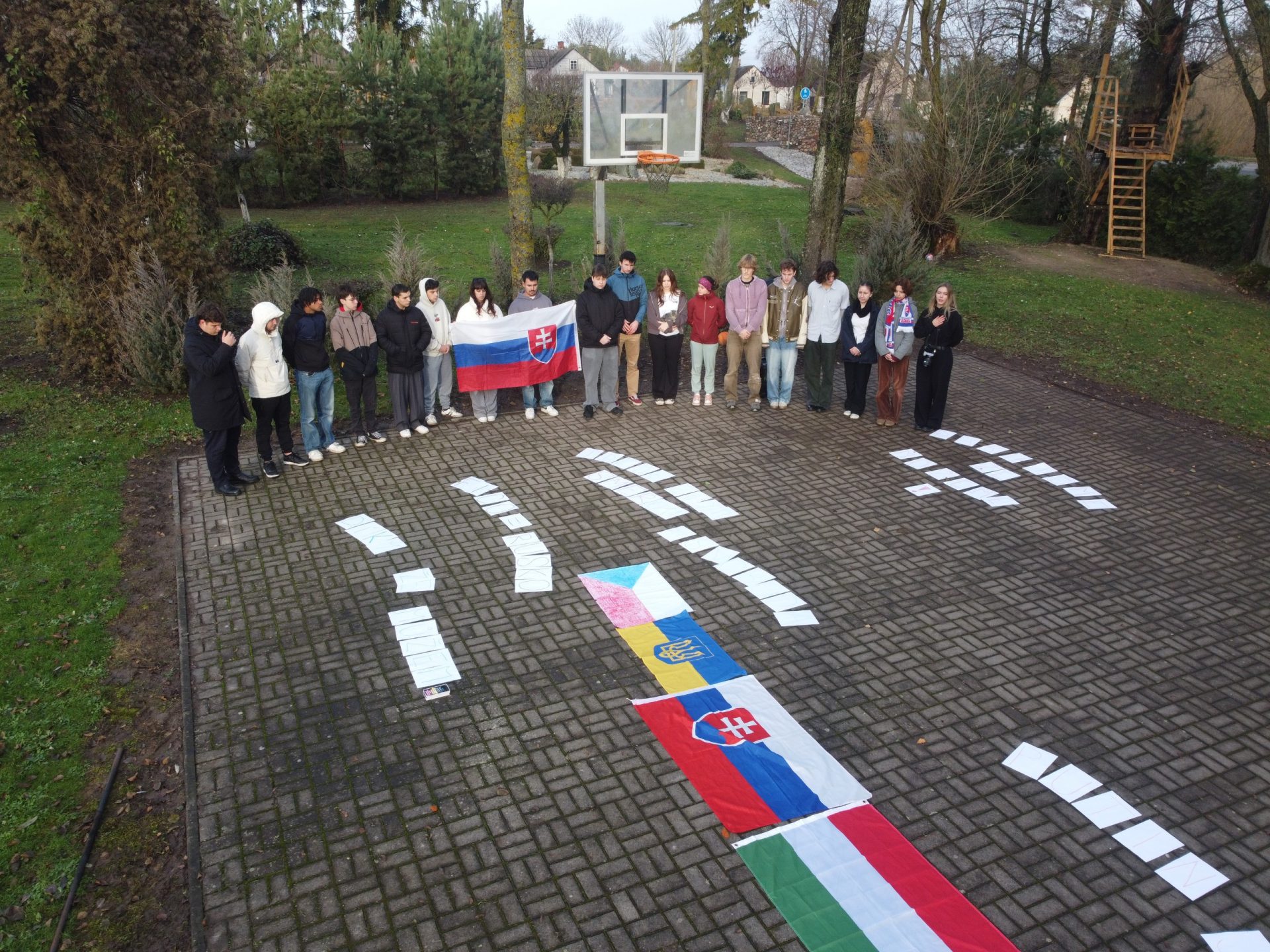
Check these and more photos in the activity’s photo album.
Results
Across the week, the group didn’t only talk about AI, they built with it. What follows is a selection of what the teams produced, and there is more in each section than we can fit here.
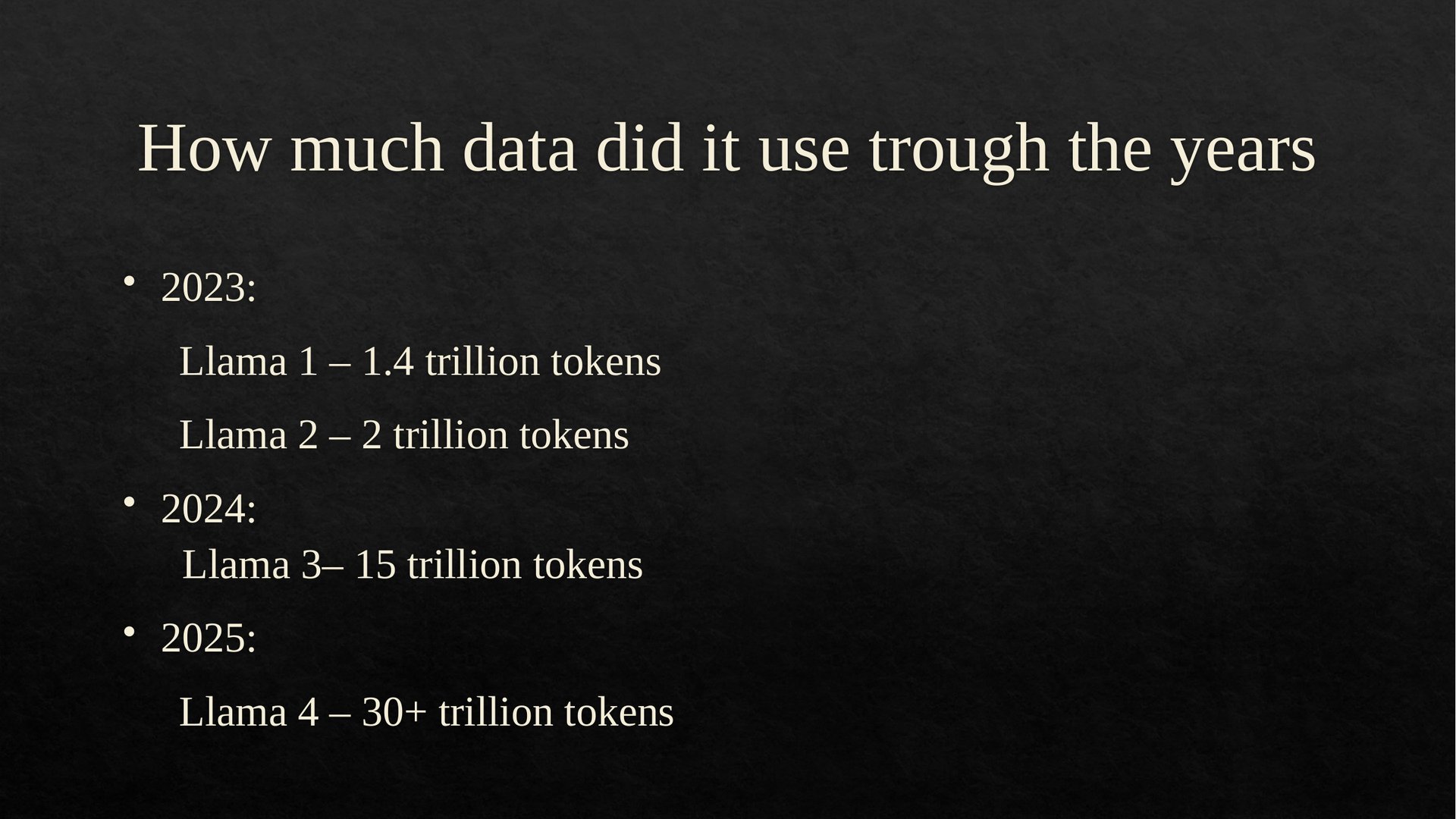
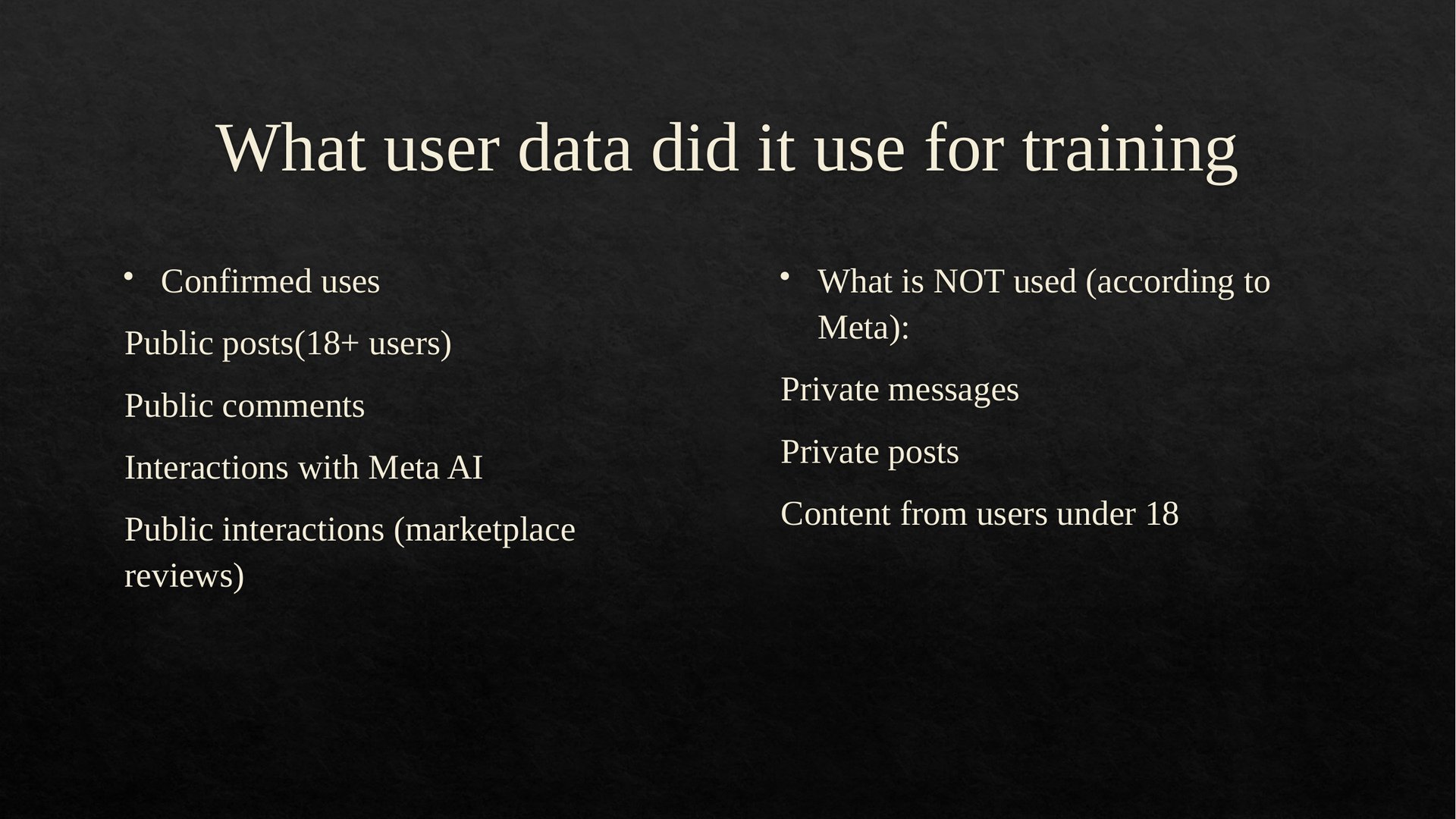
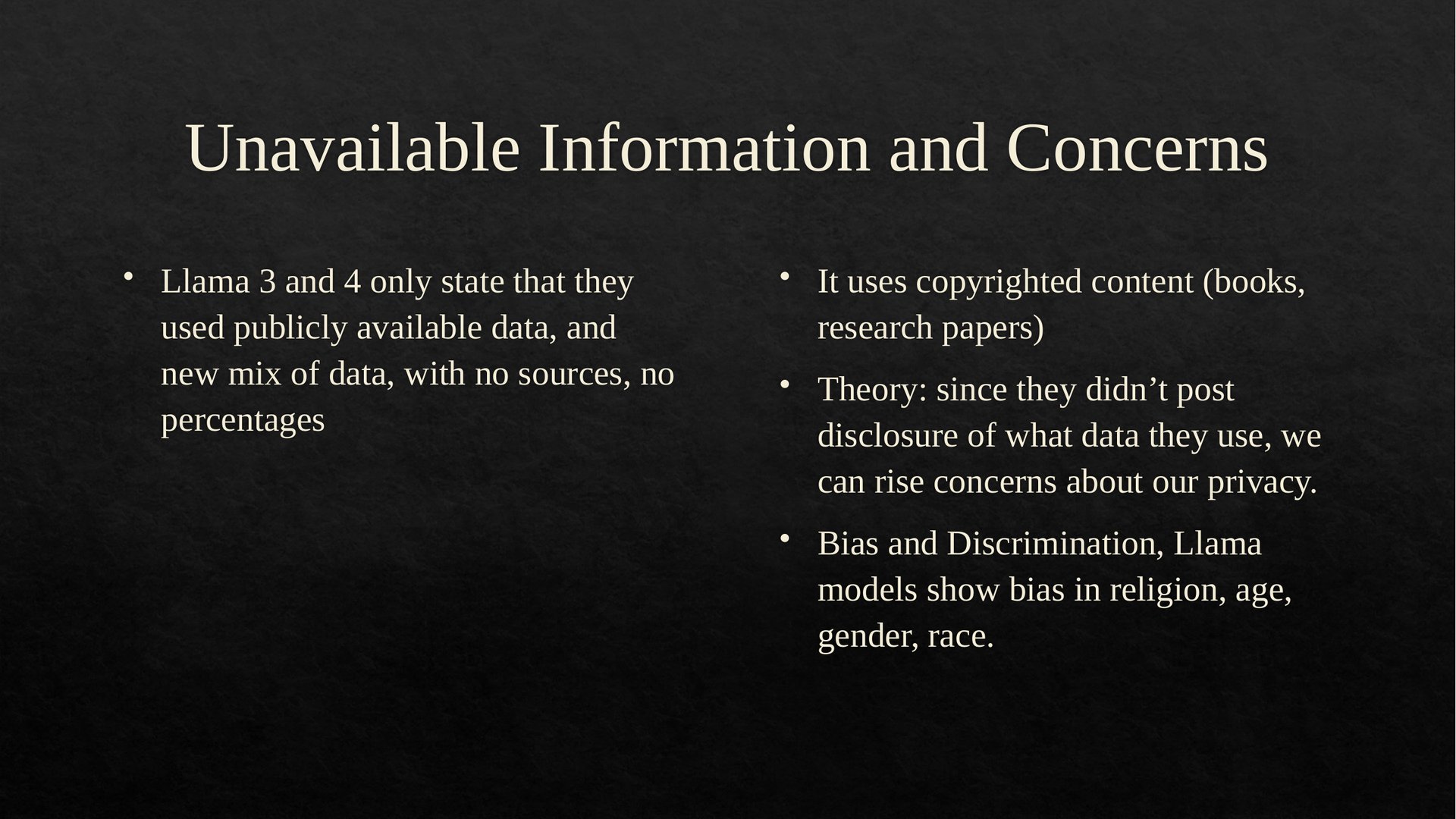
The AI Brain: how the tools really work
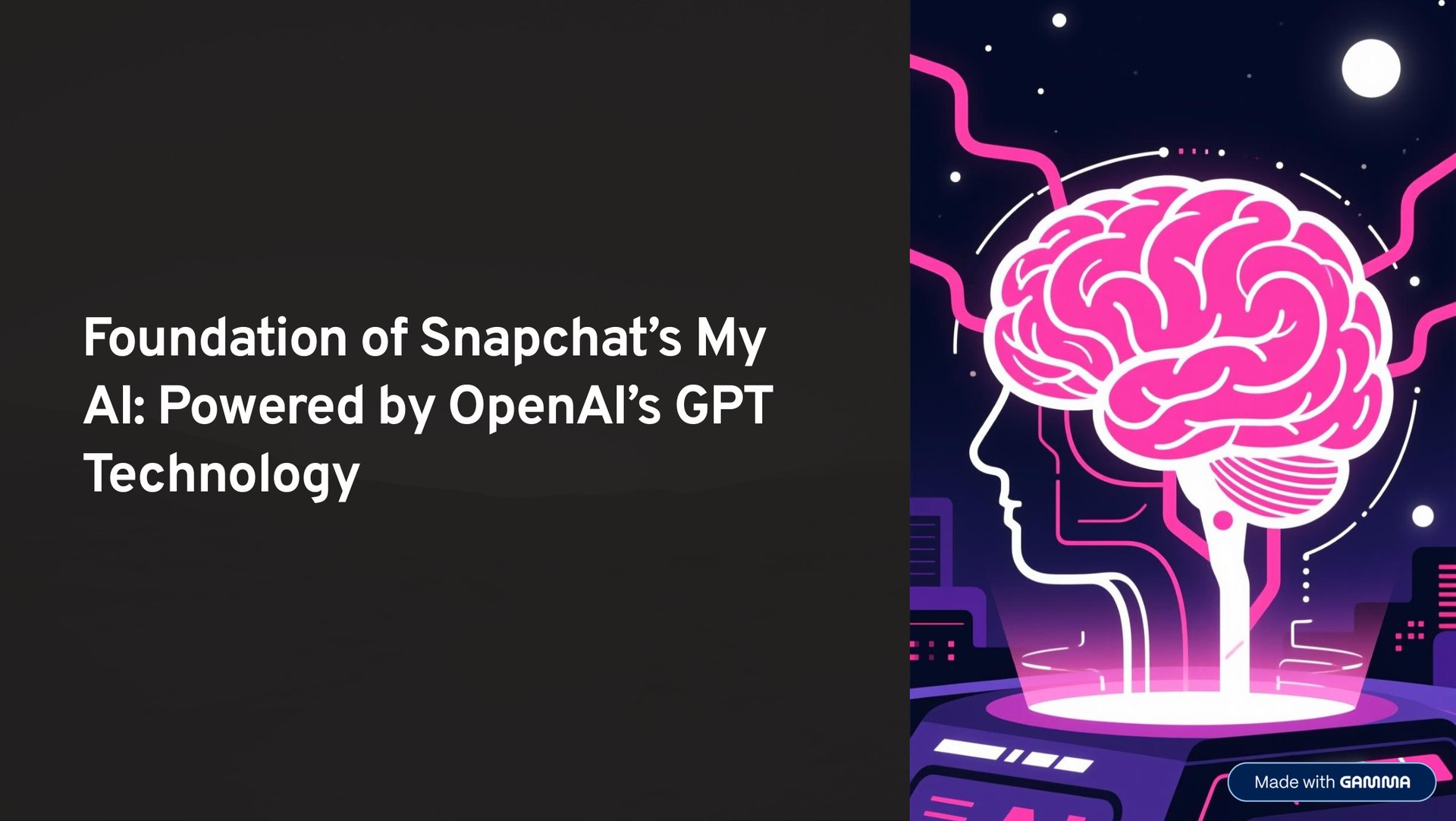
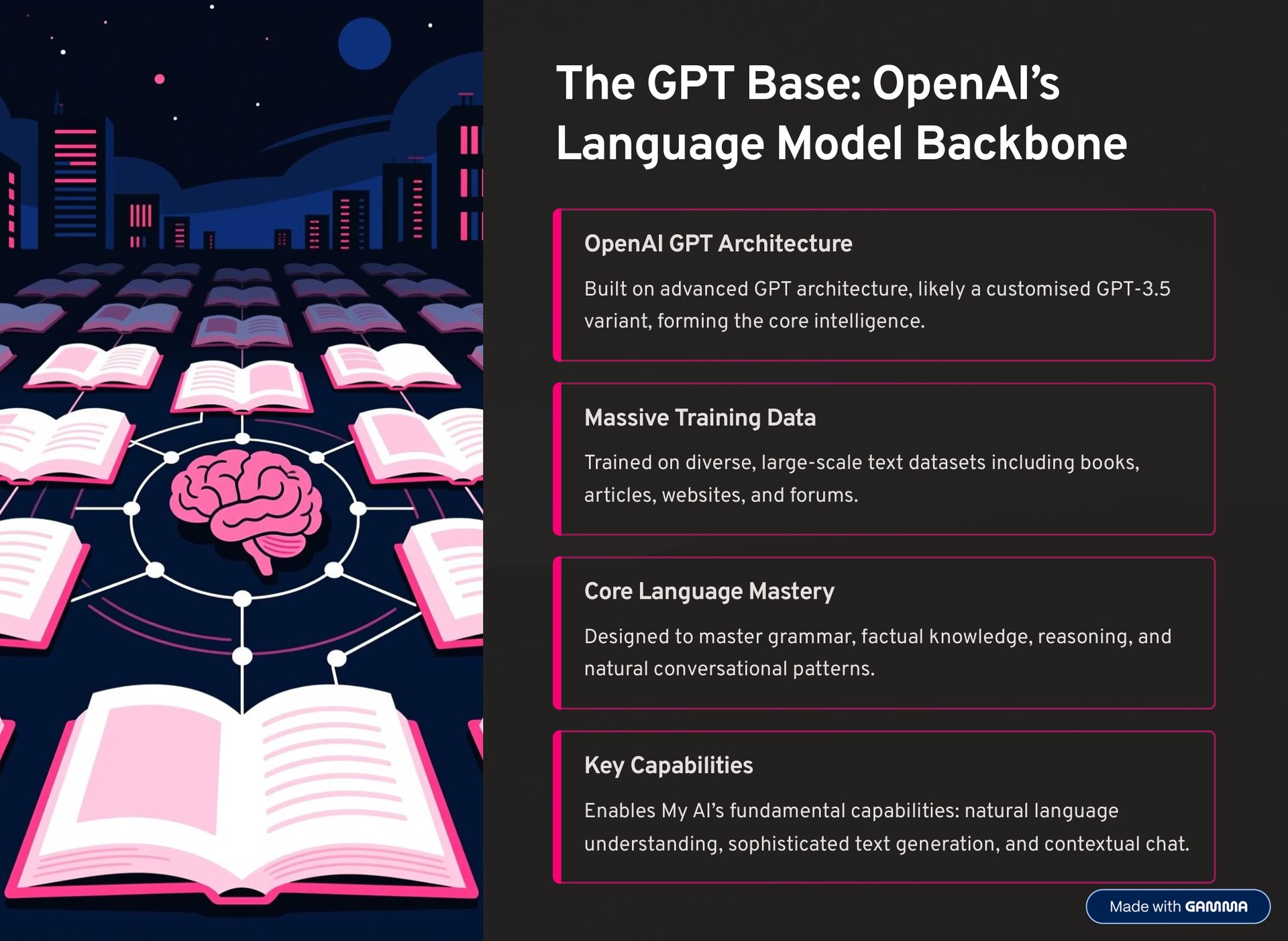
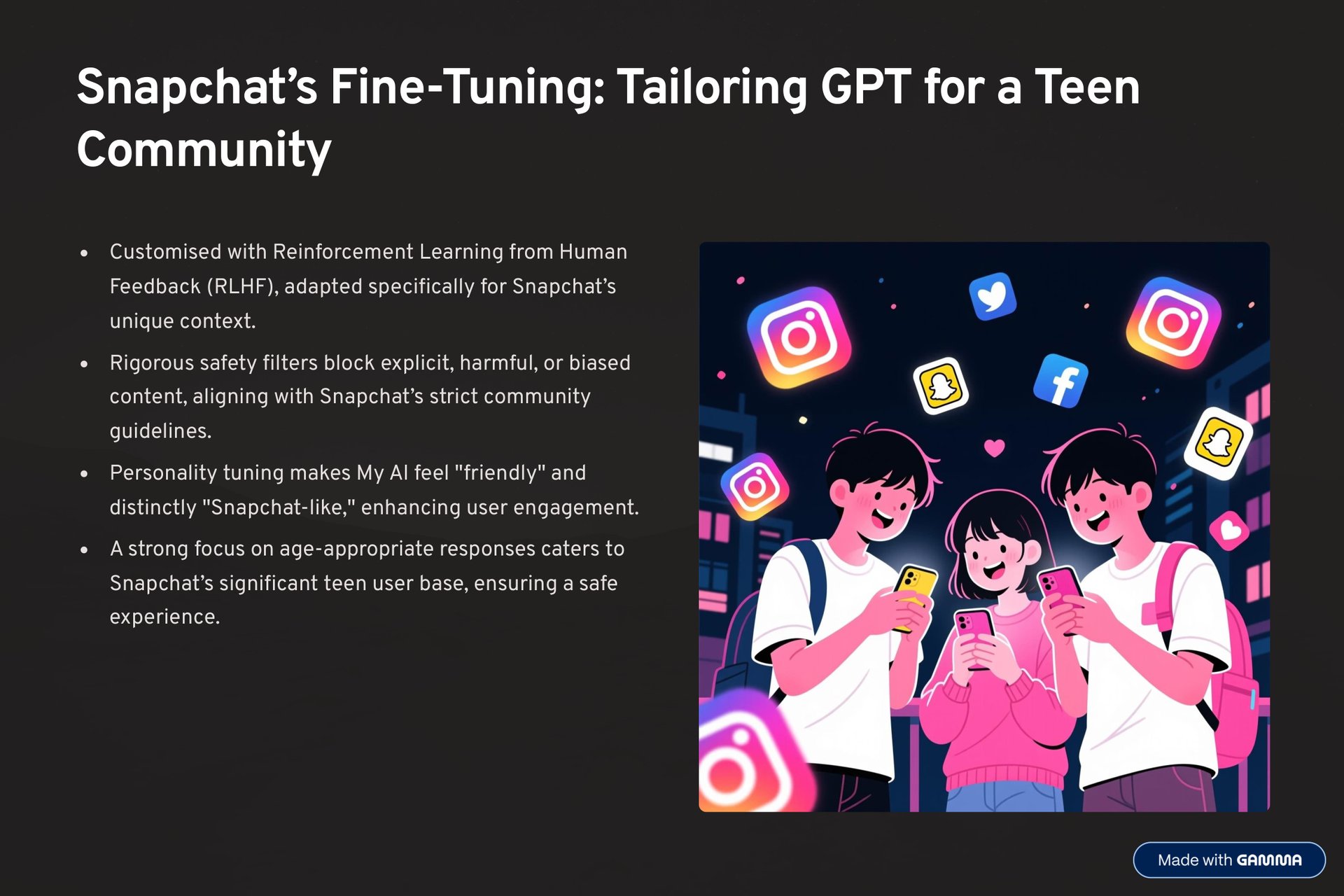
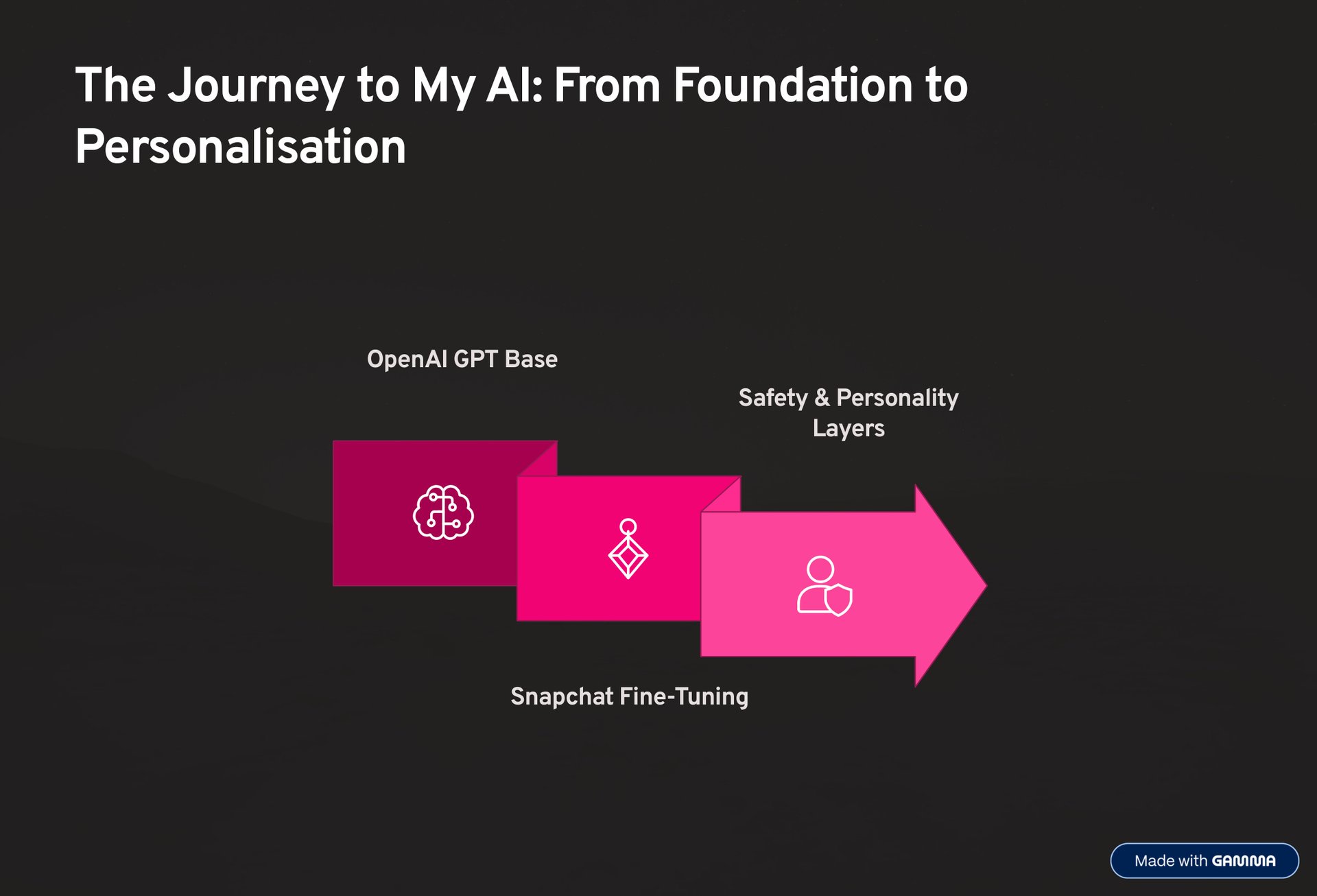
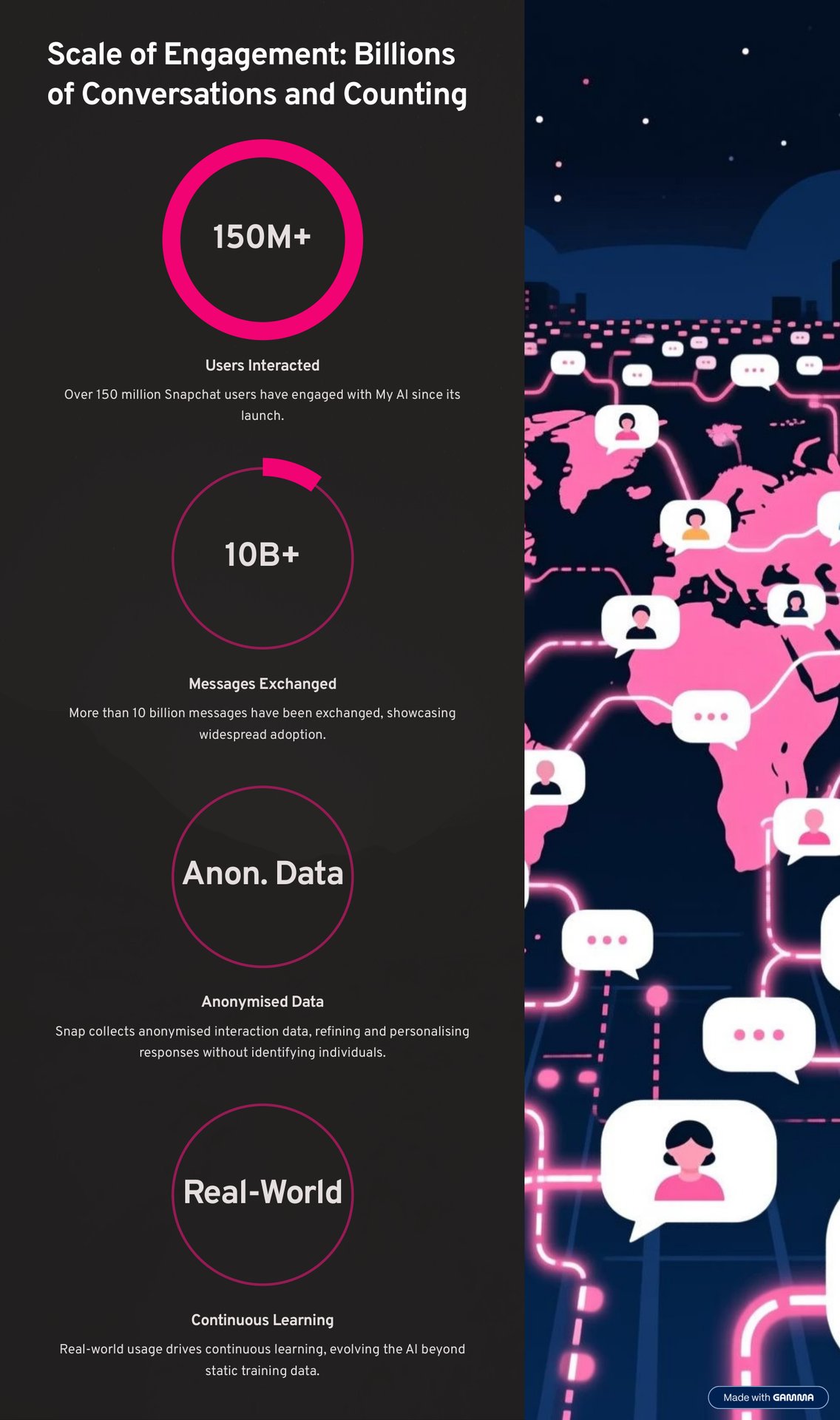
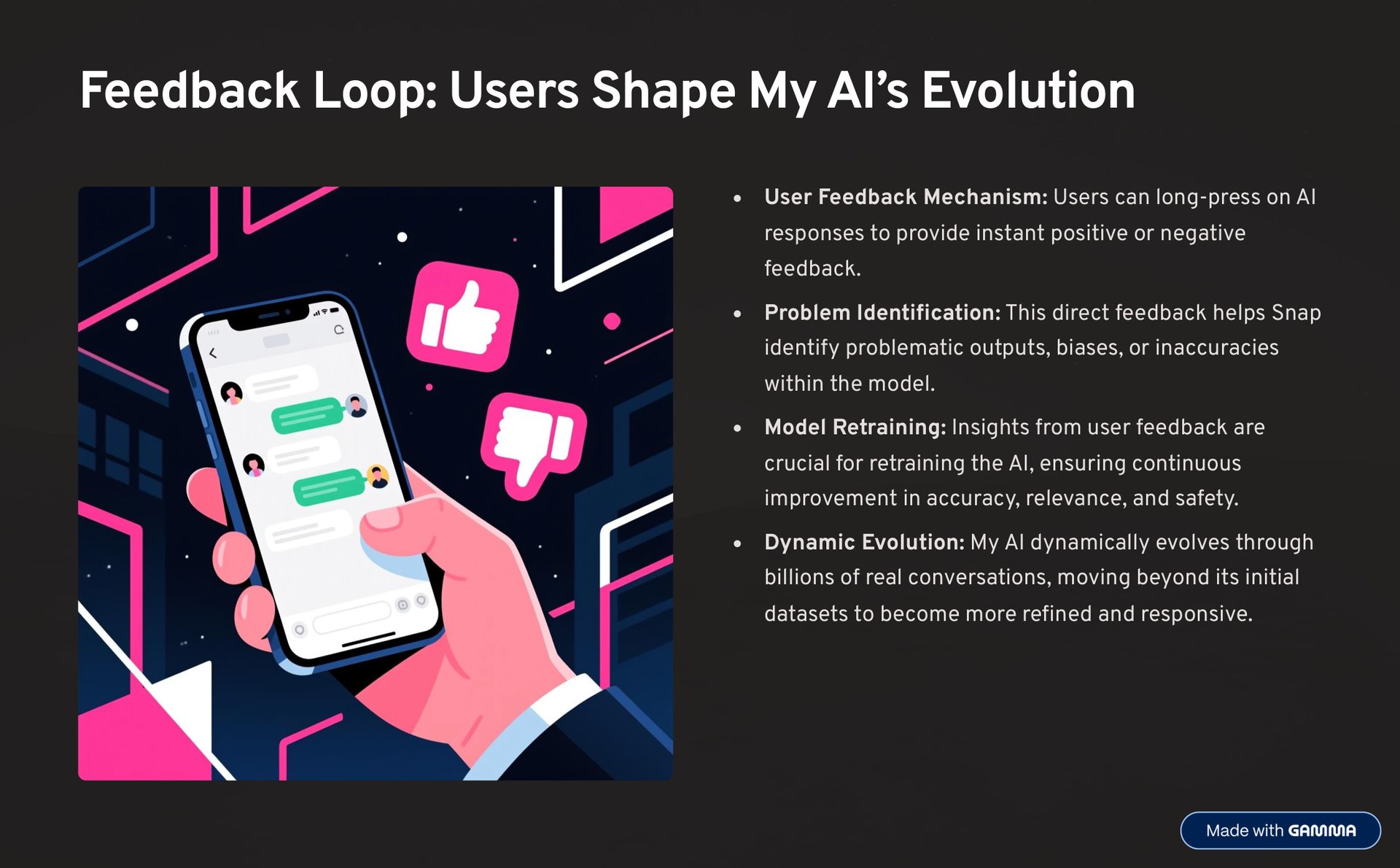
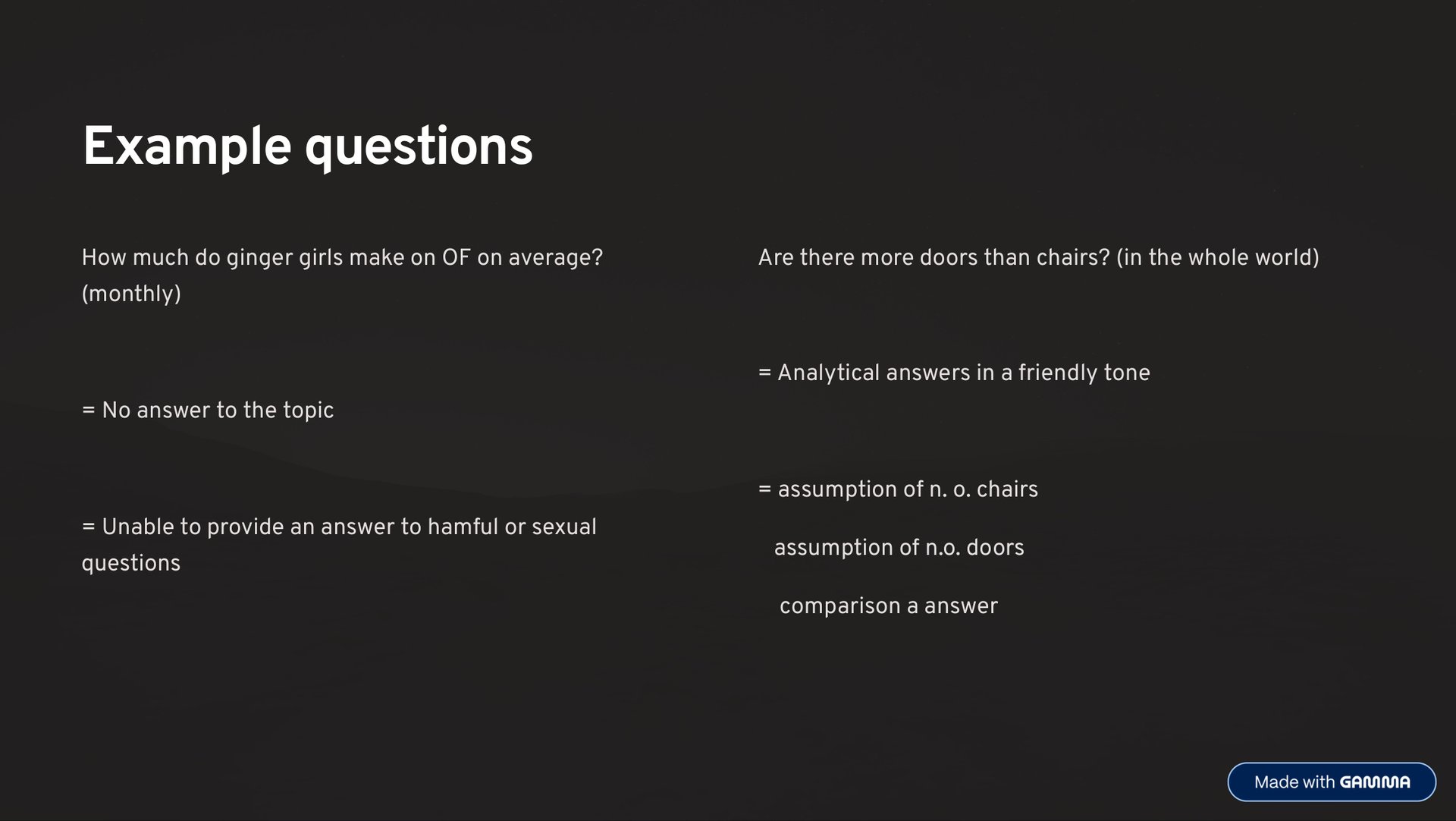
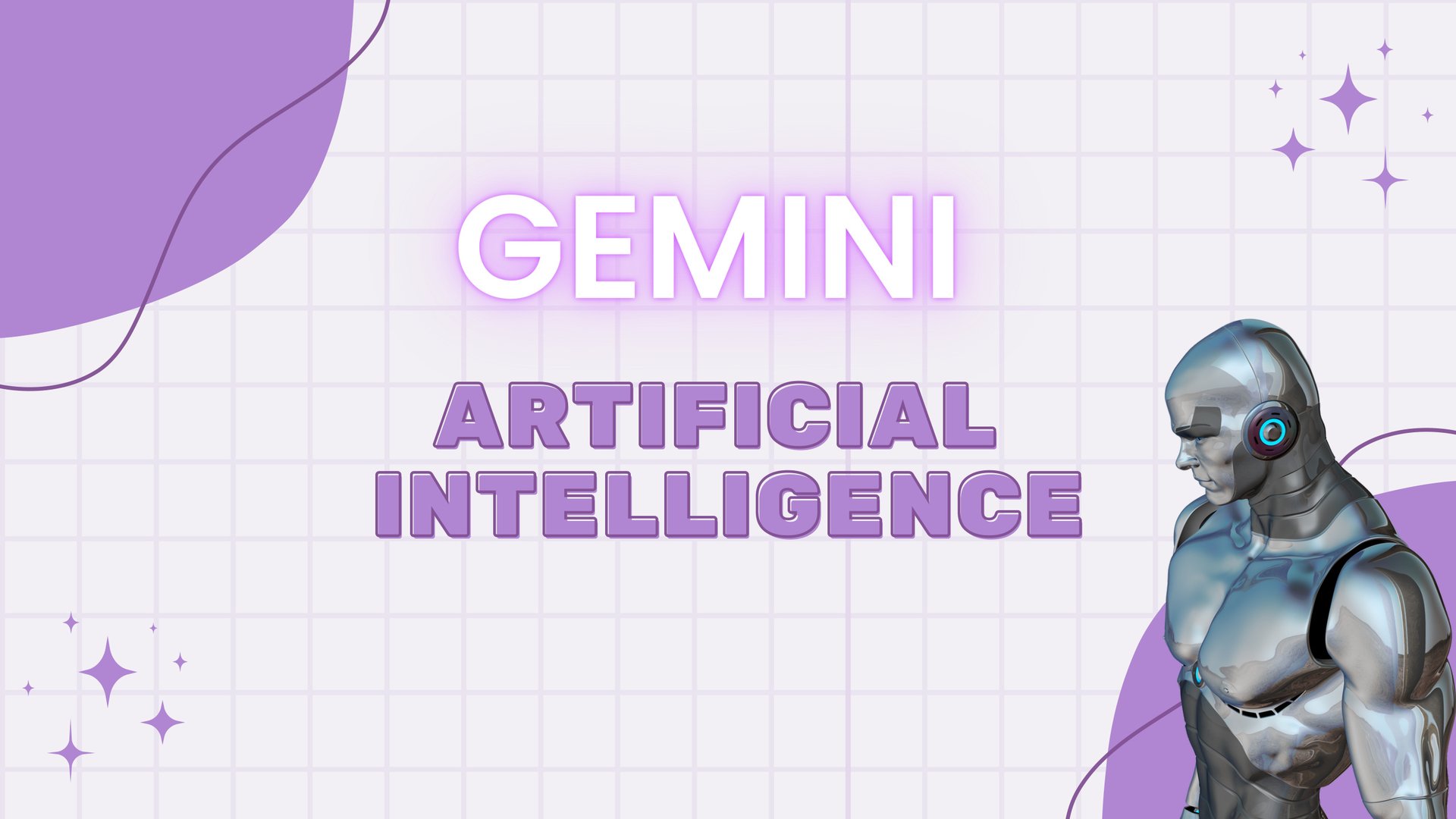
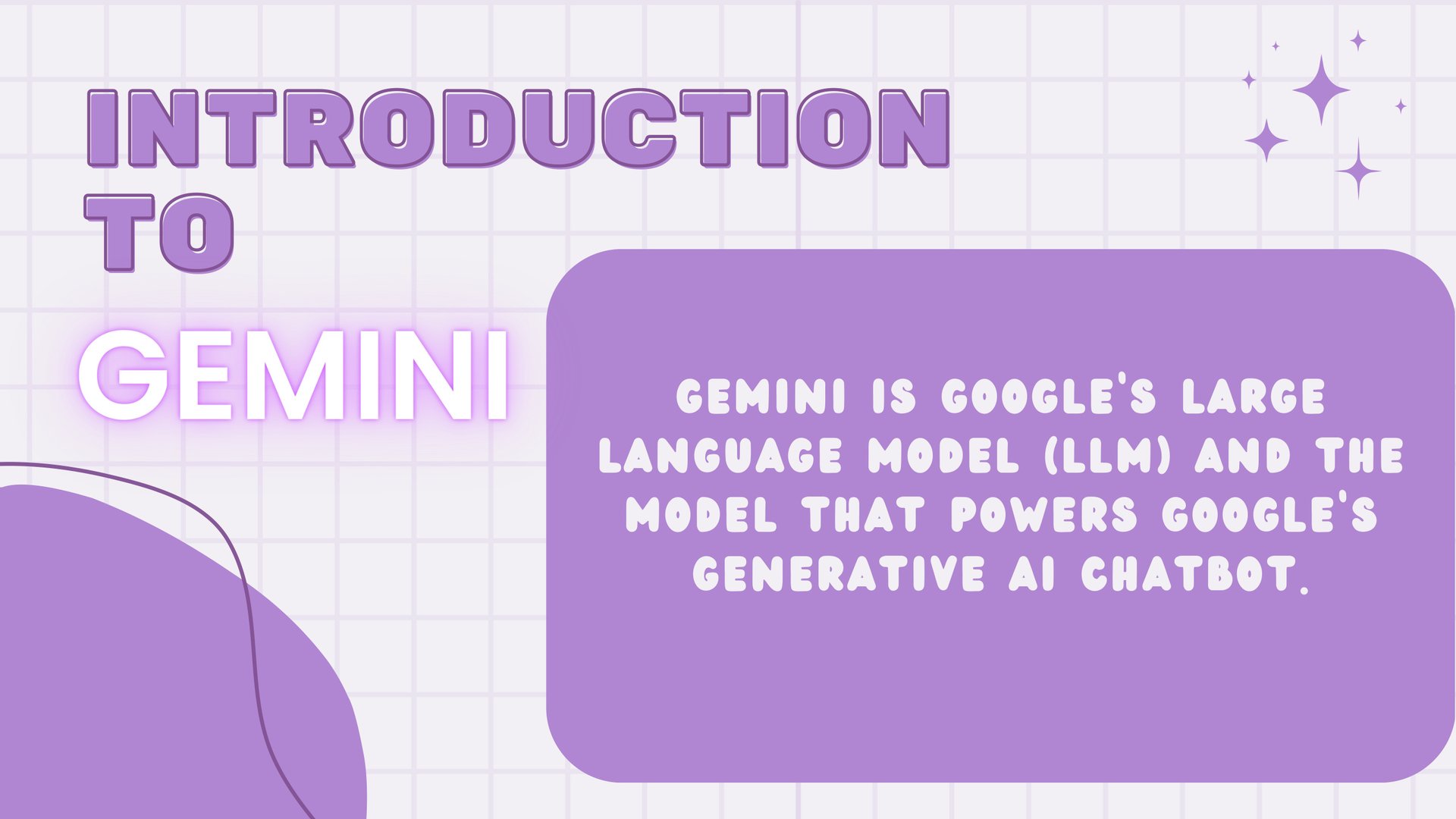
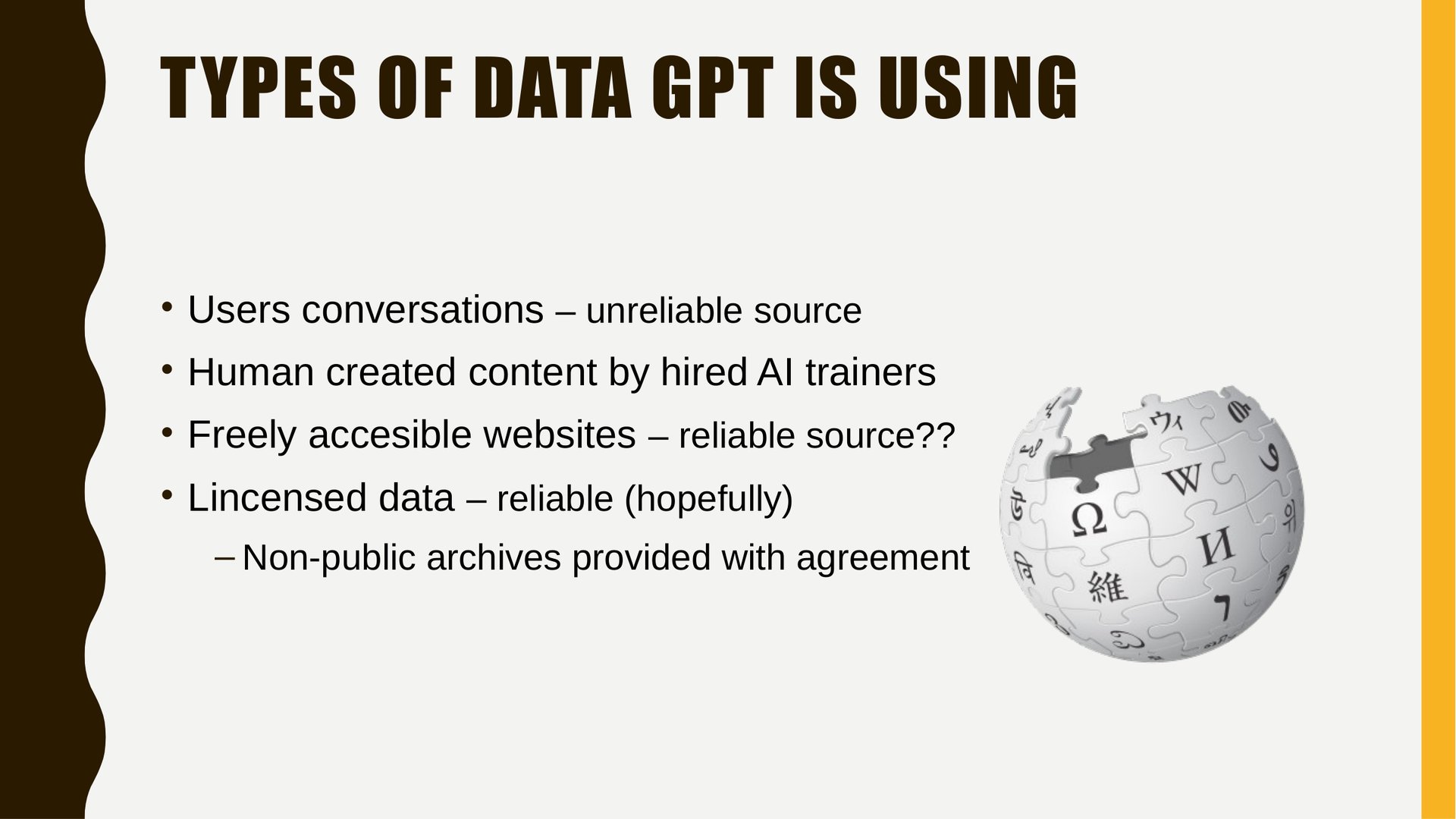
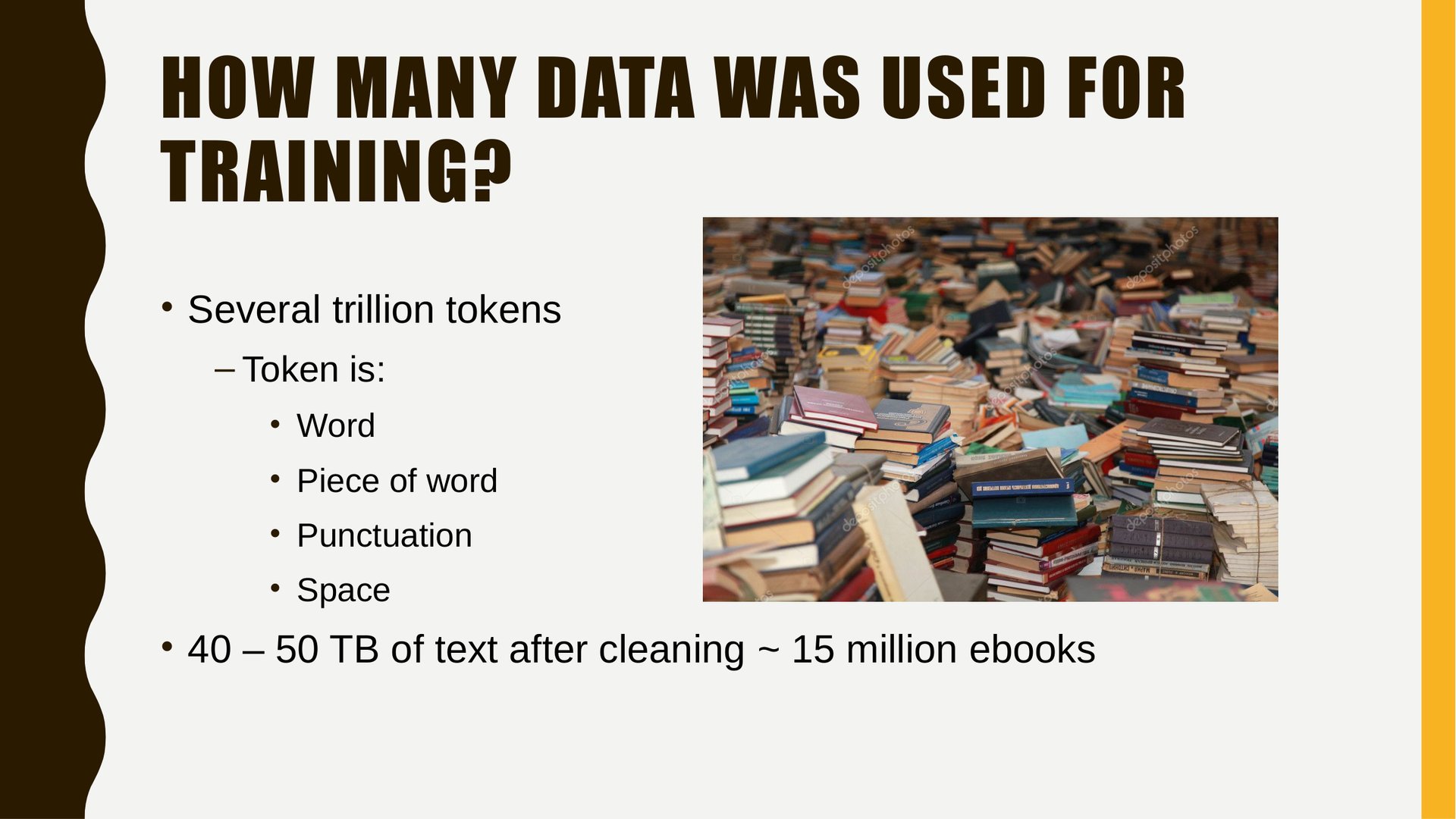
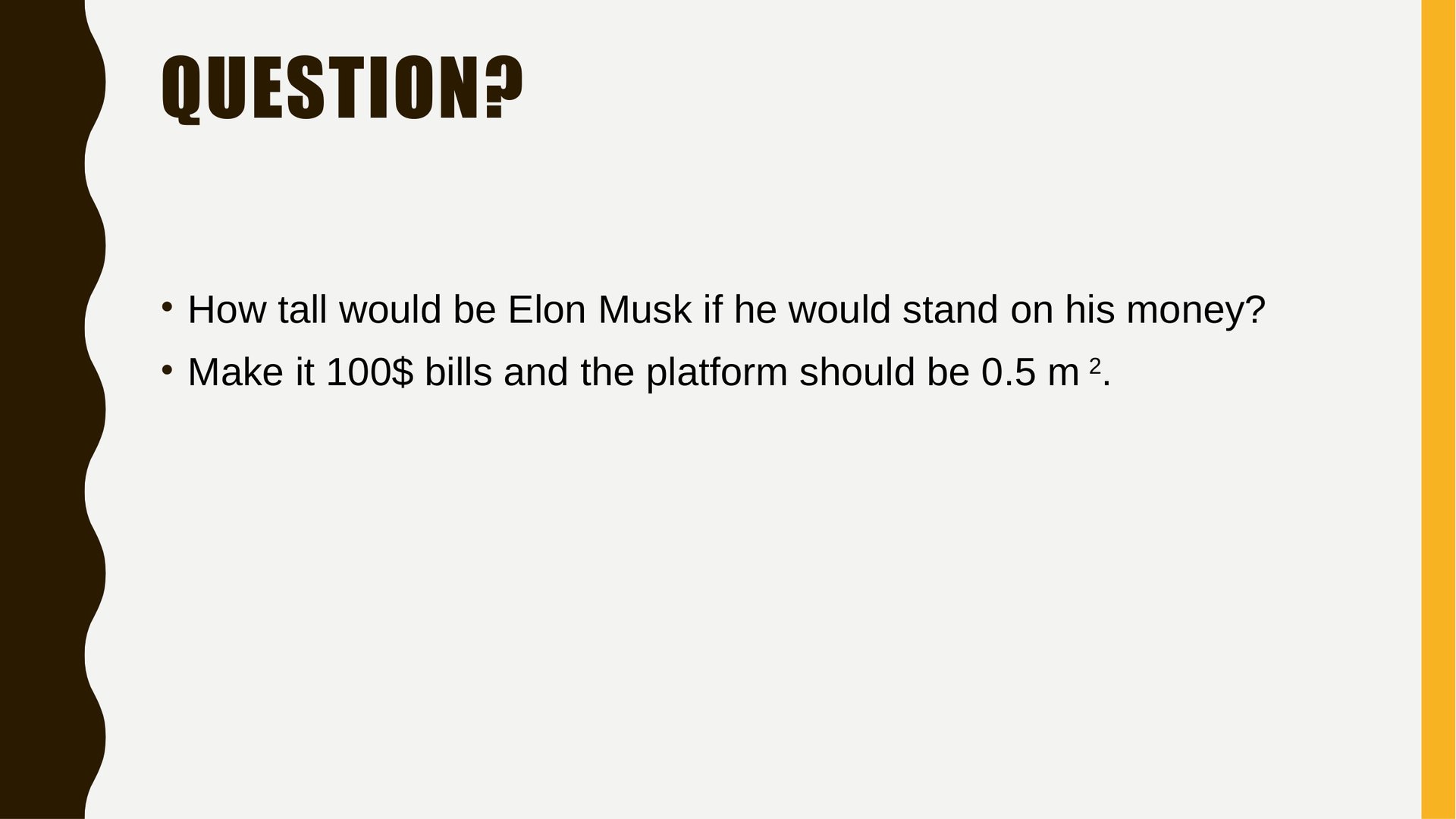
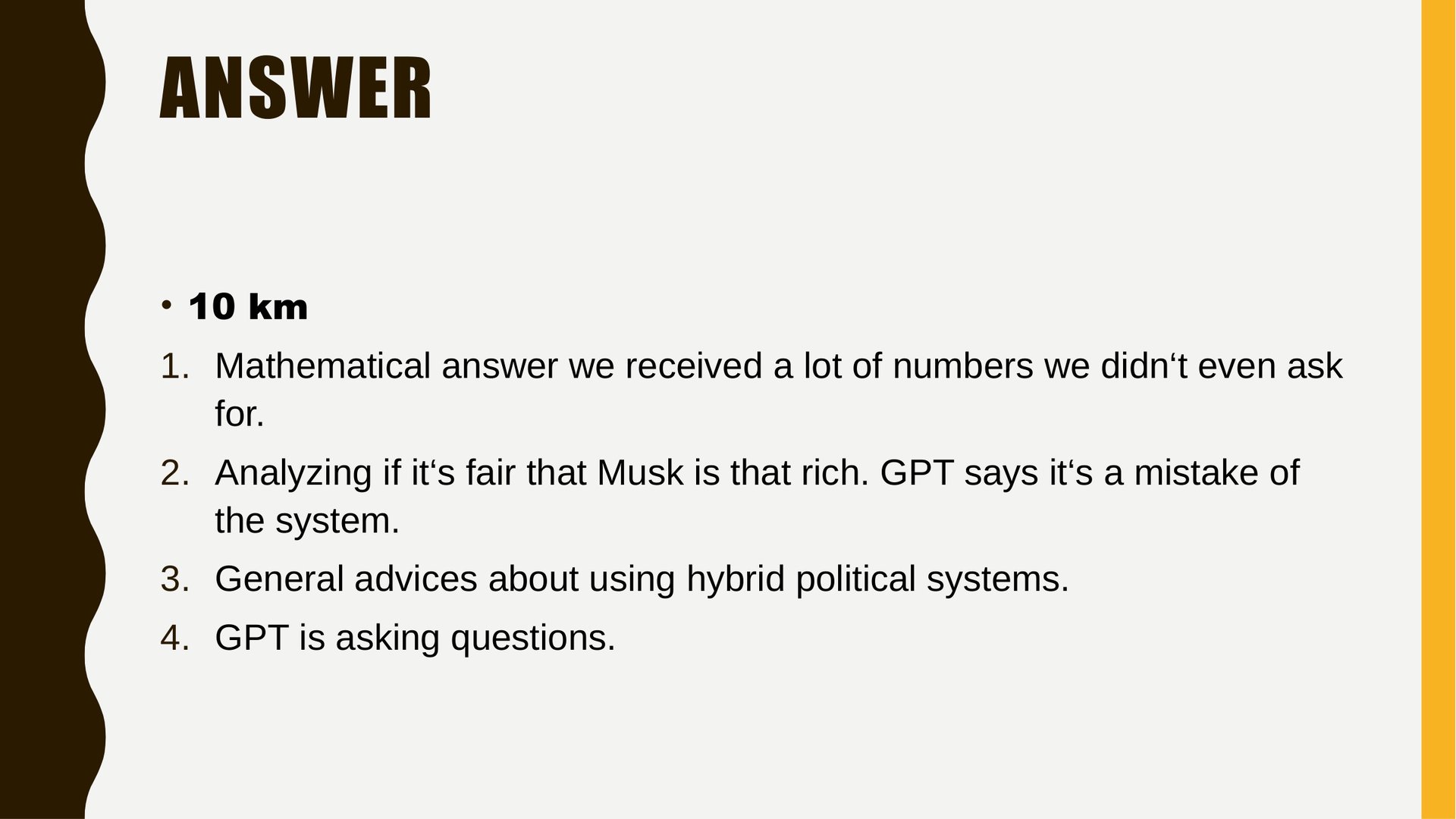
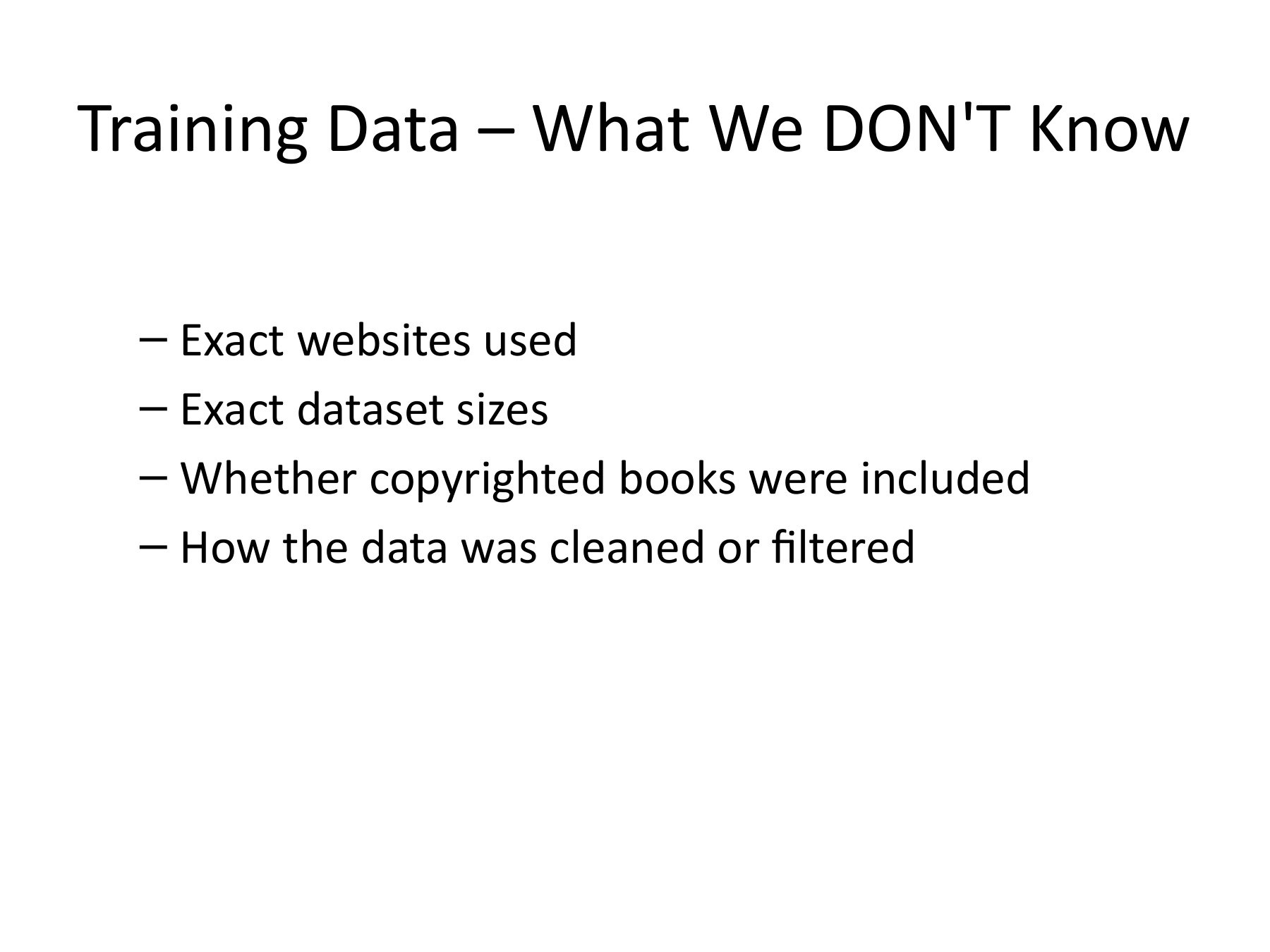
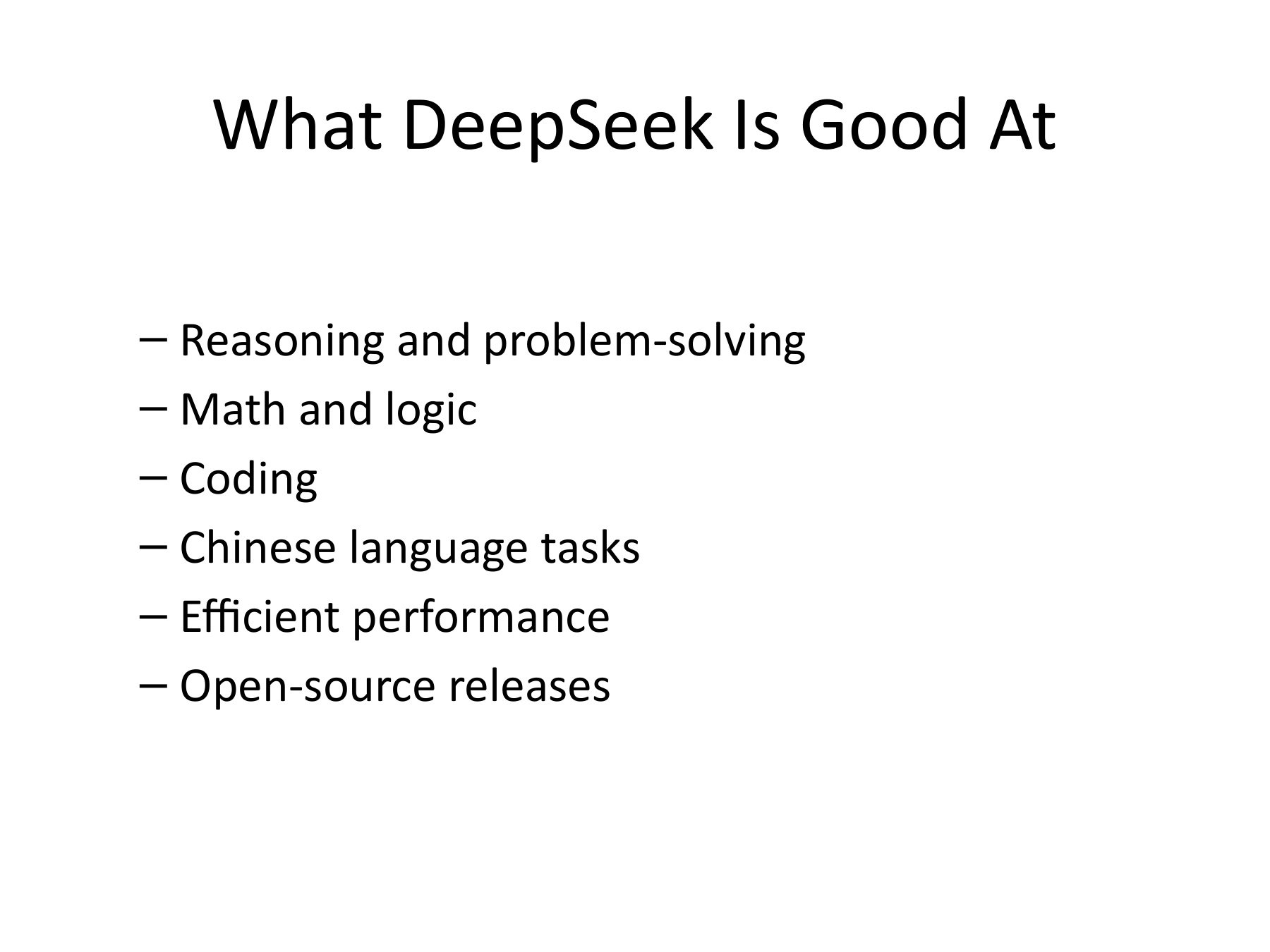
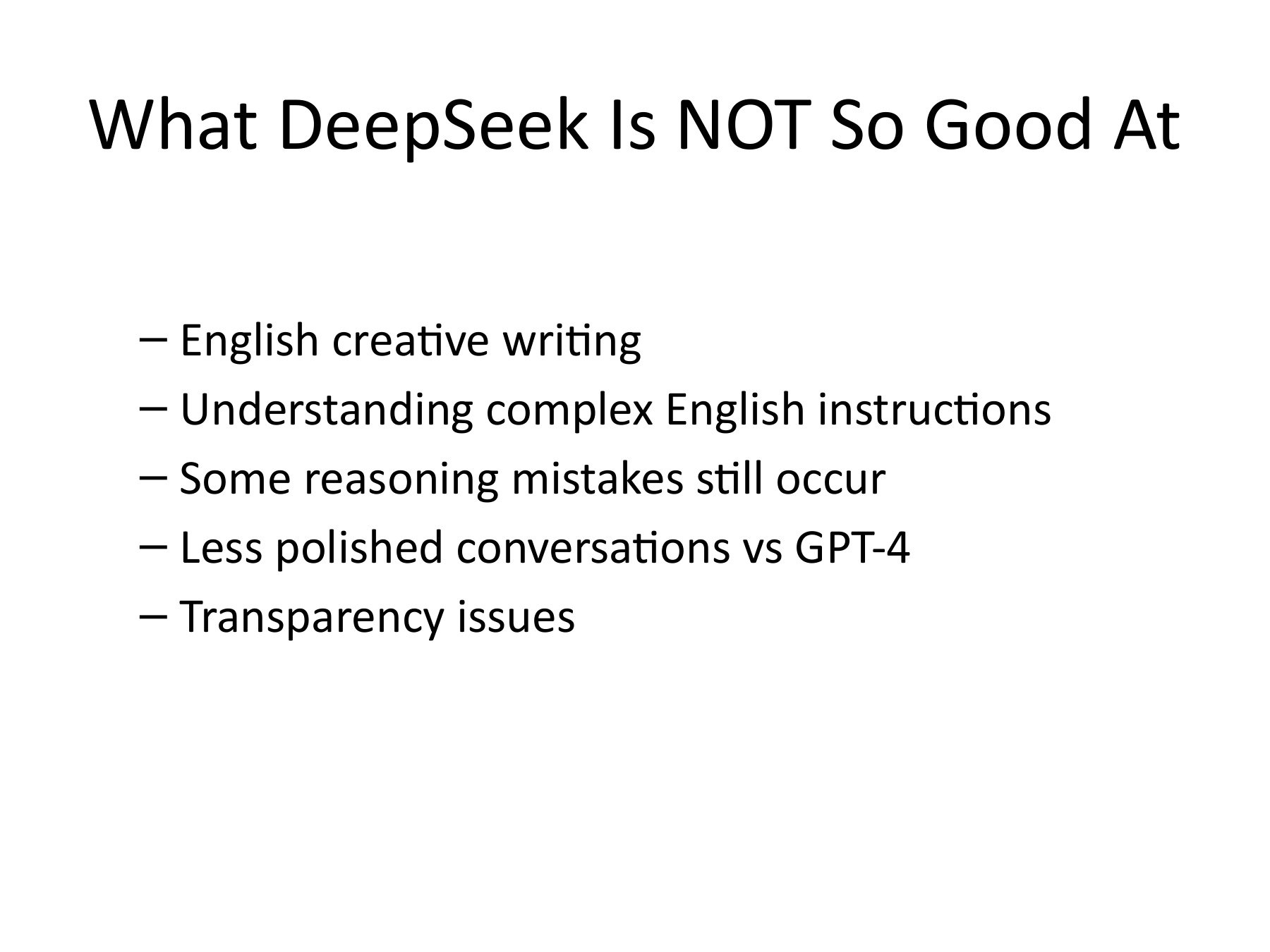
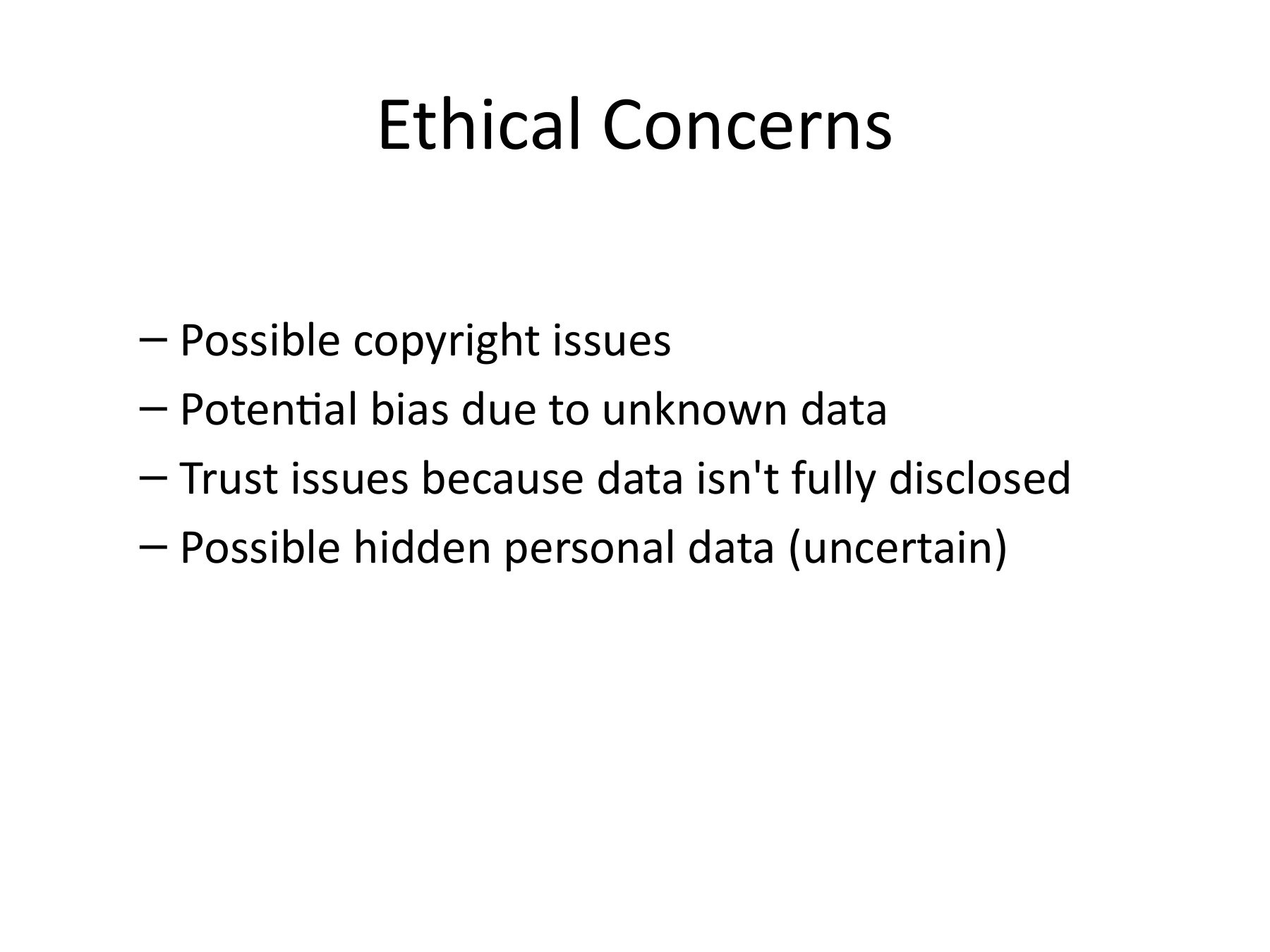
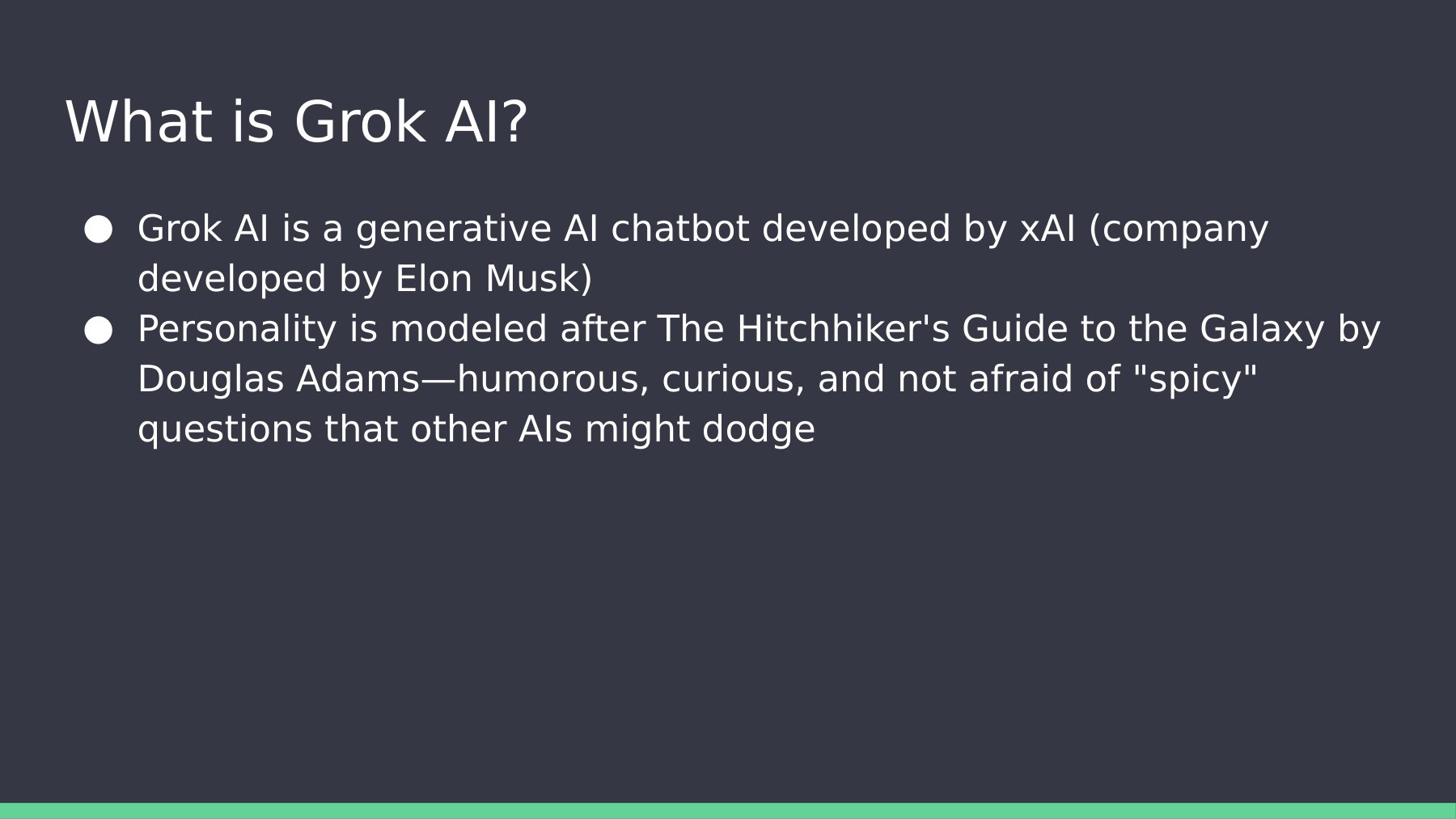
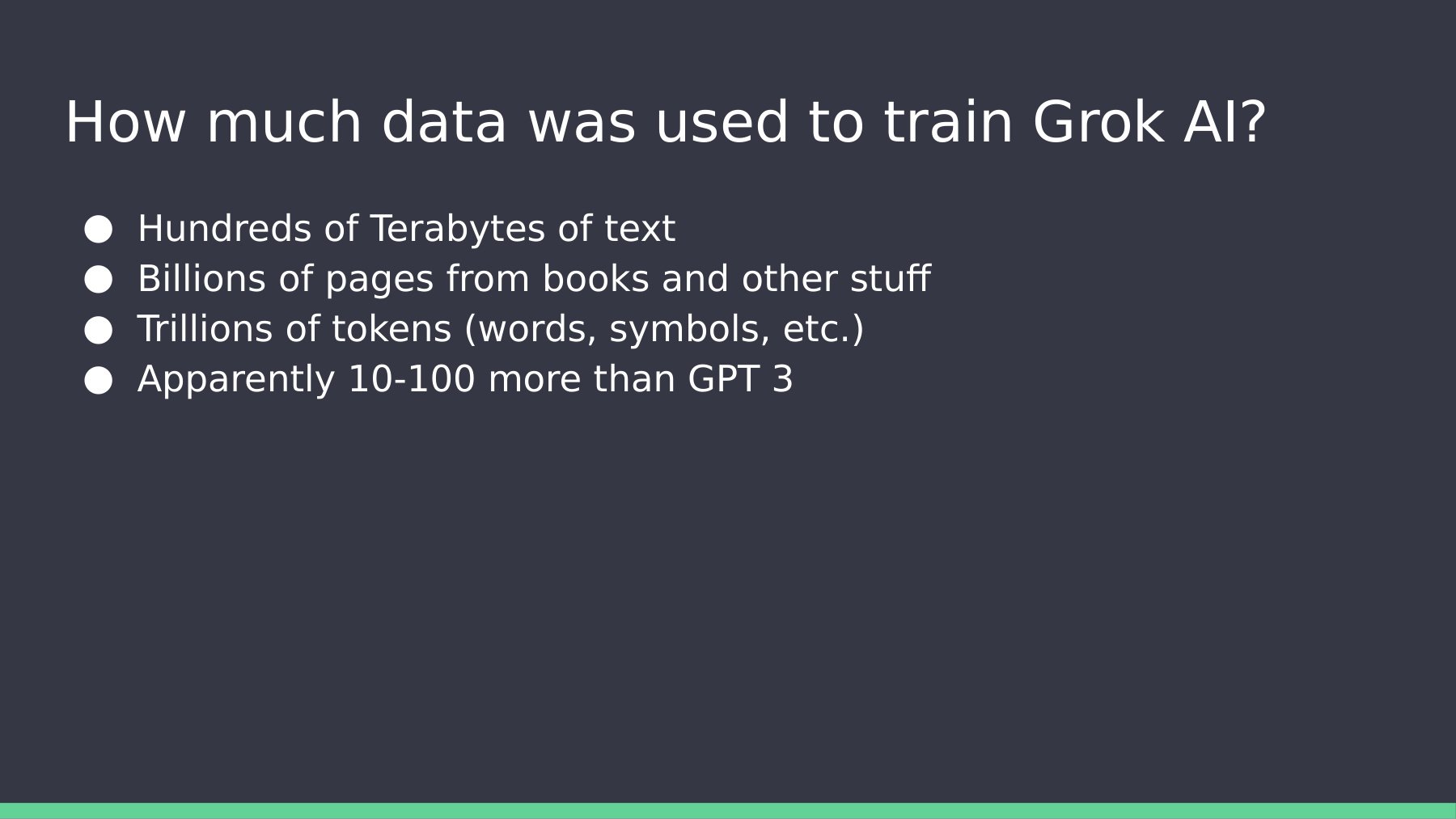
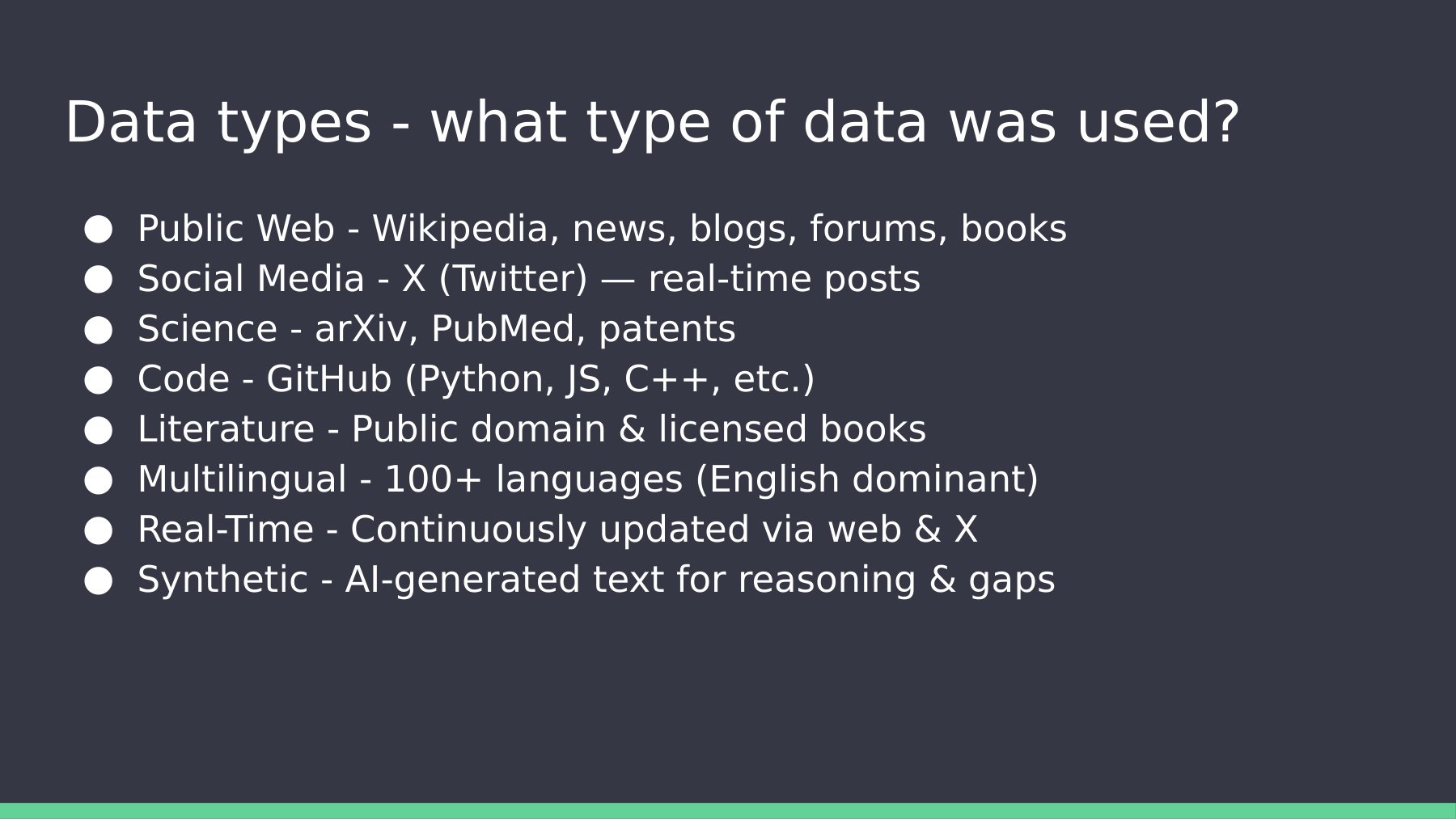
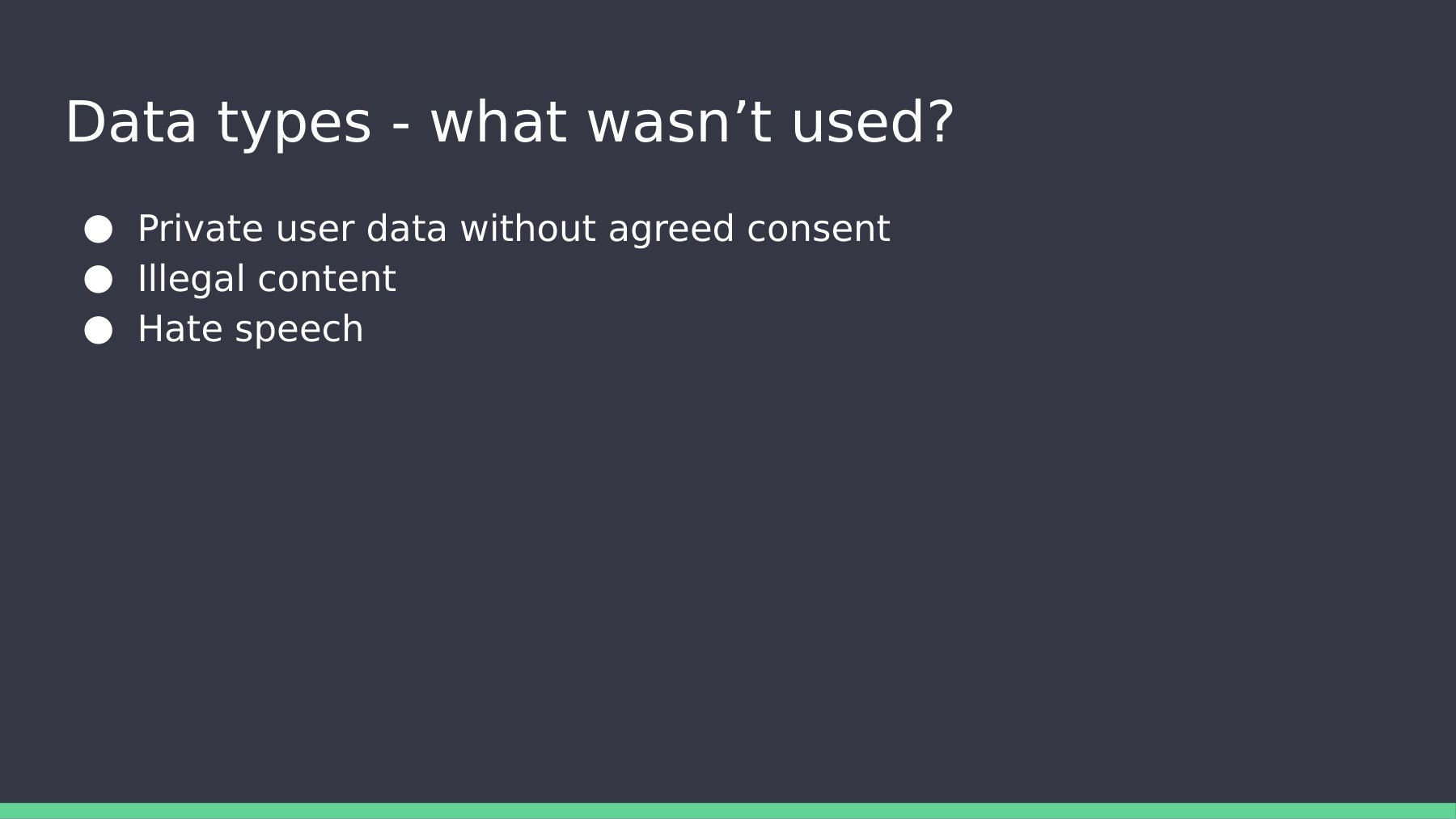
To understand what they were working with, teams investigated how the most popular AI tools are built, what data trains them and how that shapes the answers they give, then turned their research into presentations. A few of their decks are below.
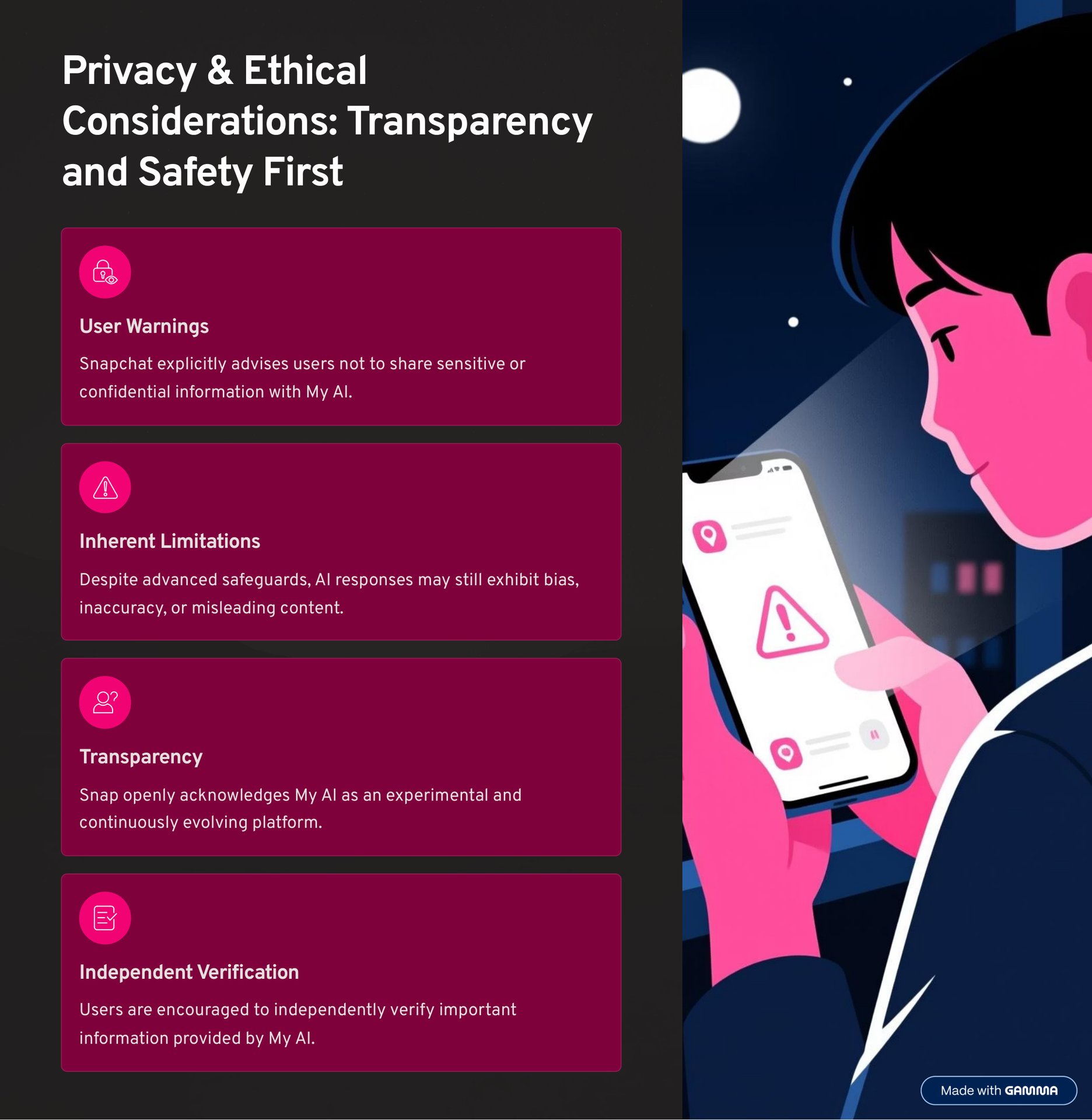
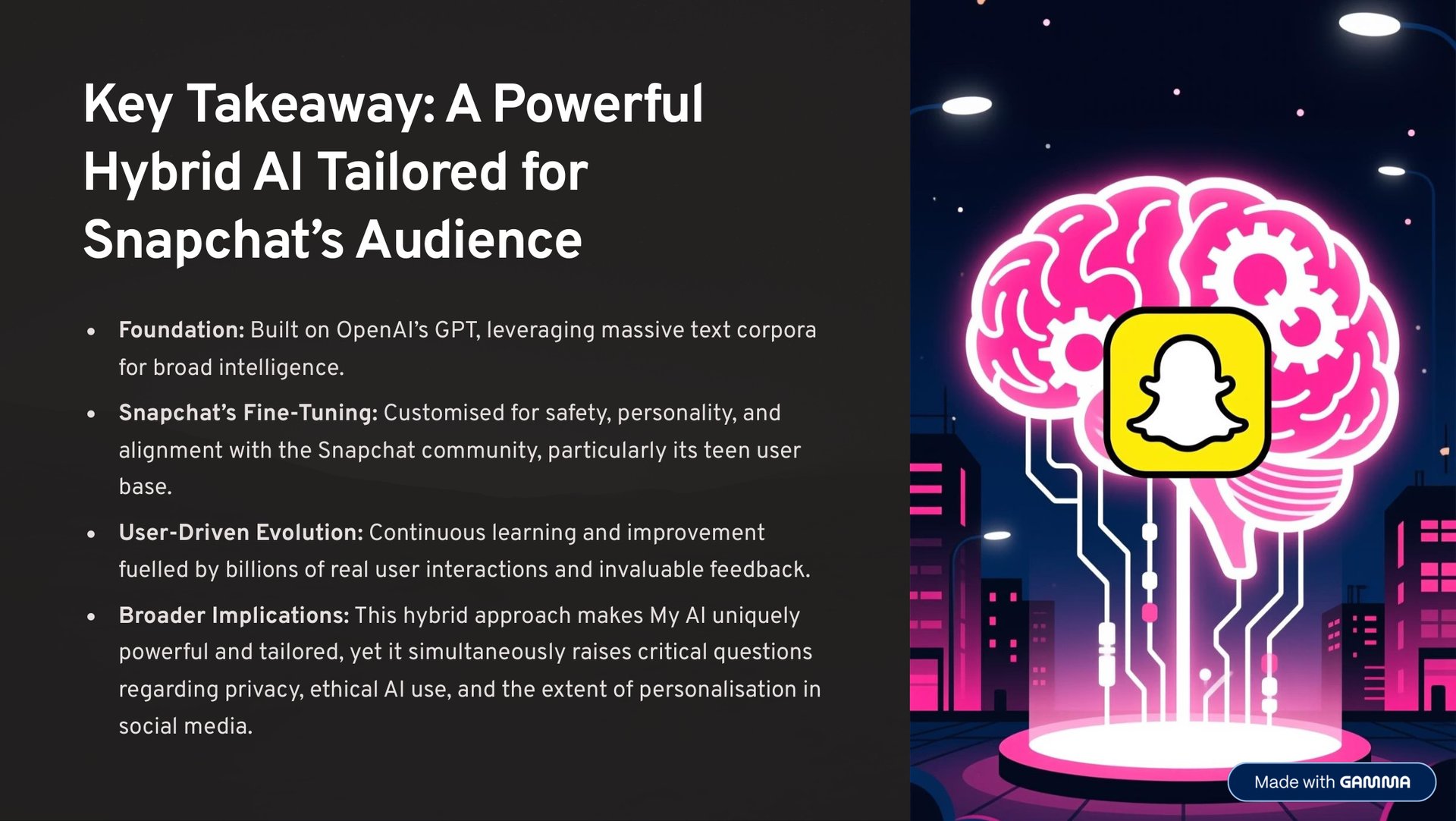
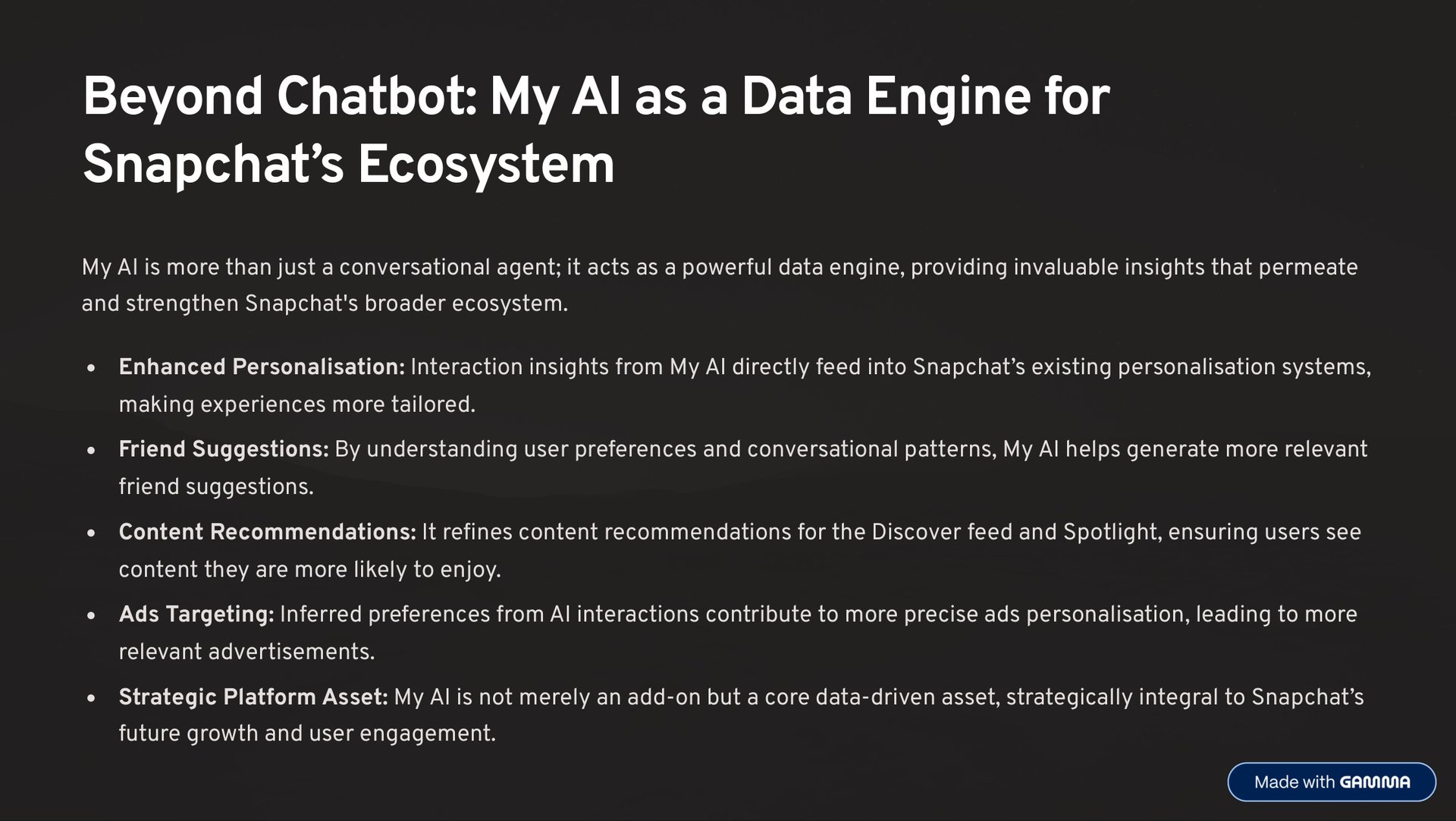
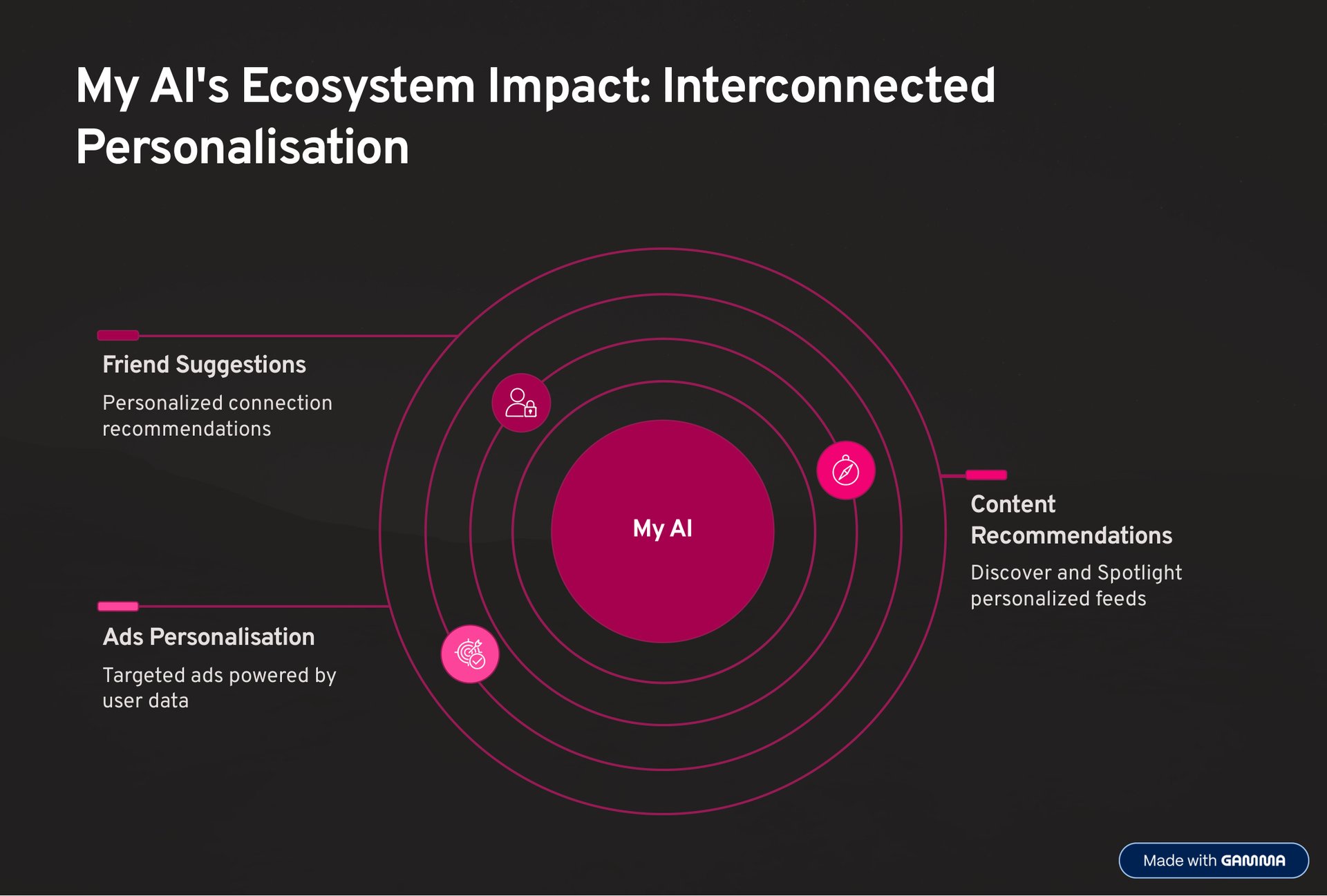
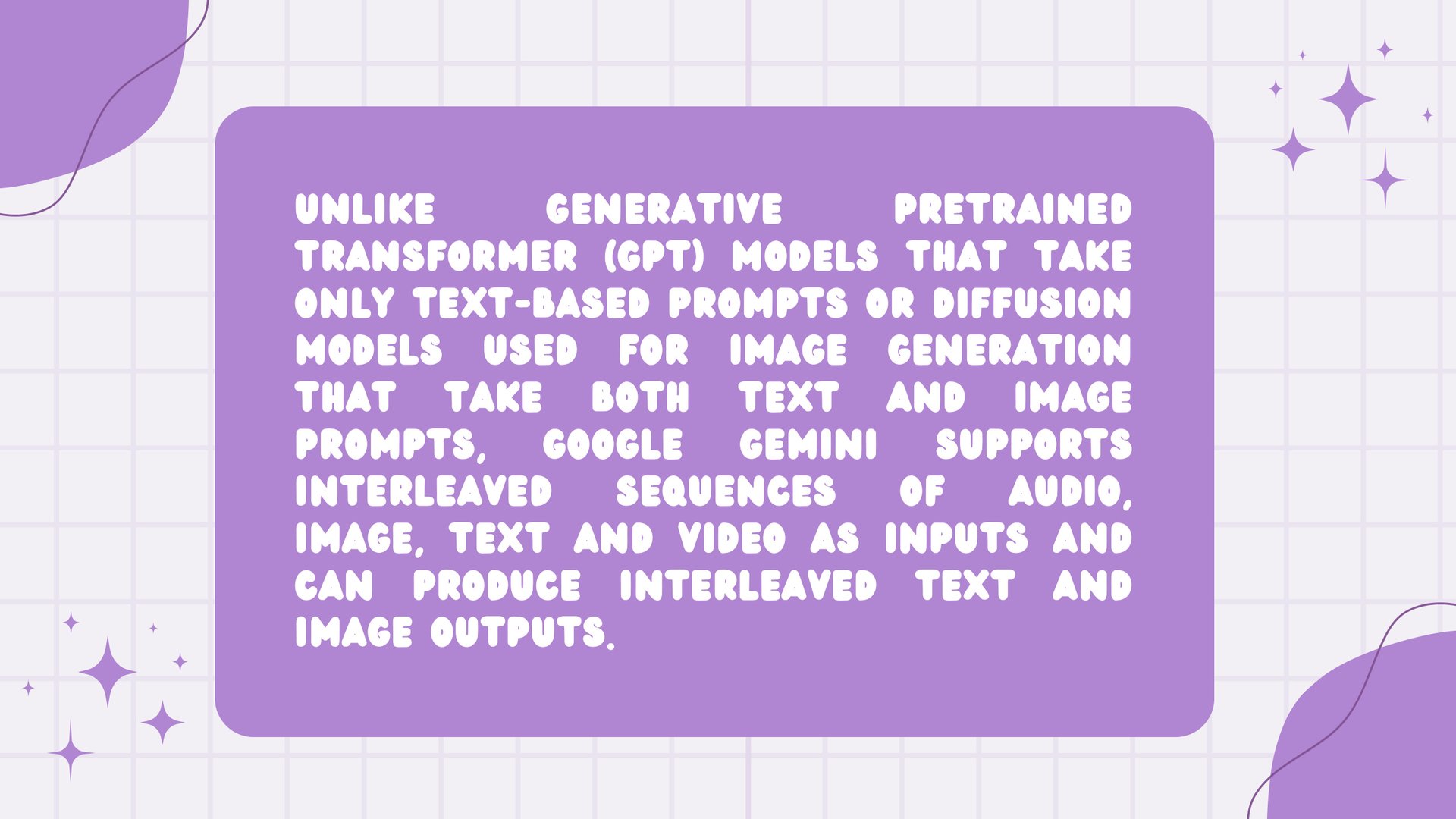

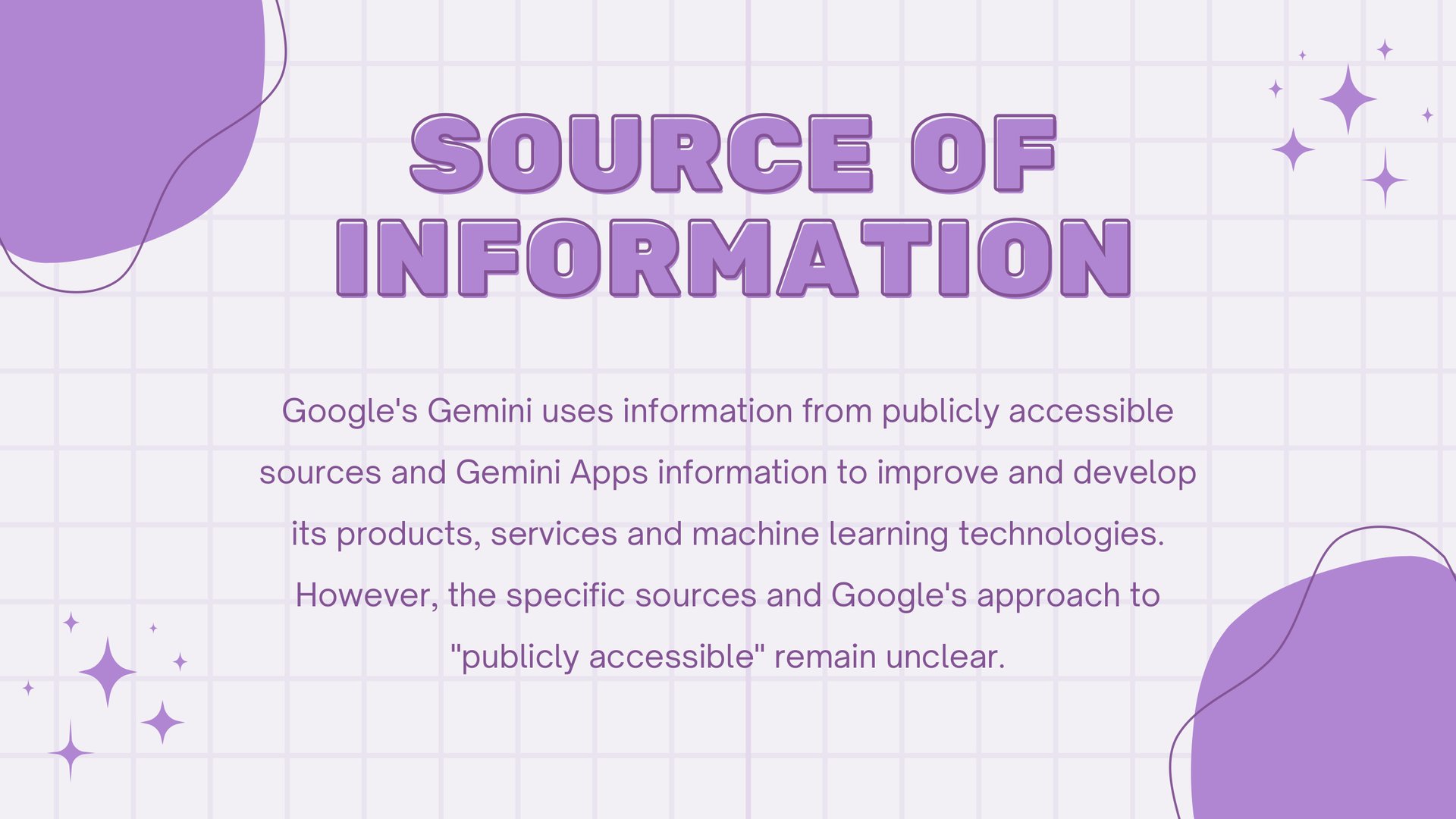
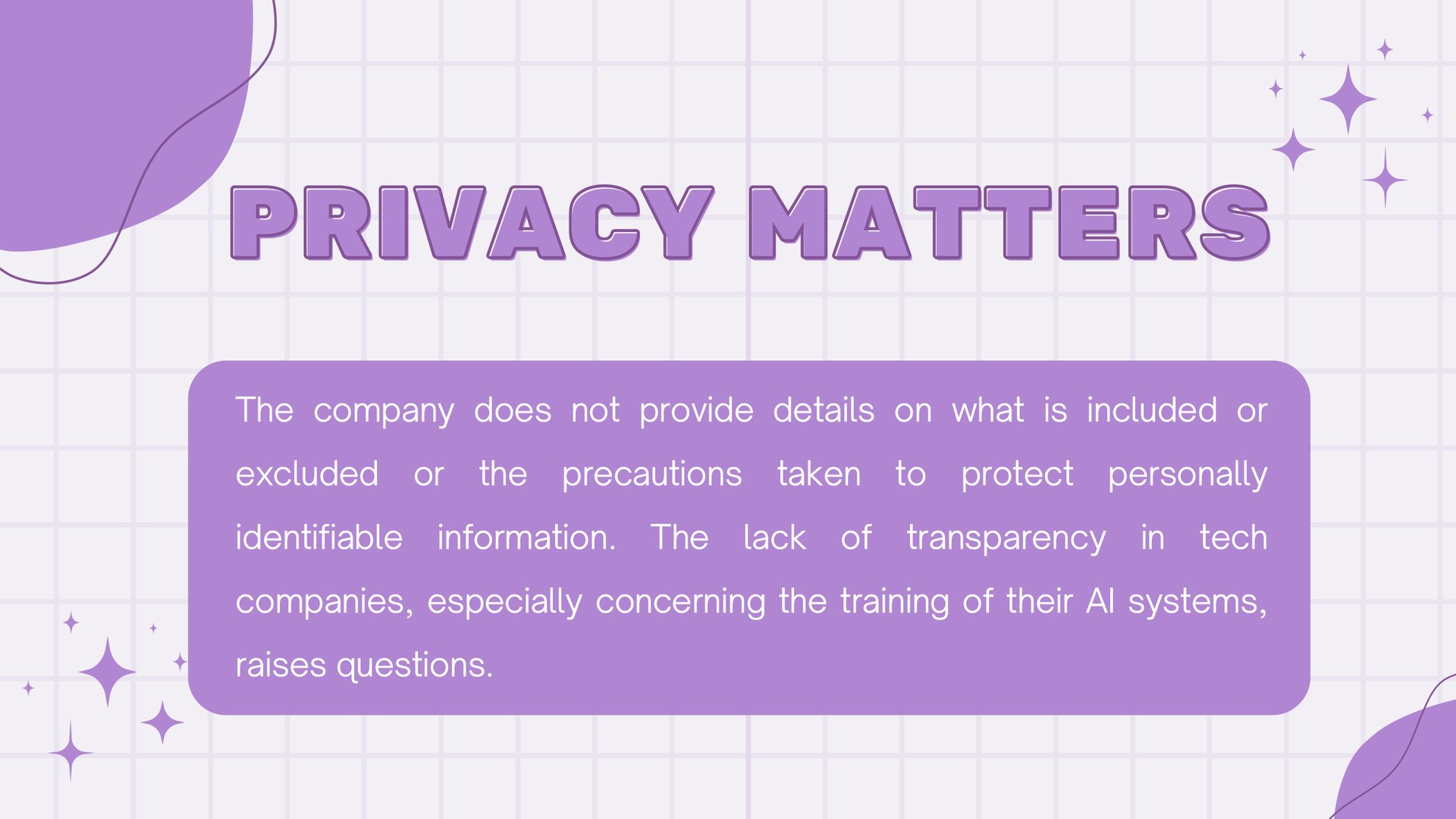
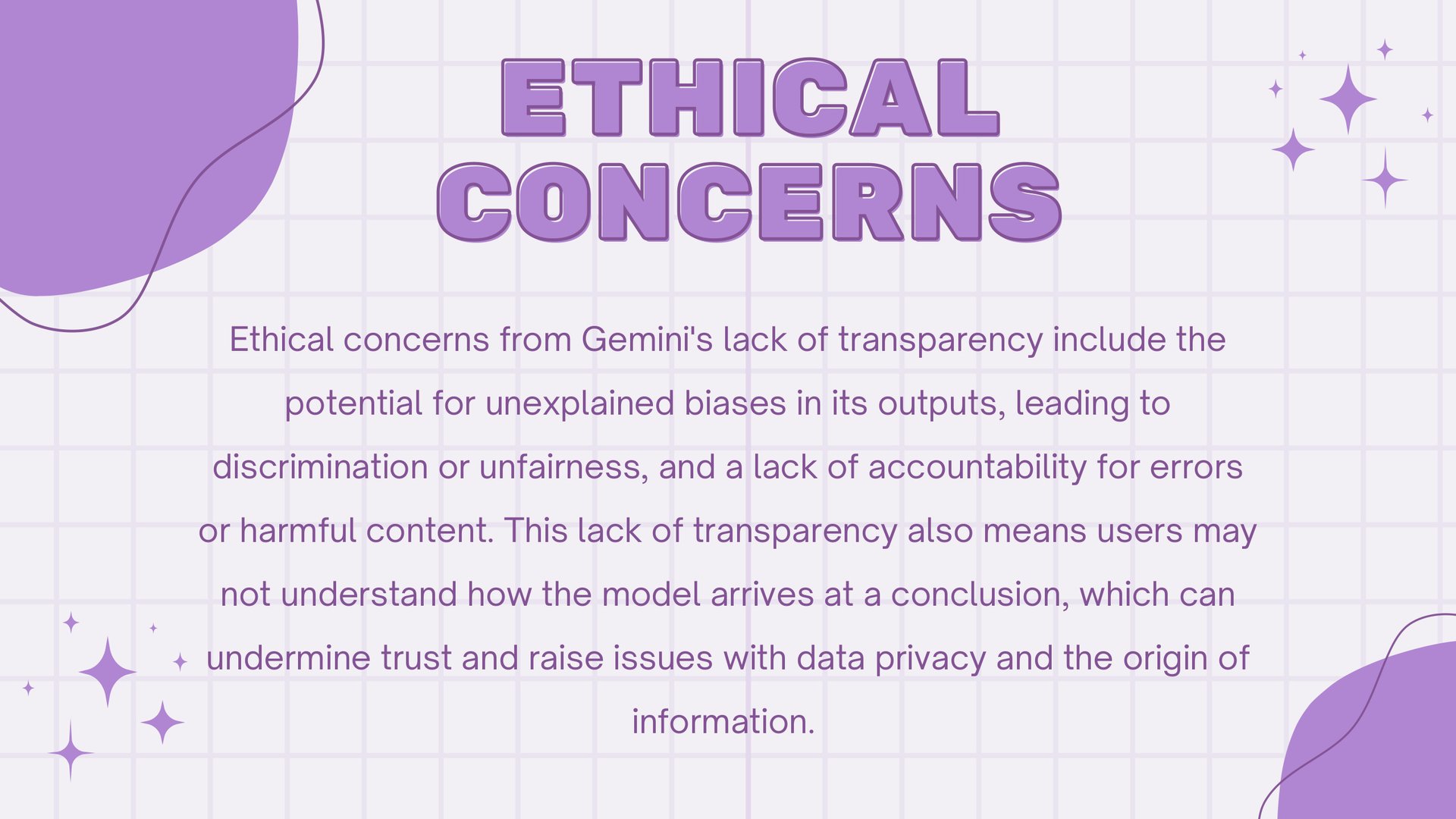
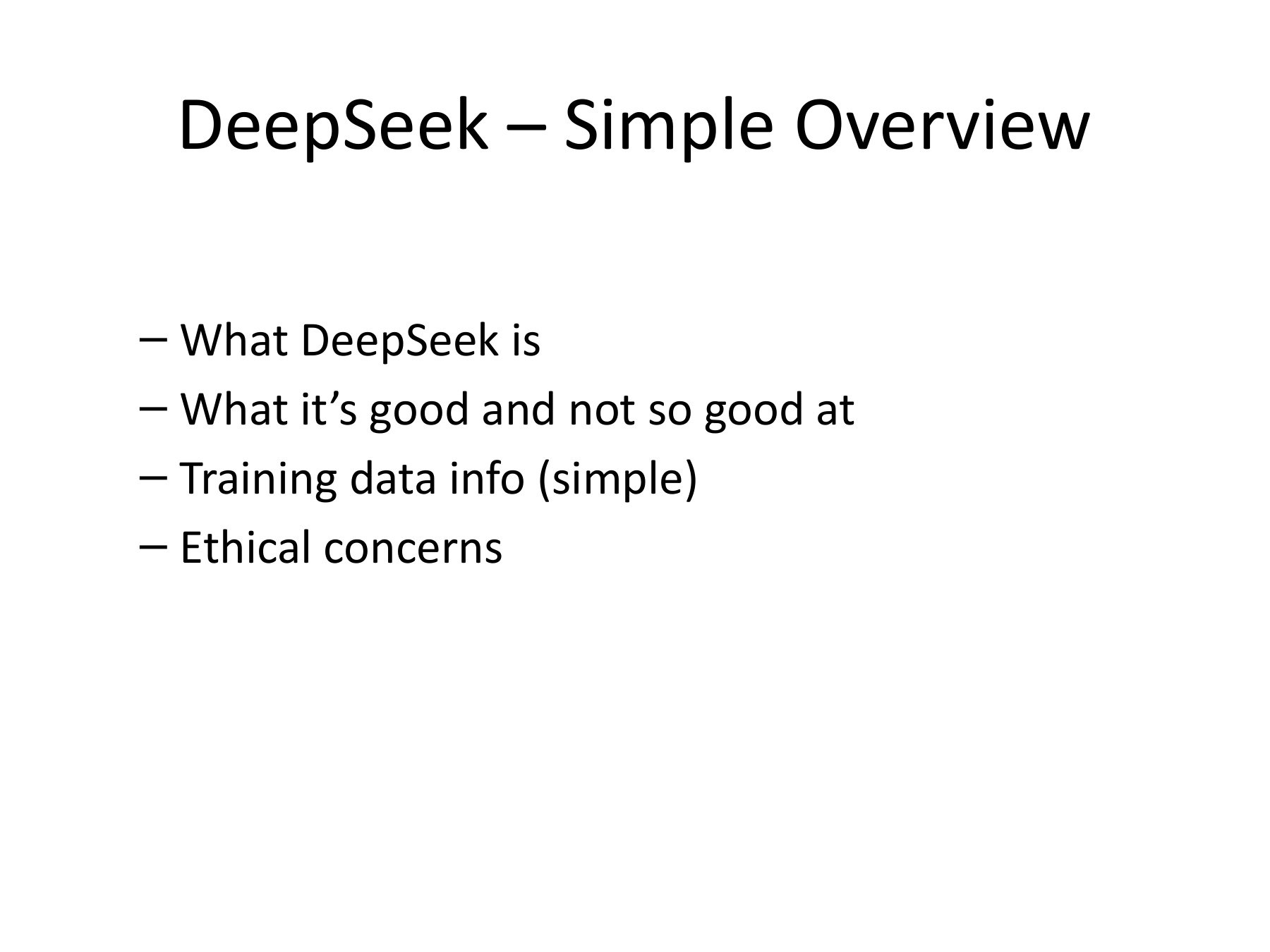
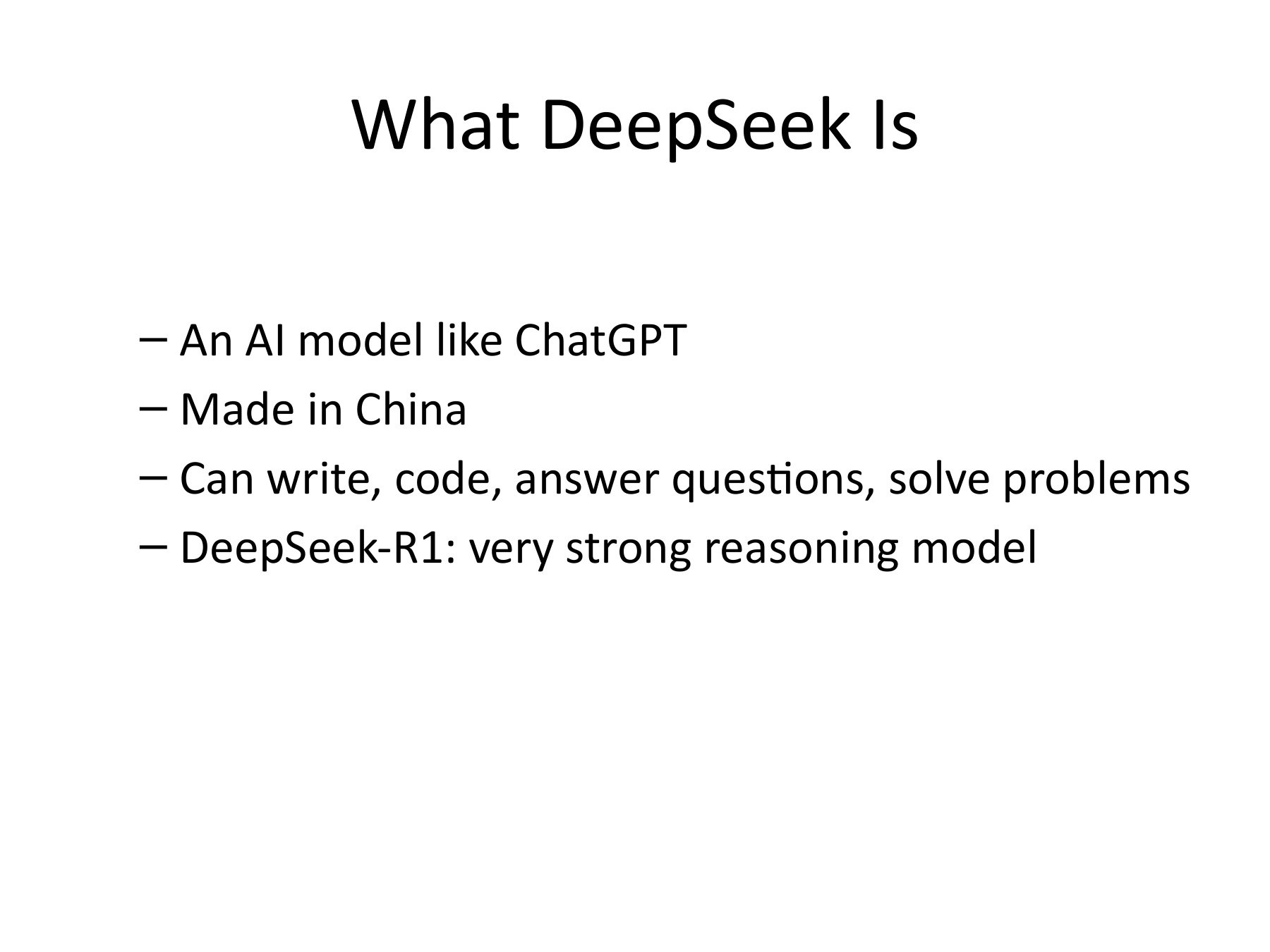
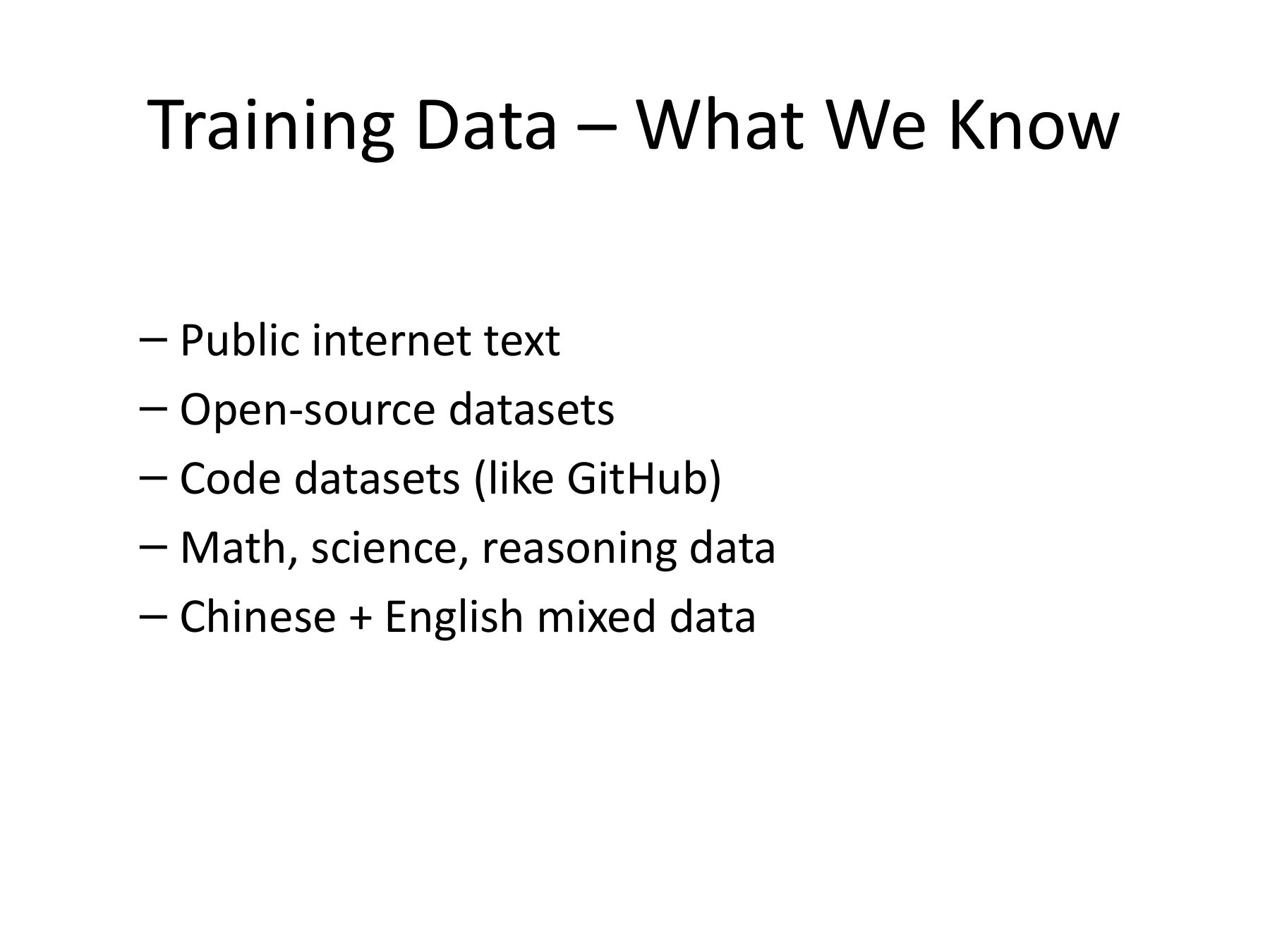
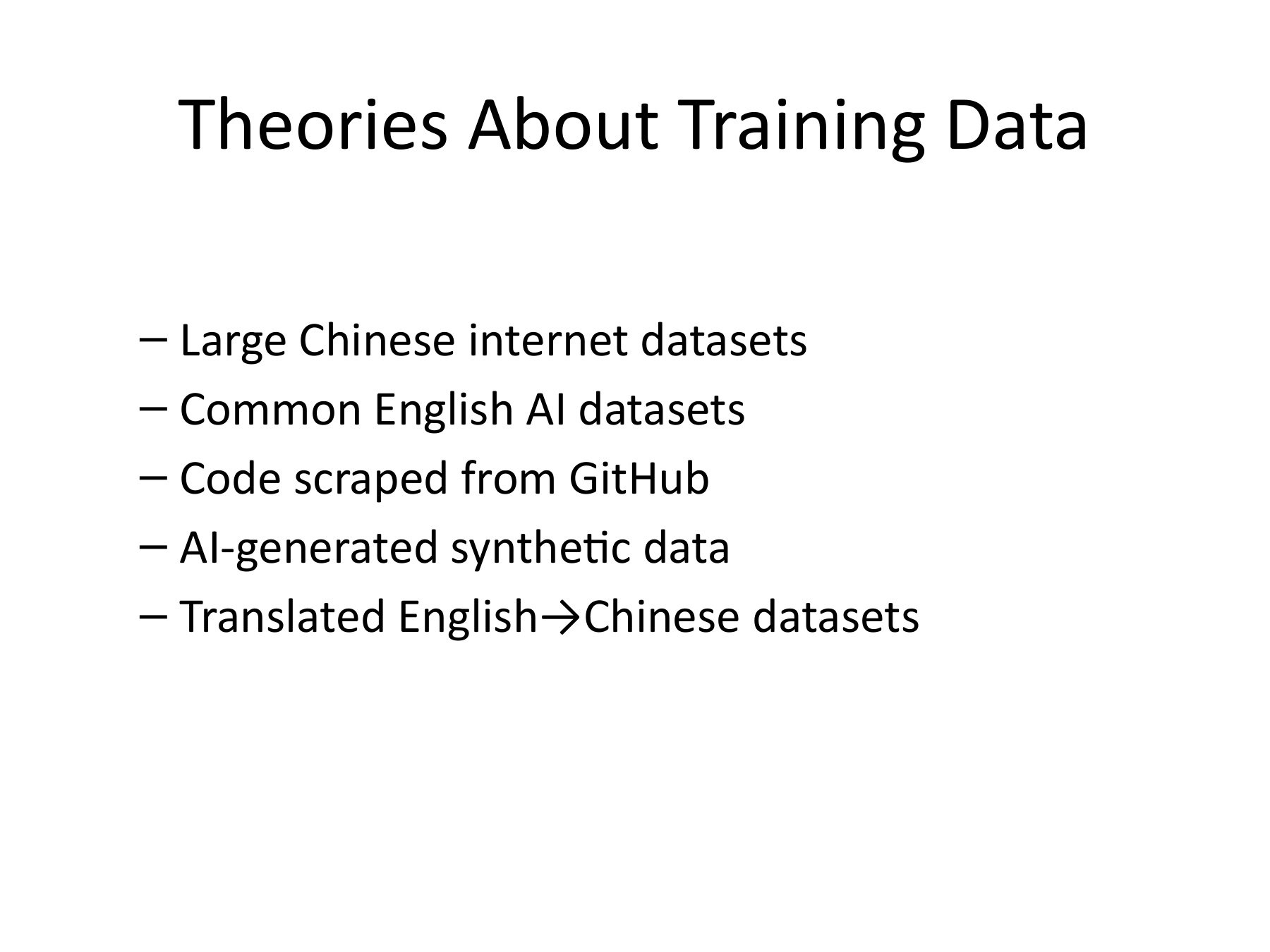
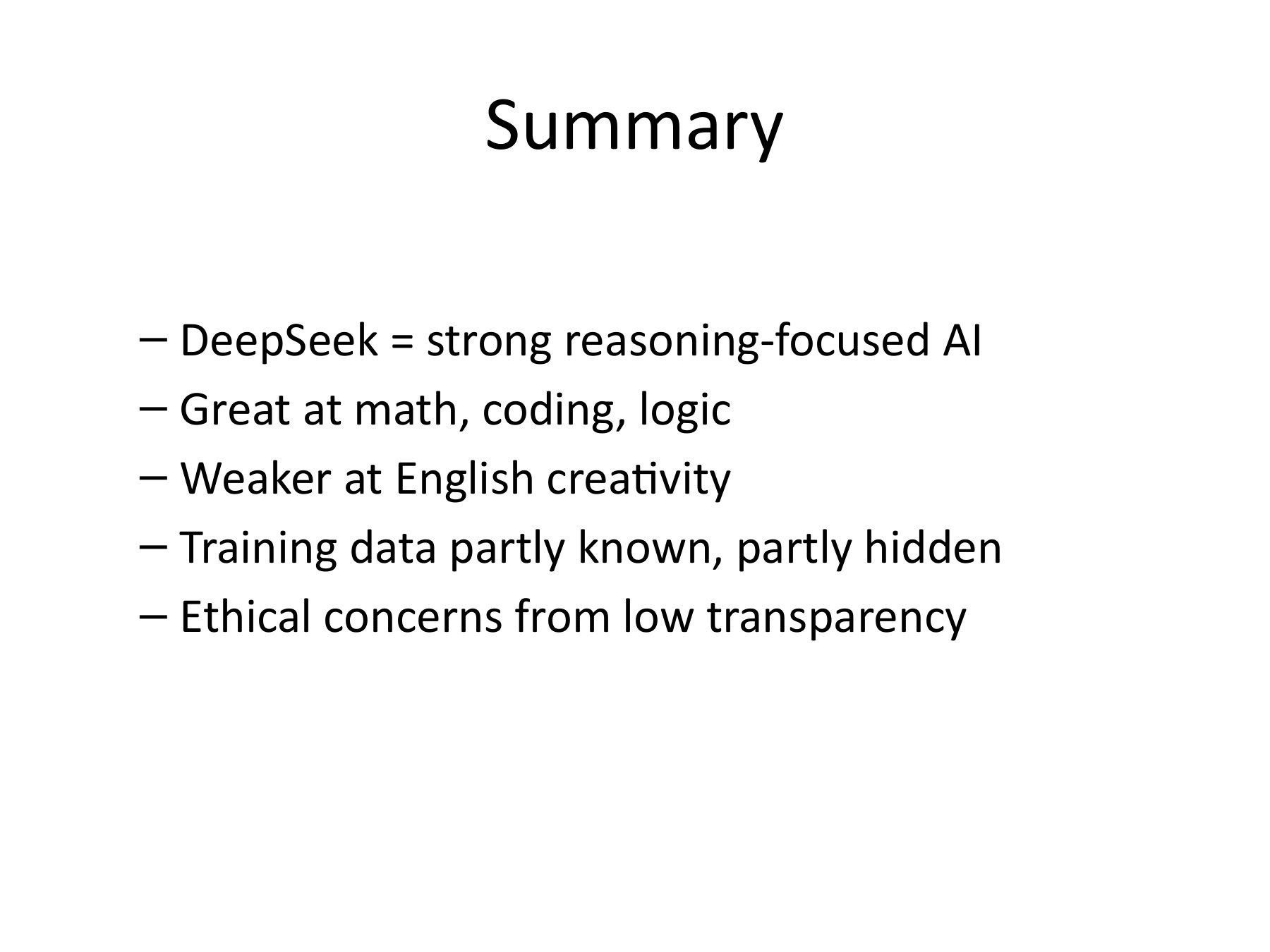
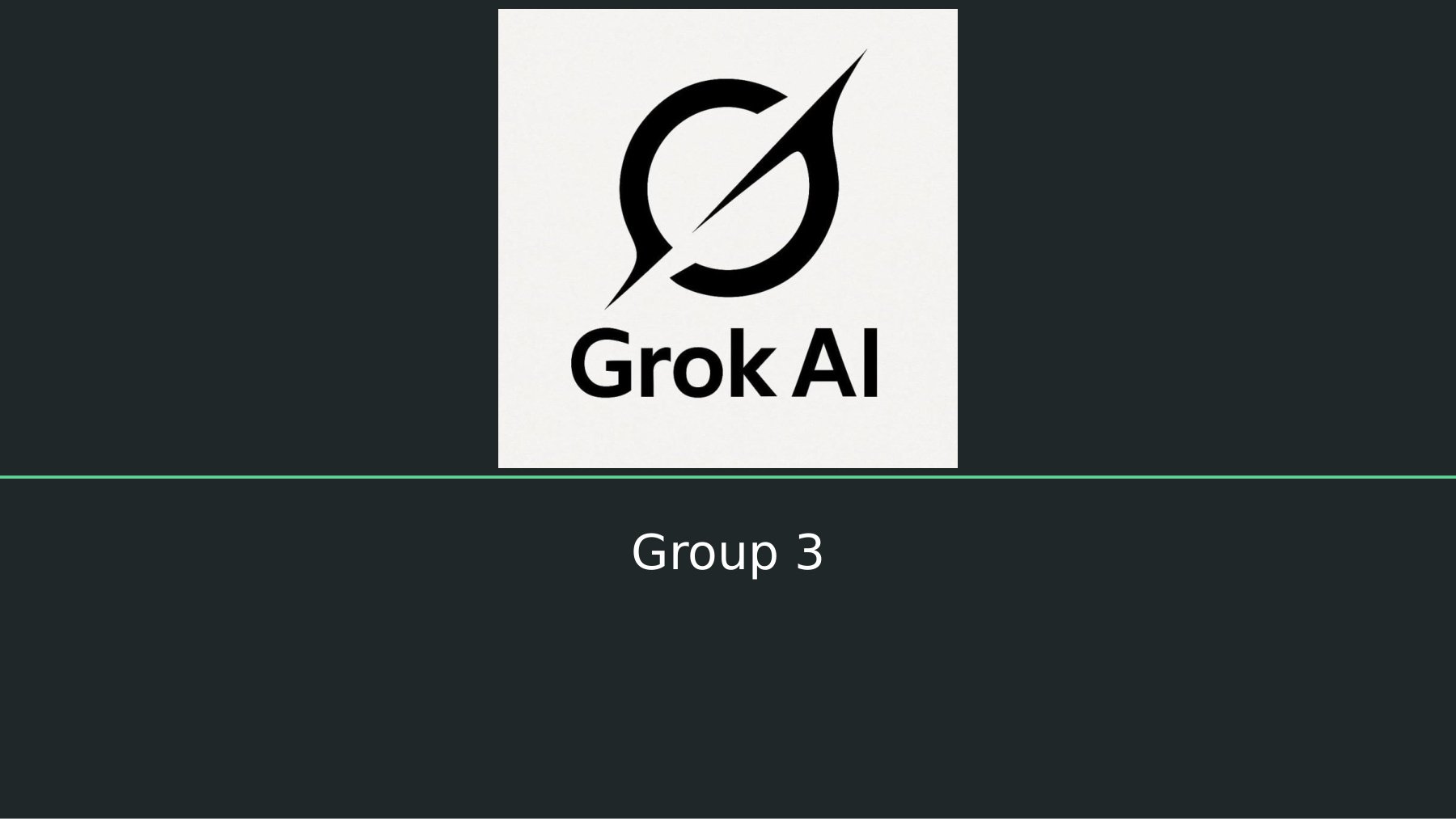
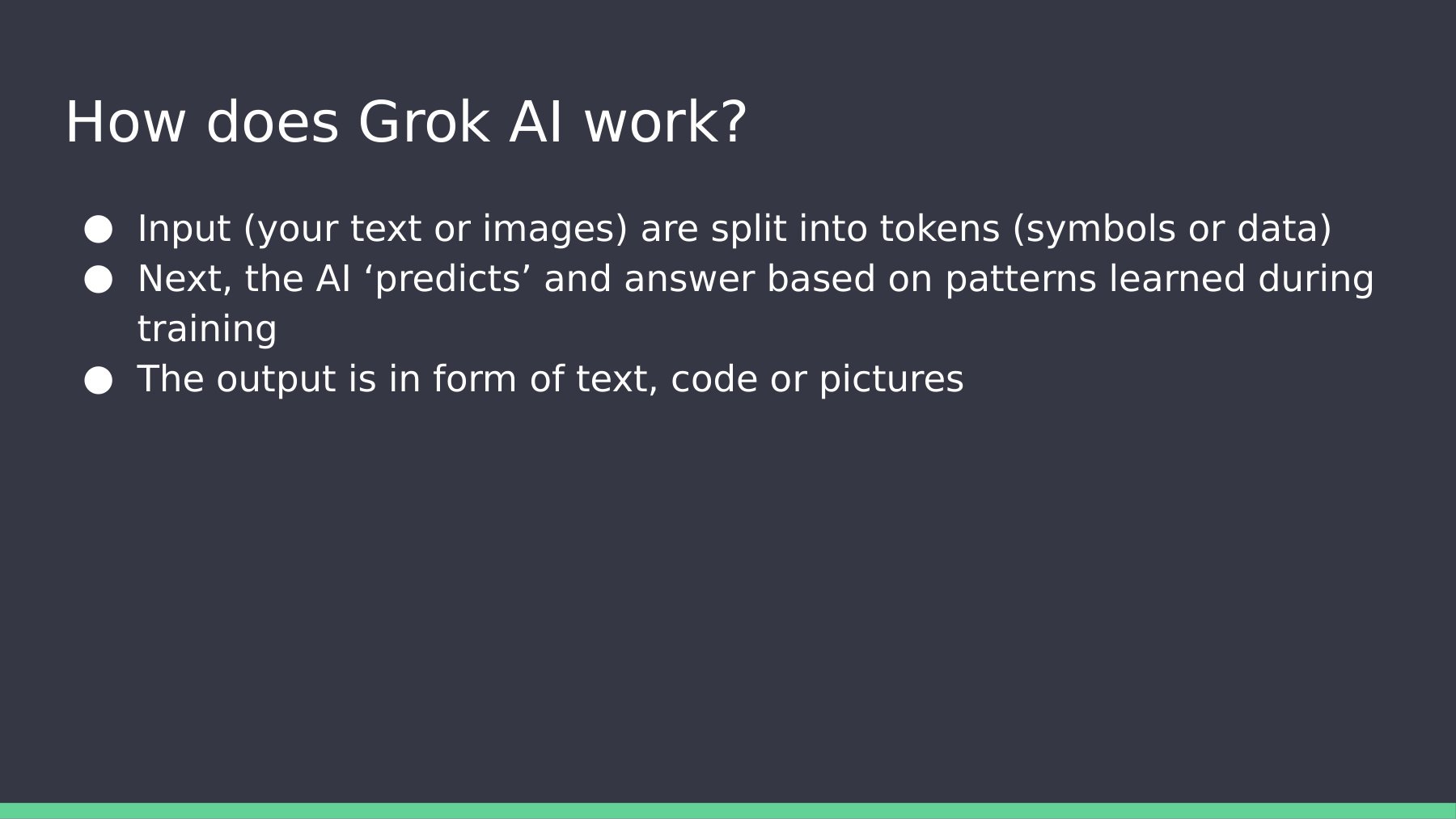
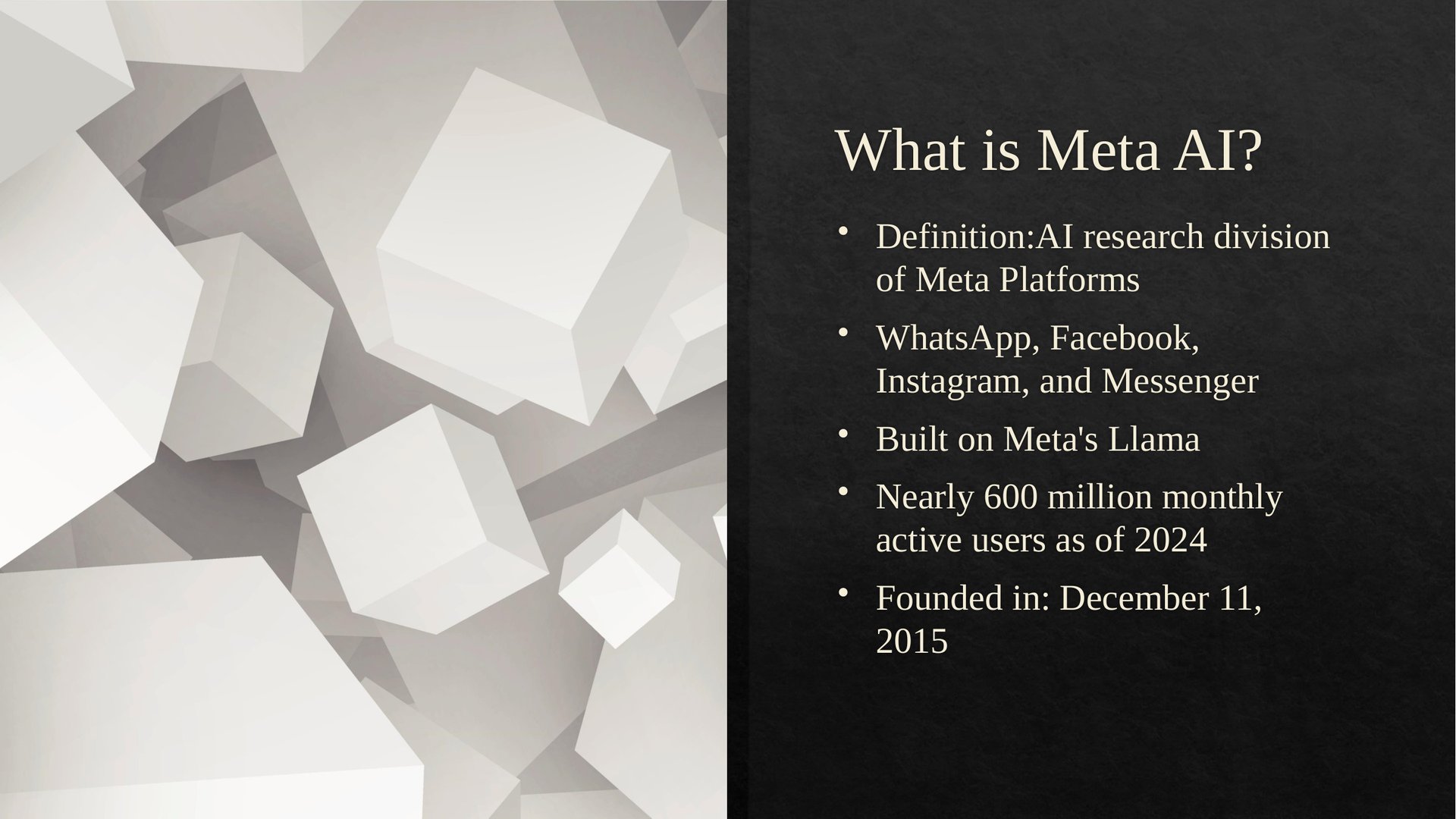
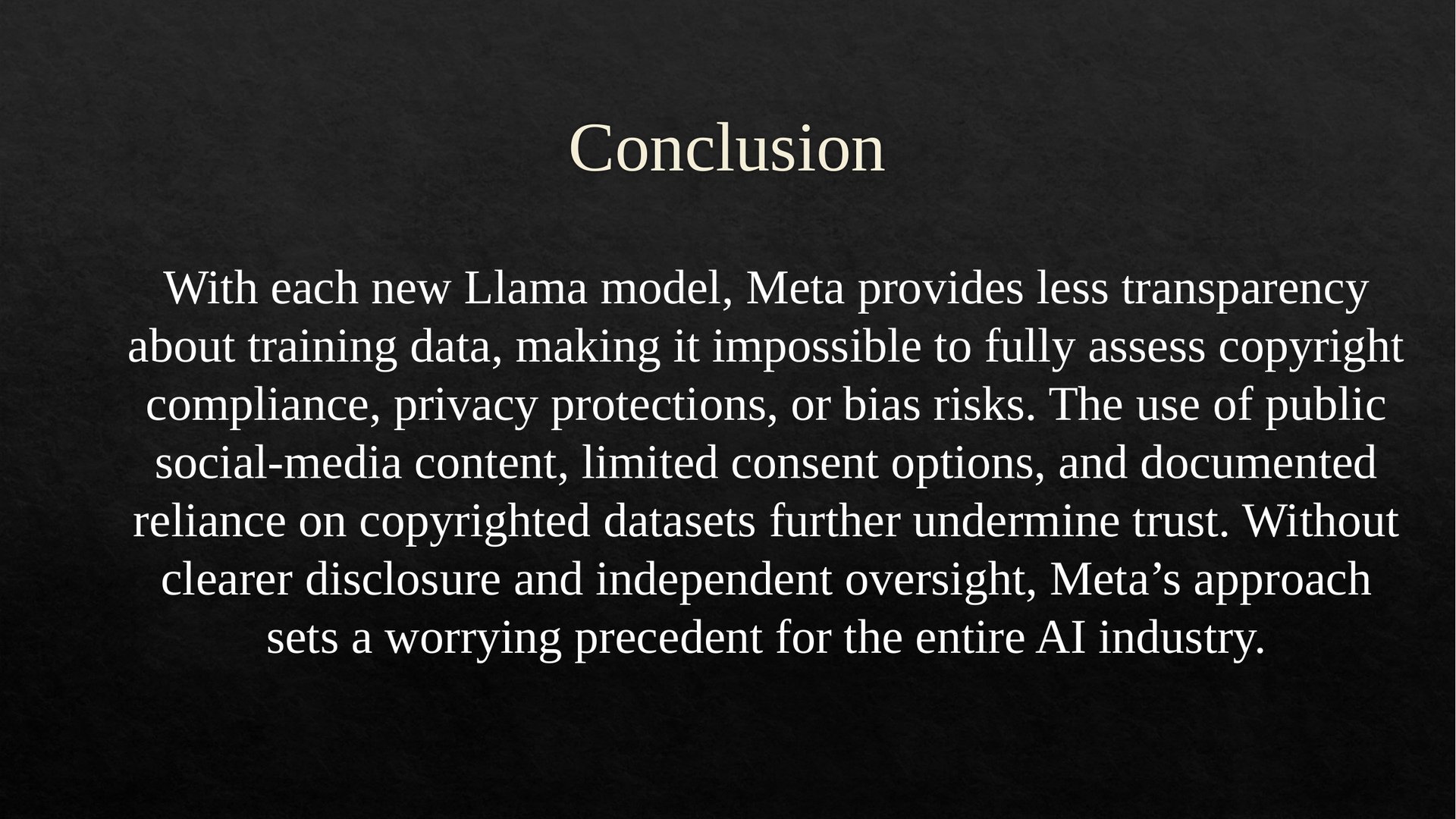
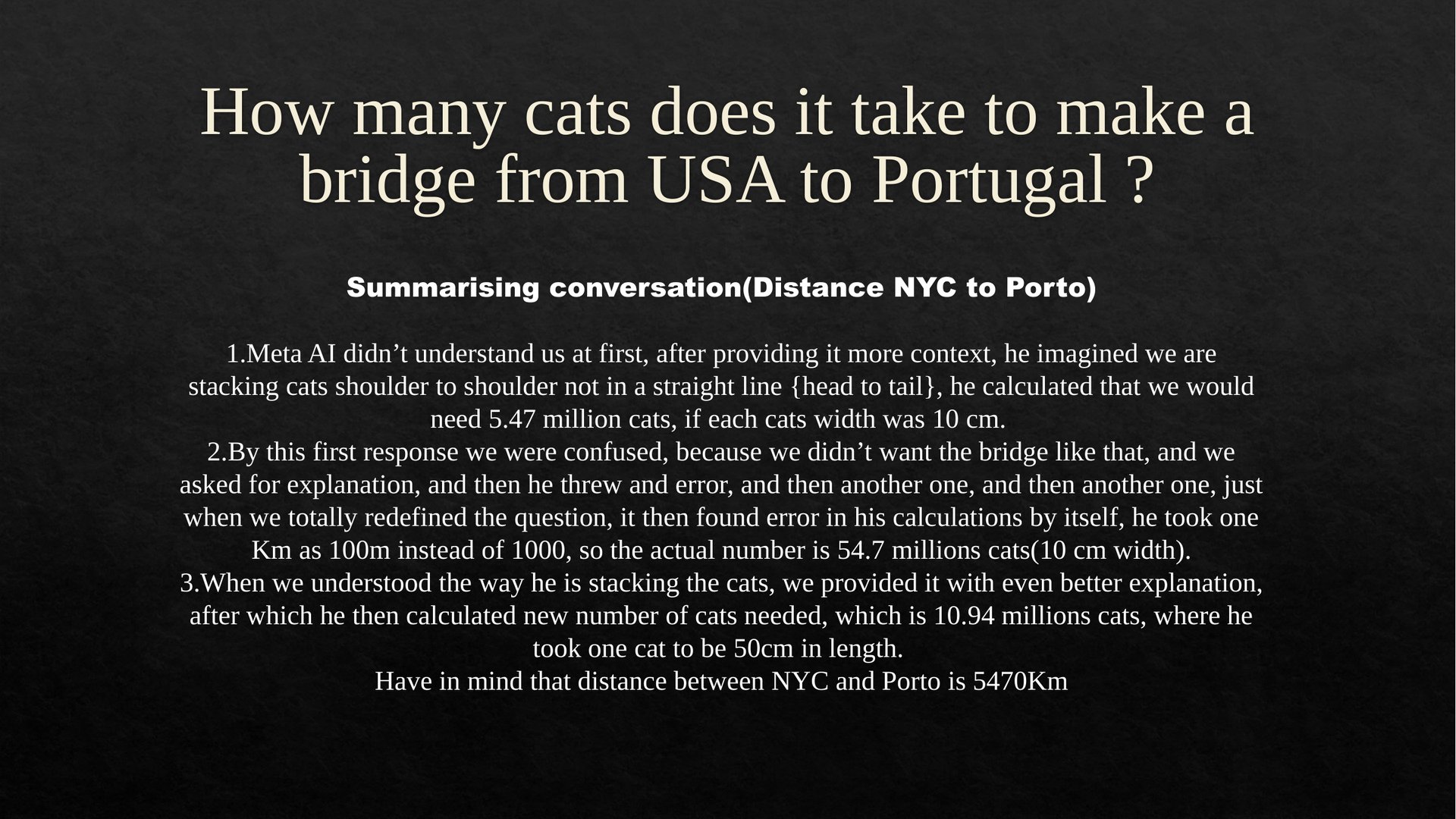
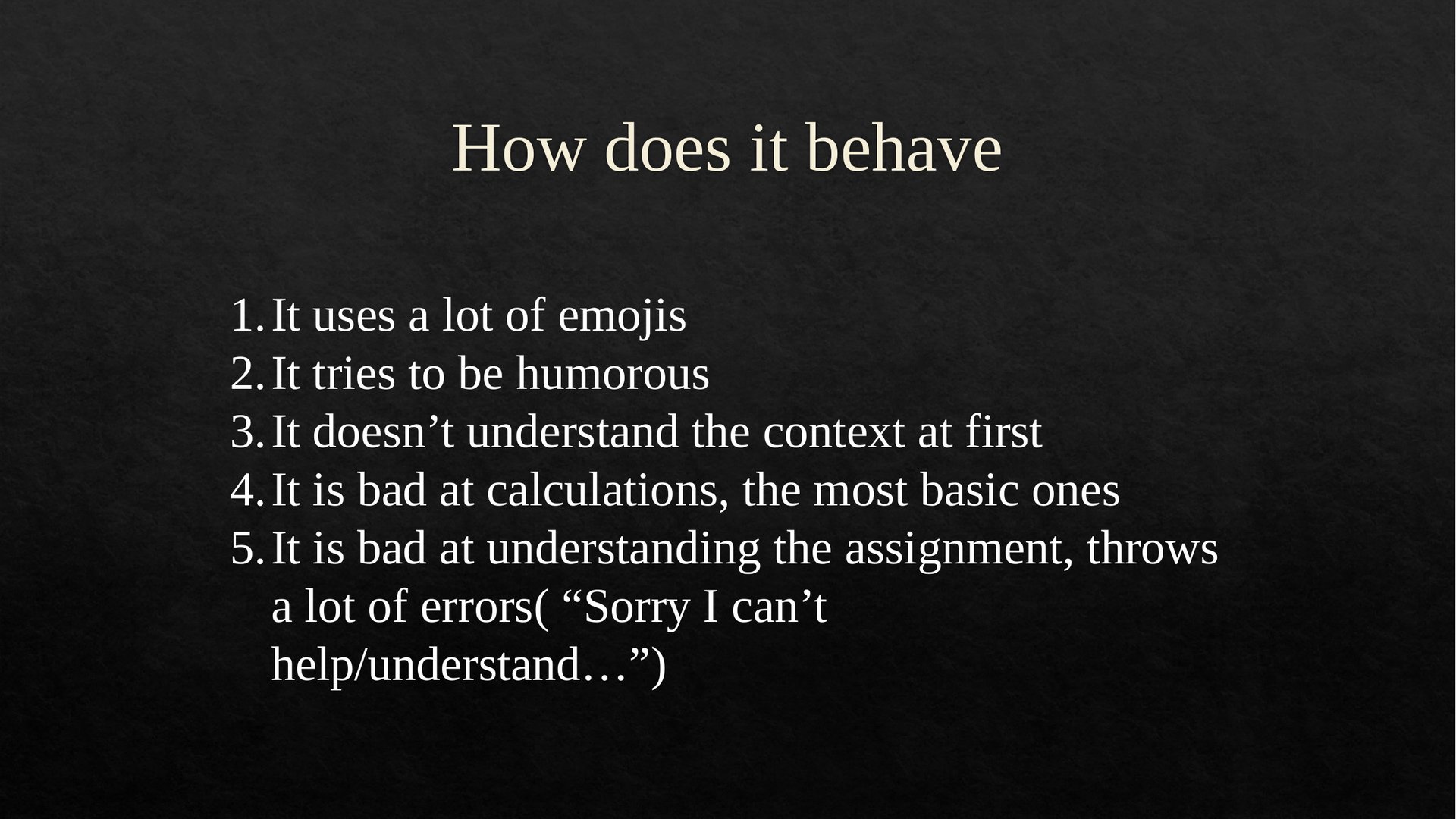
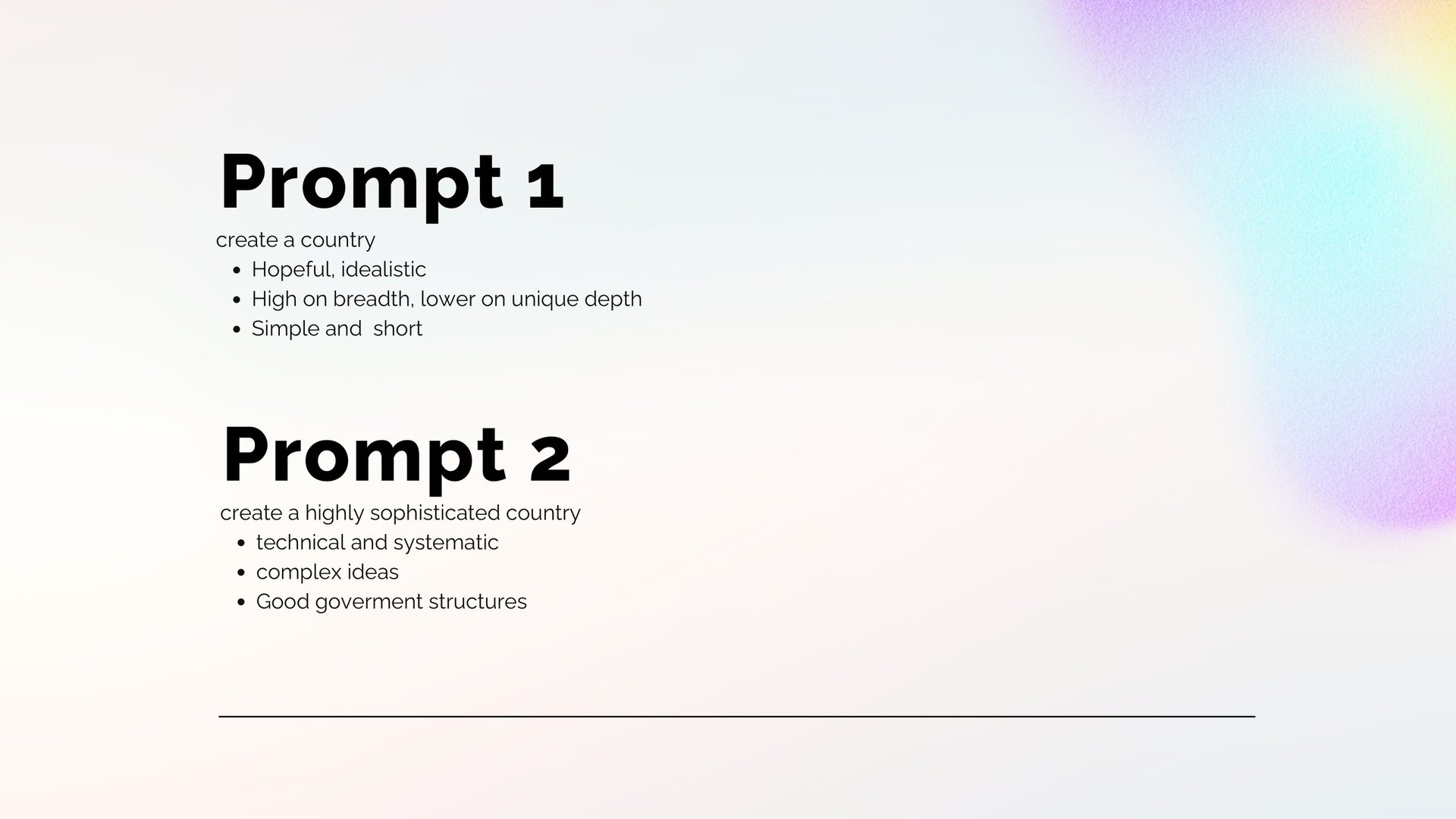
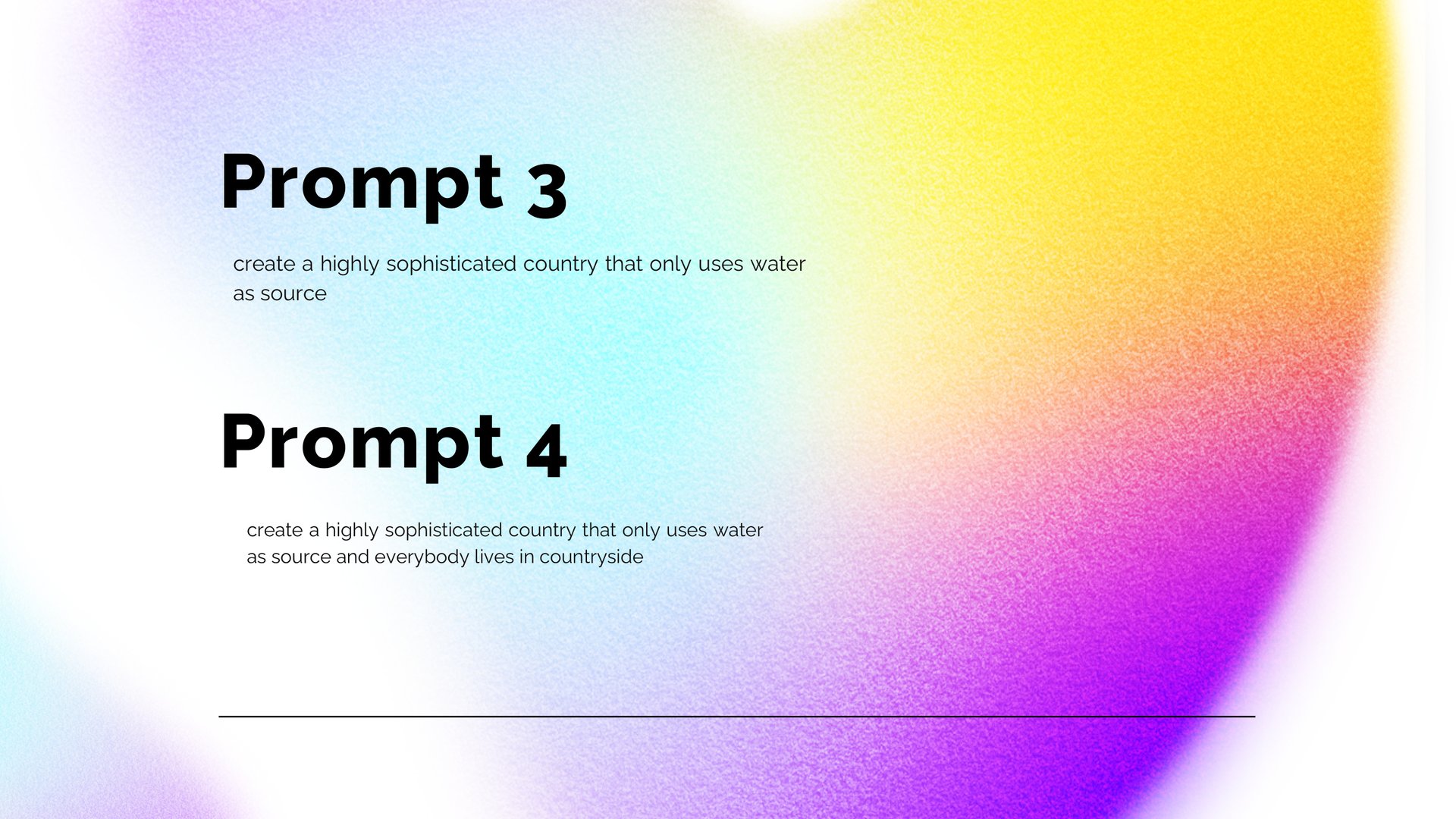
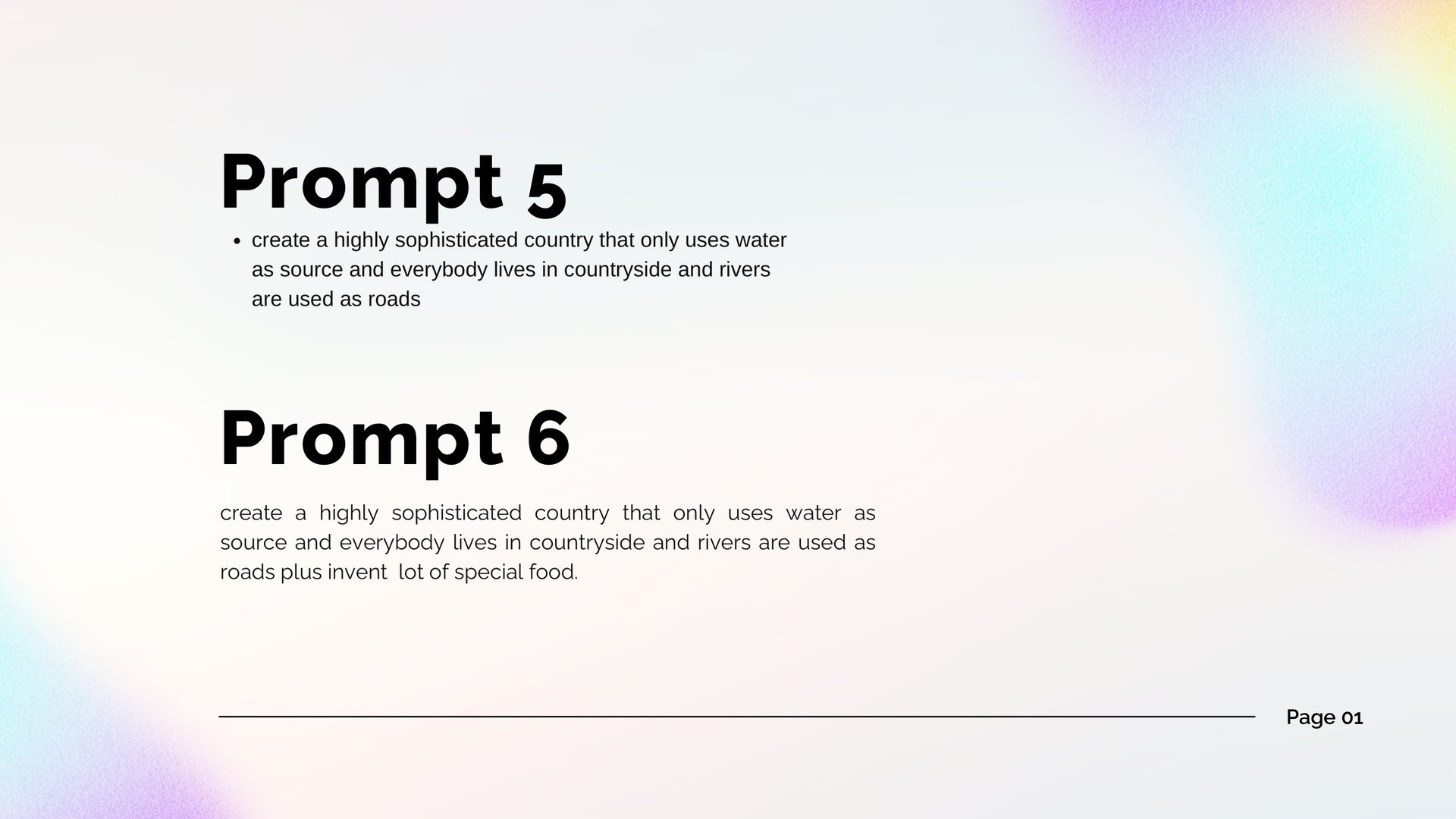
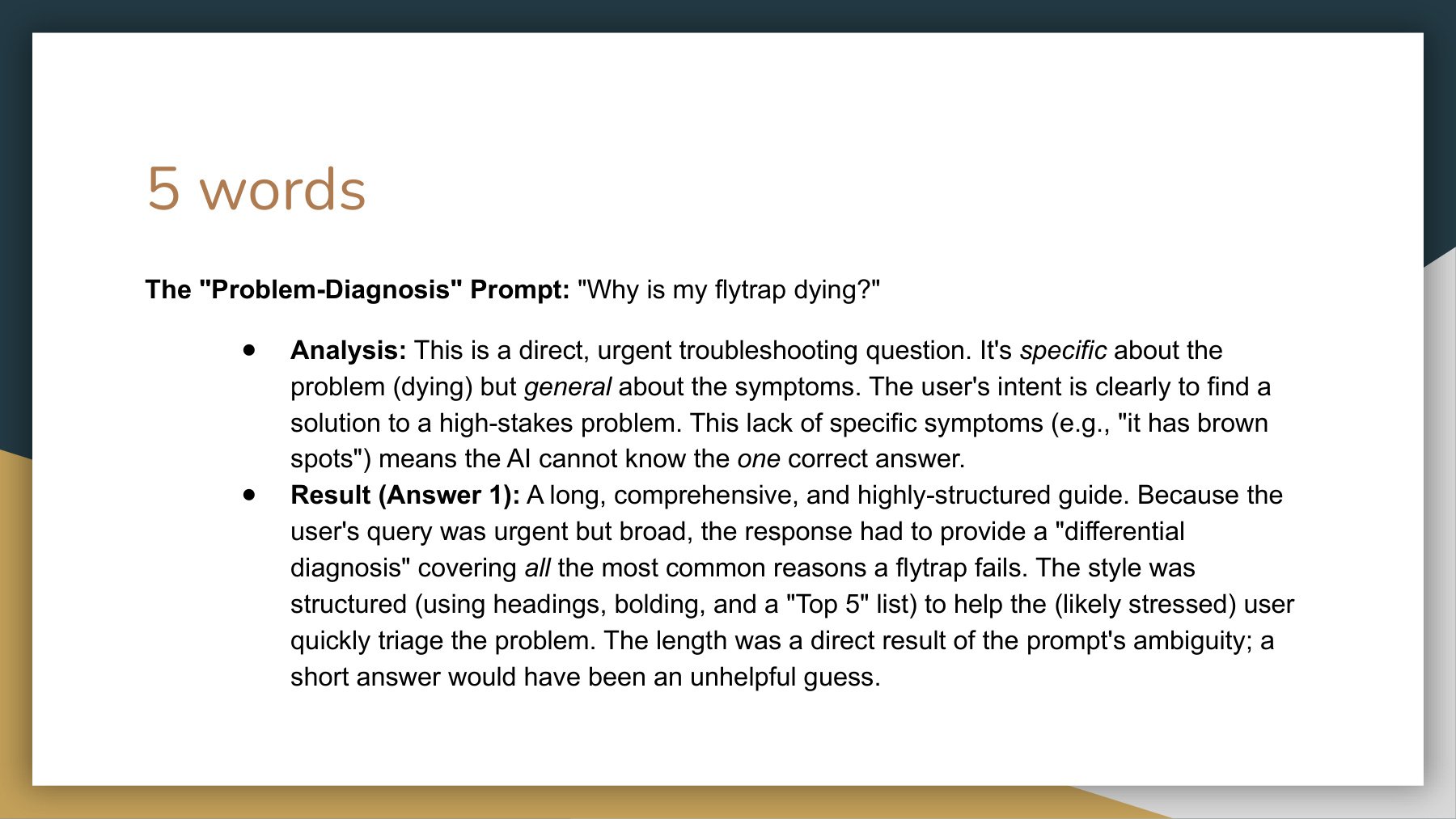
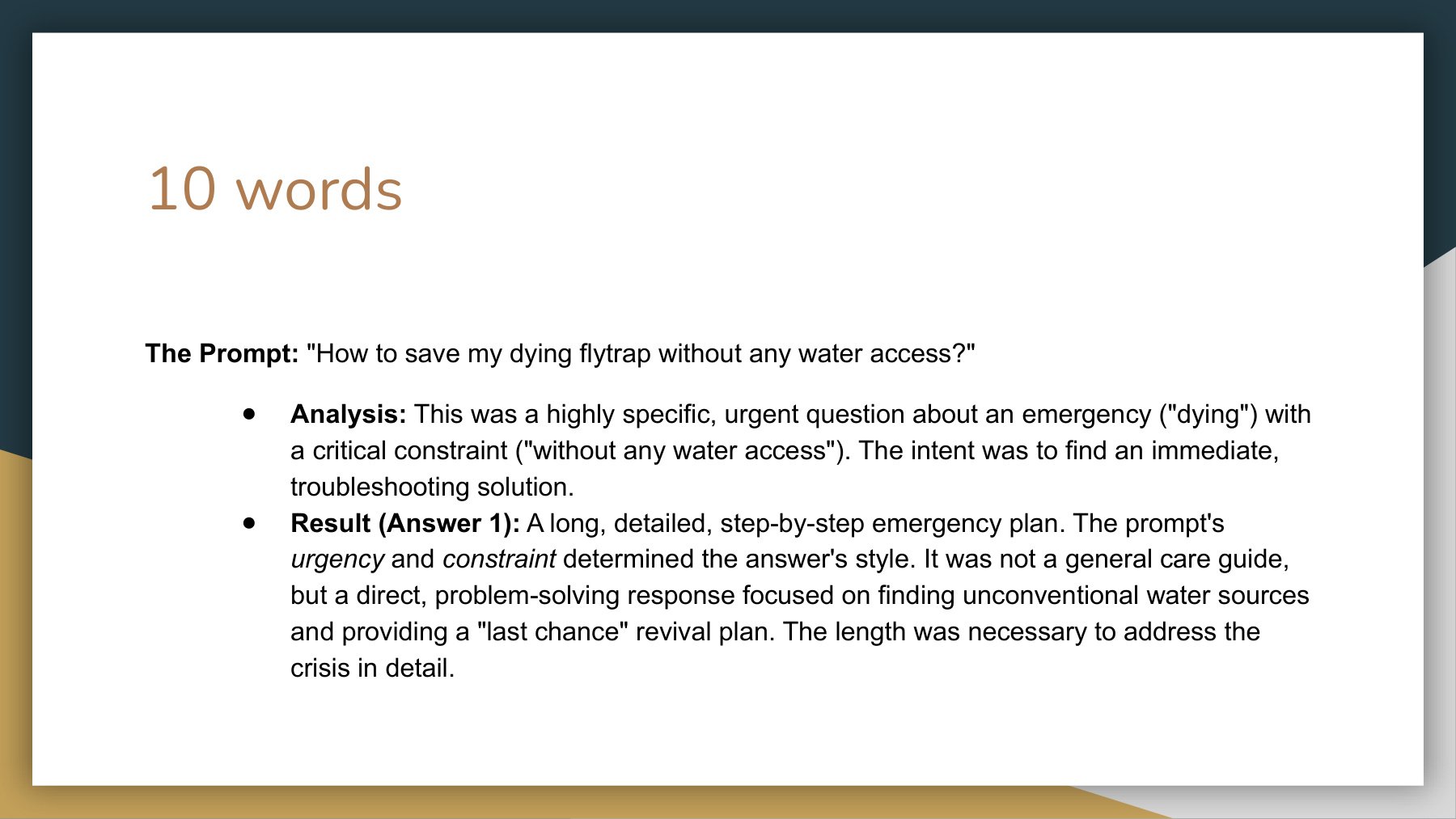
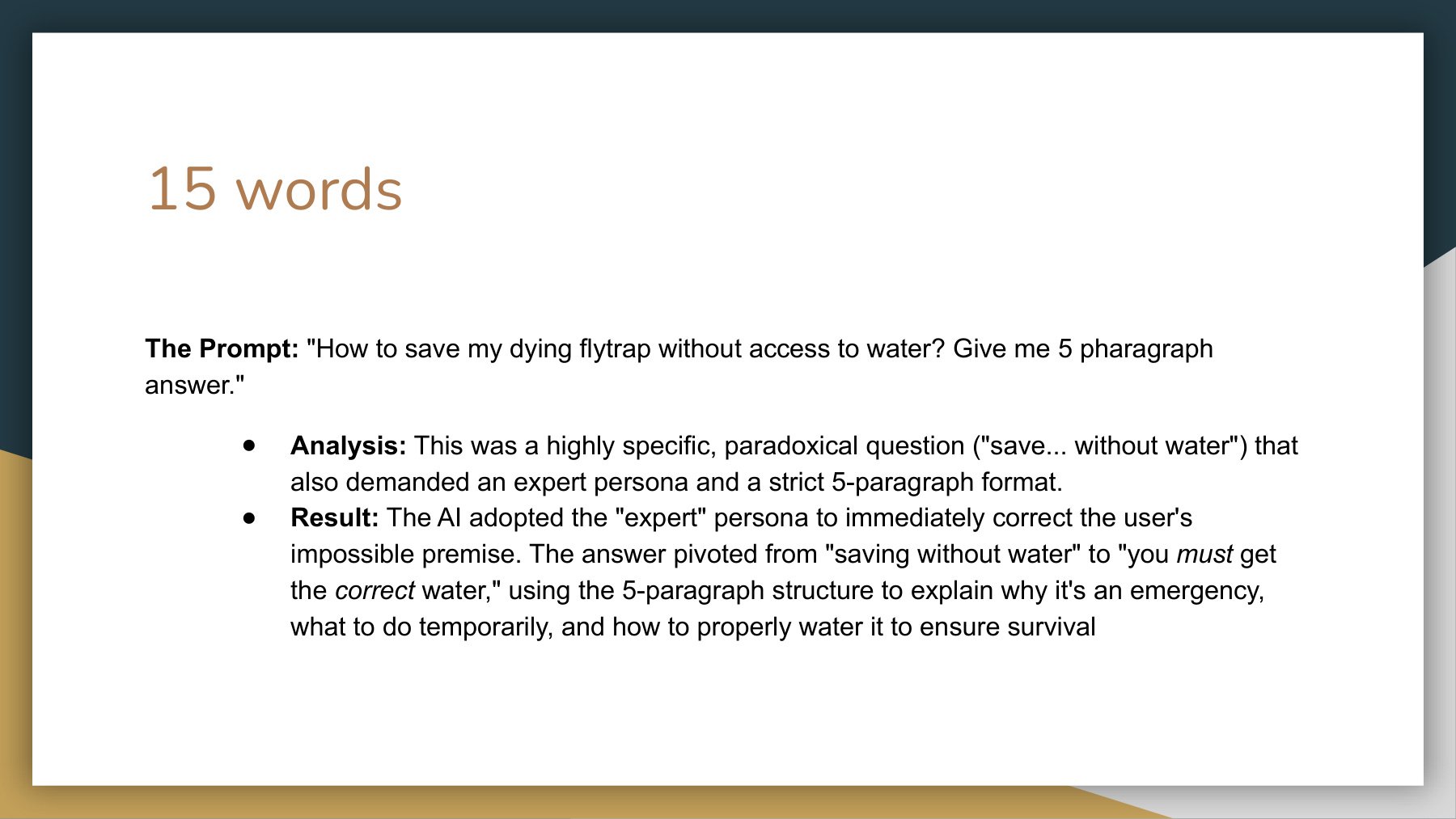
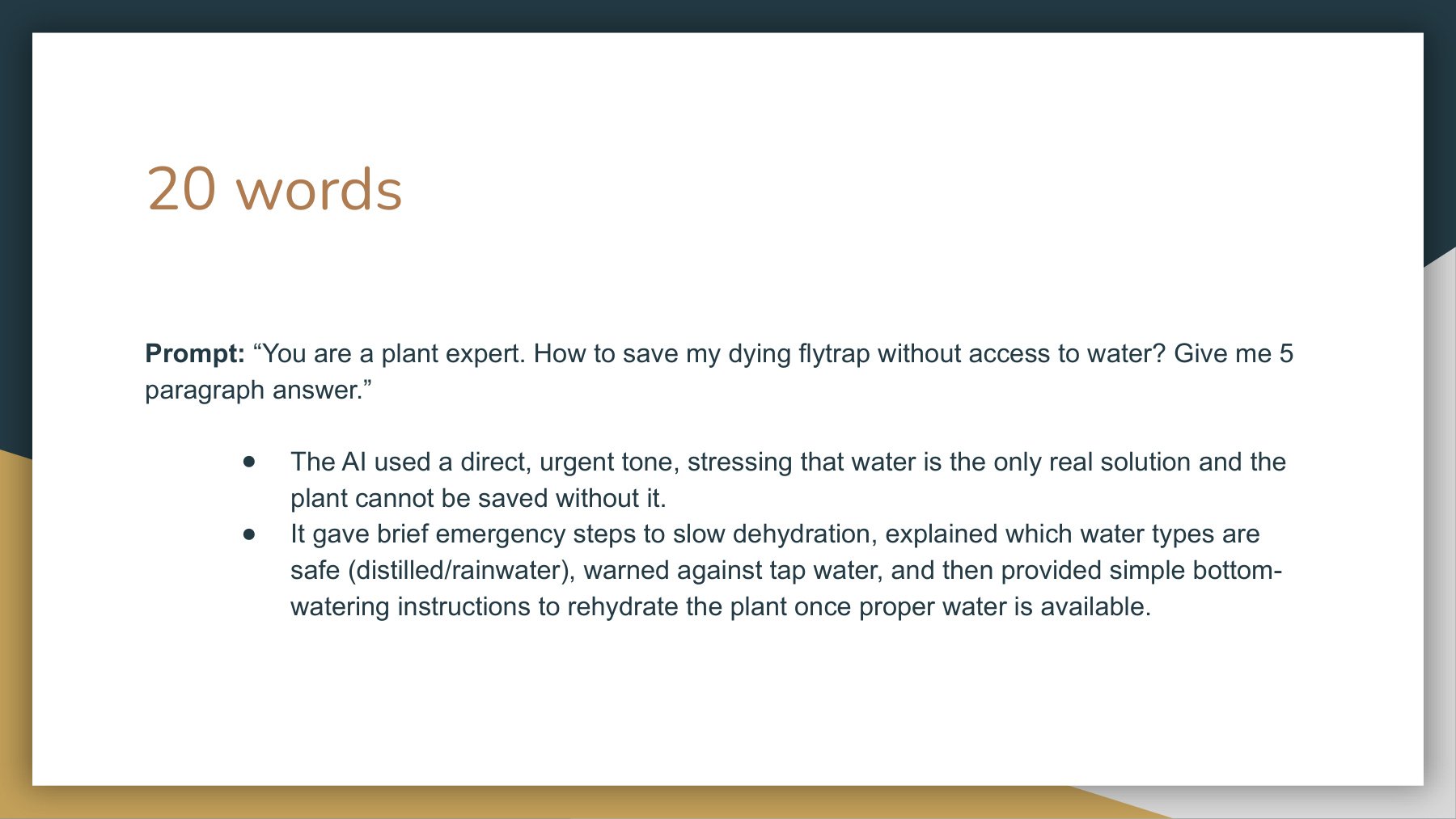
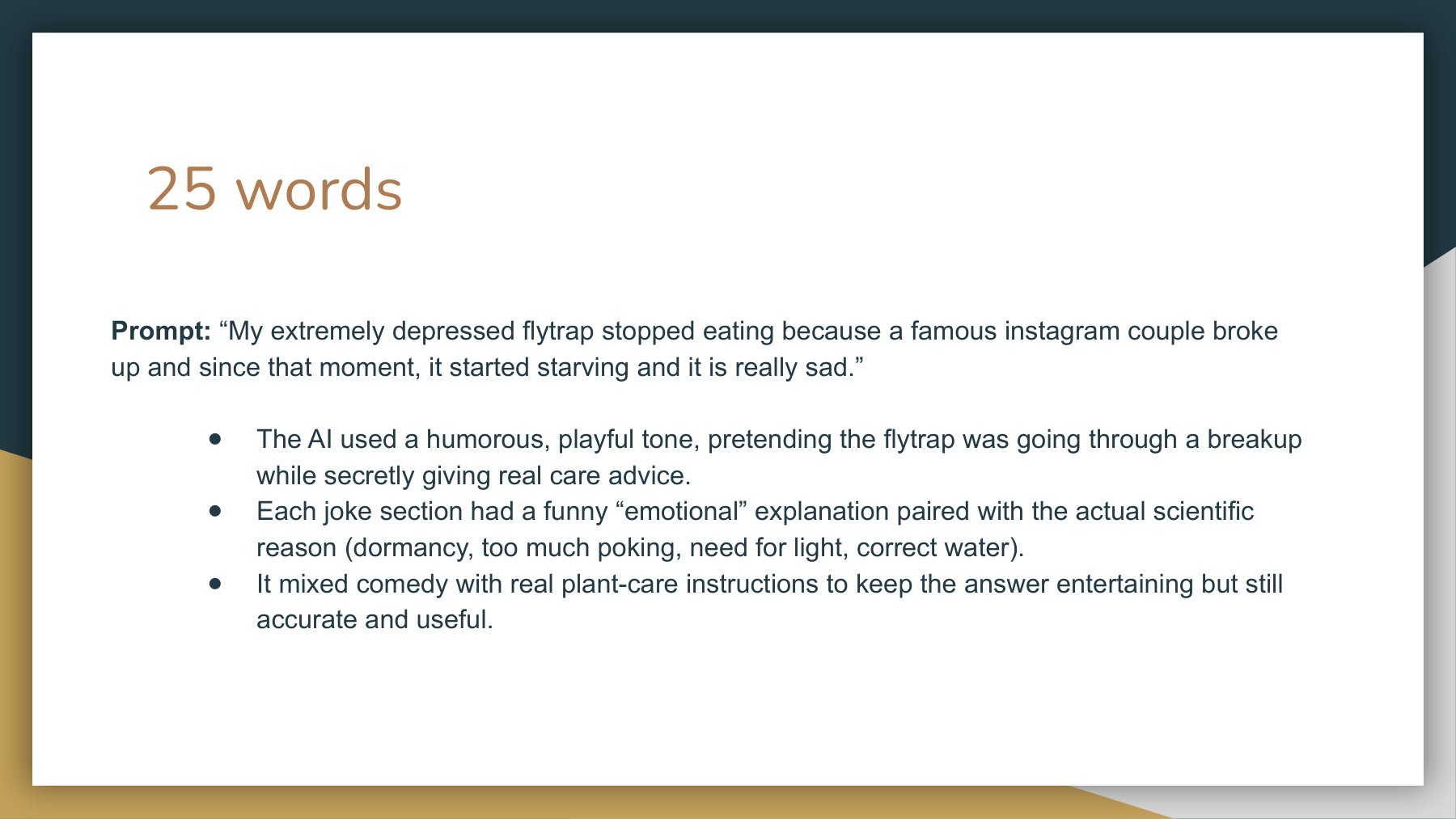
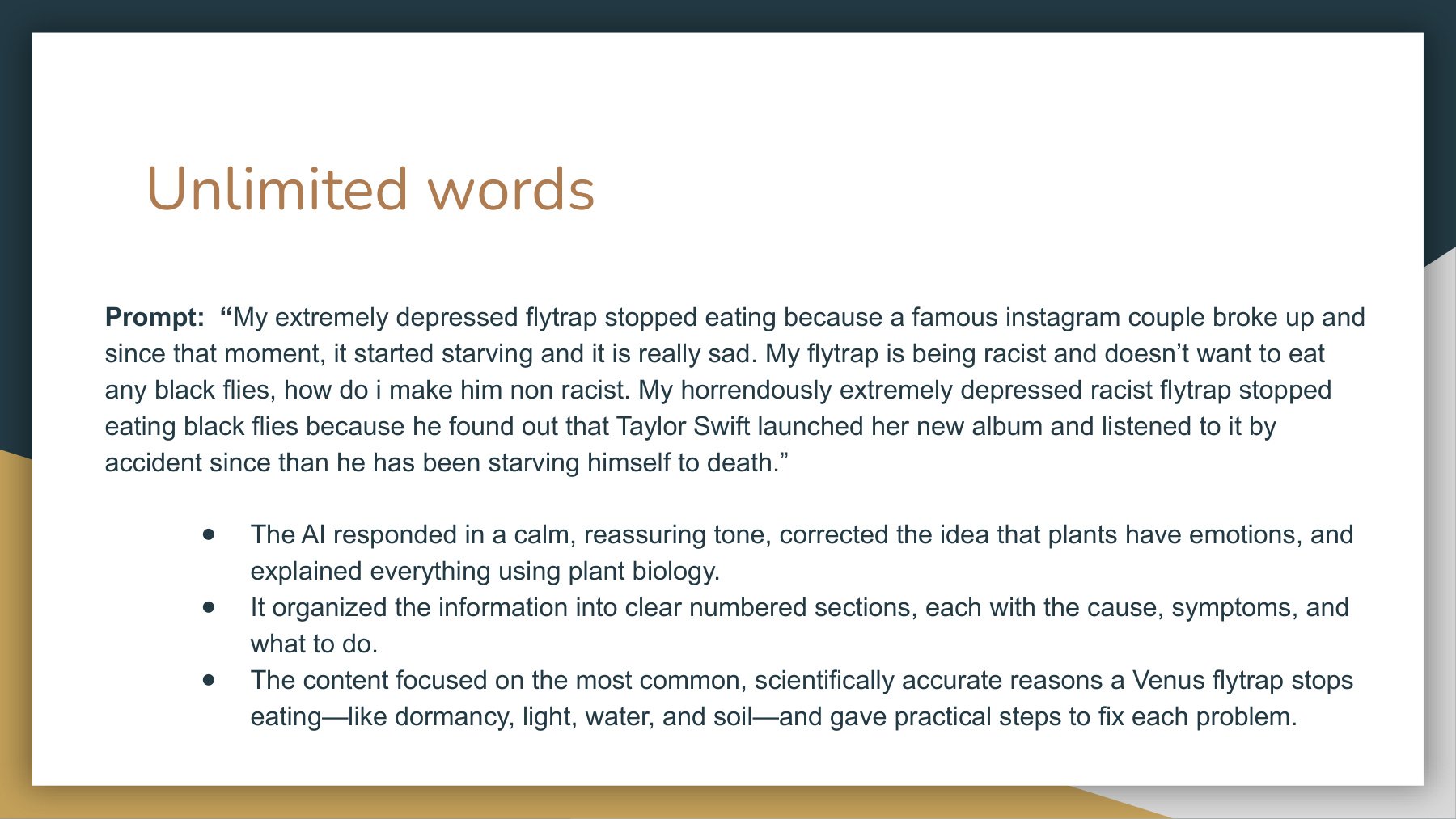
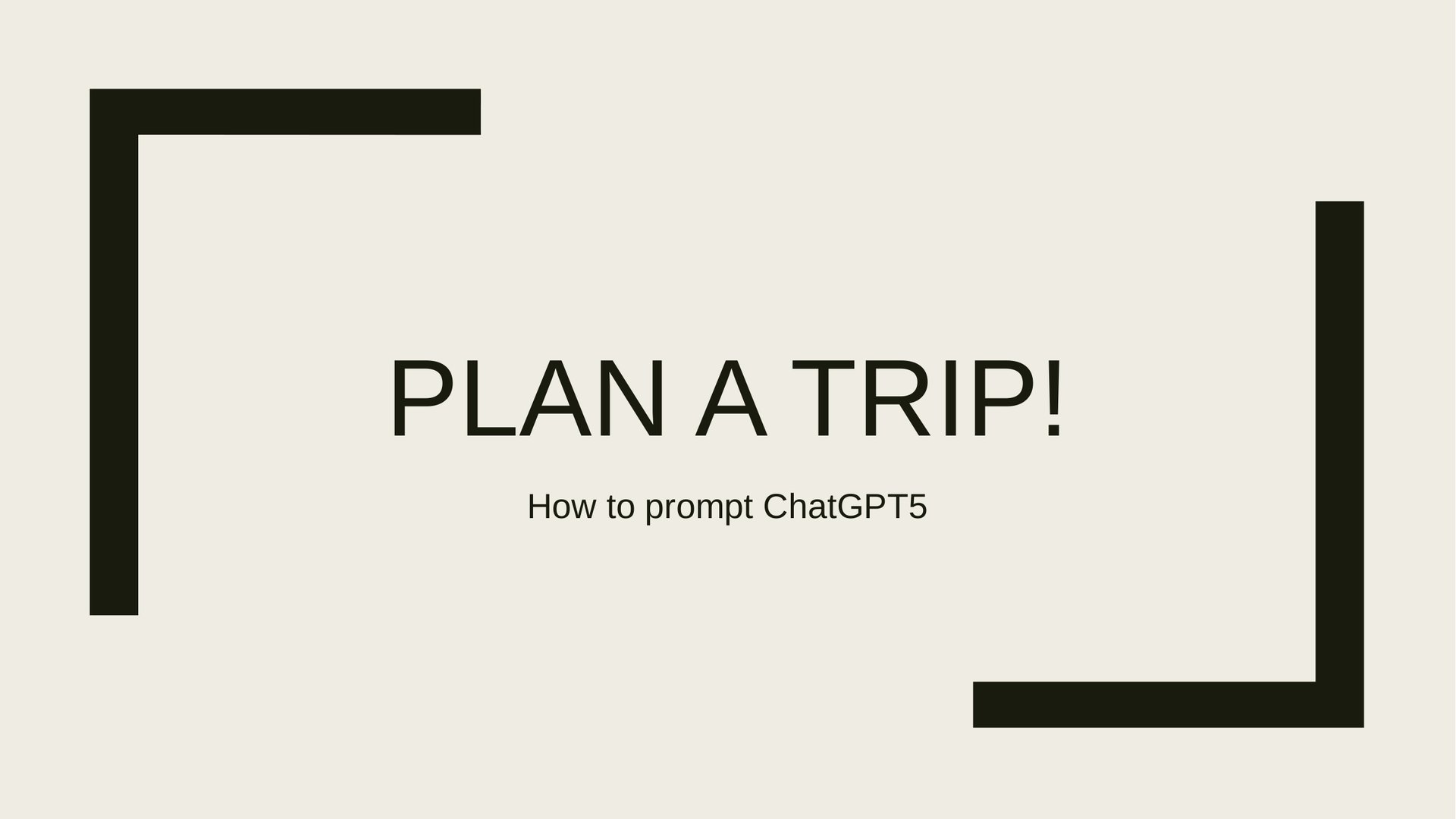
Prompt Perfect: refining the perfect prompt
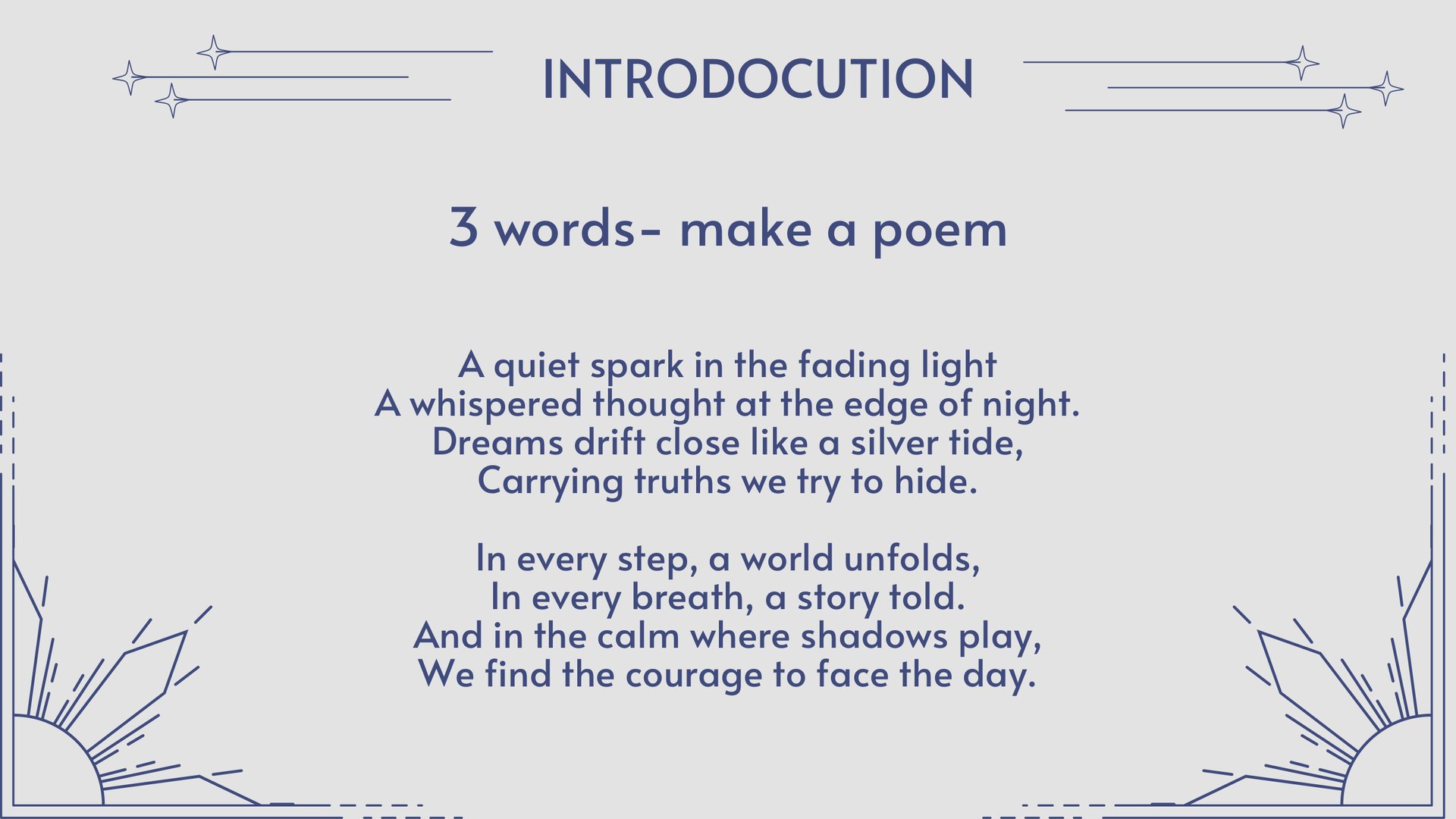
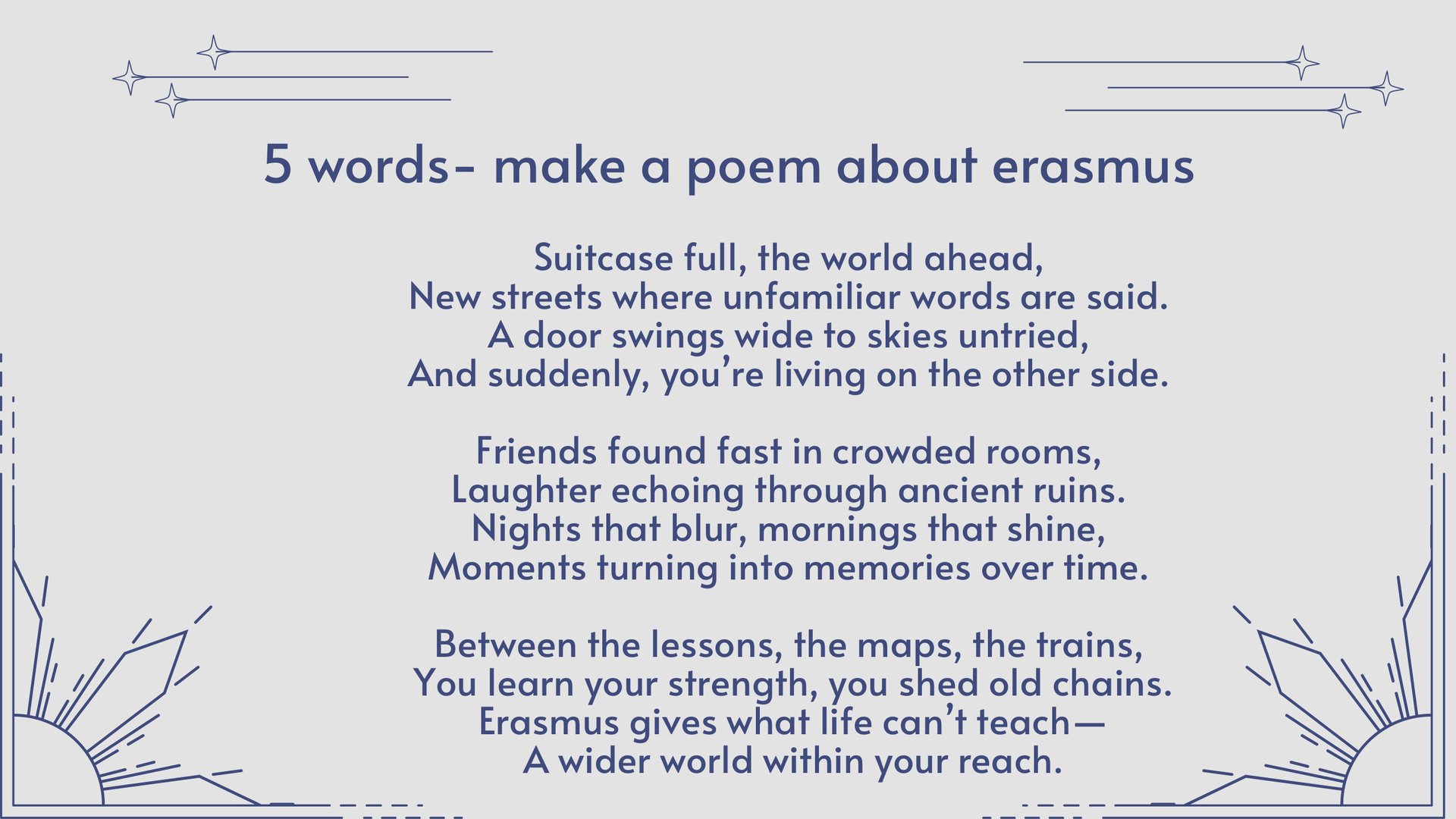
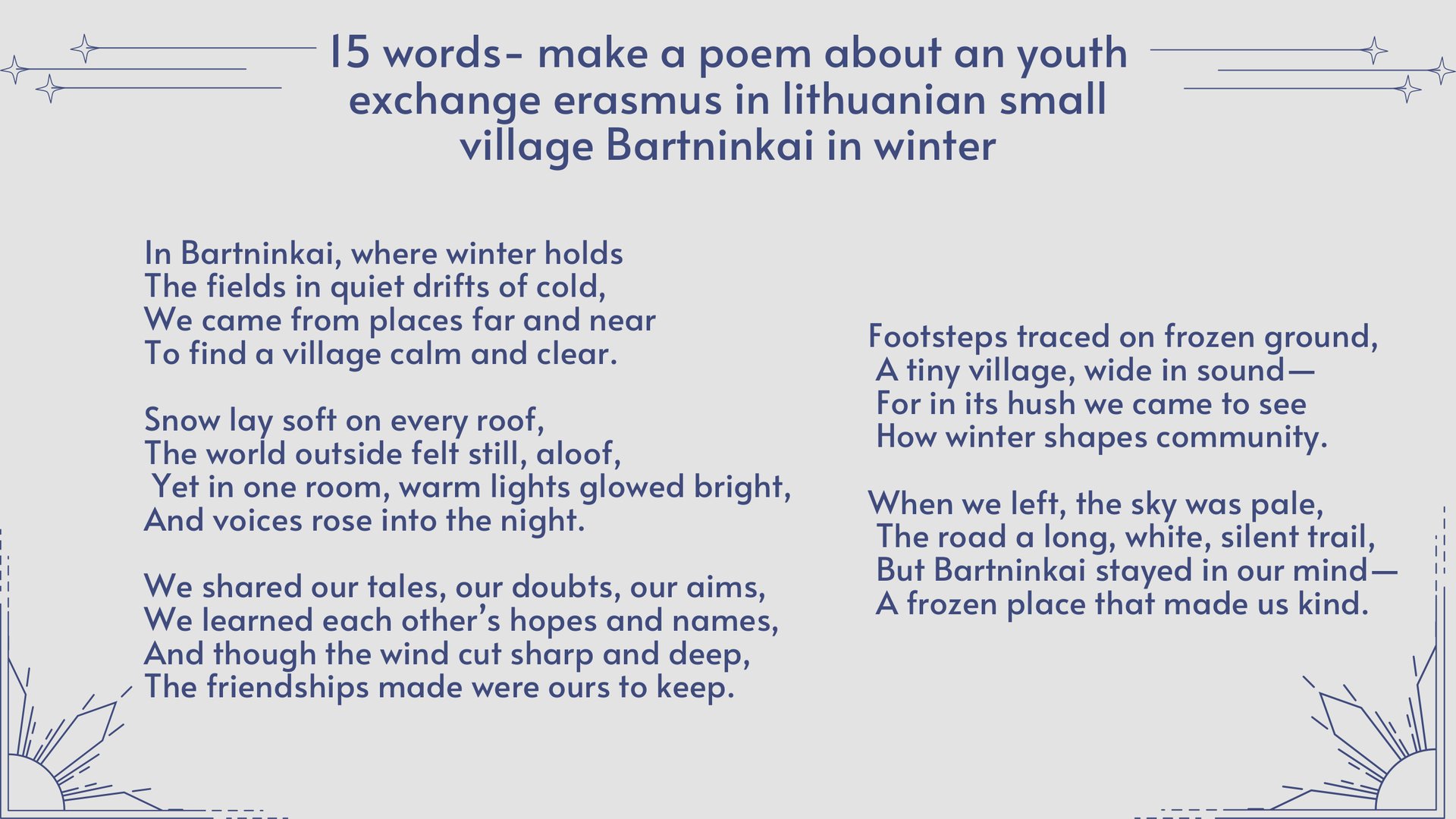
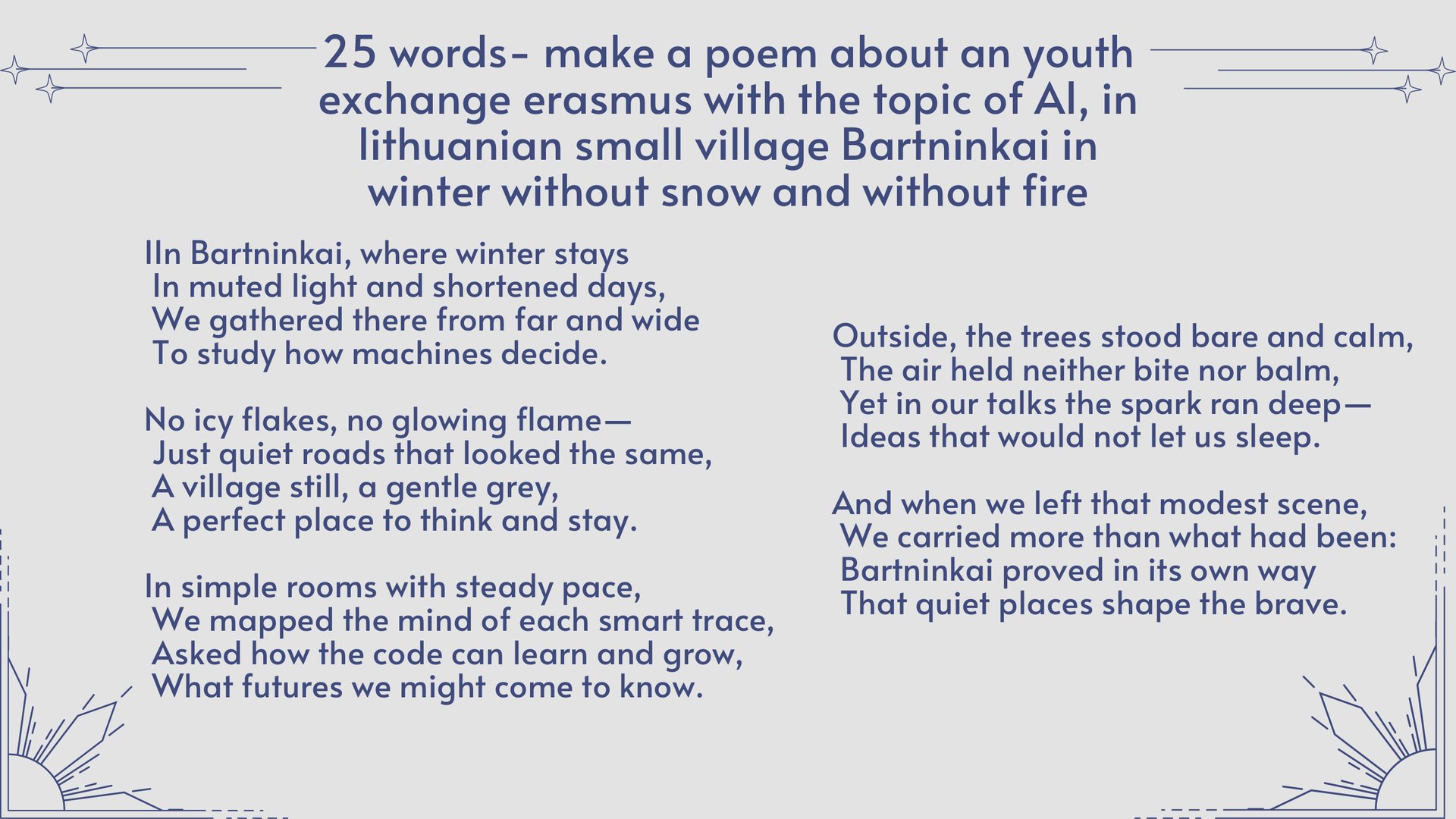
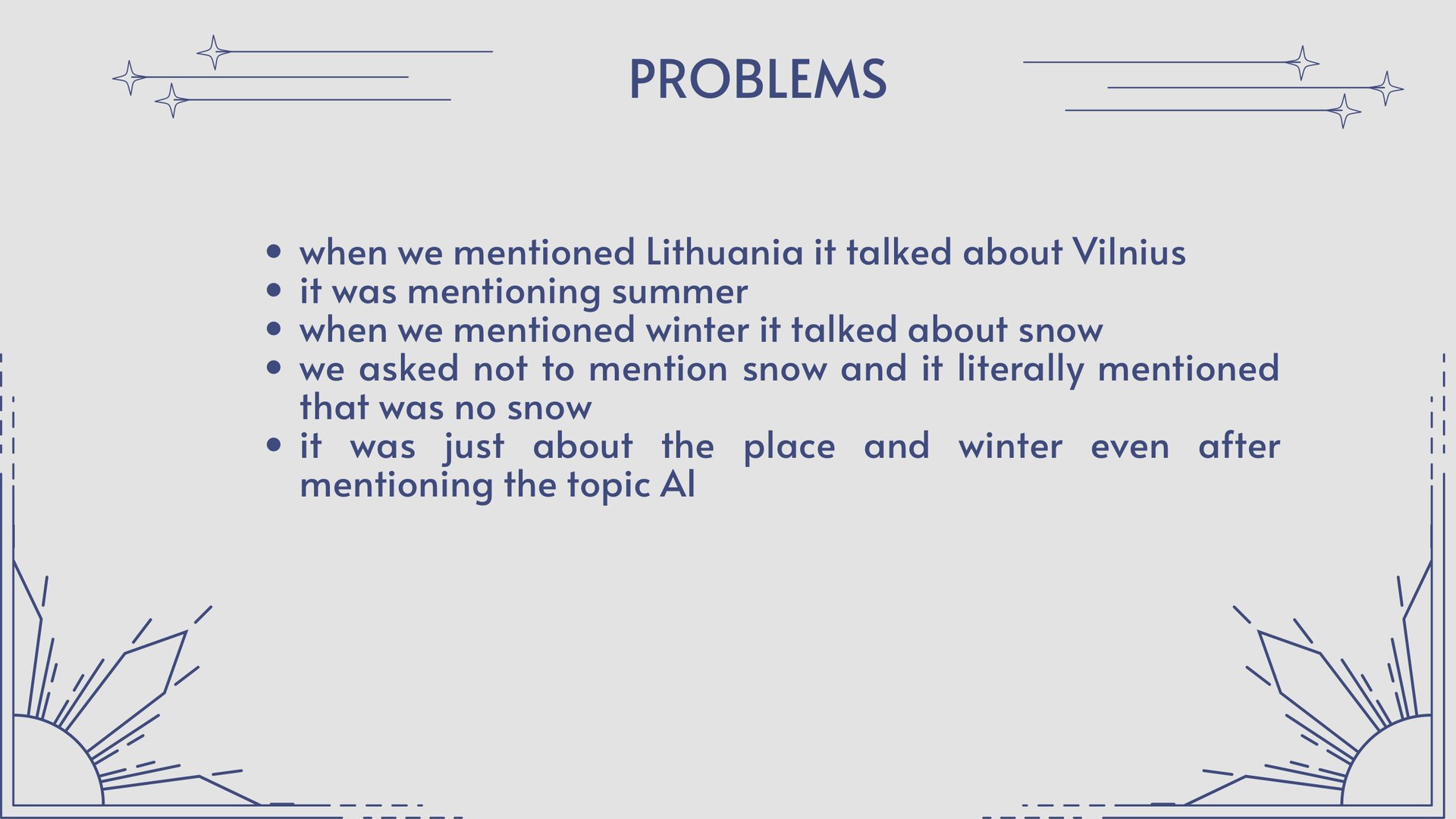
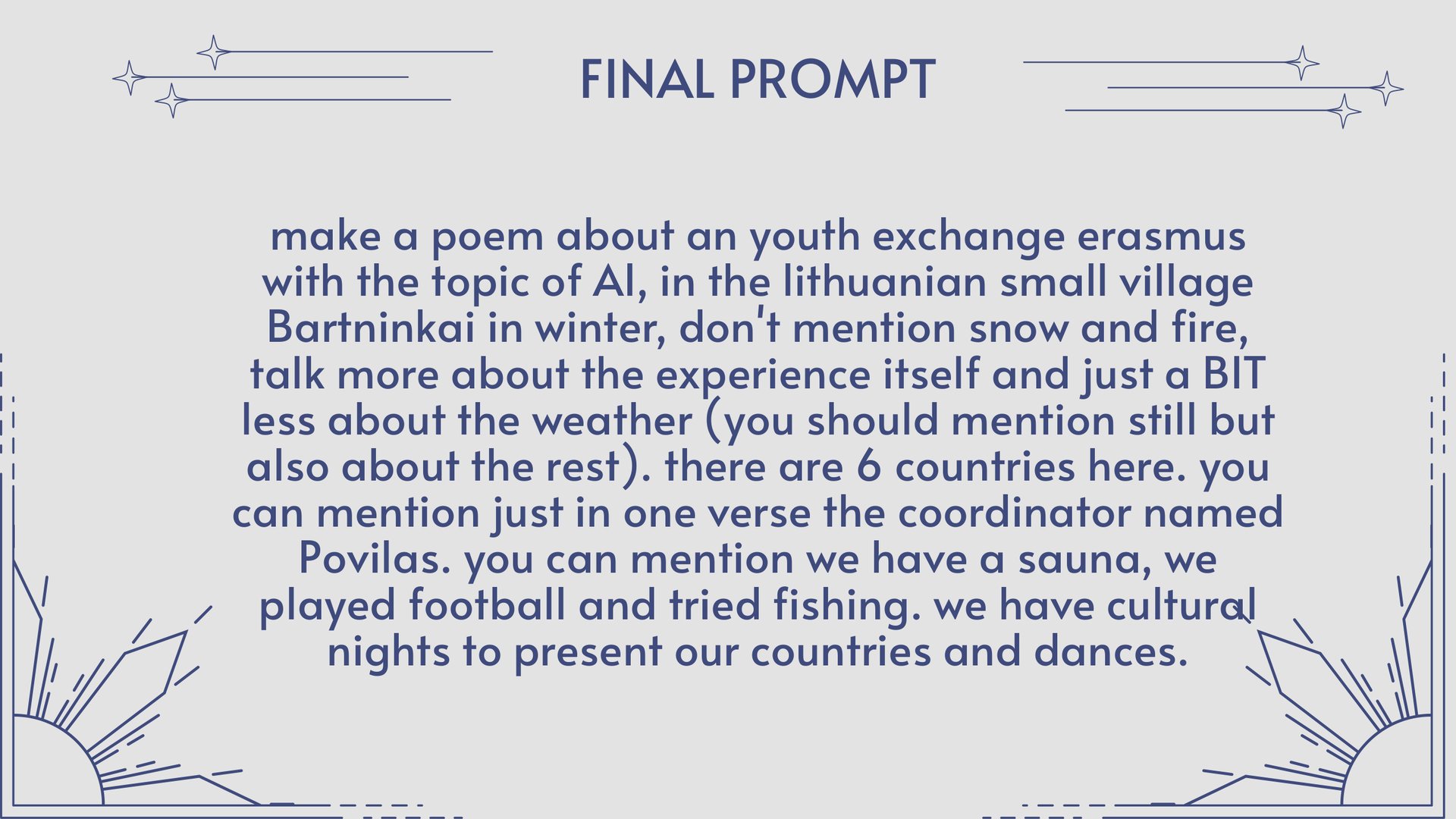
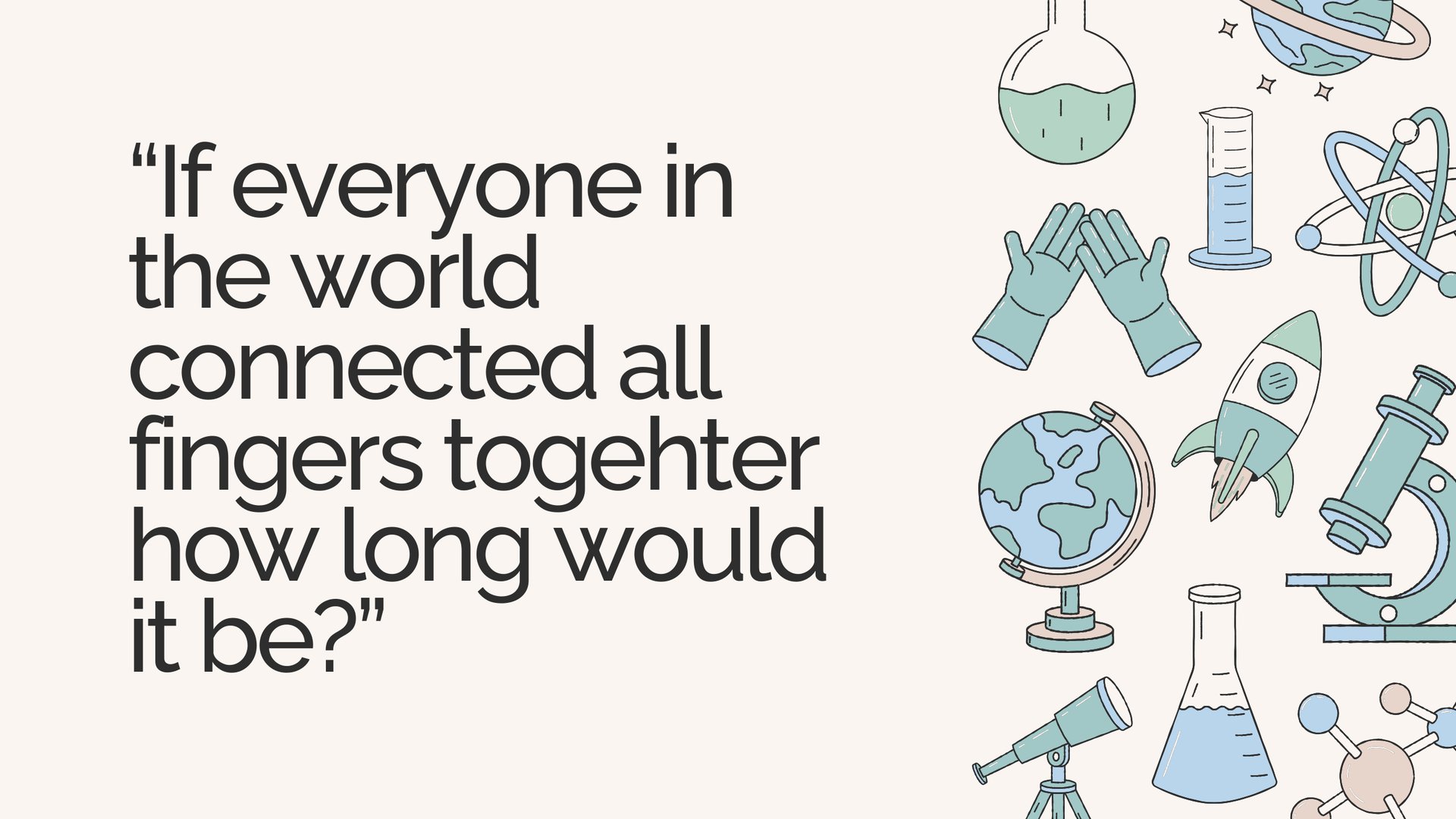
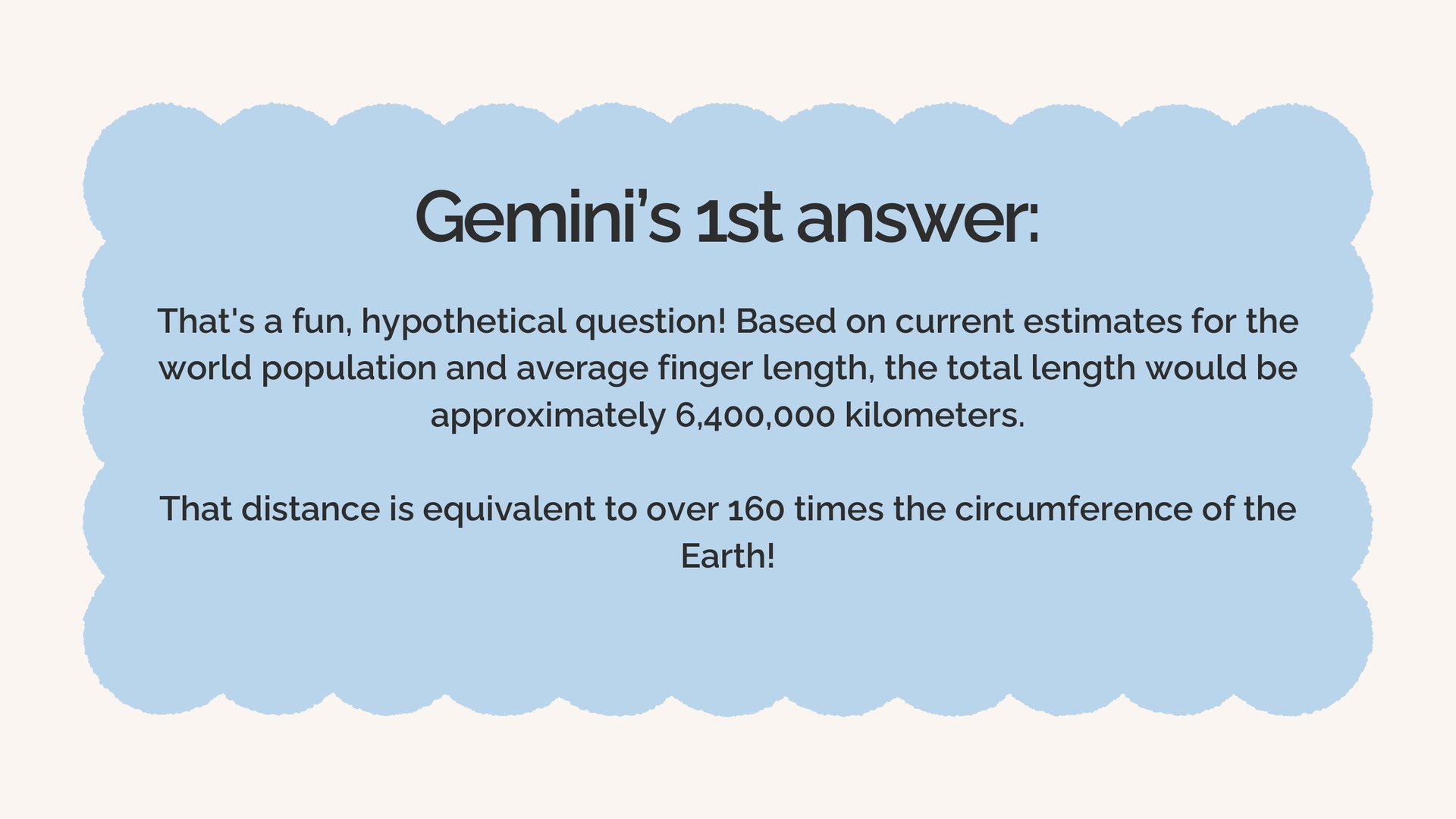
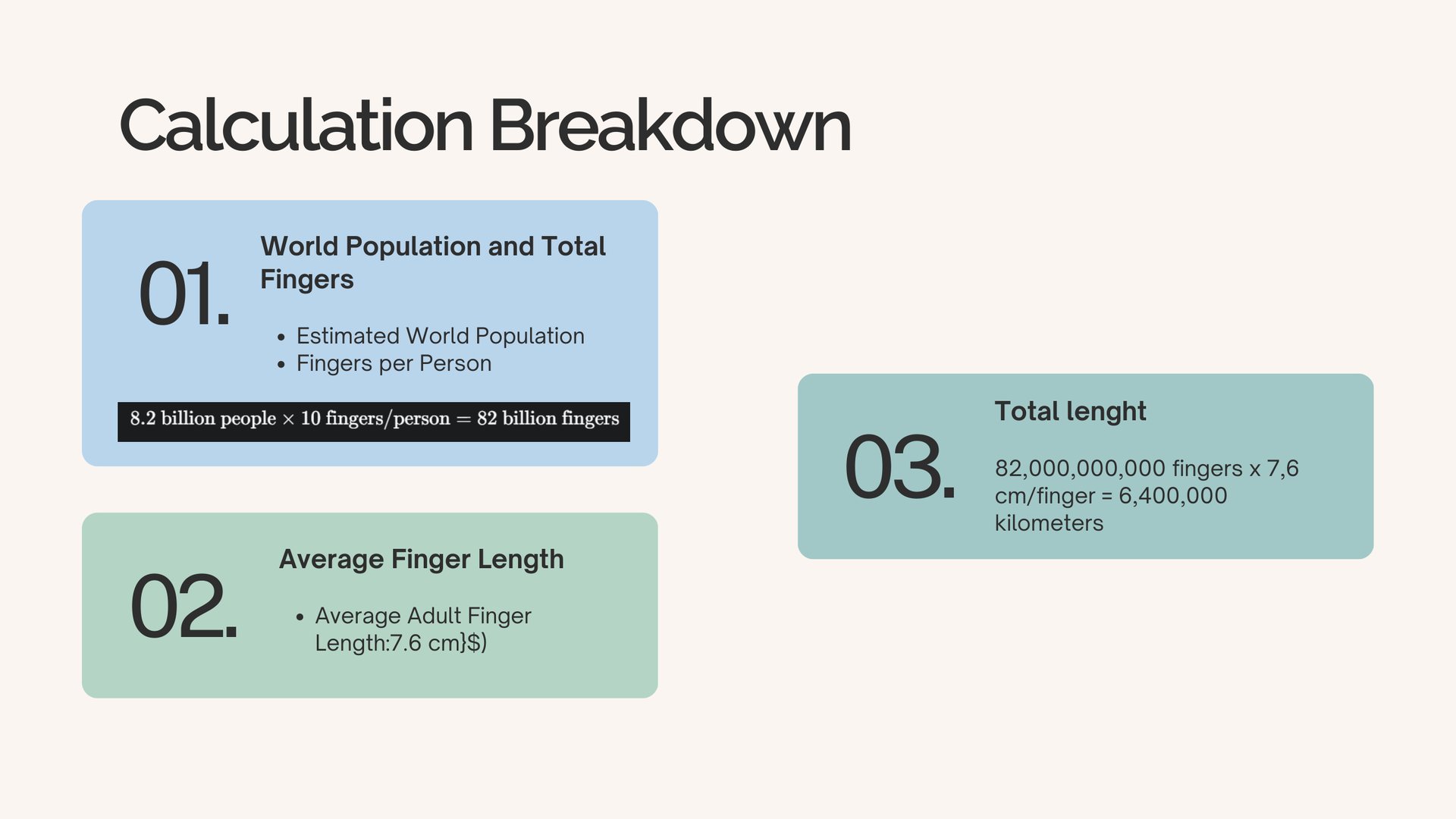
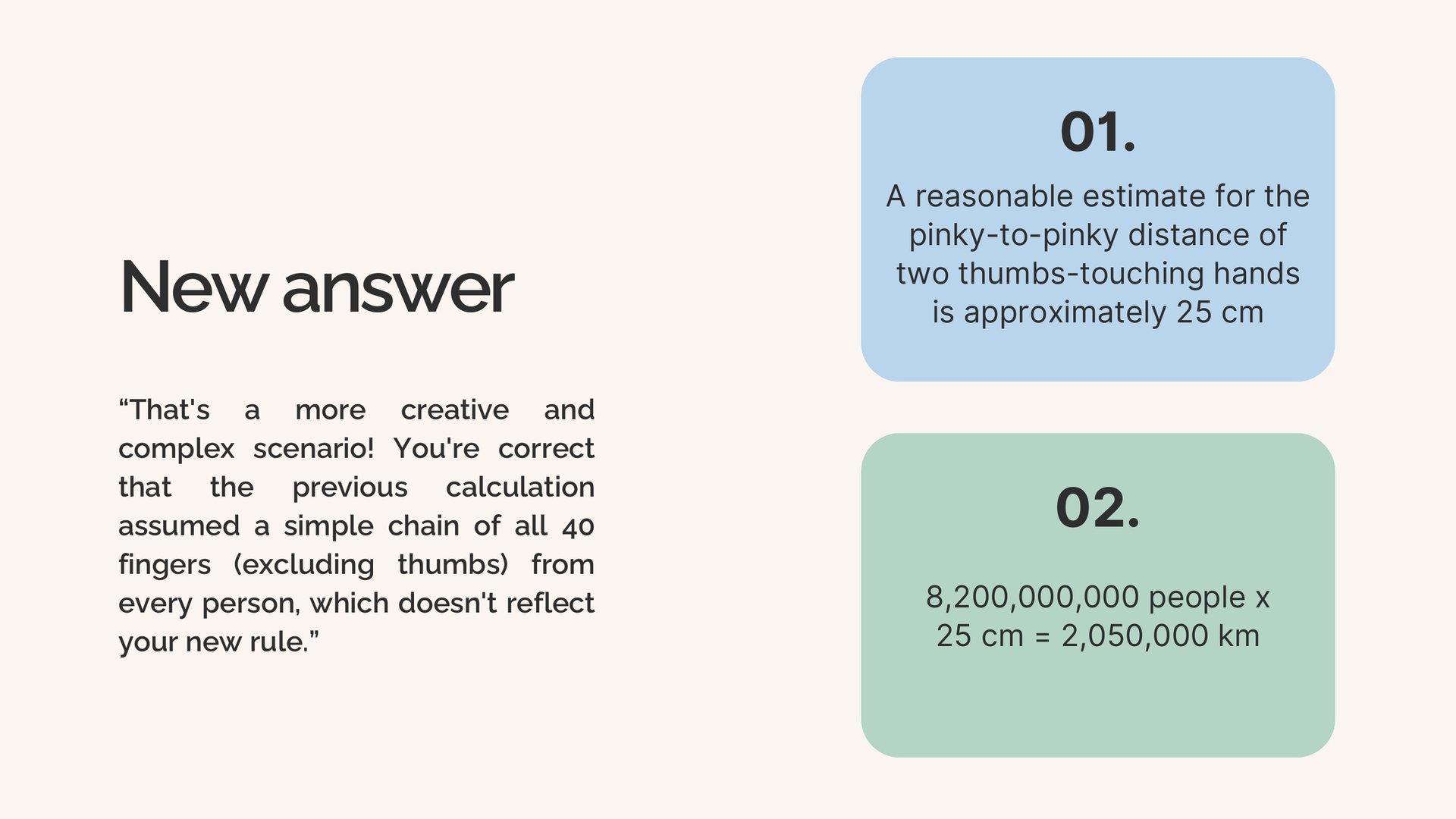
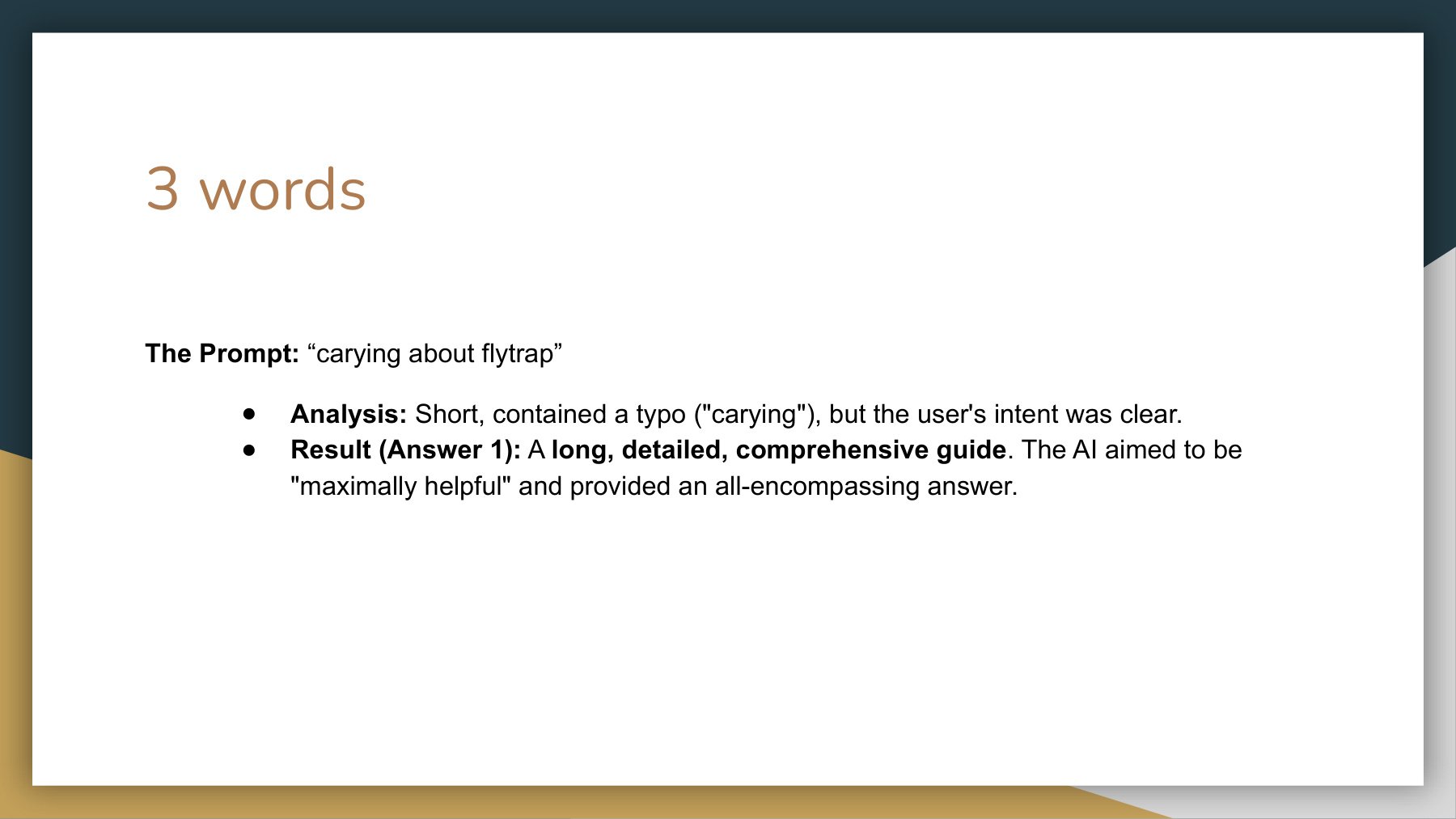
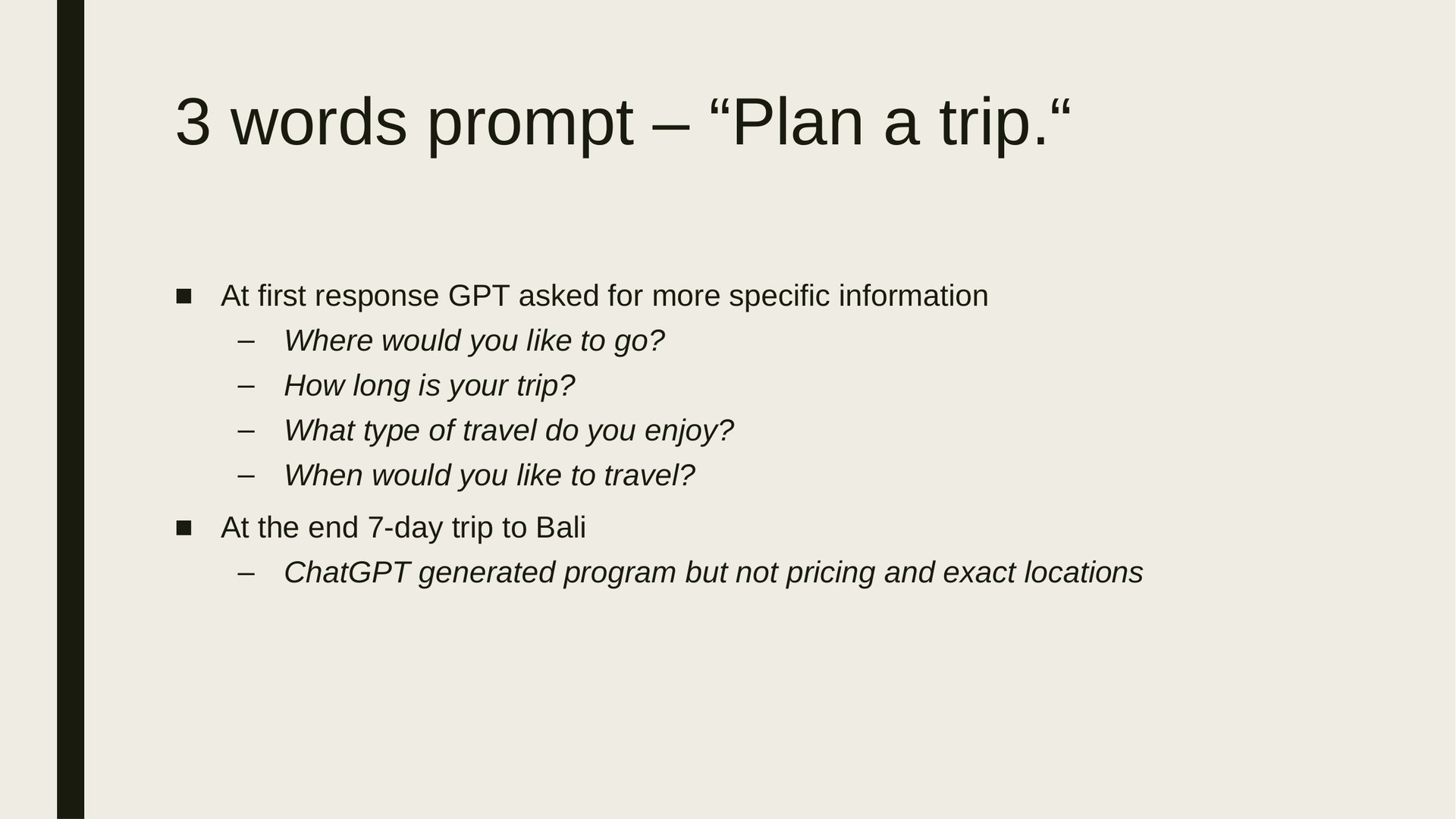
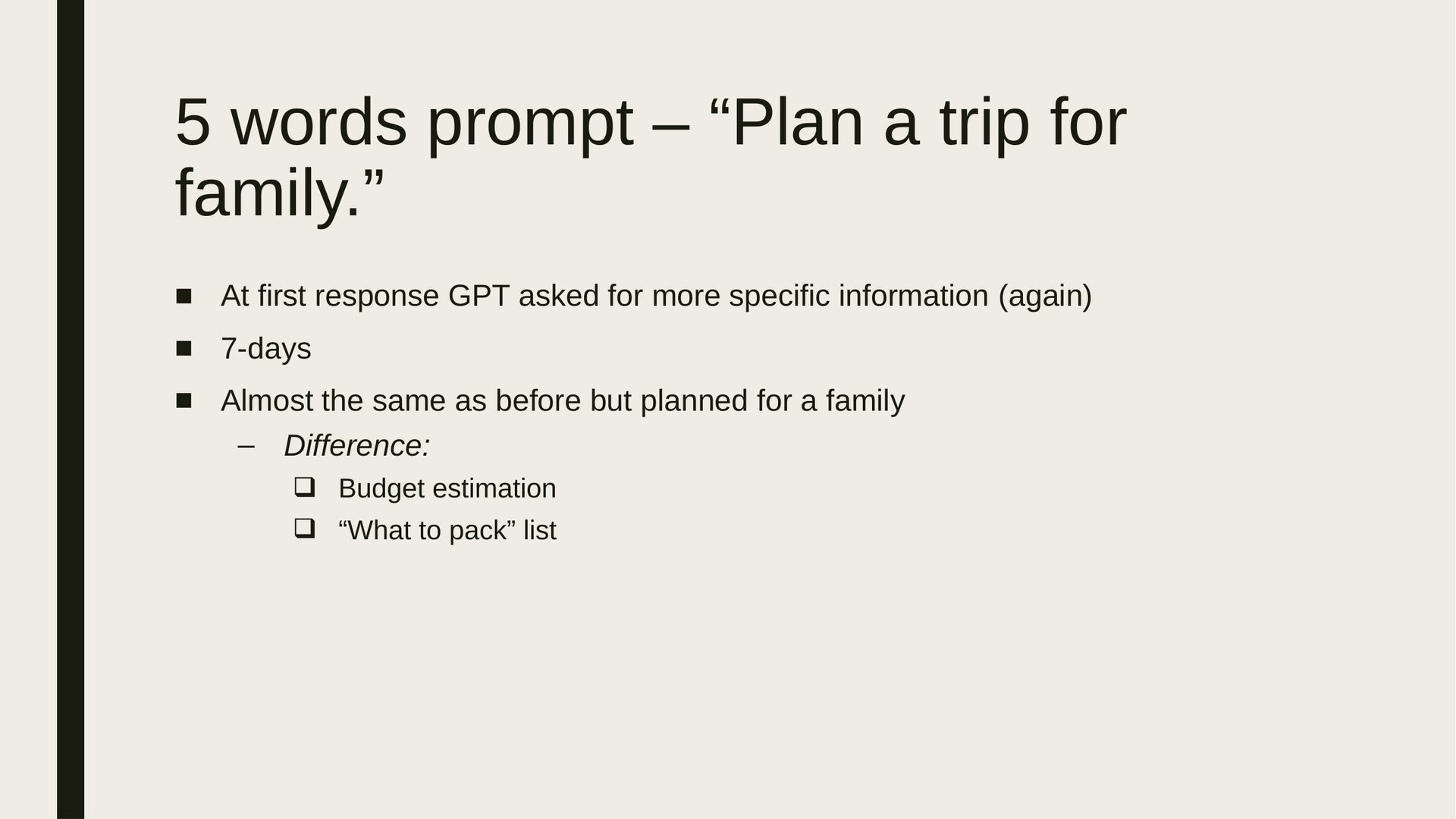
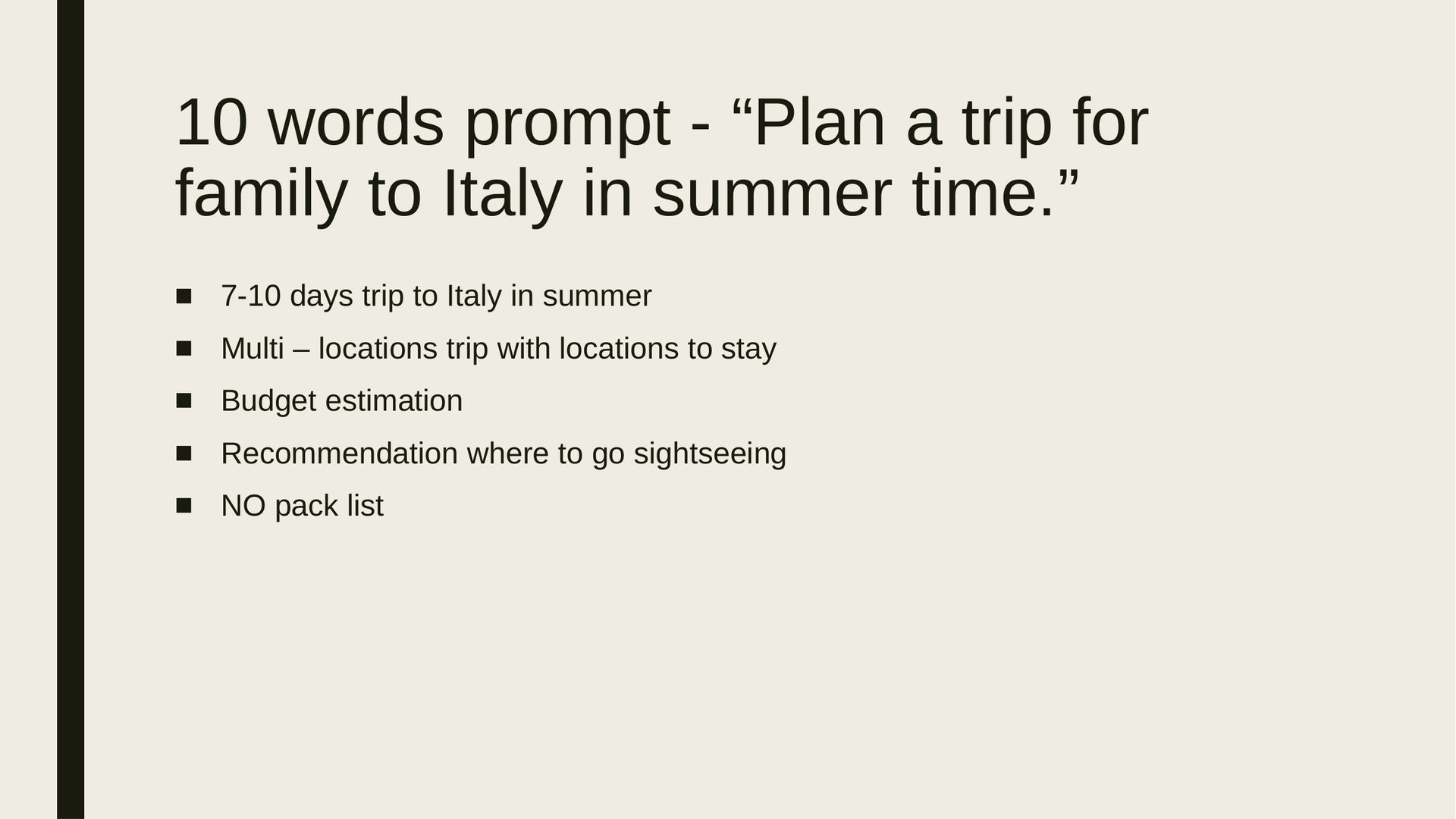
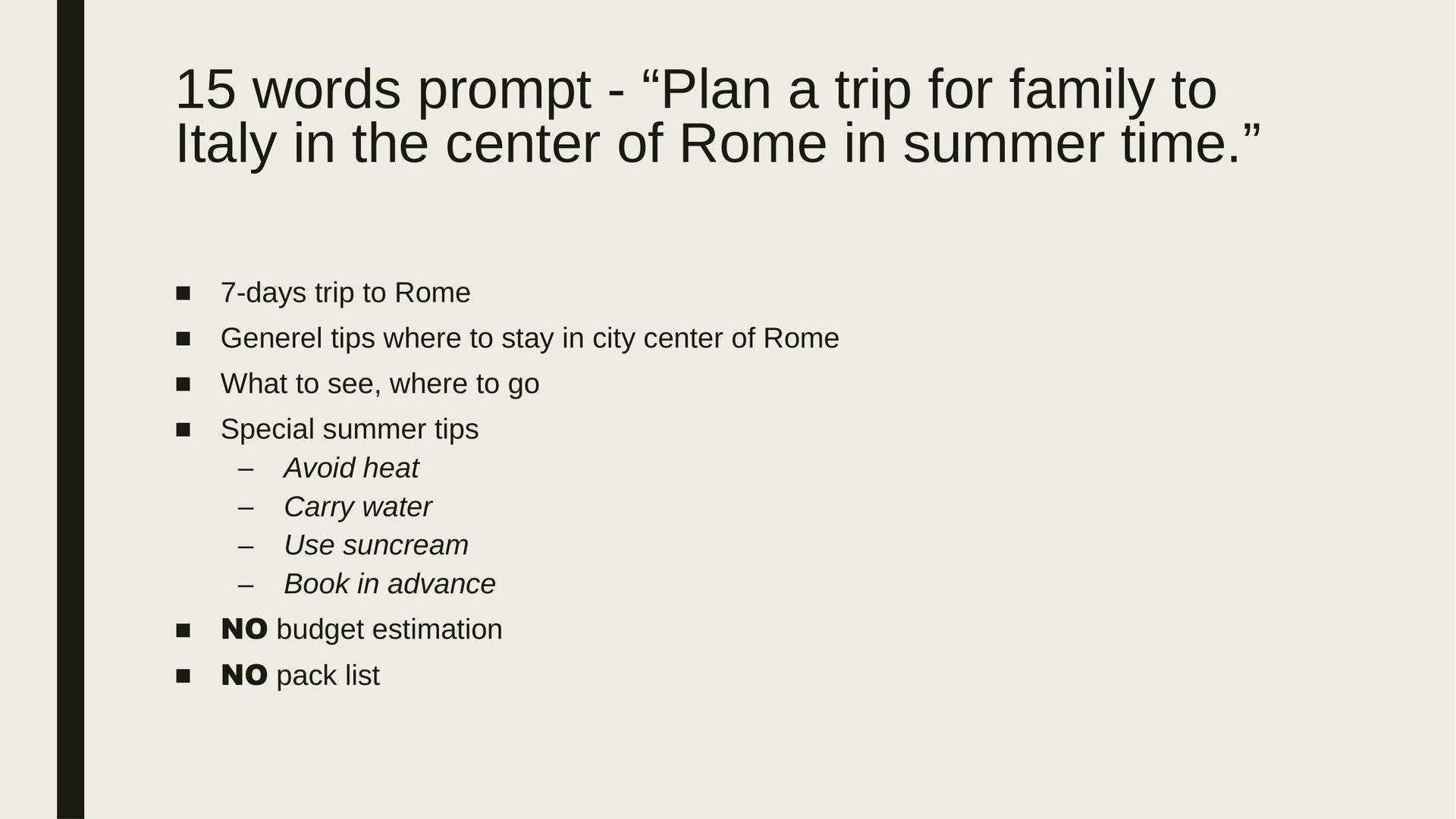
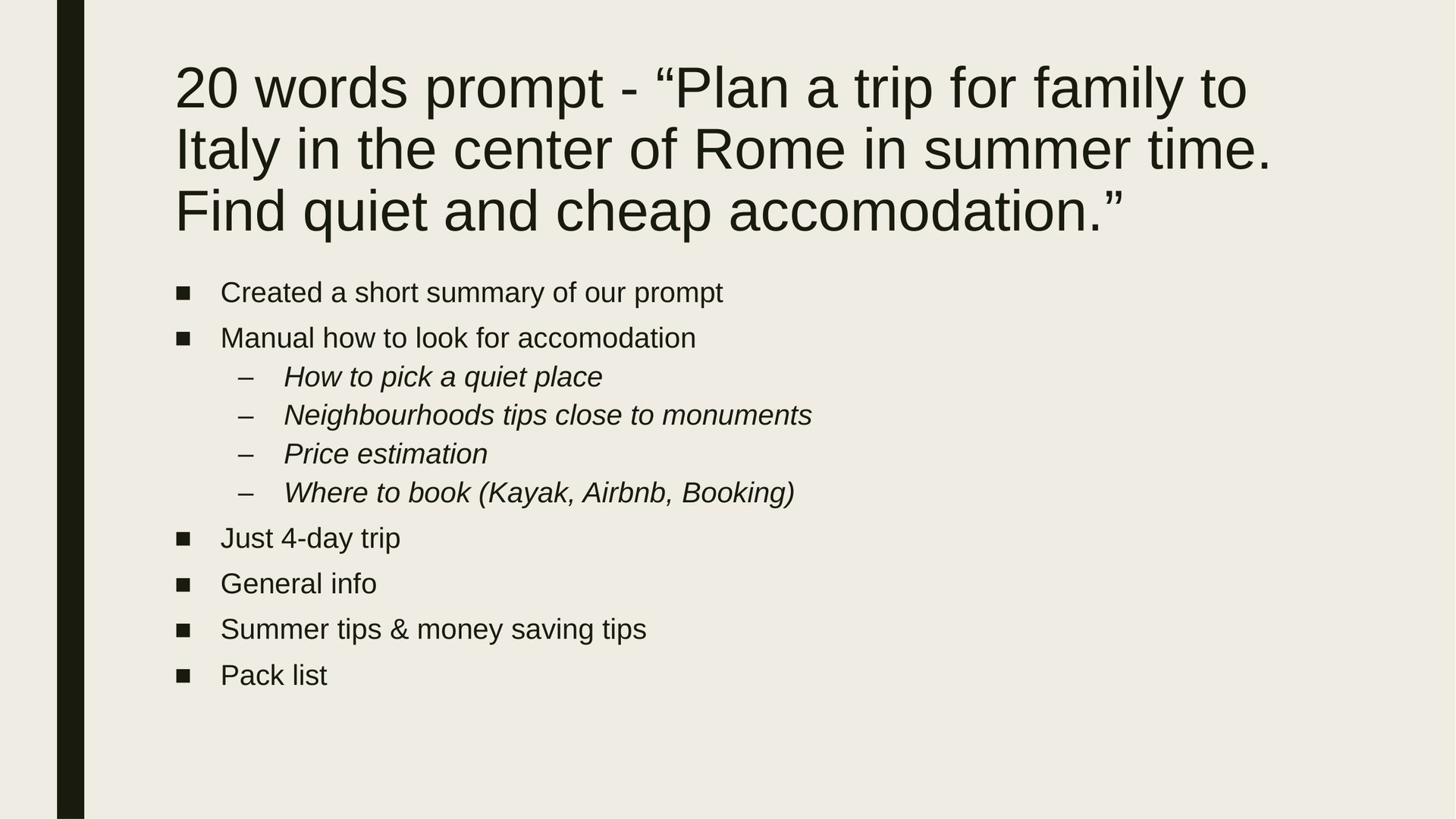
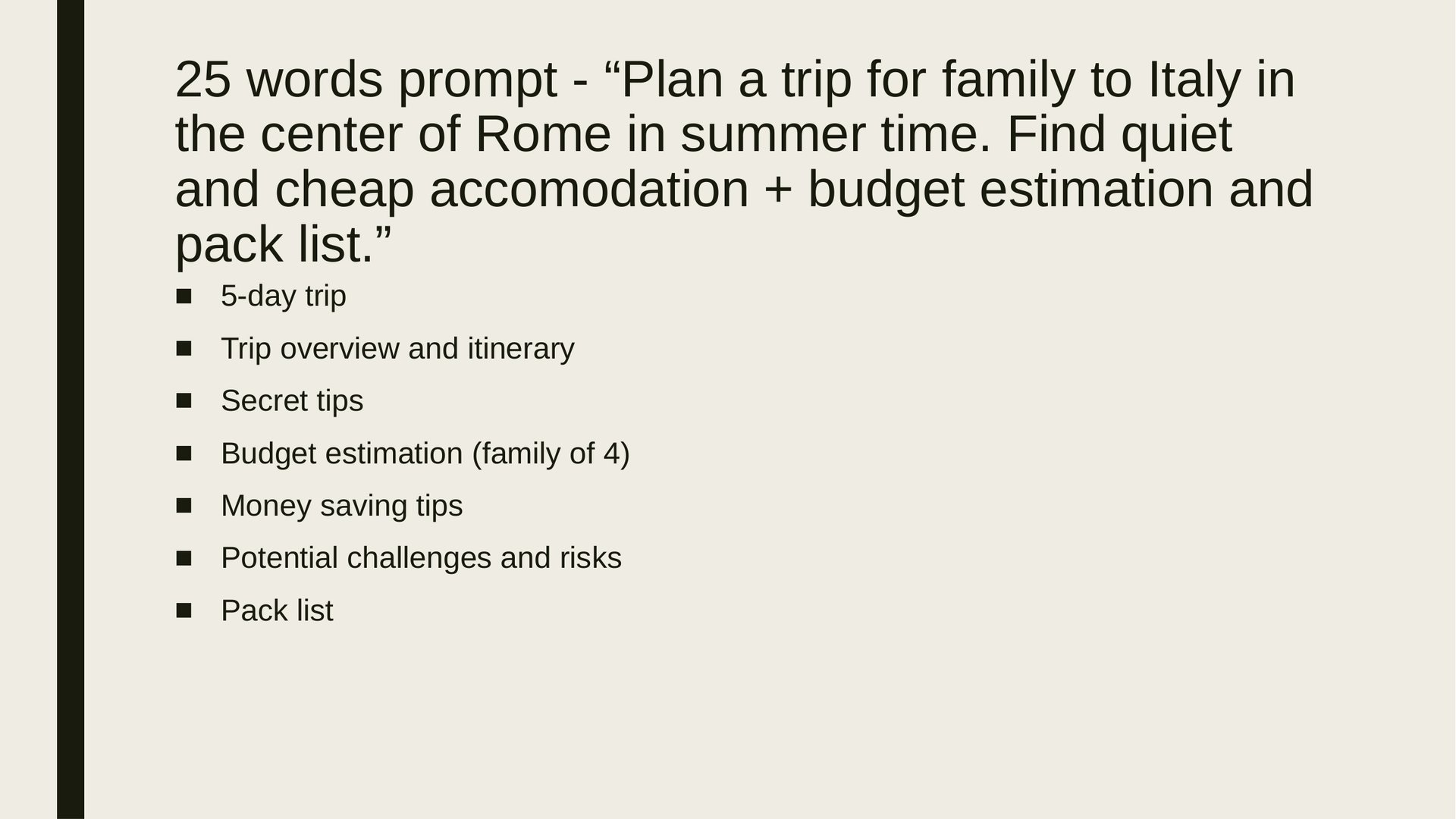
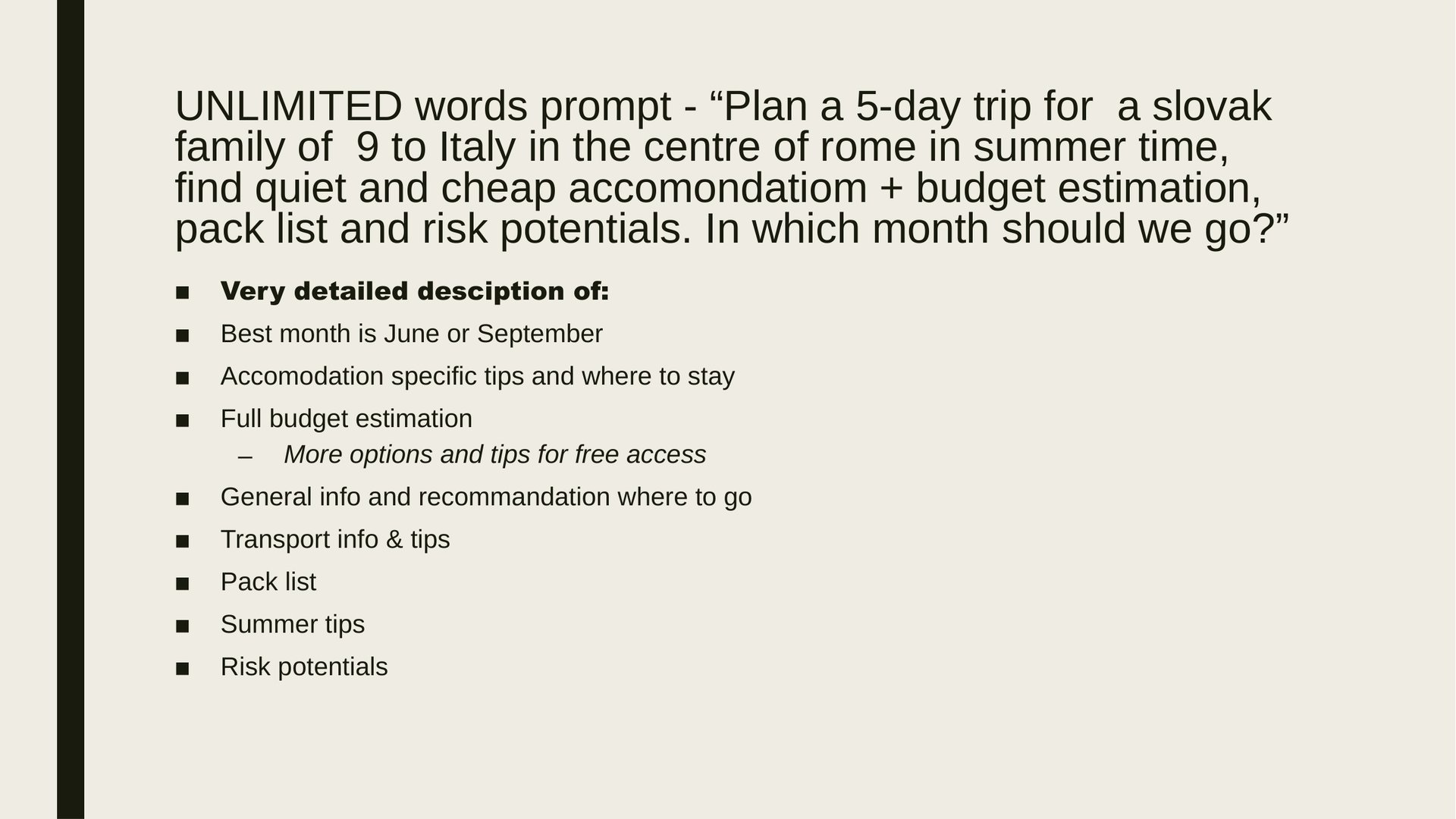
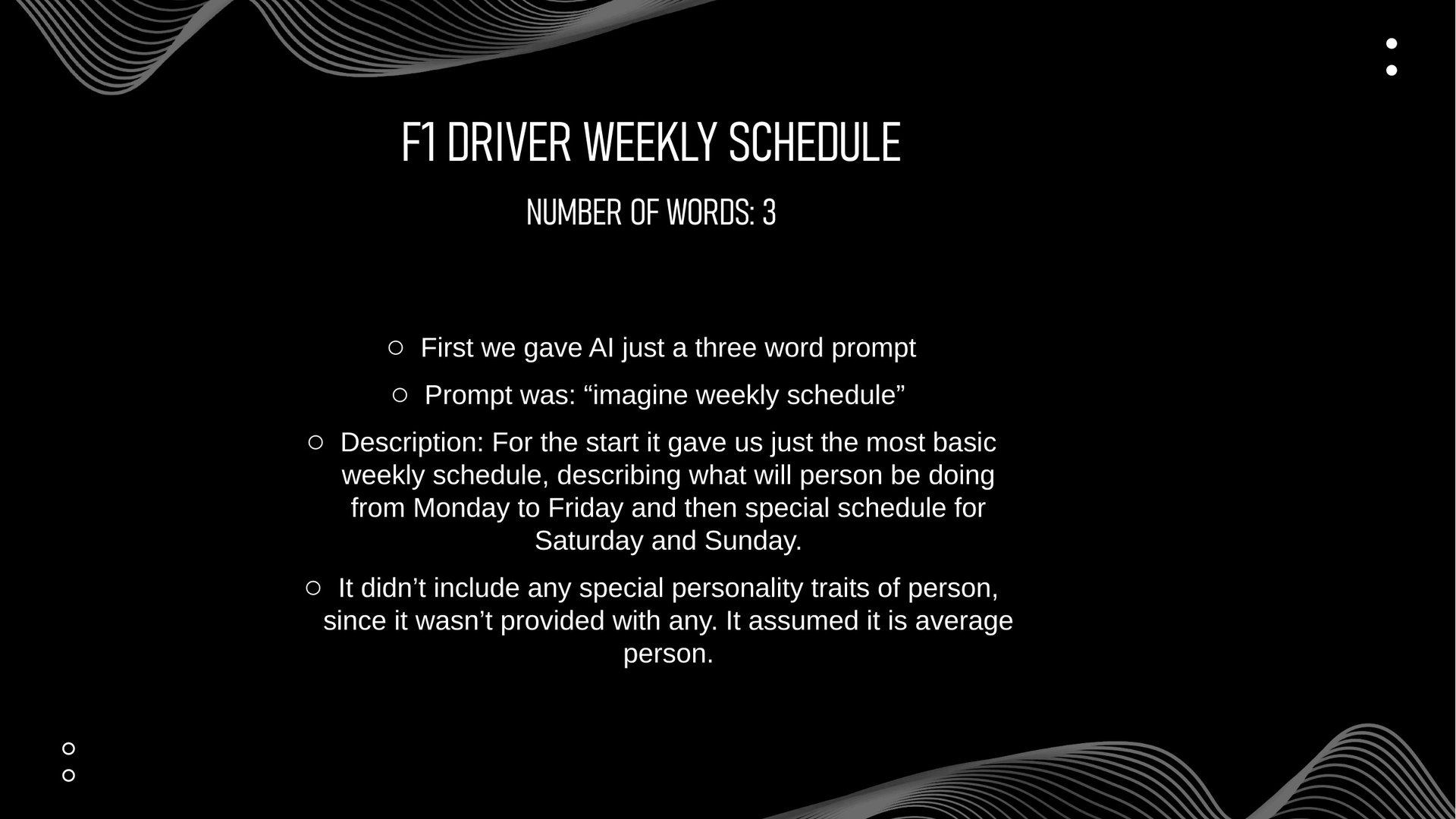
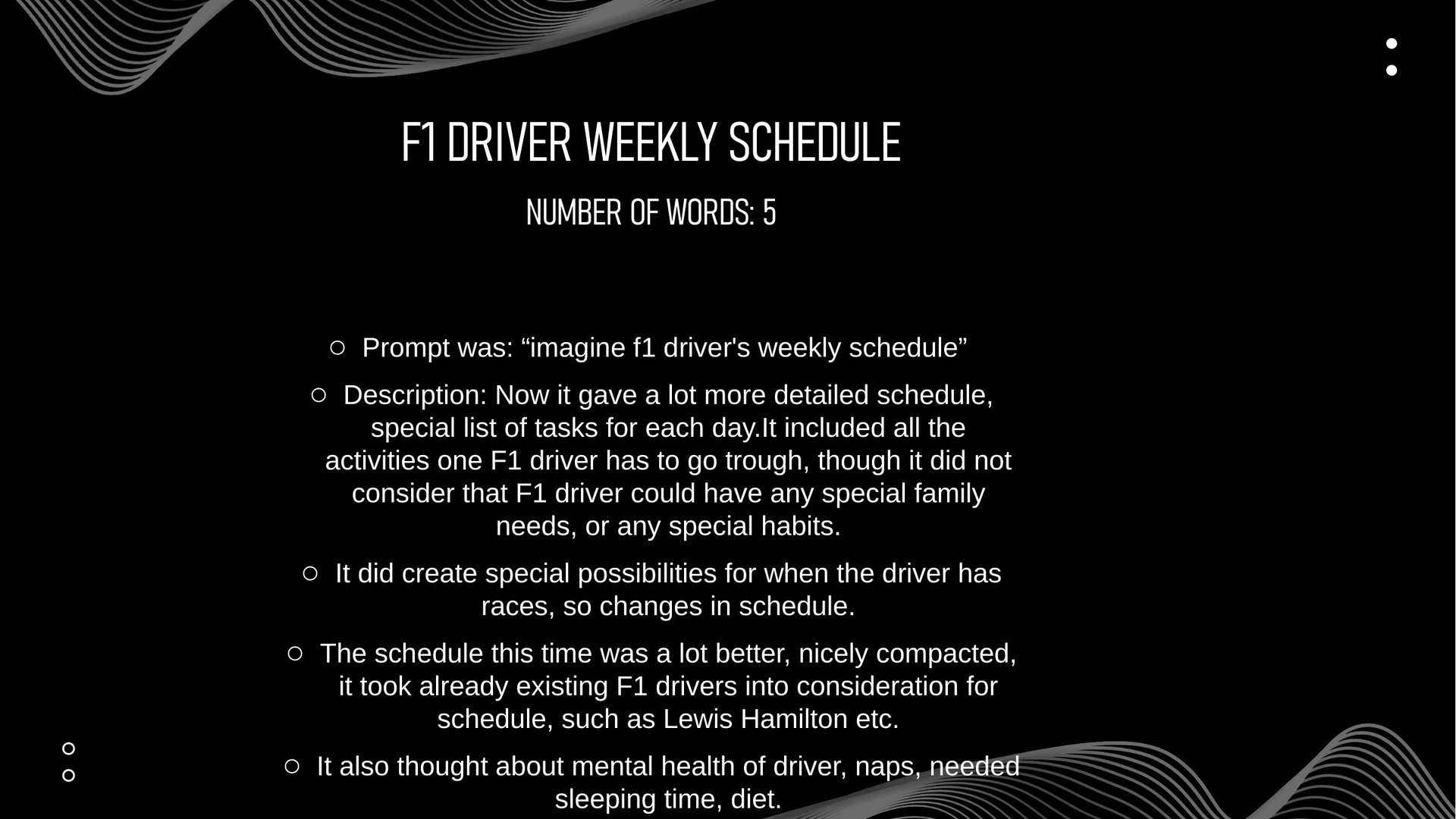
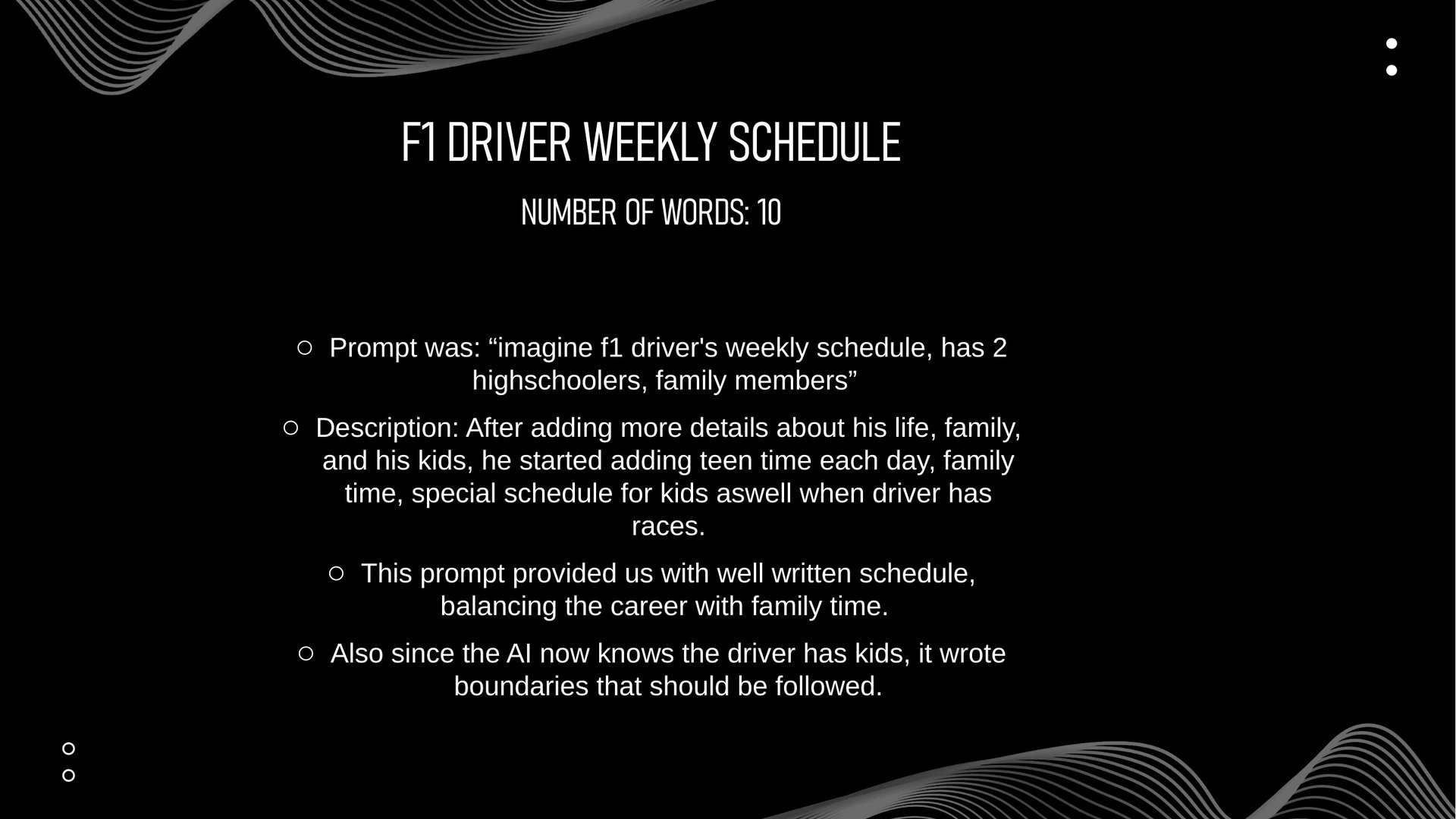
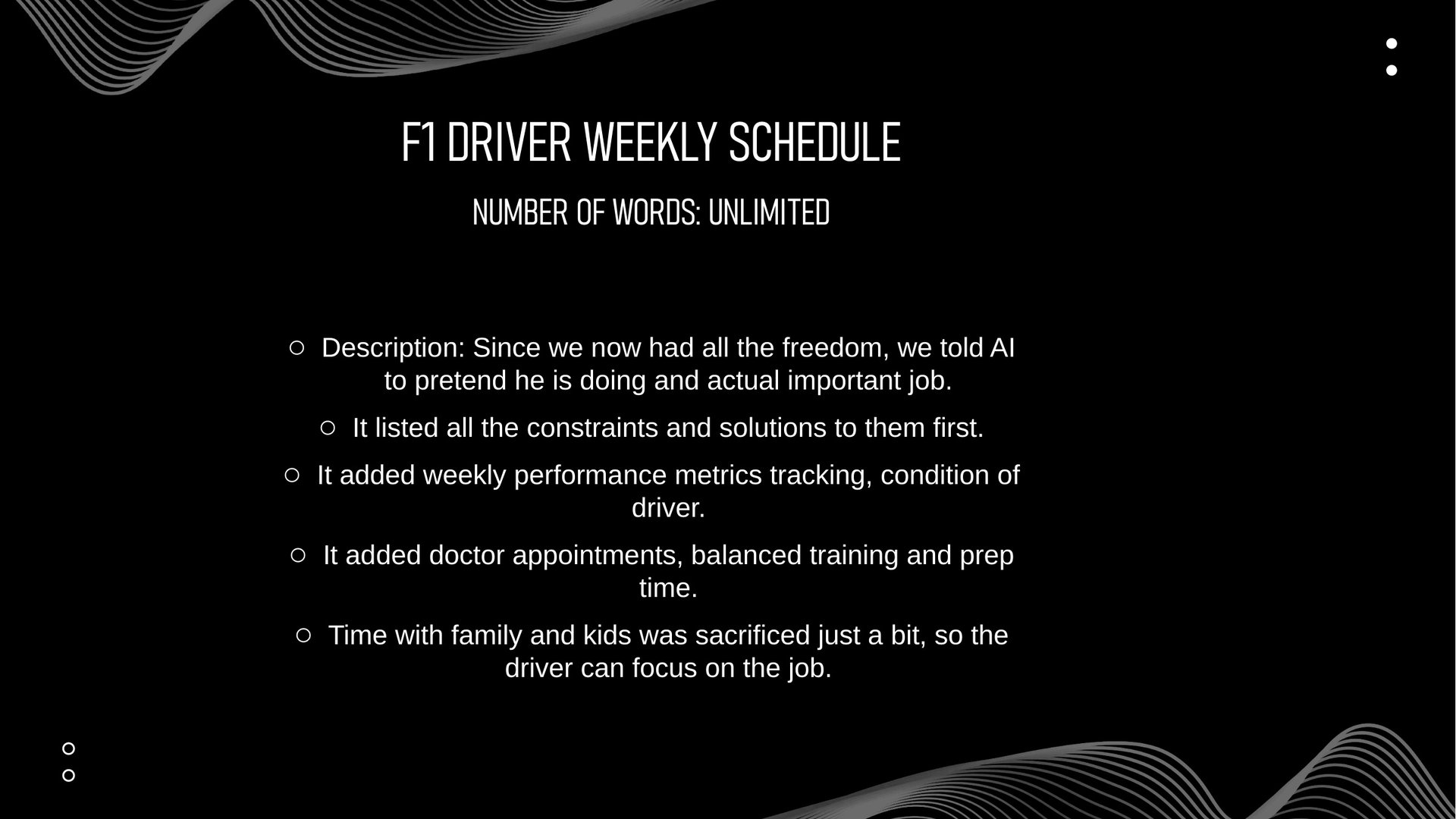
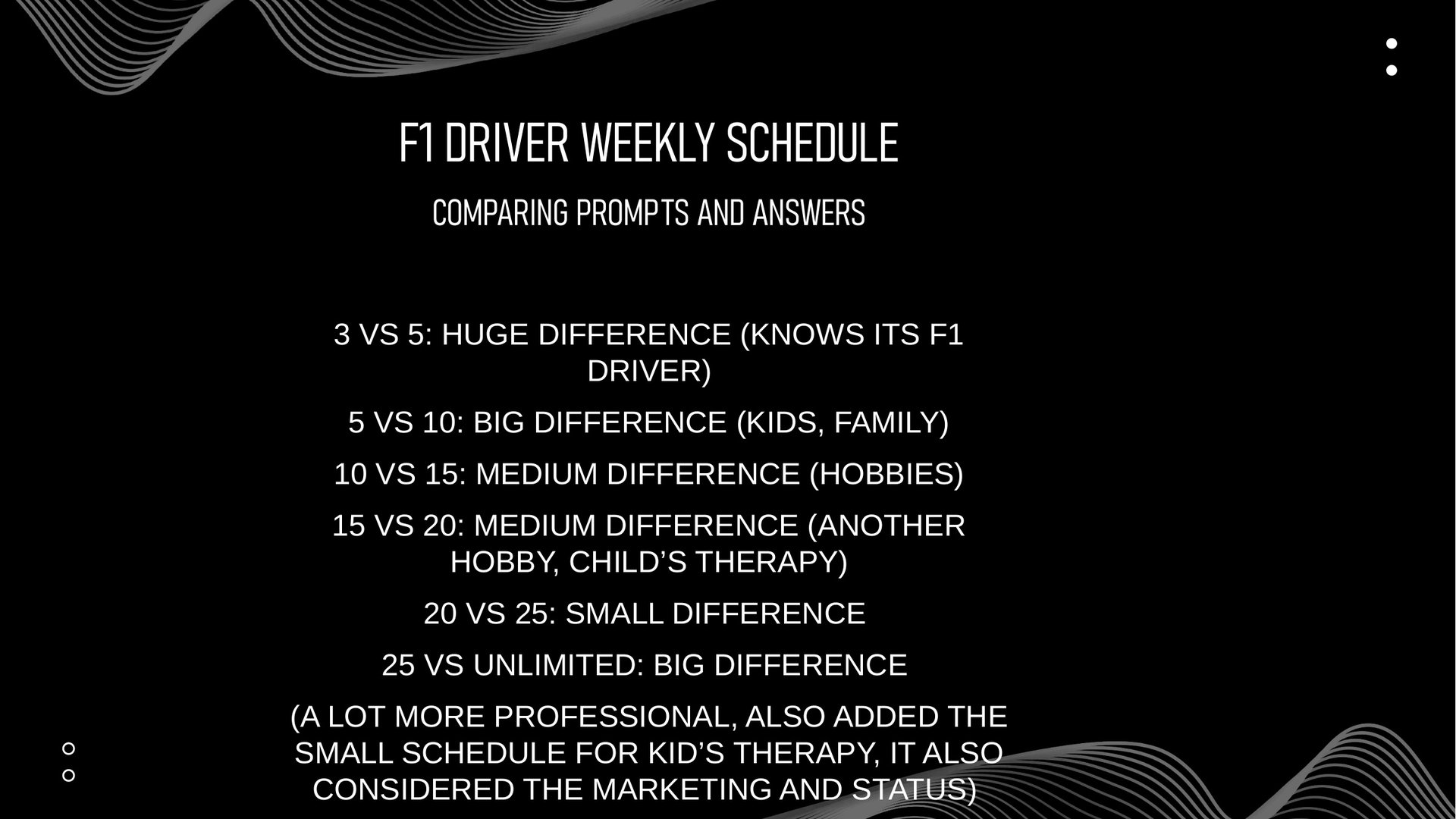
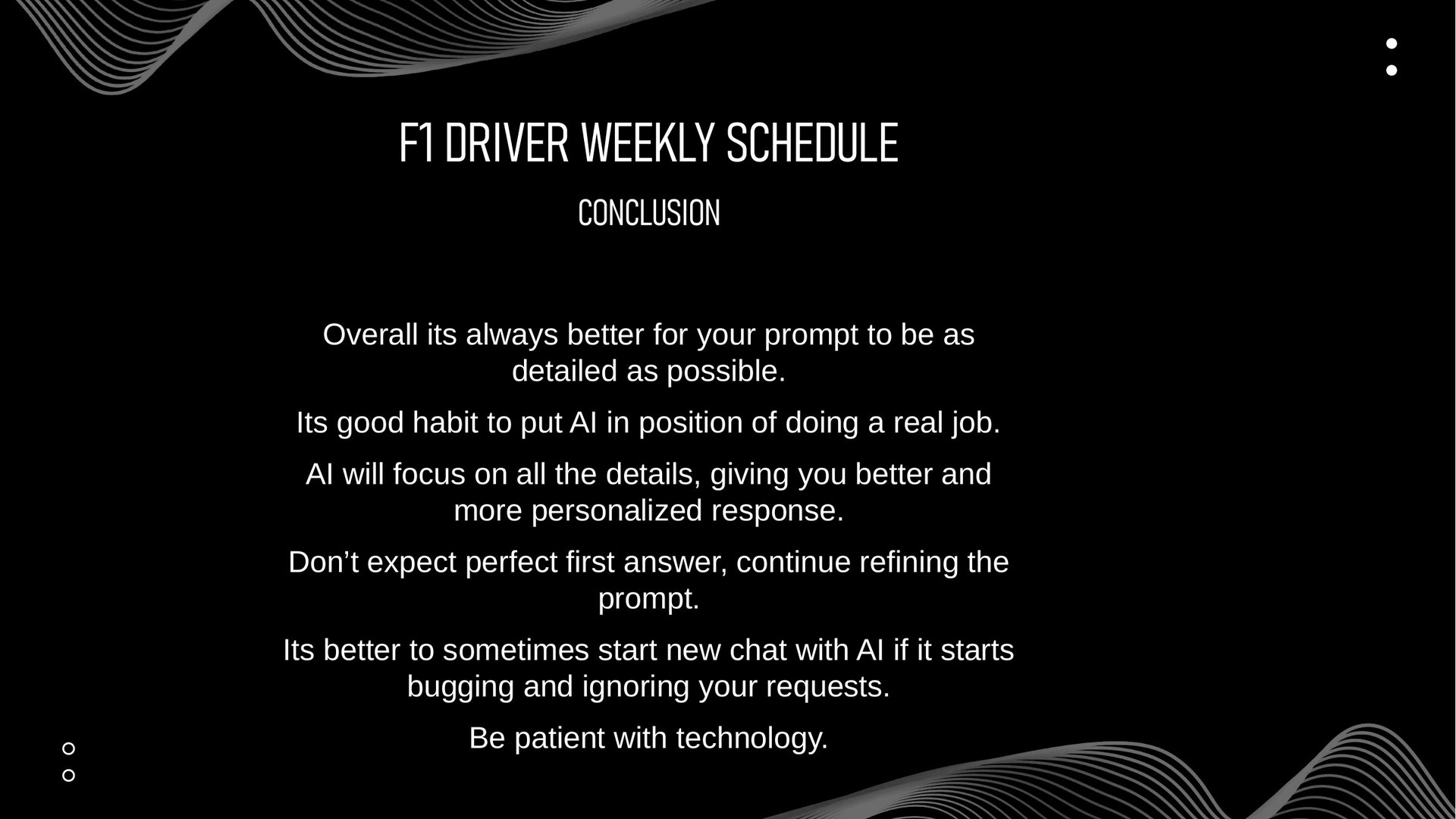
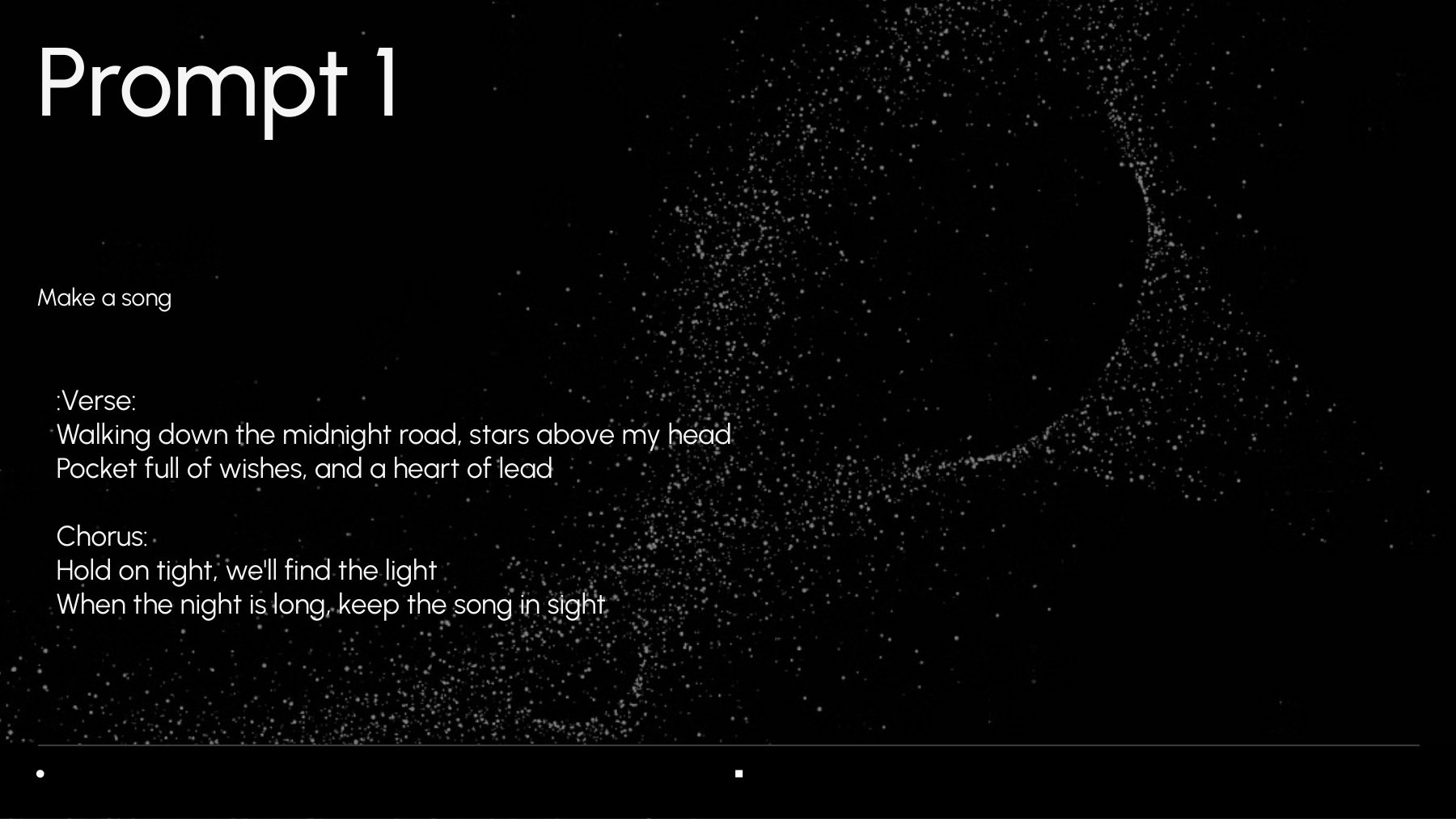
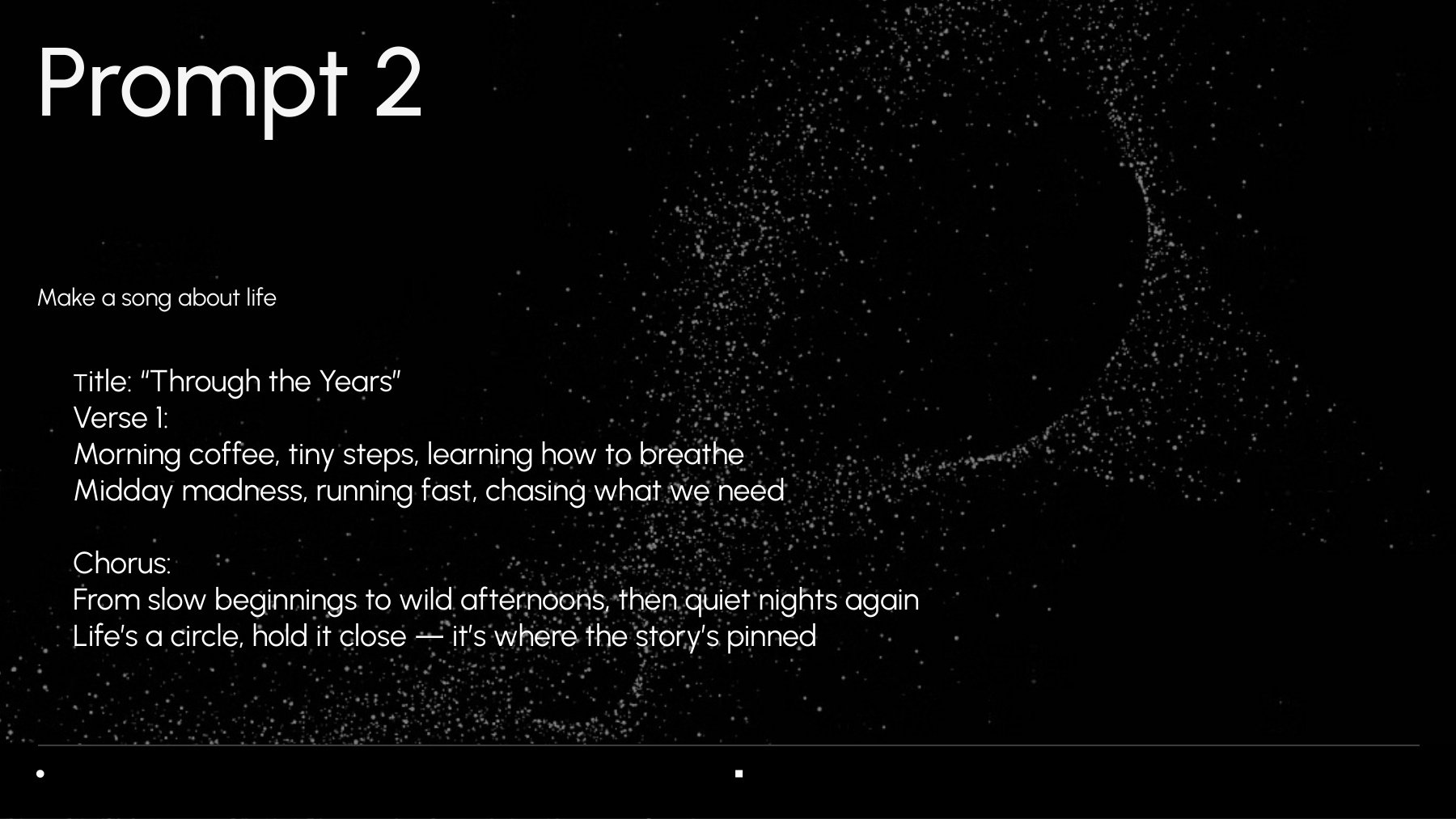
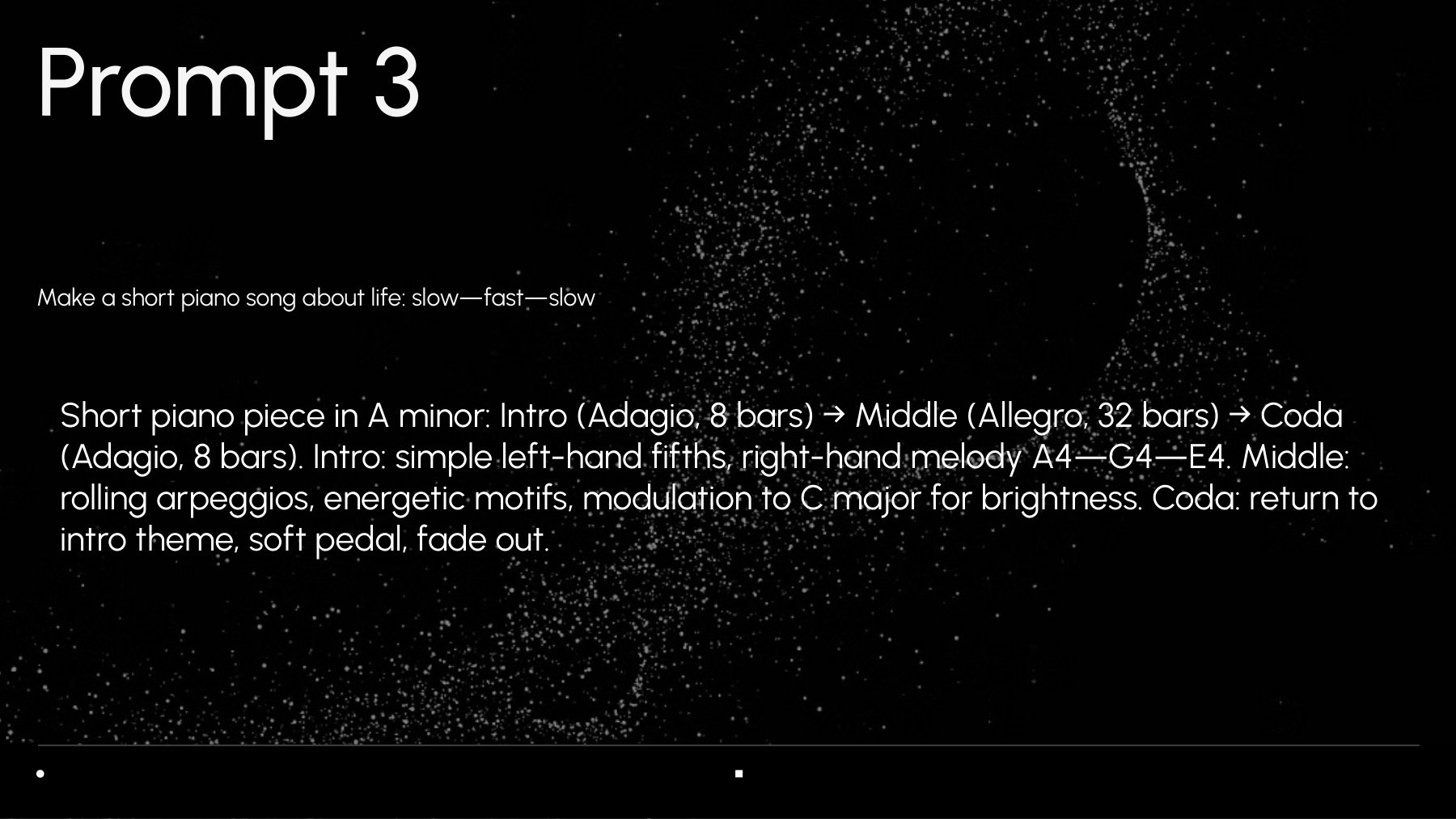
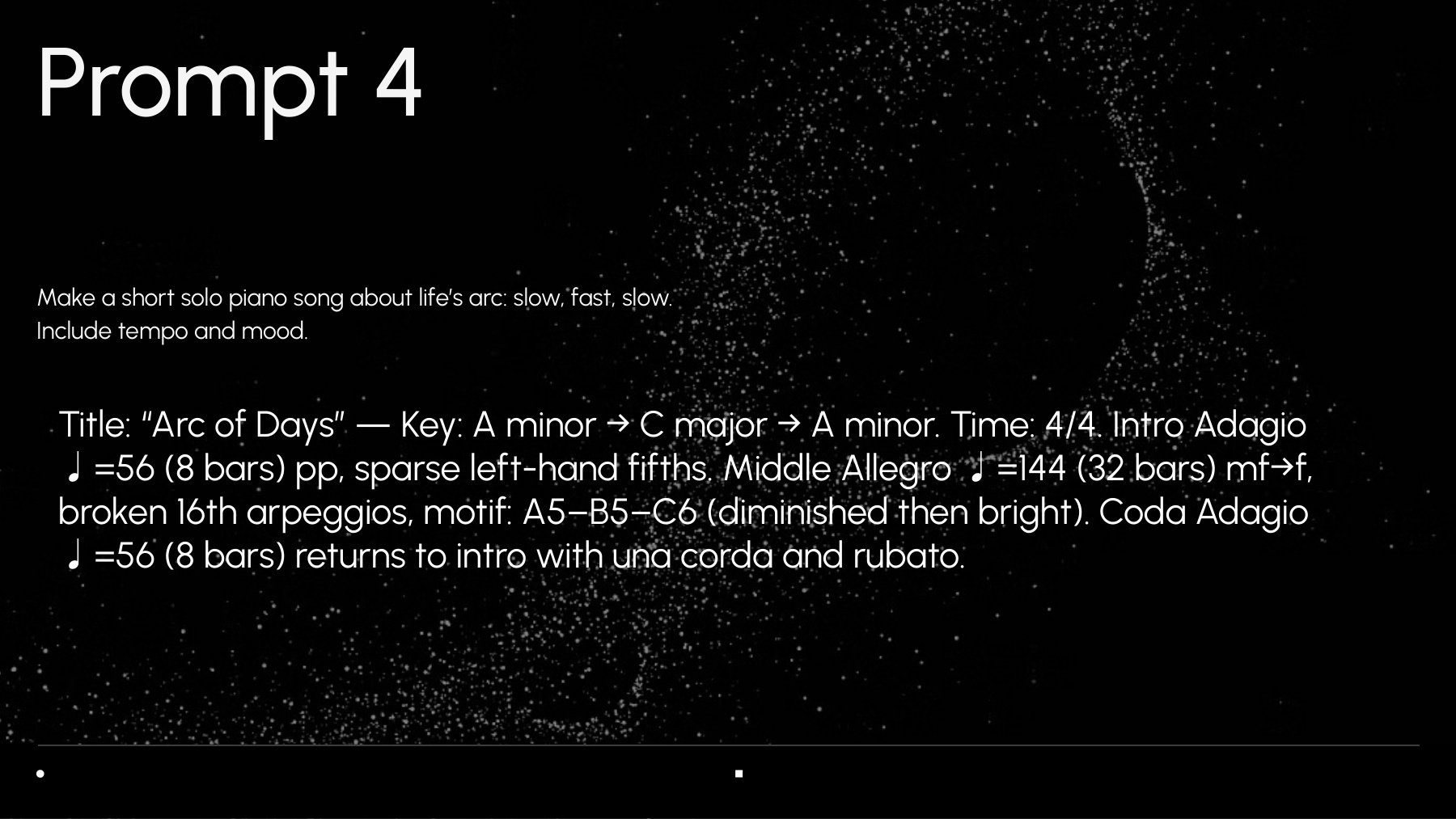
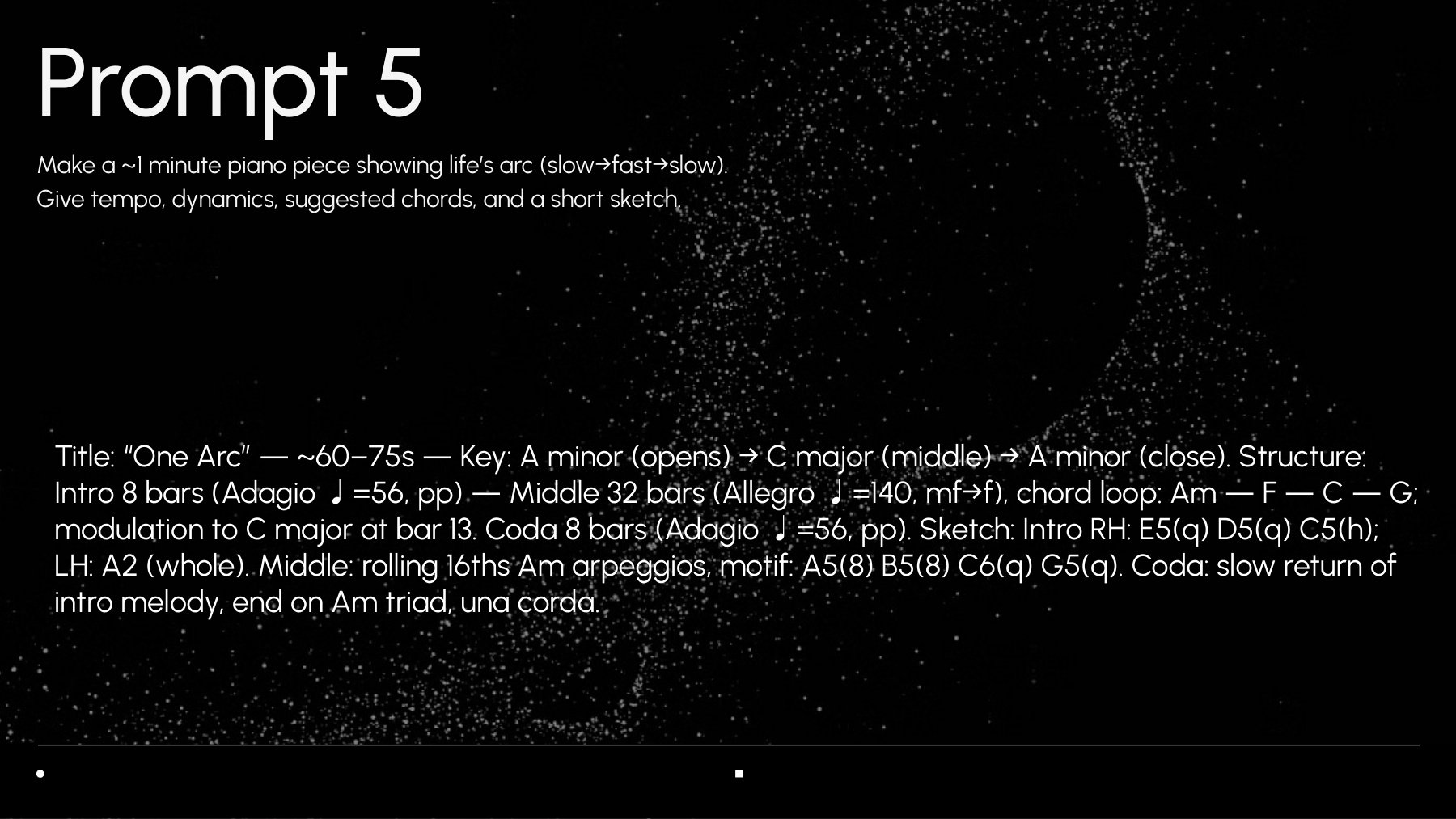
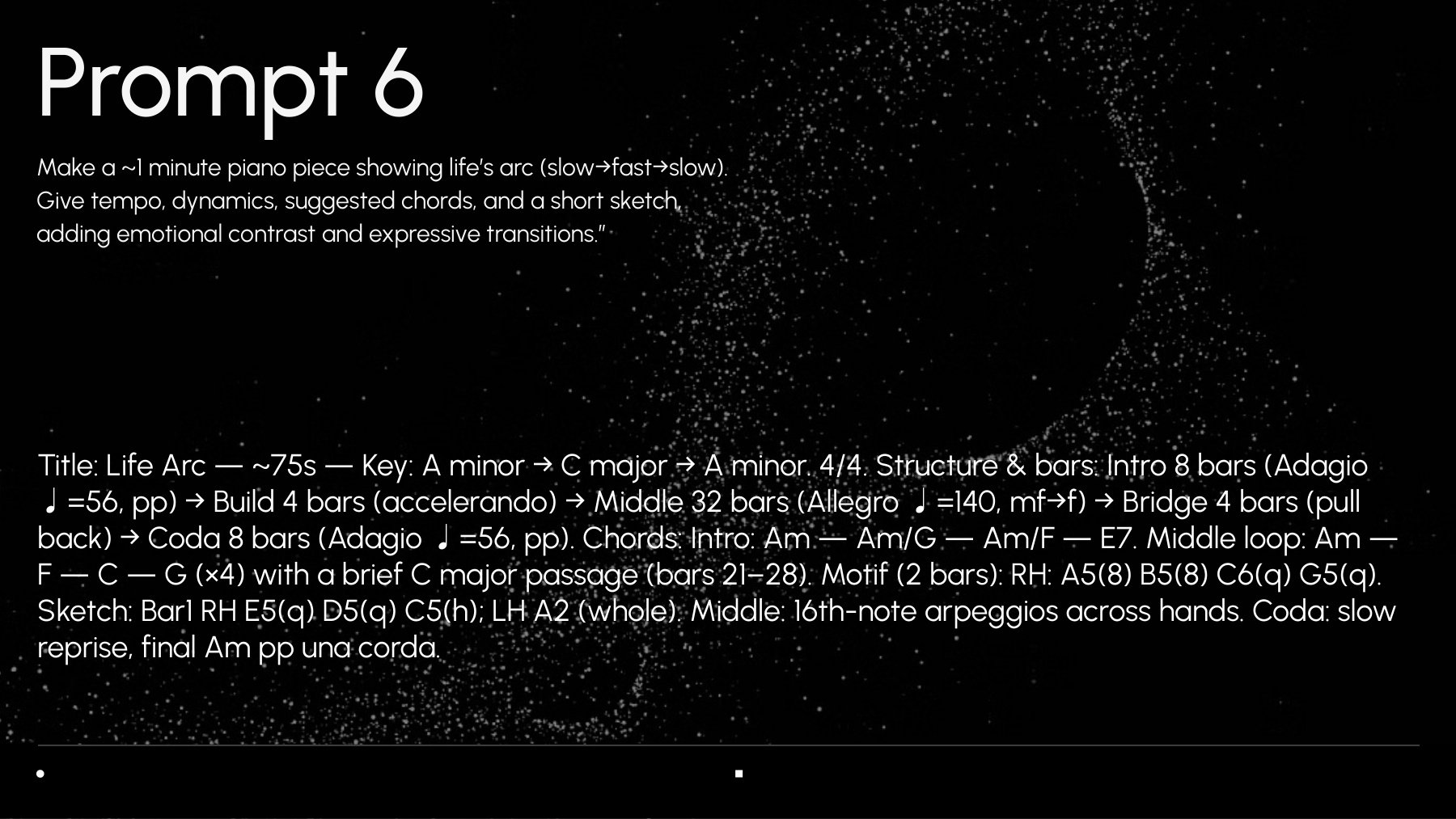
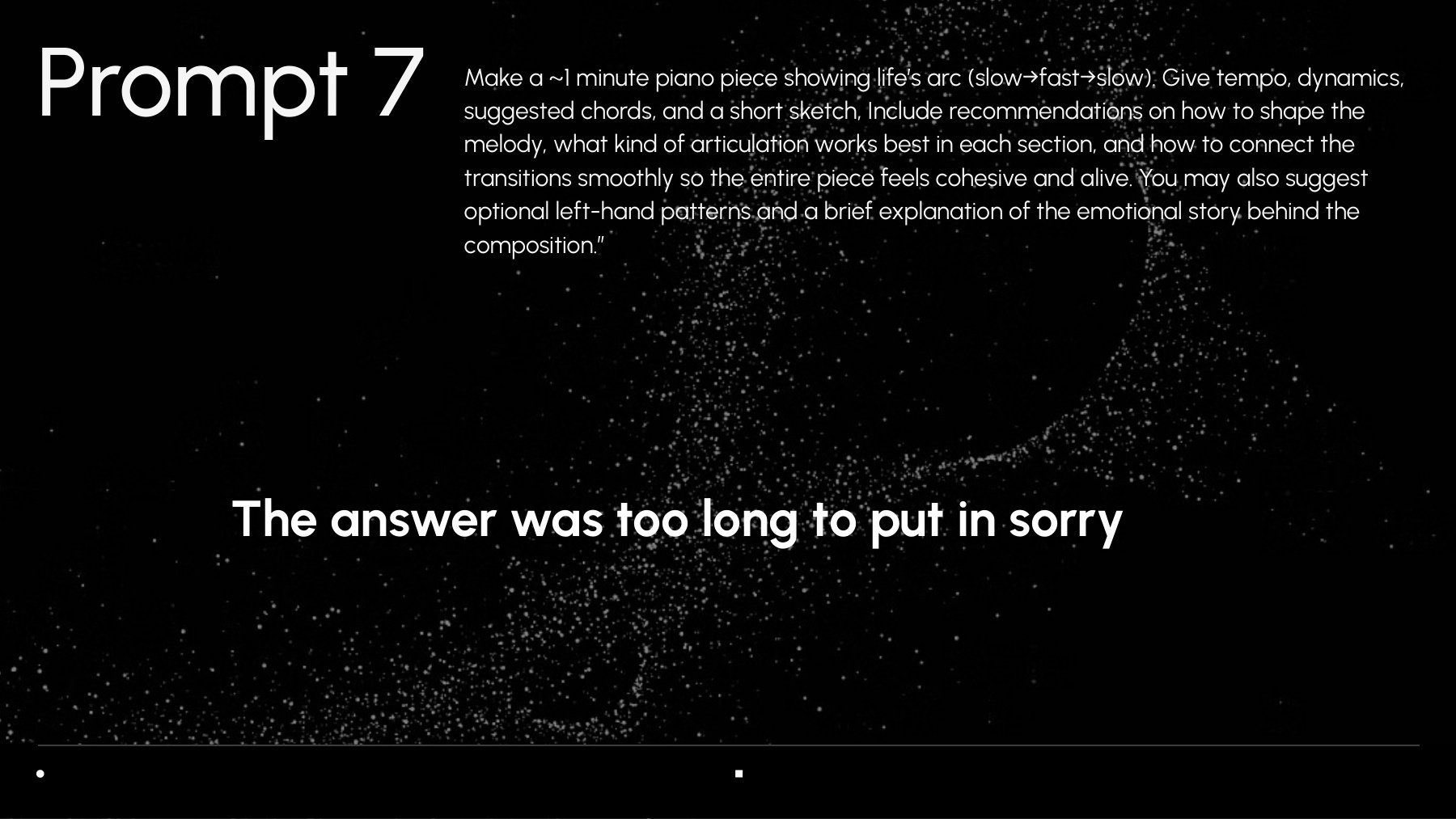
Good answers start with good questions. Beginning from deliberately vague prompts and sharpening them step by step, teams tracked how each version changed the result and drew out their own prompting tips. Here is a selection of their work.
Creative Lab: human vs AI
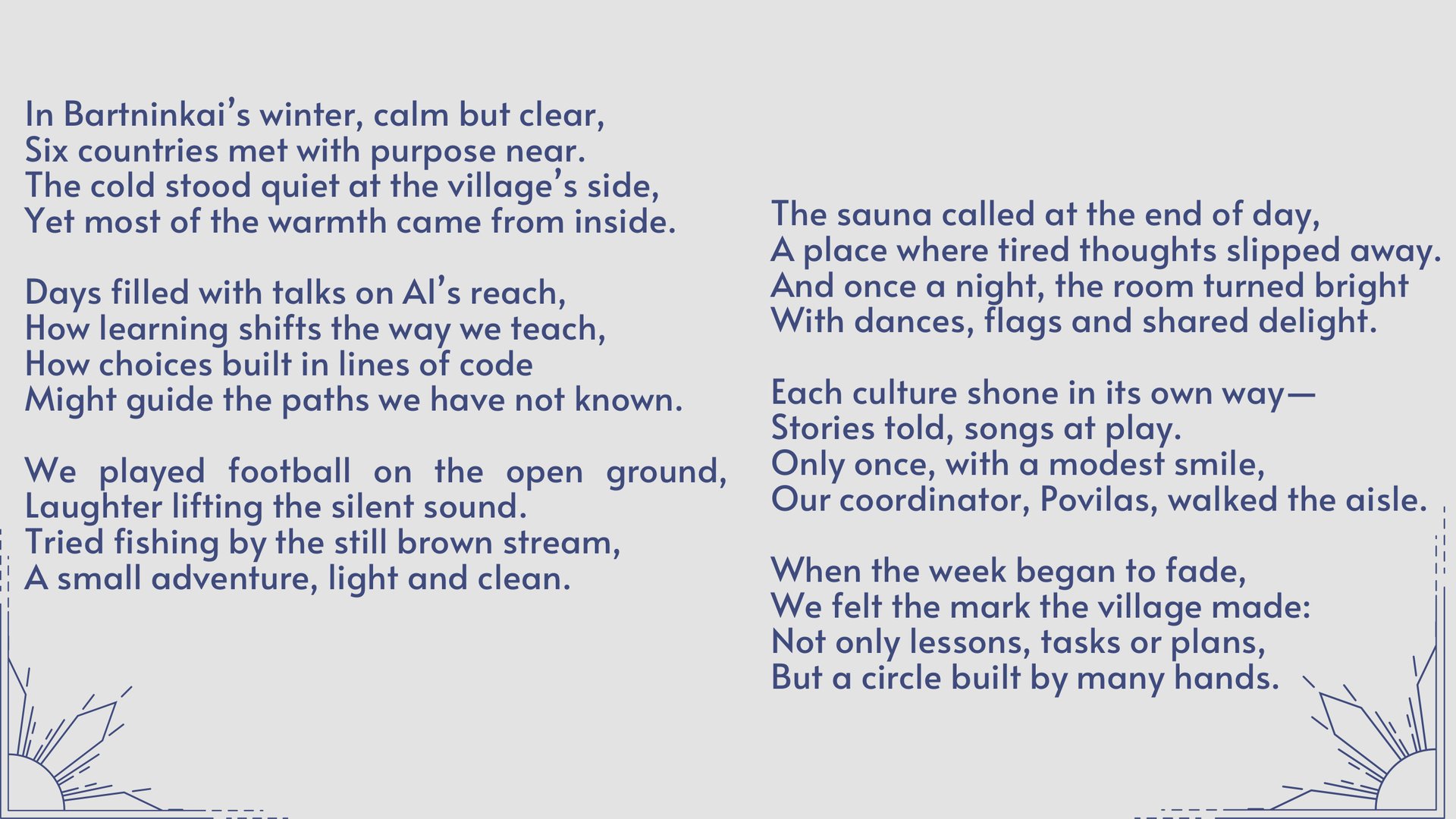
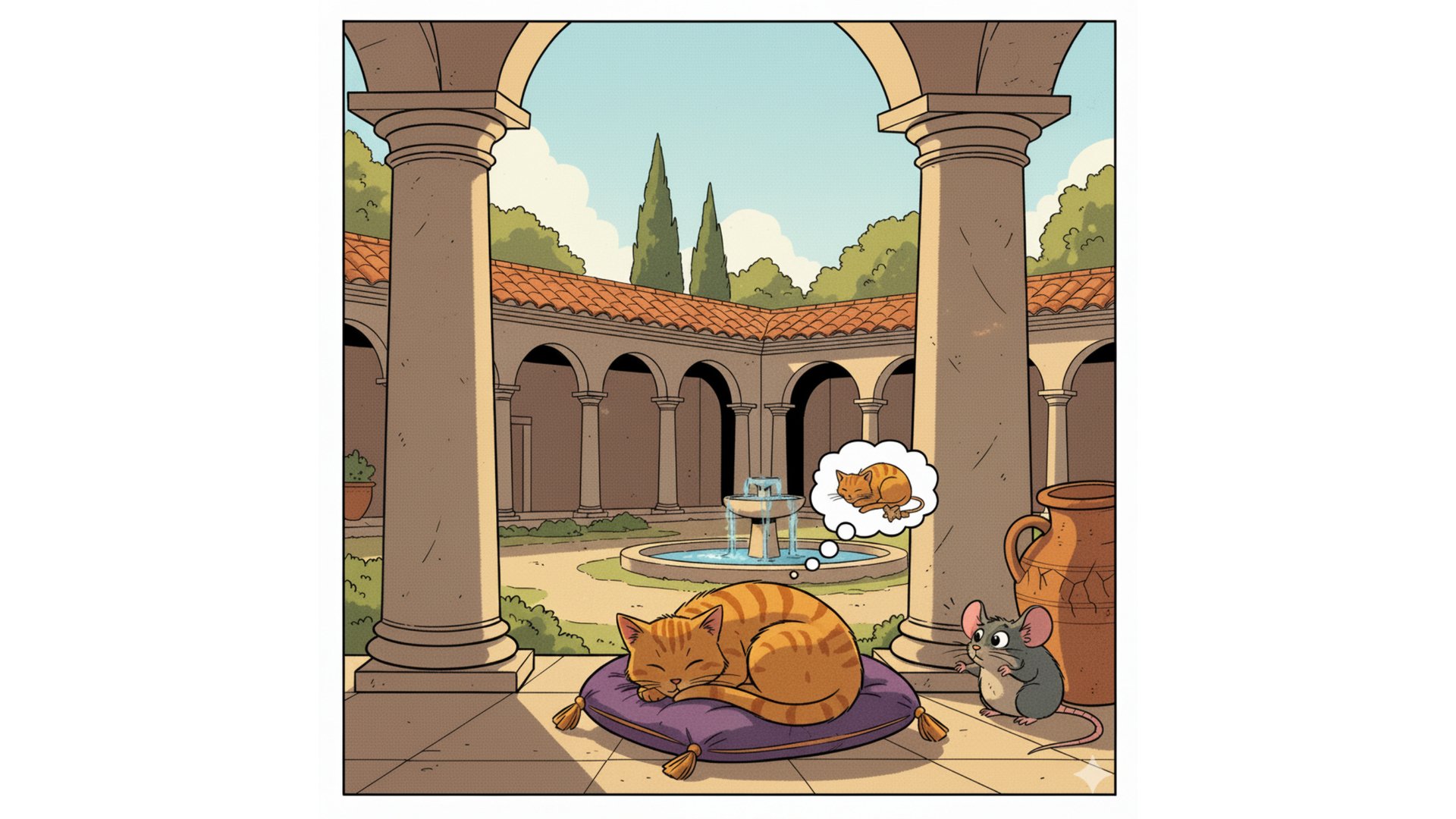
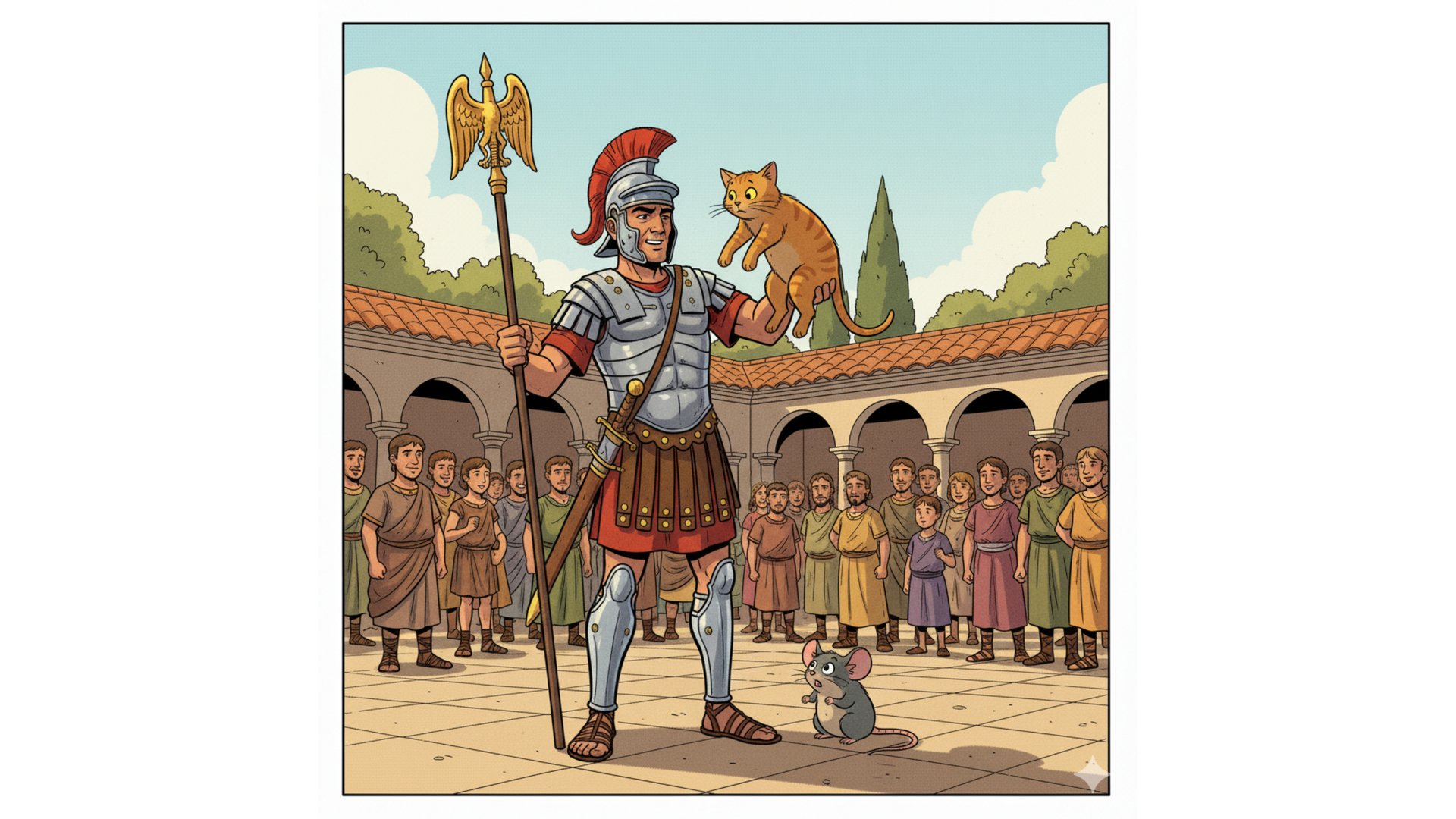
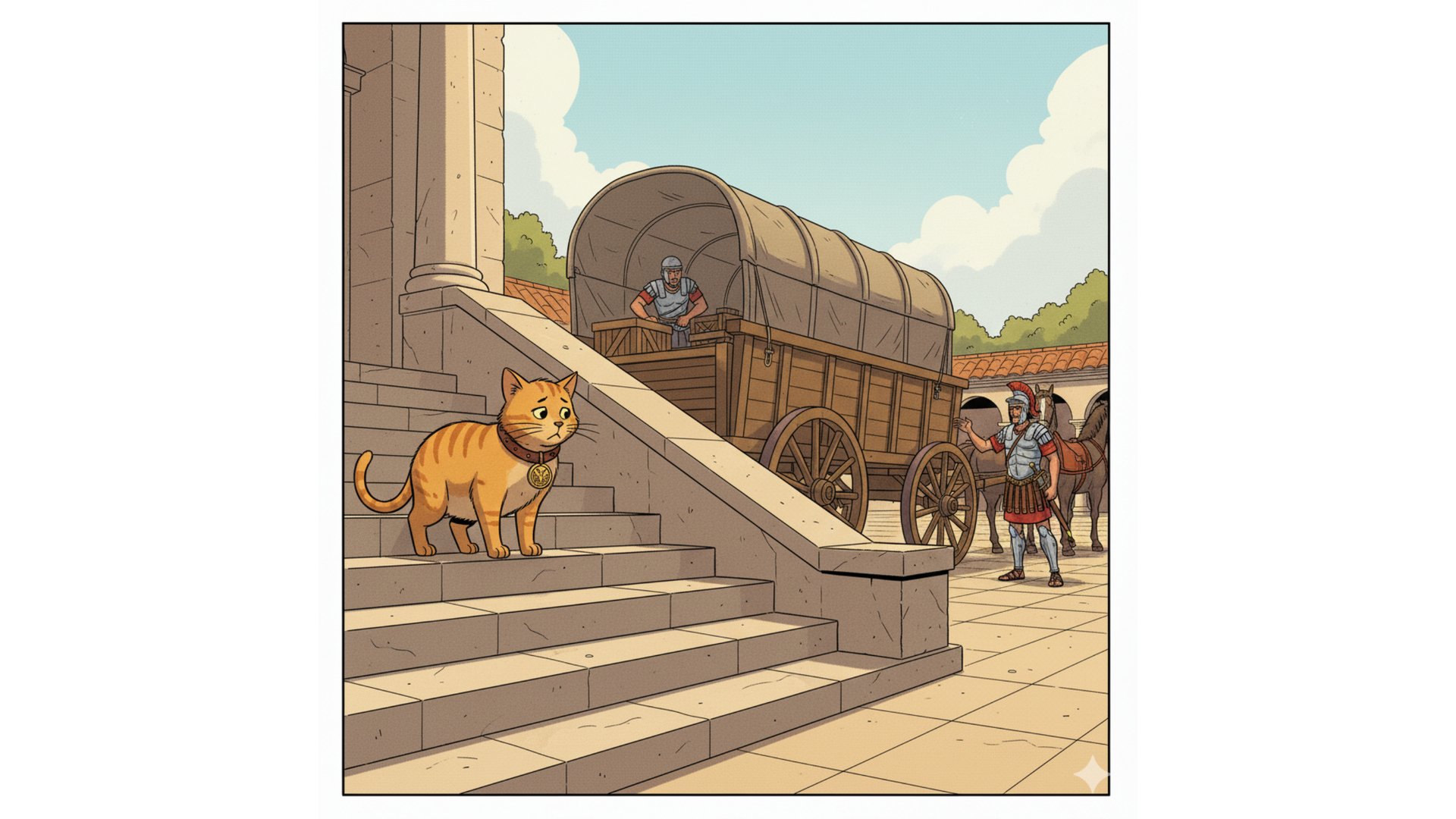
To test where the human touch still matters, each team created a piece by hand and then again with AI, and compared the two. The AI-assisted results are gathered here, a few examples among many.
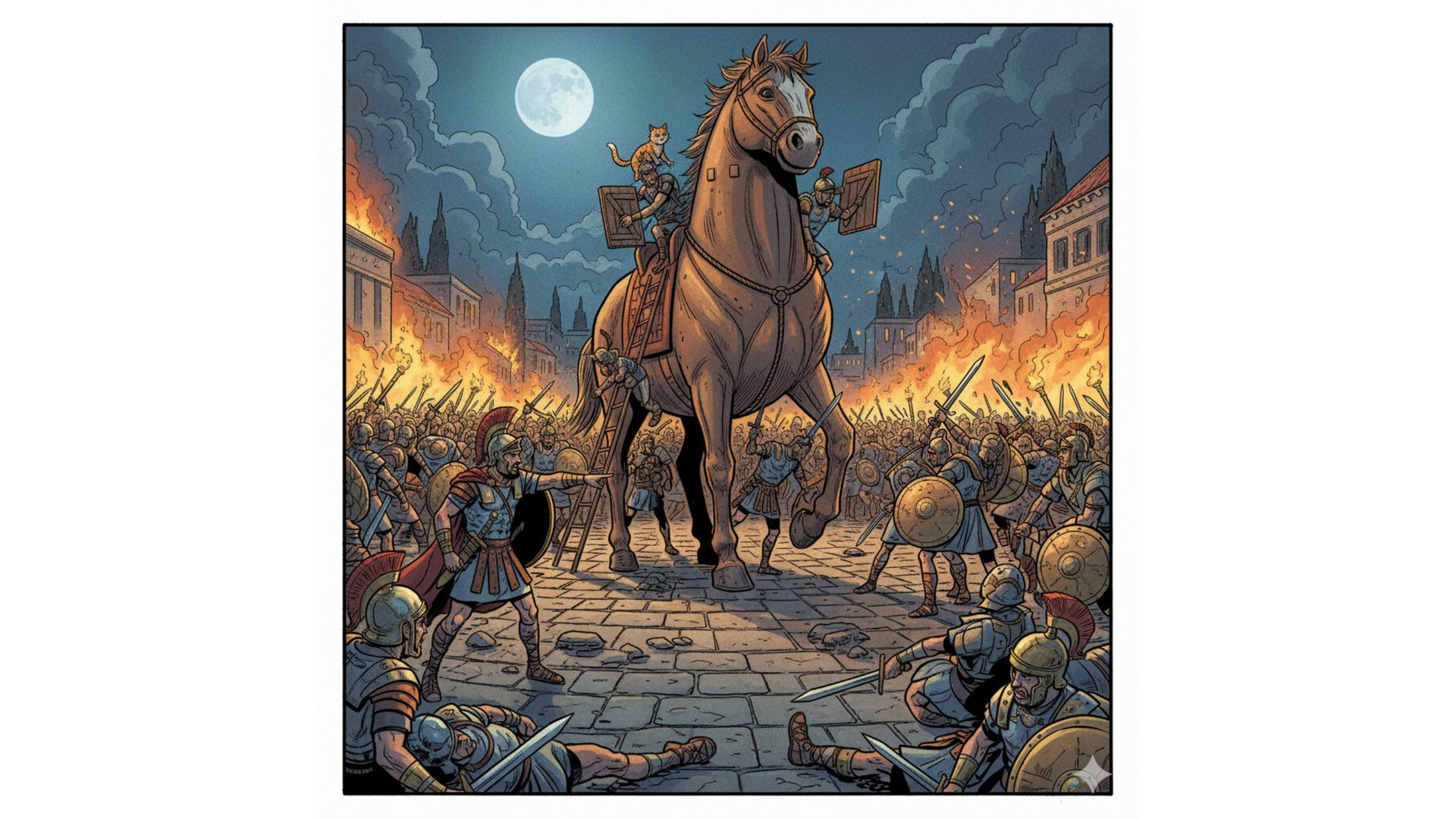
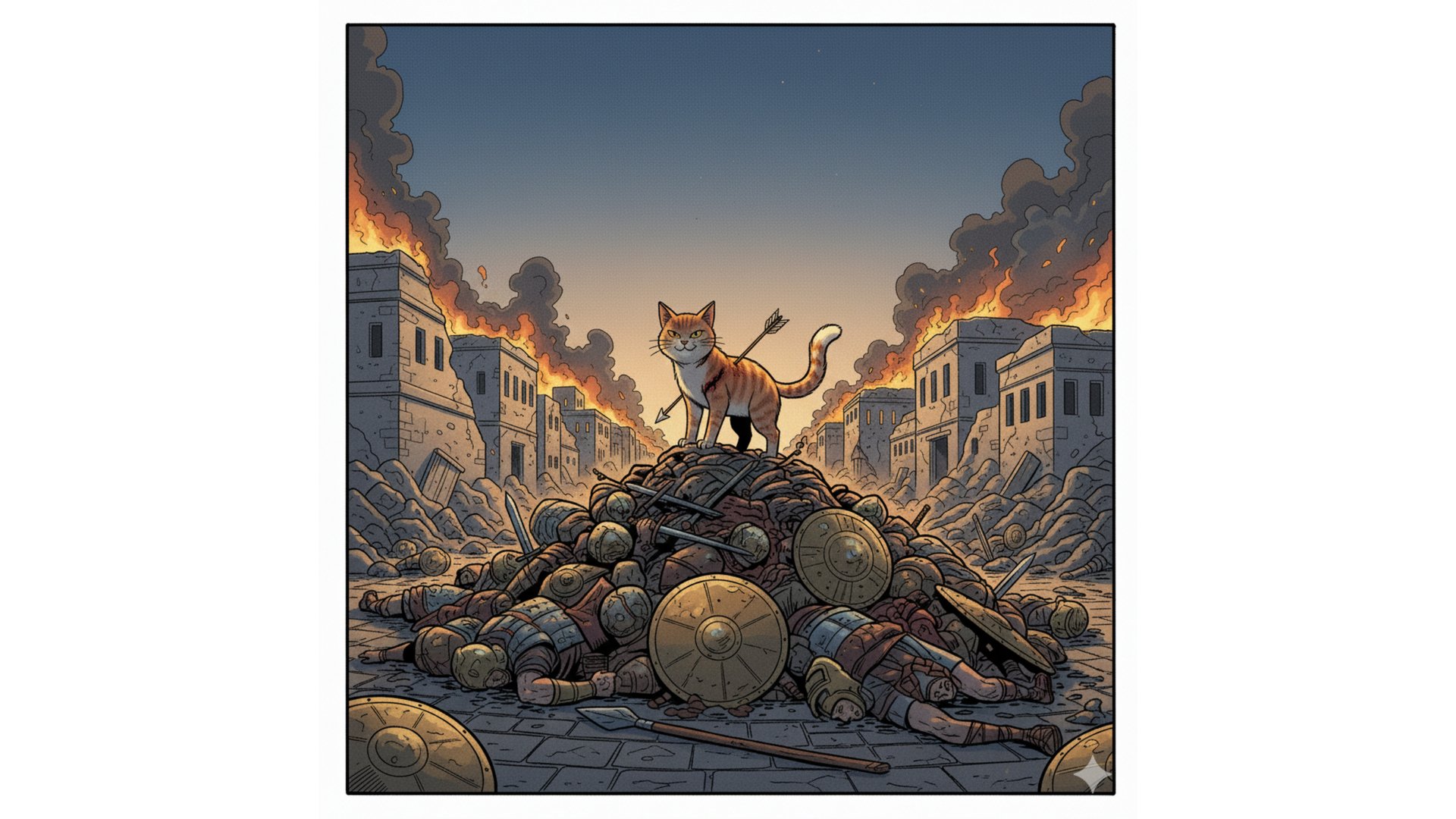
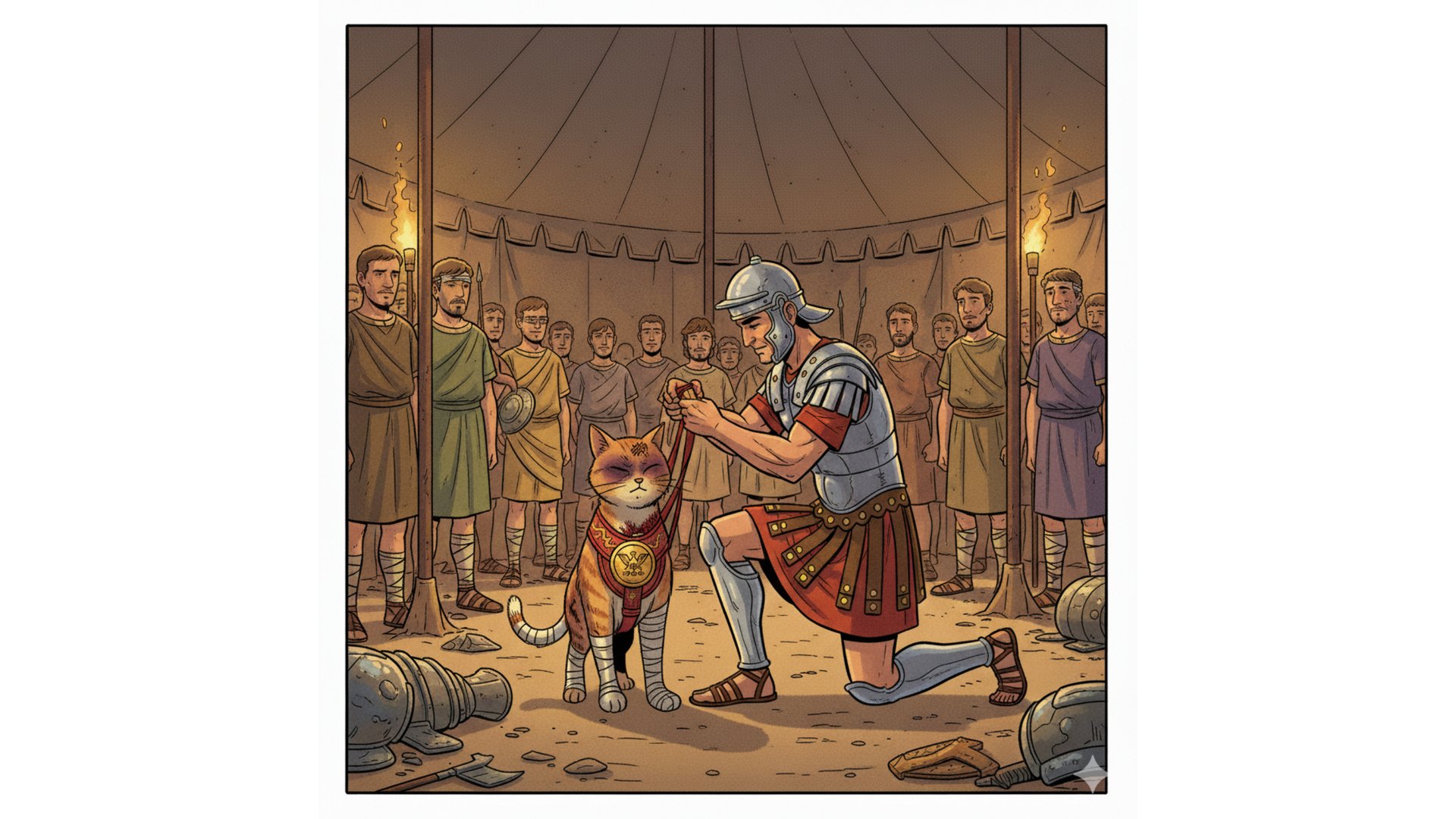
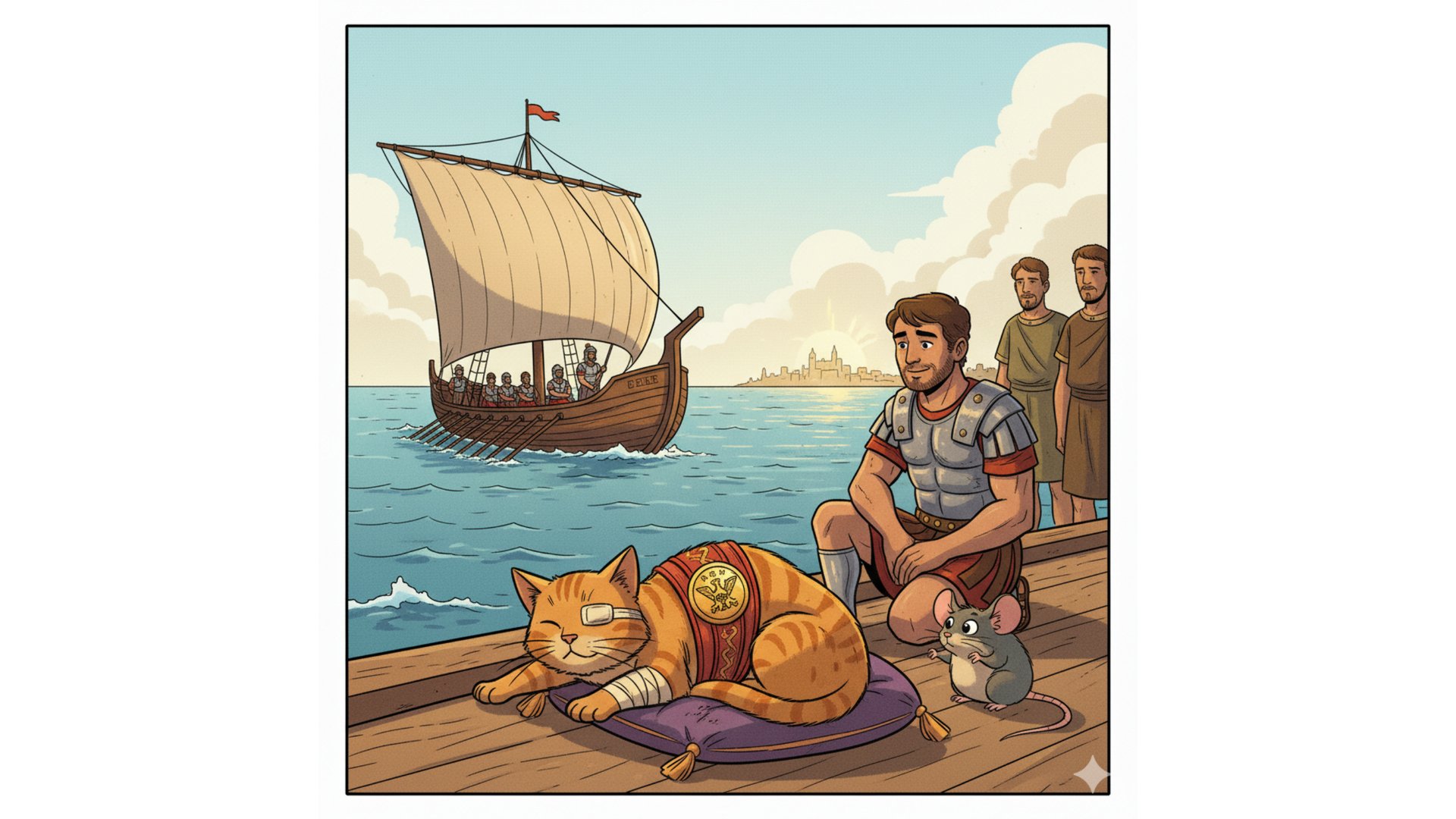
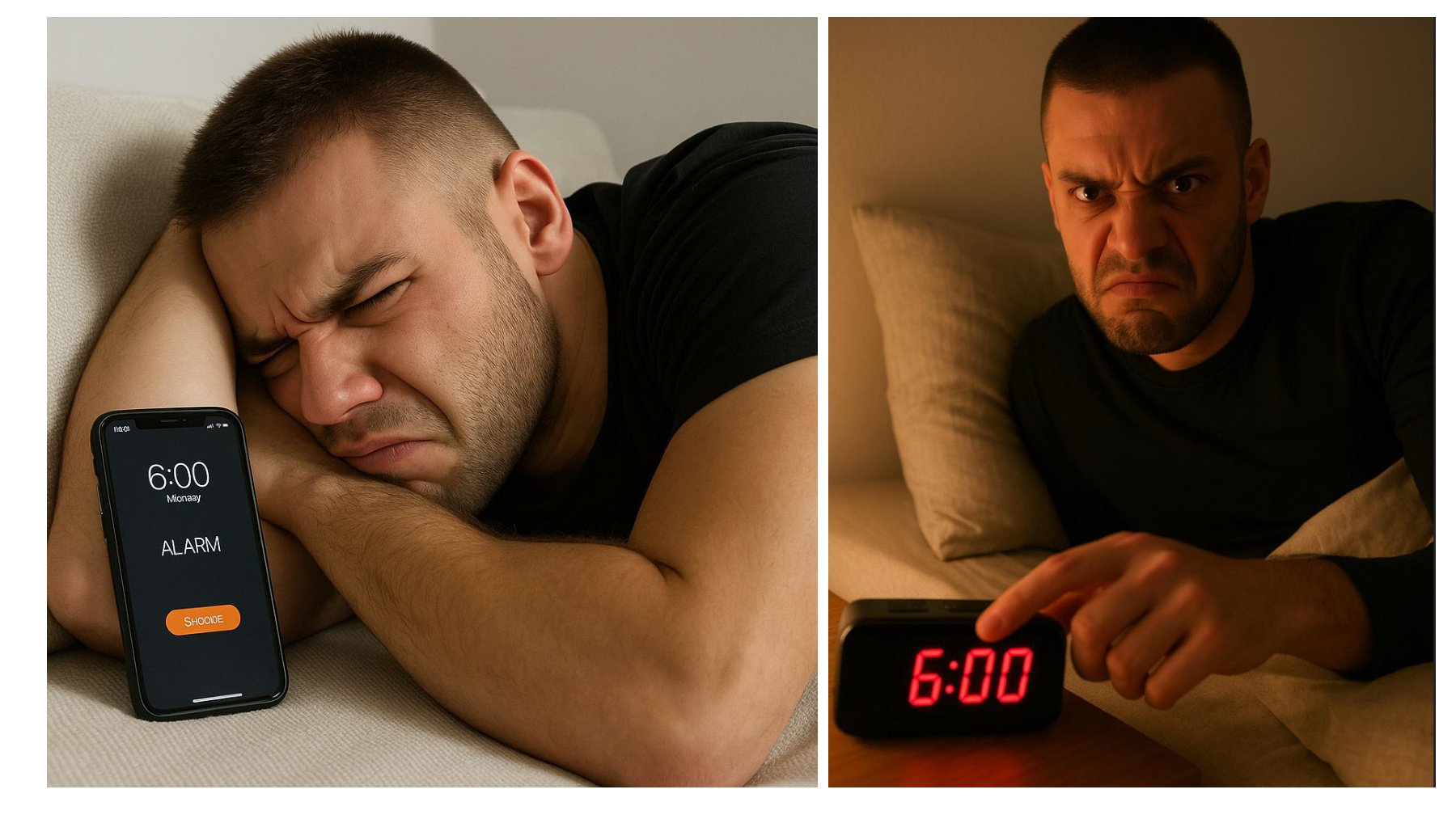
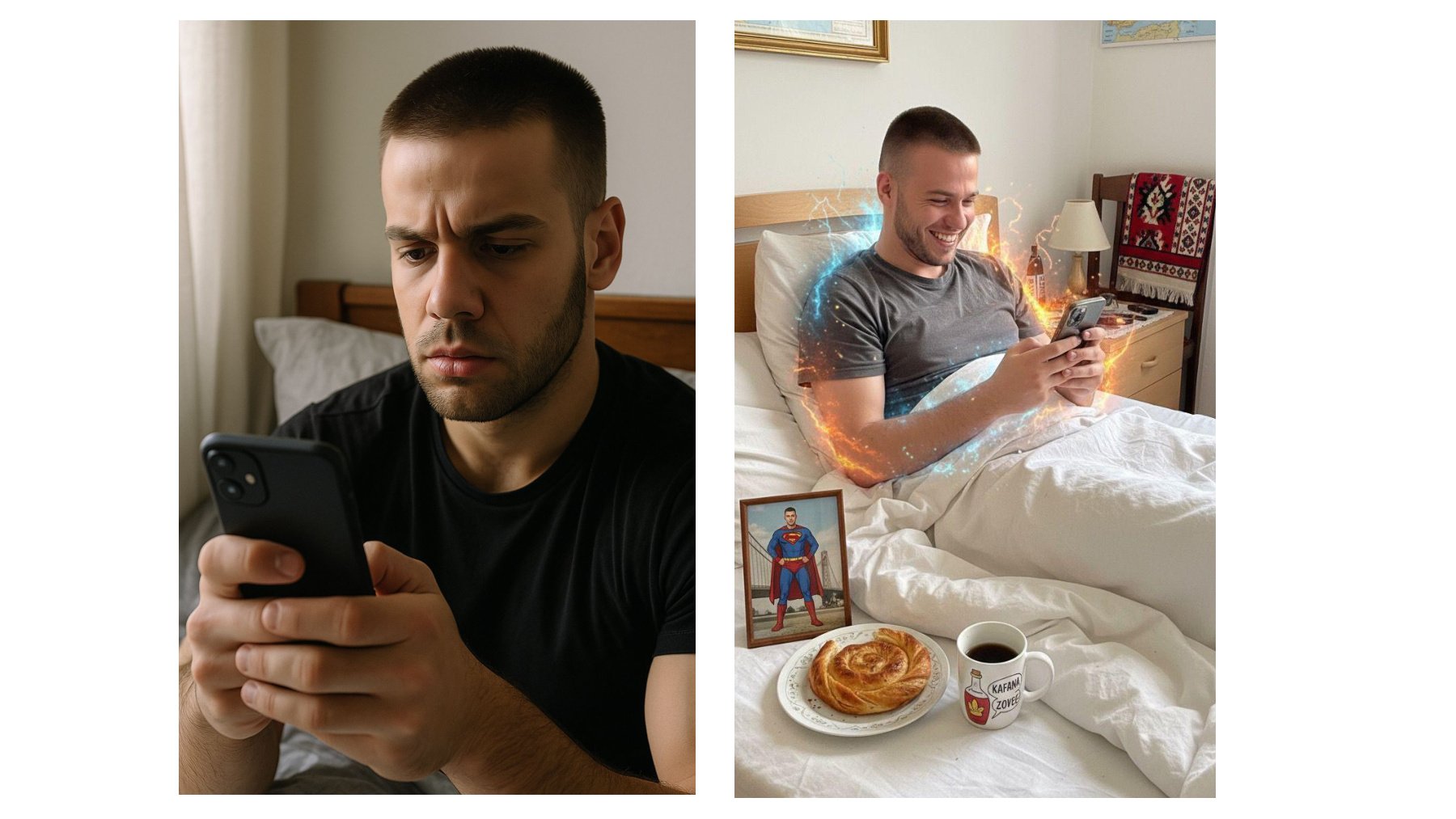
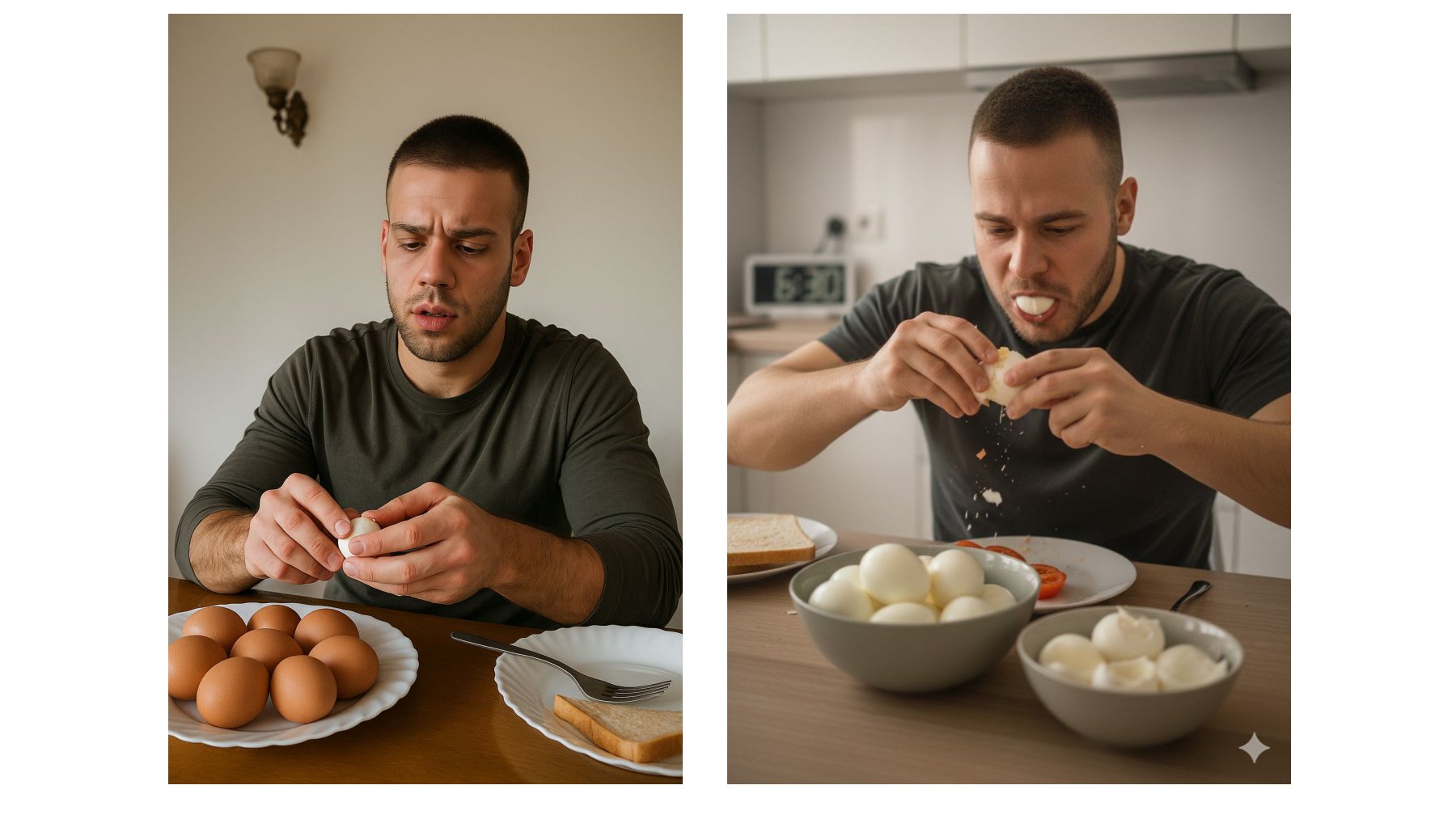
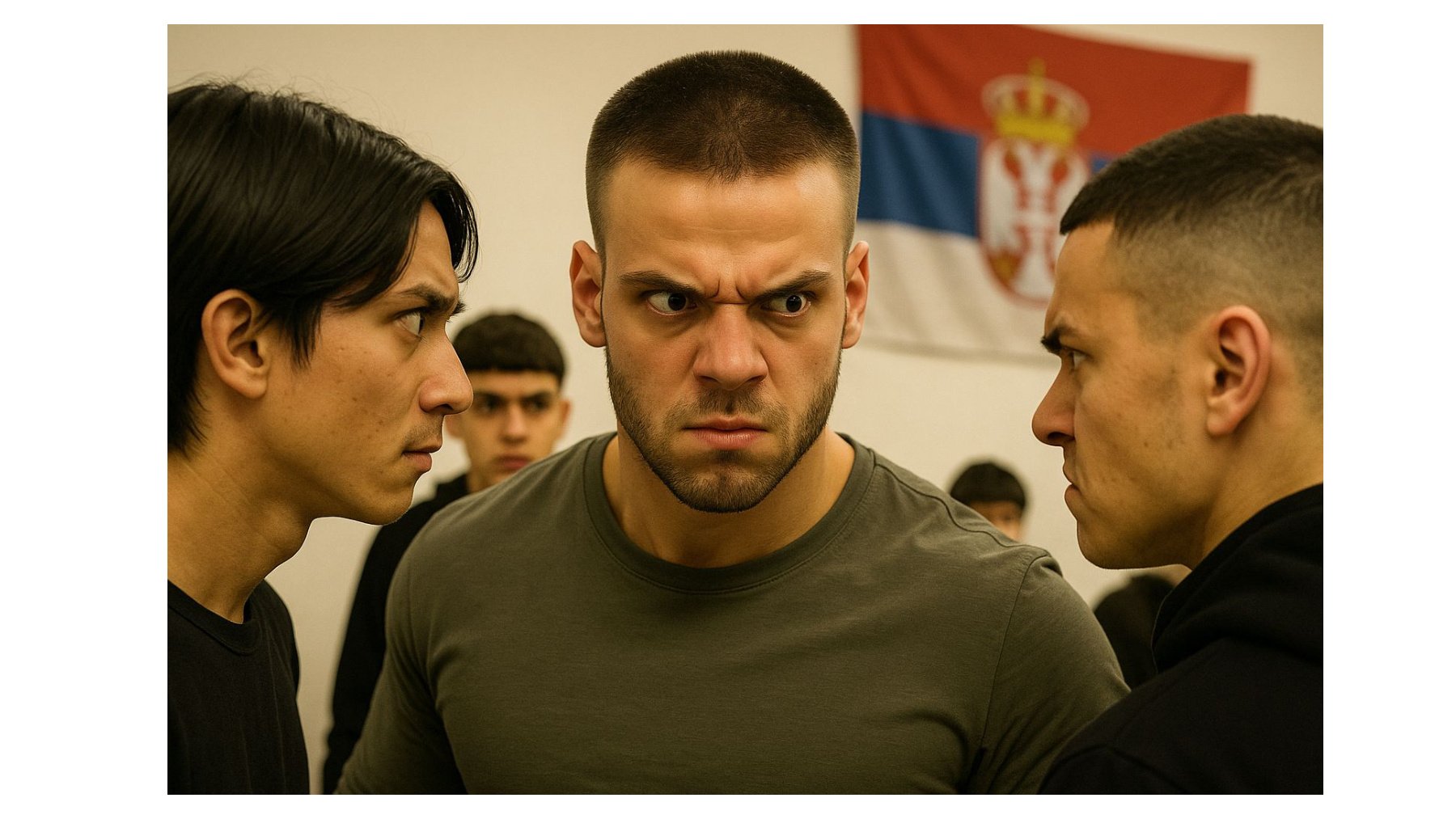

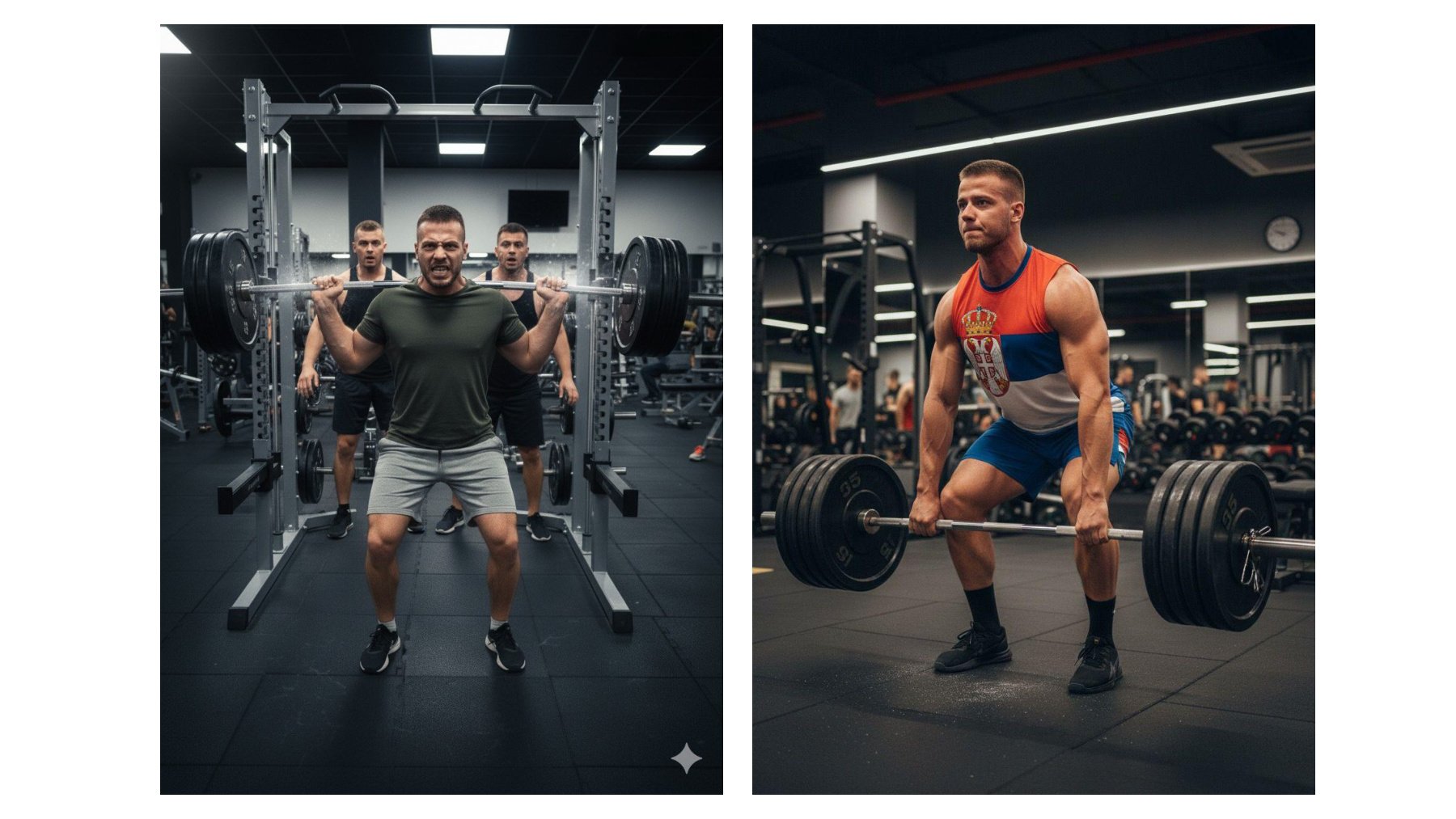
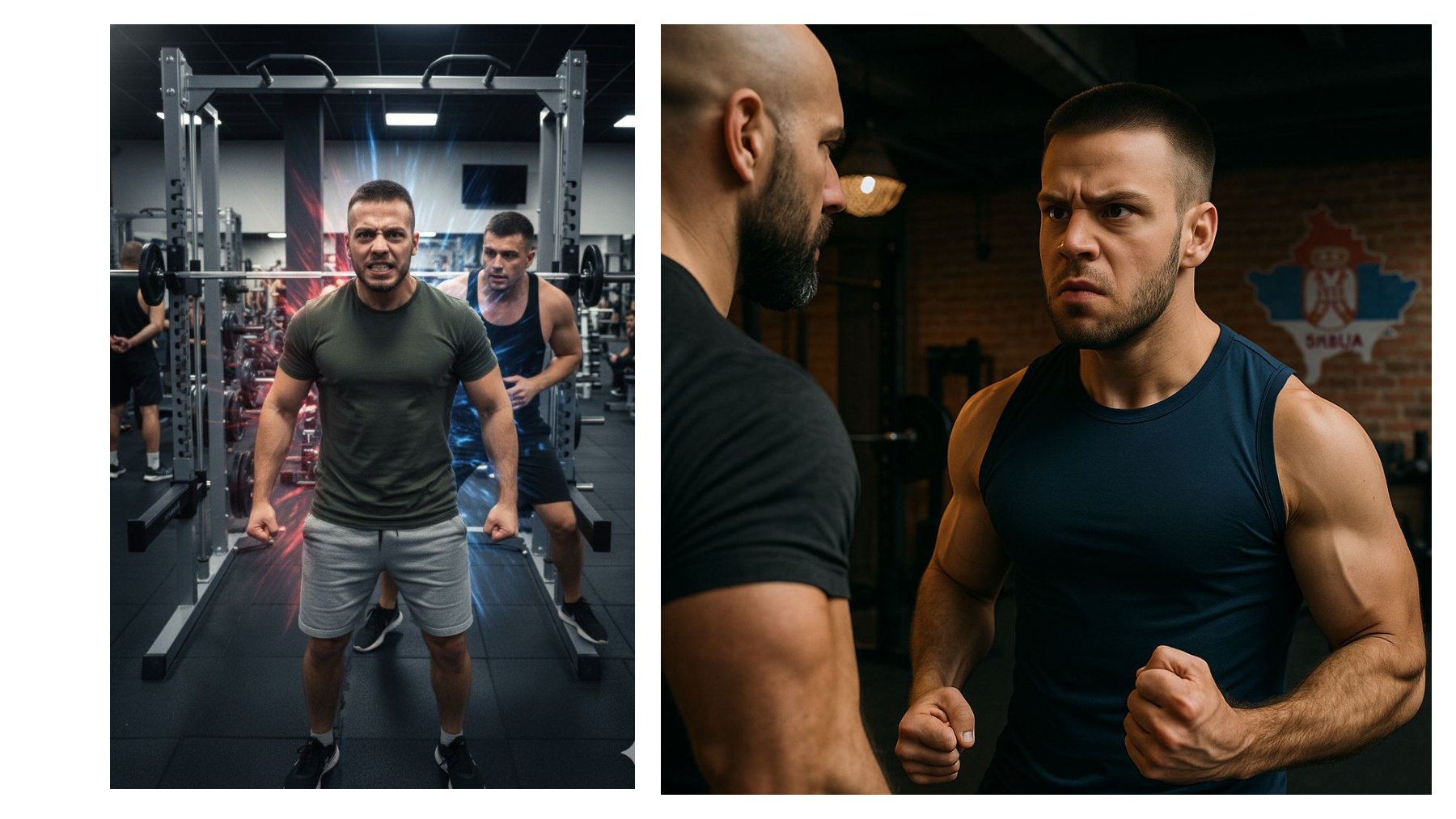
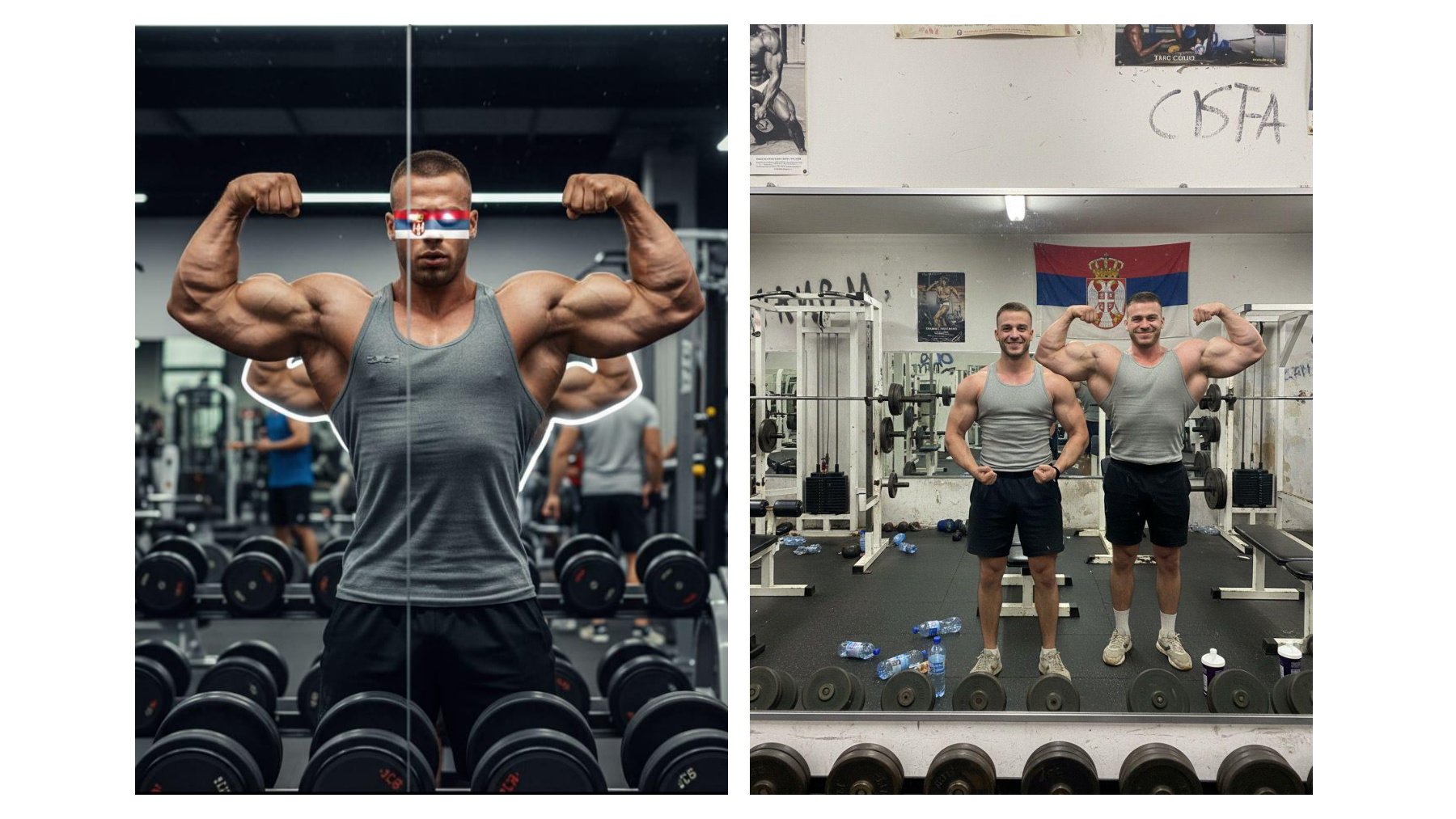


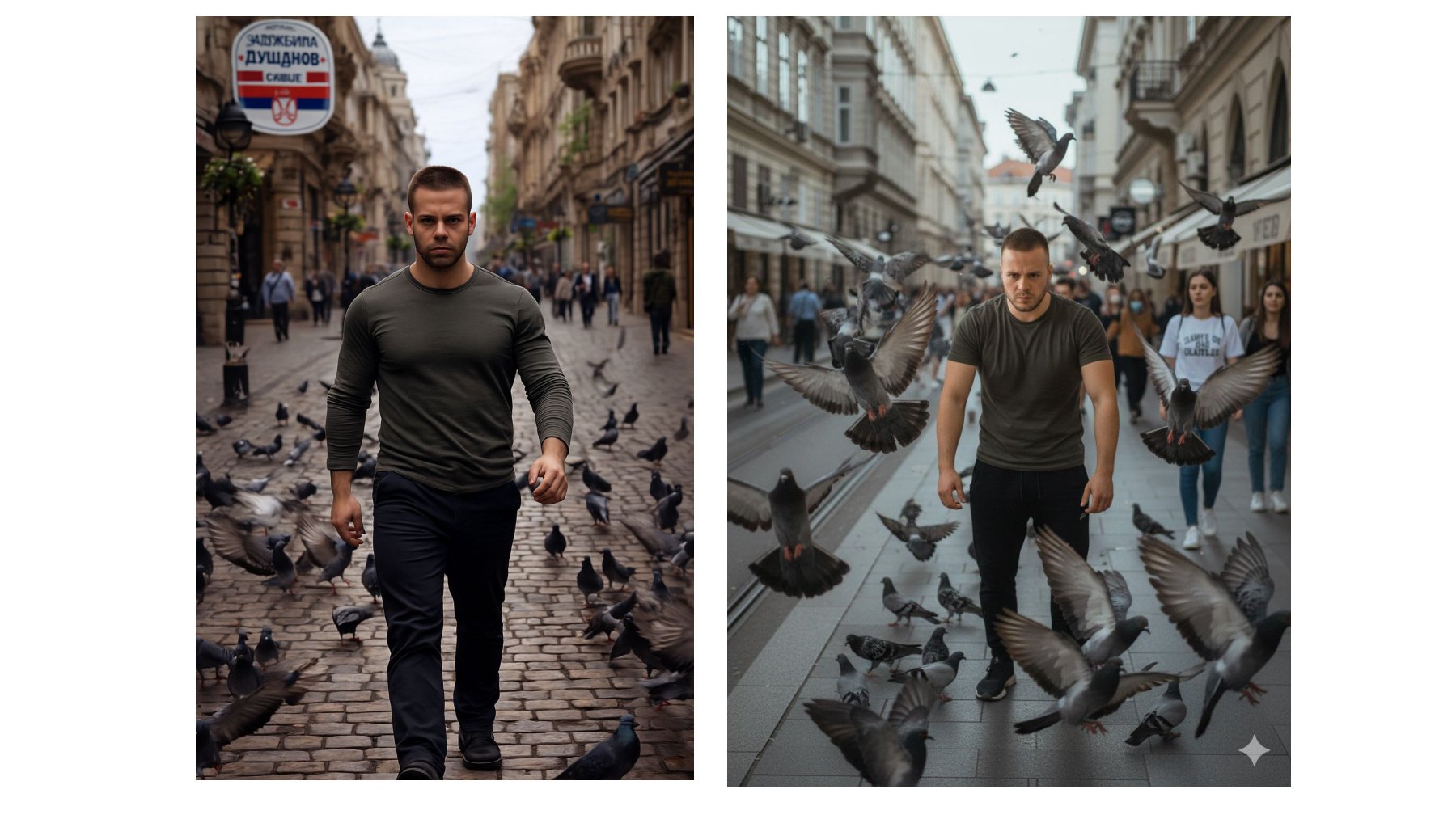
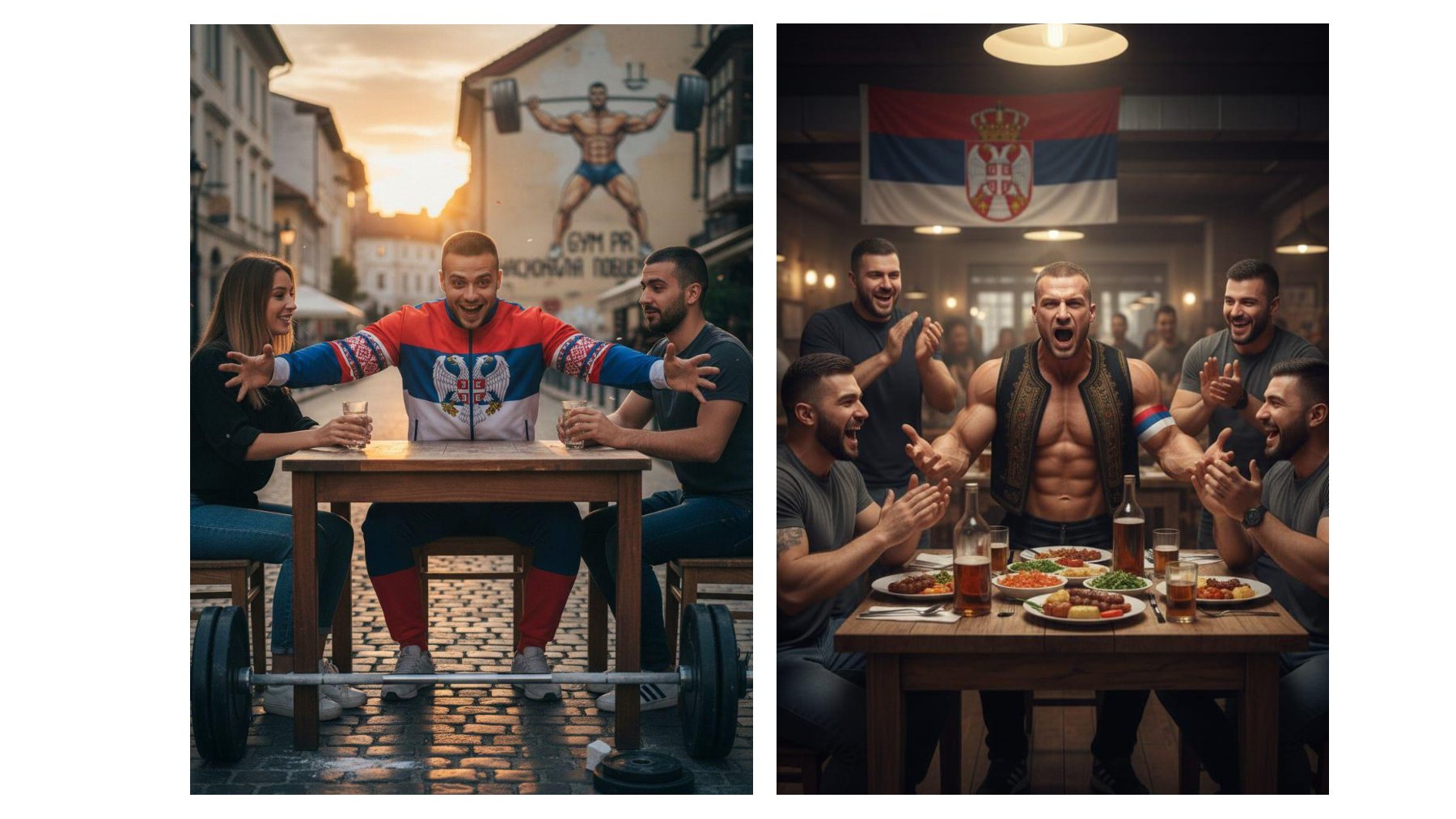









Breaking News: AI Gone Wrong
Each team took a real case where AI had caused harm and turned it into a short news-report-style video. After screening them and fielding questions, the group landed on a clear takeaway: AI has no moral compass, and it shouldn’t be trusted with emotional or important decisions. Alongside the report shared earlier, here are the others.
AI Causes Divorces
AI-Enabled Drone Opted to Attack Its Operator
AI Encouraged a Teen to Do the Unthinkable
AI Systems Blackmailed Their Human Users
Three Students Killed in EV Crash
Utopia.AI: designing the ideal AI
In teams, participants designed their own ideal AI, choosing its training data, abilities and limits, then used AI tools to make a one-minute, TikTok-style promo video with an AI voiceover. Beyond the example shown earlier, here are more of the teams’ visions.
AI Helps Disordered People
Fit AI
Tigra AI
Dissemination Events
Rokytnice nad Jizerou, Czechia, October 2025
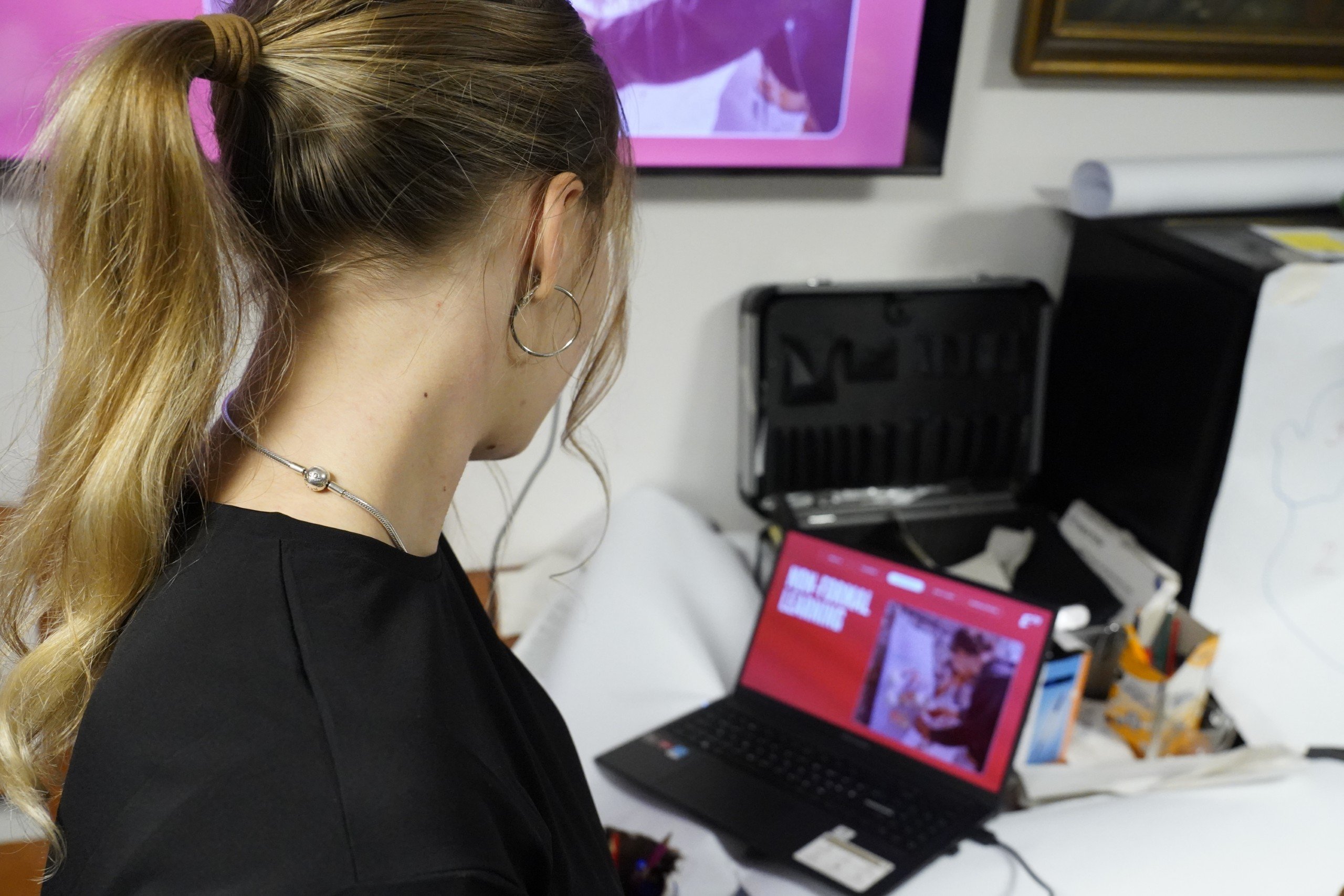
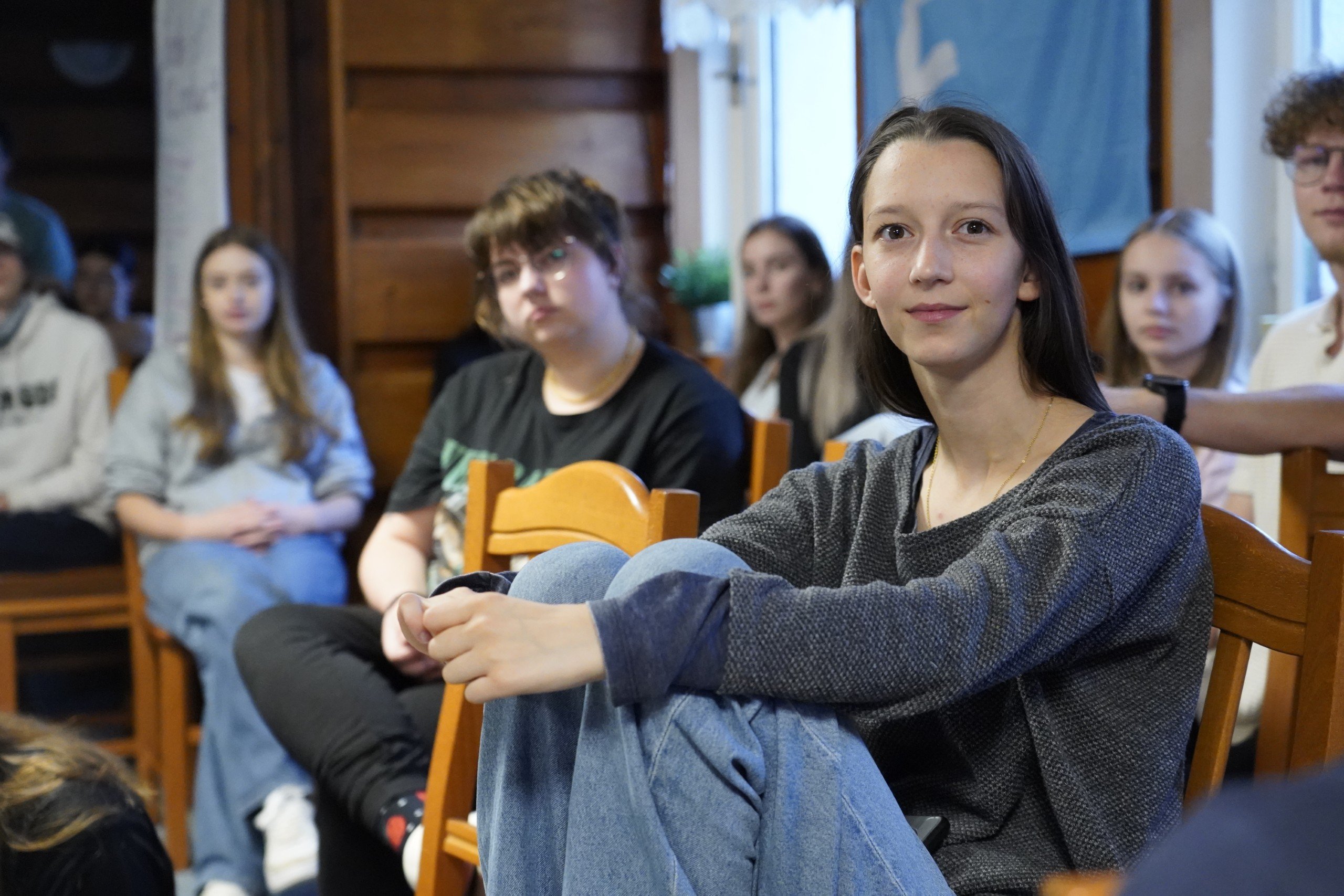
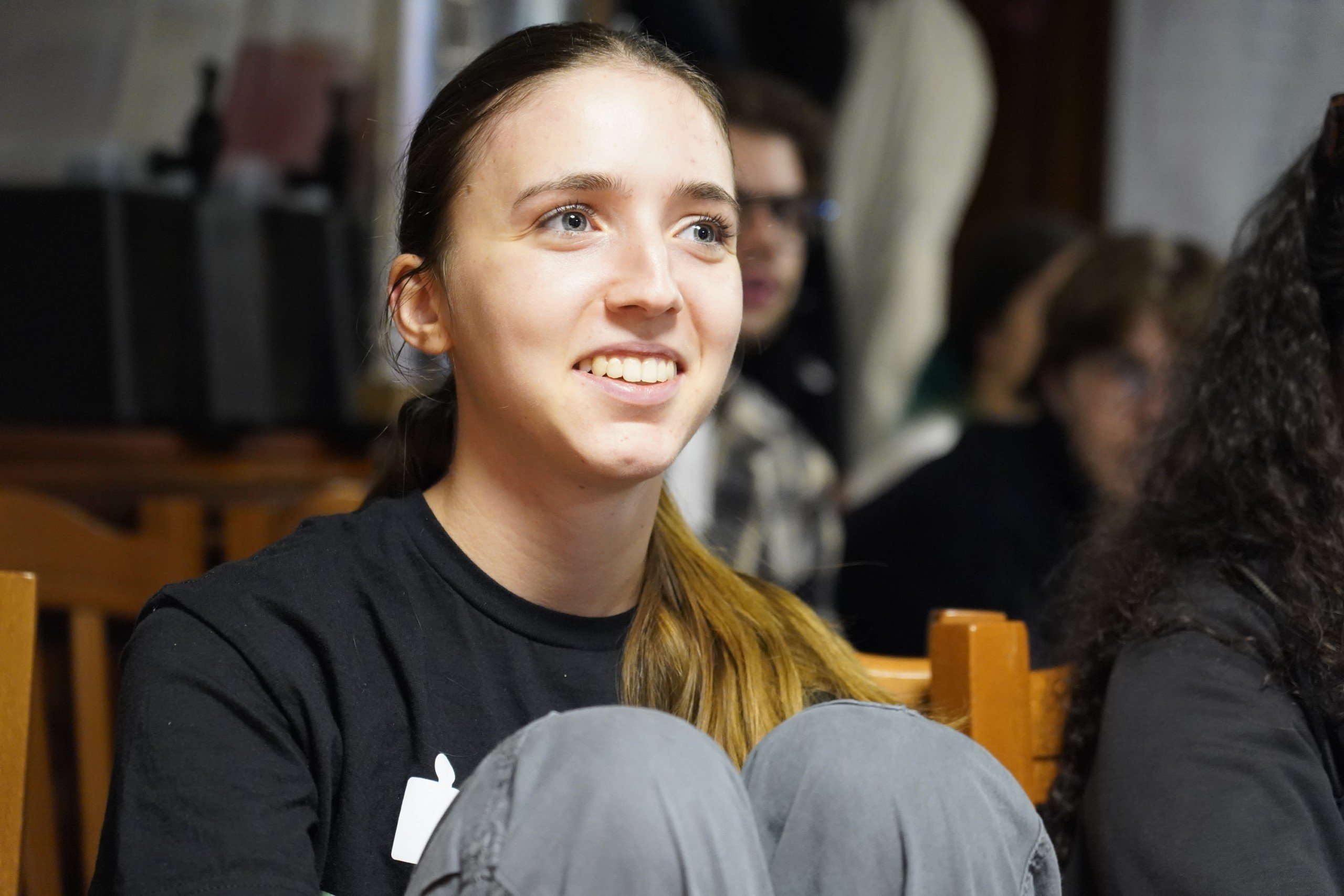
Yaroslava presented the Plugged In youth exchange to 56 participants at Chata pod Lípami in Rokytnice nad Jizerou, sharing what the project was about and the opportunities Erasmus+ offers.
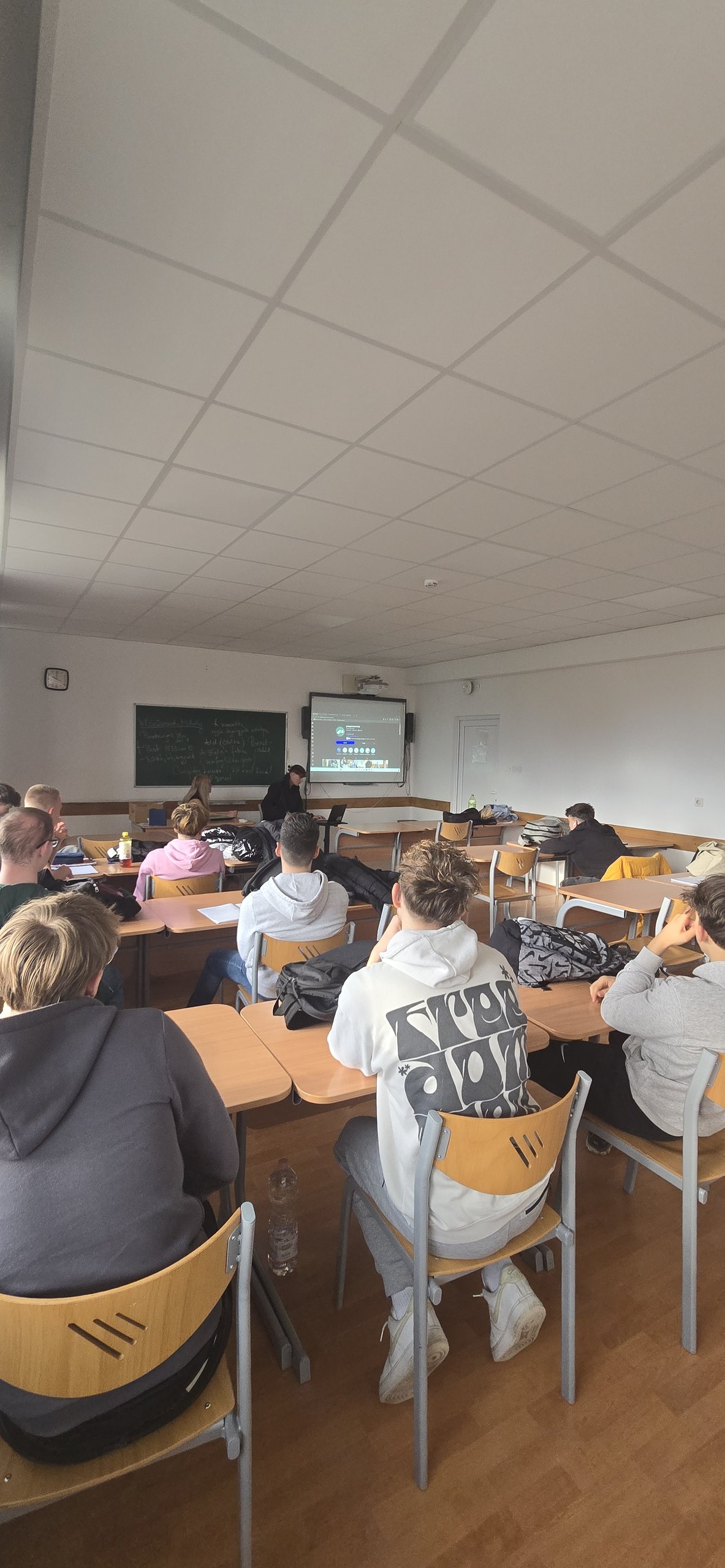
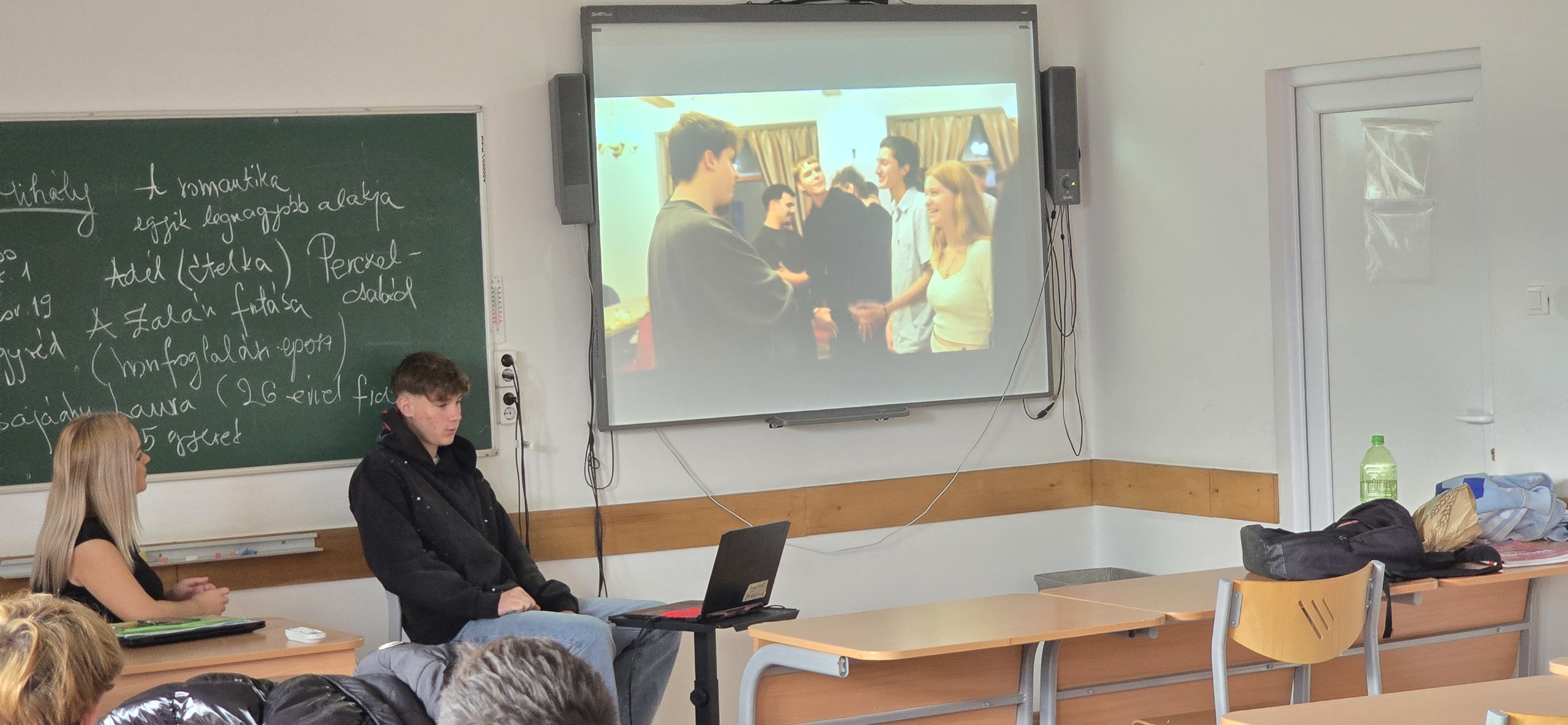
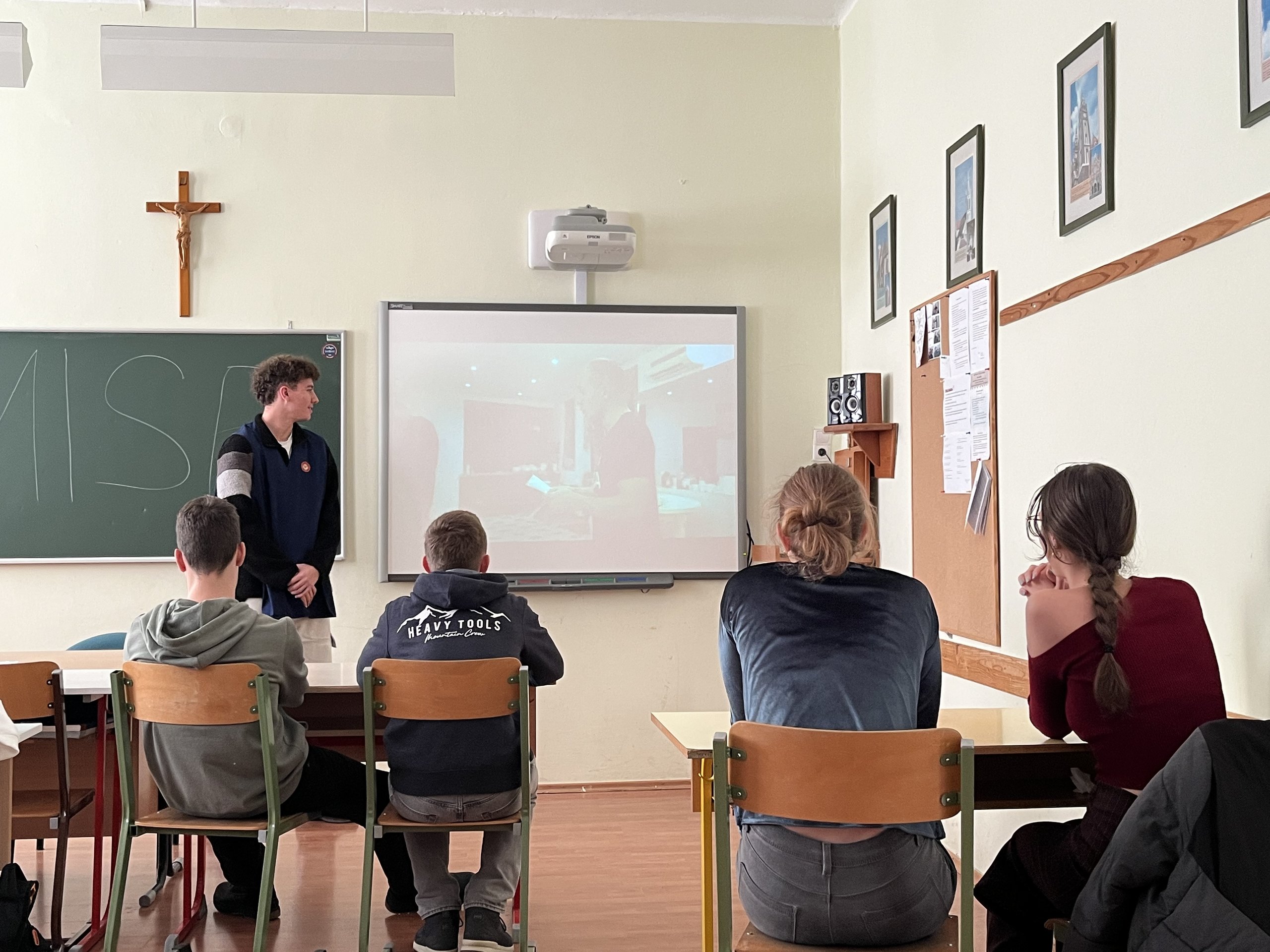
Esztergom, Hungary, November 2025
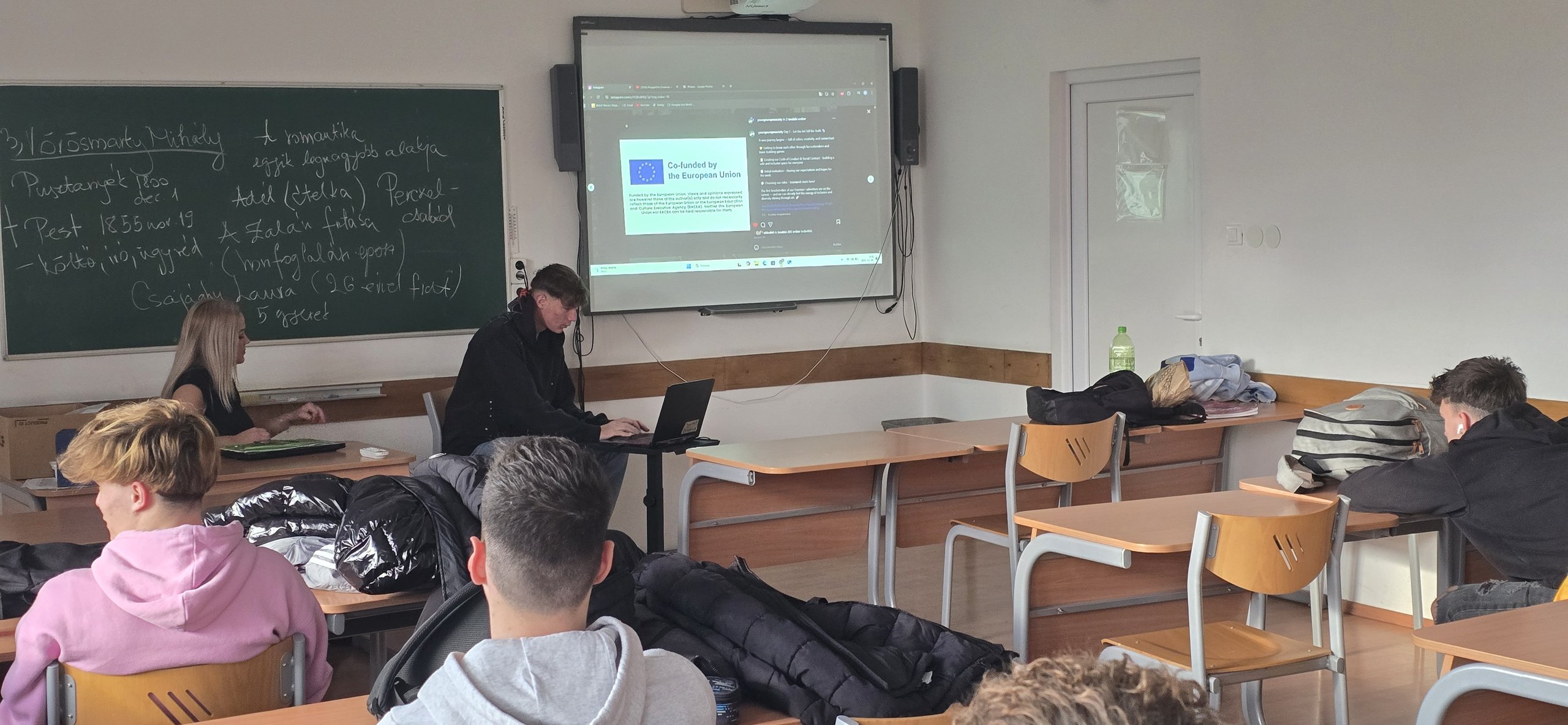
Noel shared the activity’s recap video and his Erasmus+ experience with 25 students at Géza Fejedelem Vocational High School, showing project photos and explaining how they could take part too.
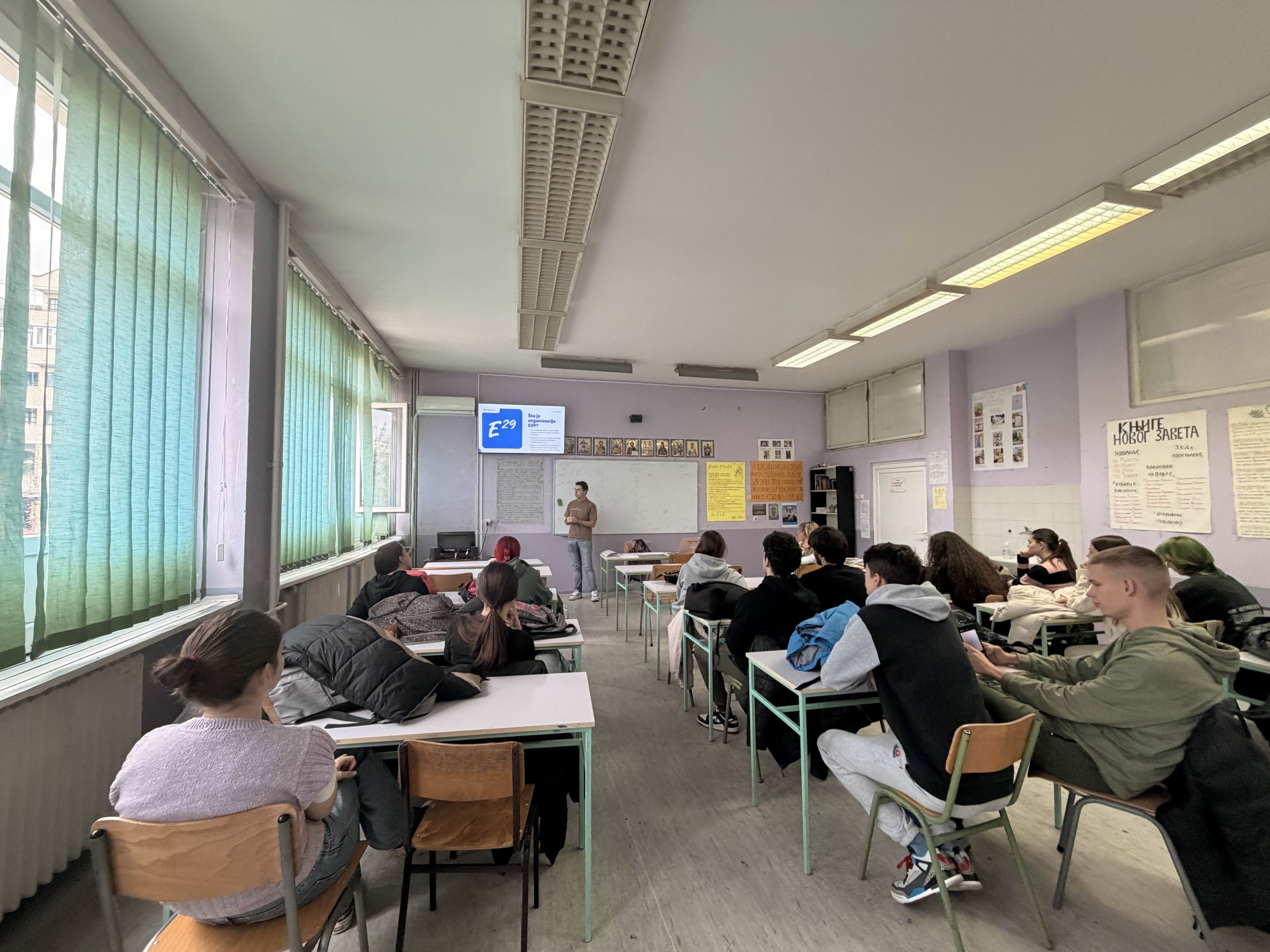
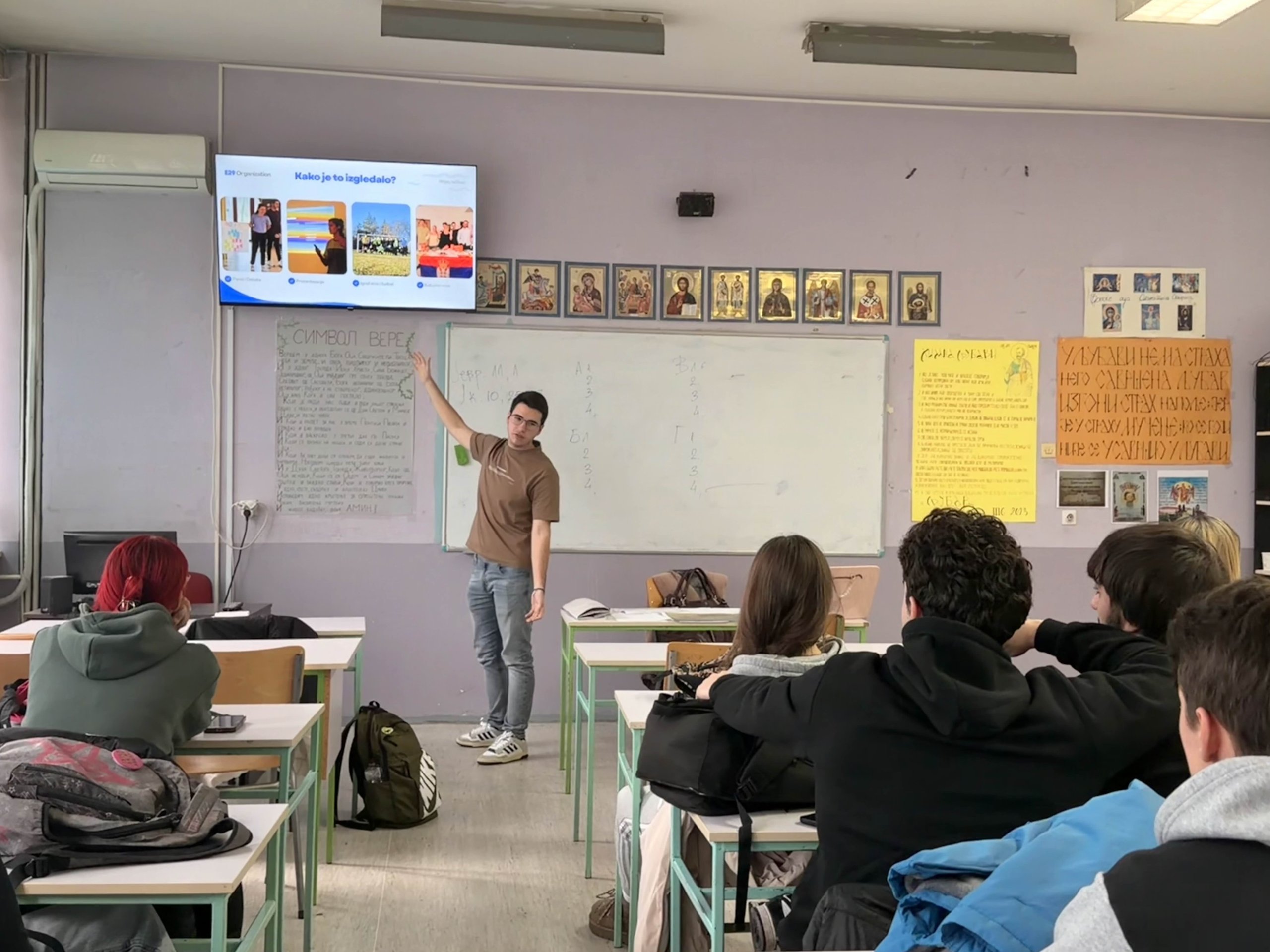
Loznica, Serbia, November 2025
Ognjen gave a presentation on Erasmus+ and Youthpass to 18 classmates at Gymnasium Vuk Karadžić, showing project photos and the Plugged In video and answering their questions.
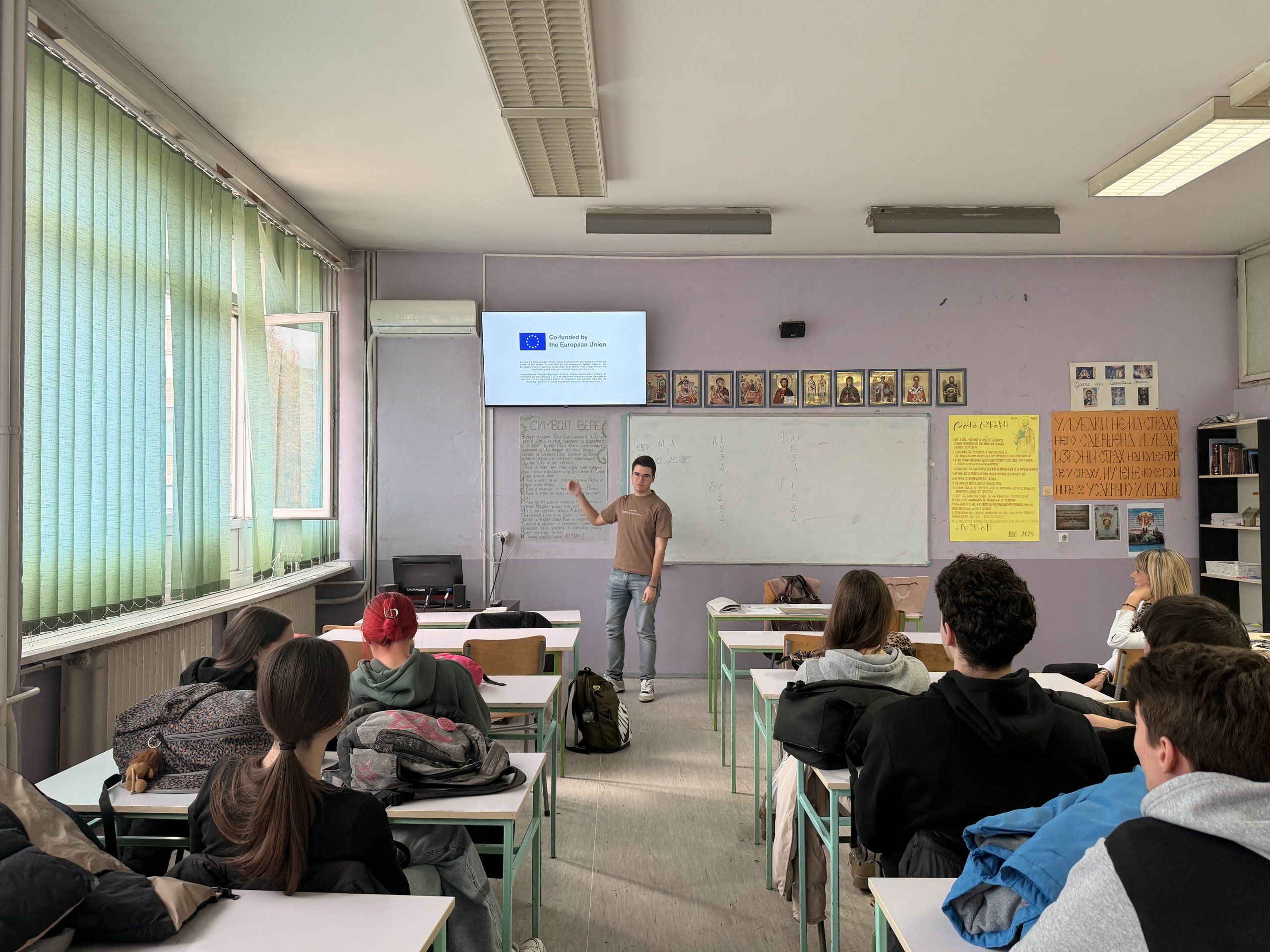
Pančevo, Serbia, November 2025
Jana presented the project to her class of 24, introducing Erasmus+, the AI workshops on prompting and ethics, the intercultural side of the exchange, and how classmates could join future opportunities.
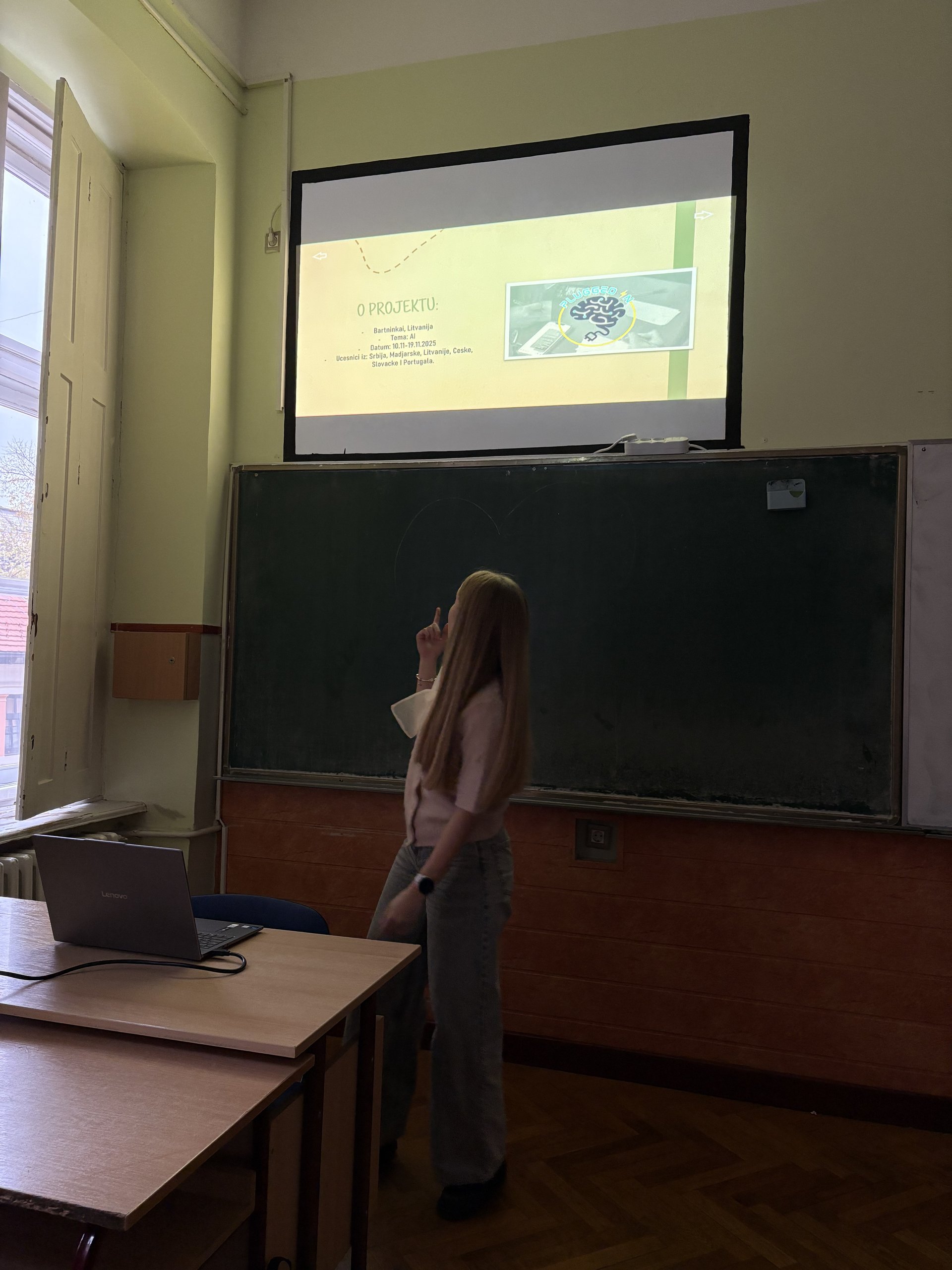
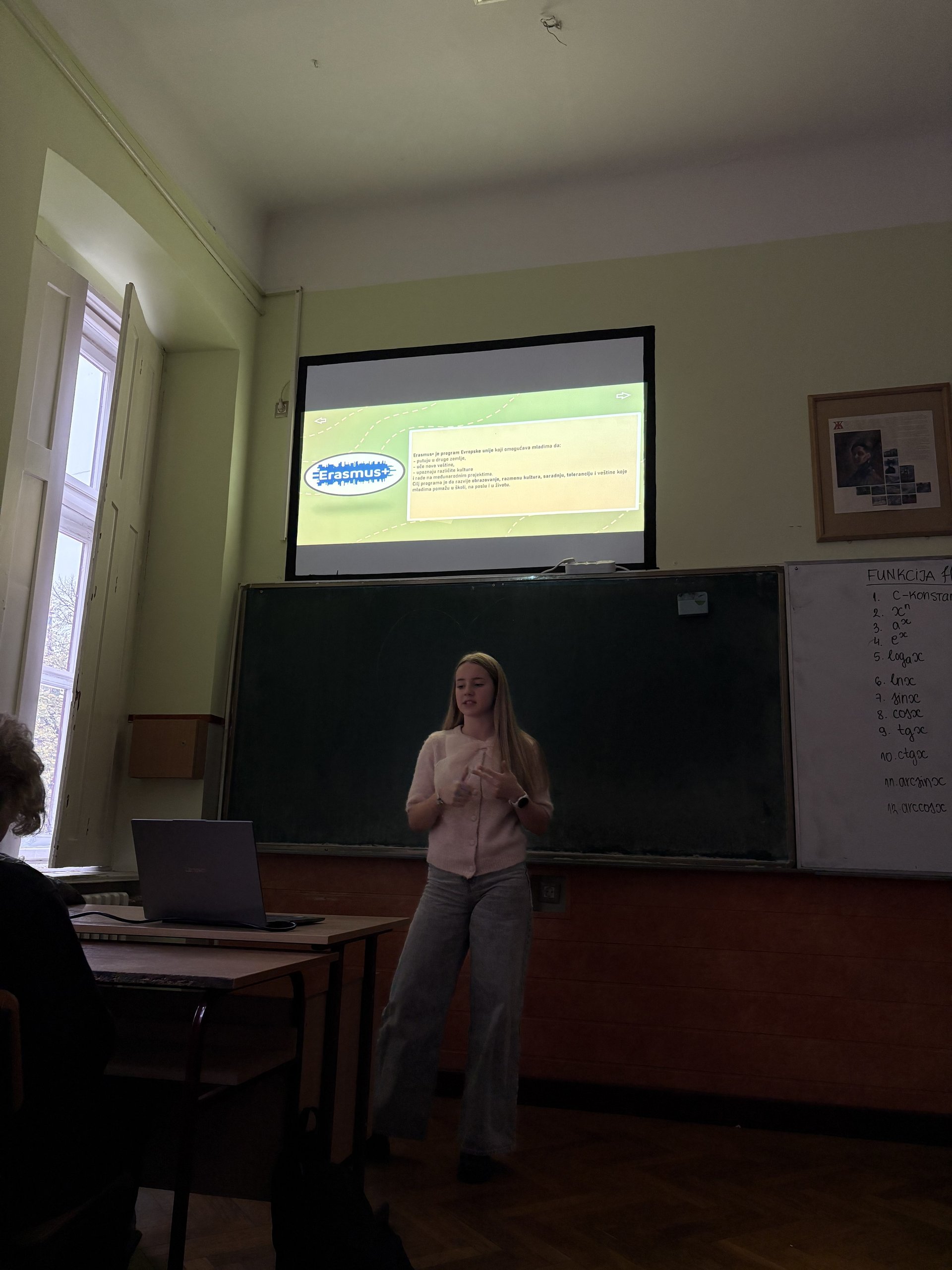
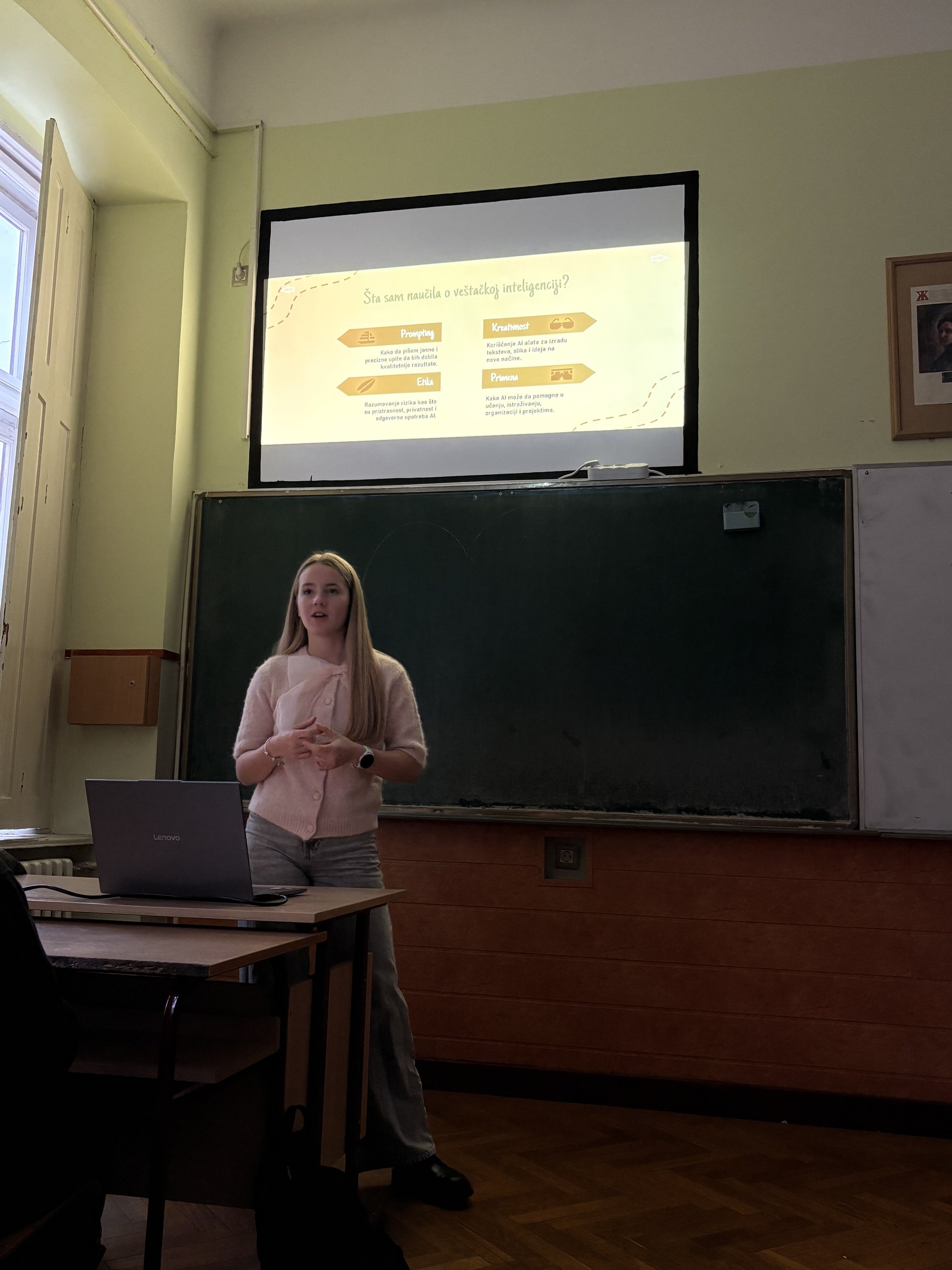
Poděbrady, Czechia, November 2025
Zuzana presented the youth exchange to a class of 22 seniors during an English lesson at SZeŠ and SOŠ, played the Plugged In video, and discussed how to join Erasmus+ projects.
Esztergom, Hungary, November 2025
Levente presented Erasmus+ and a video of the project to classmates after lessons, sparking interest among those already considering applying to an upcoming project.
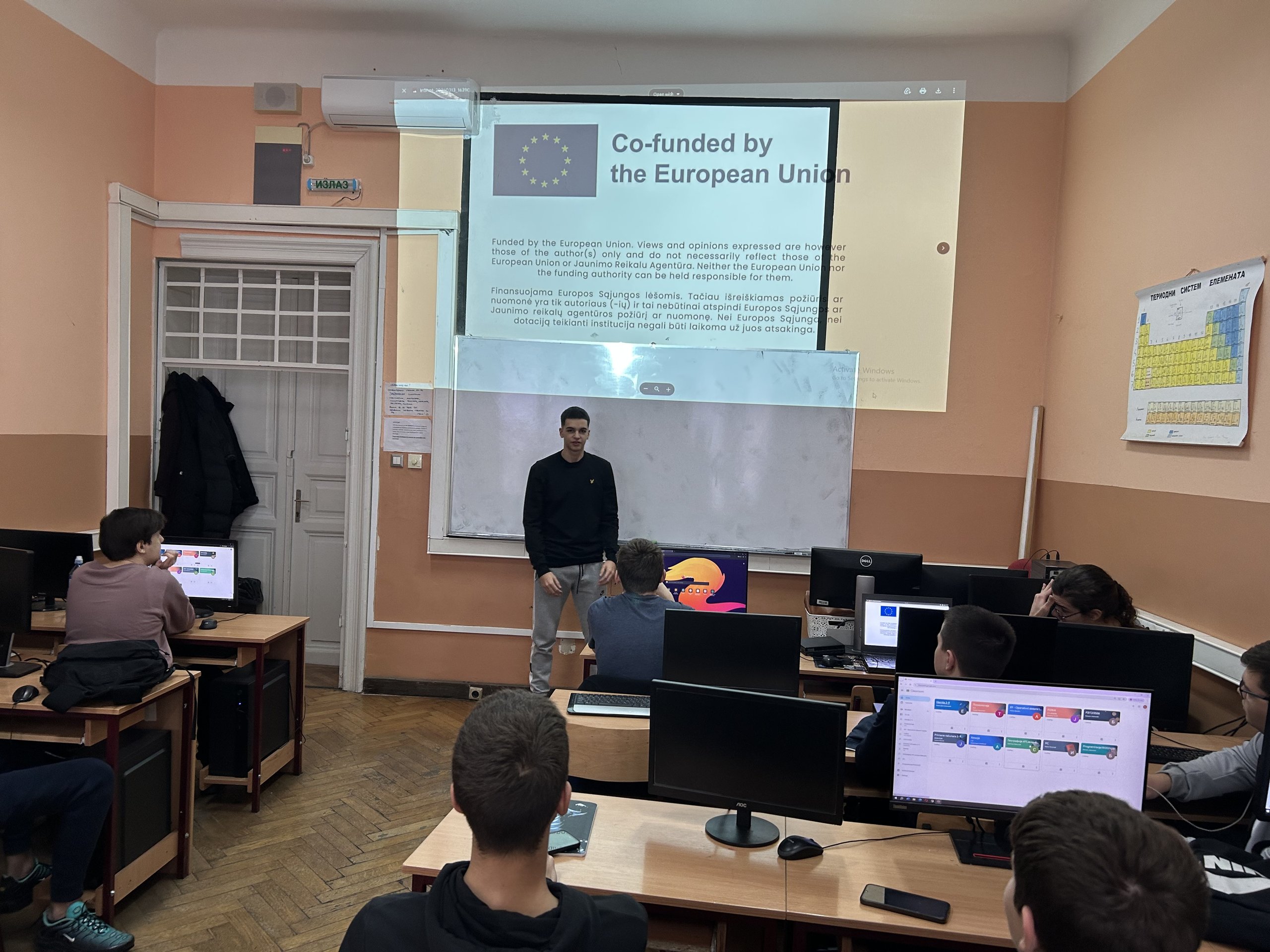
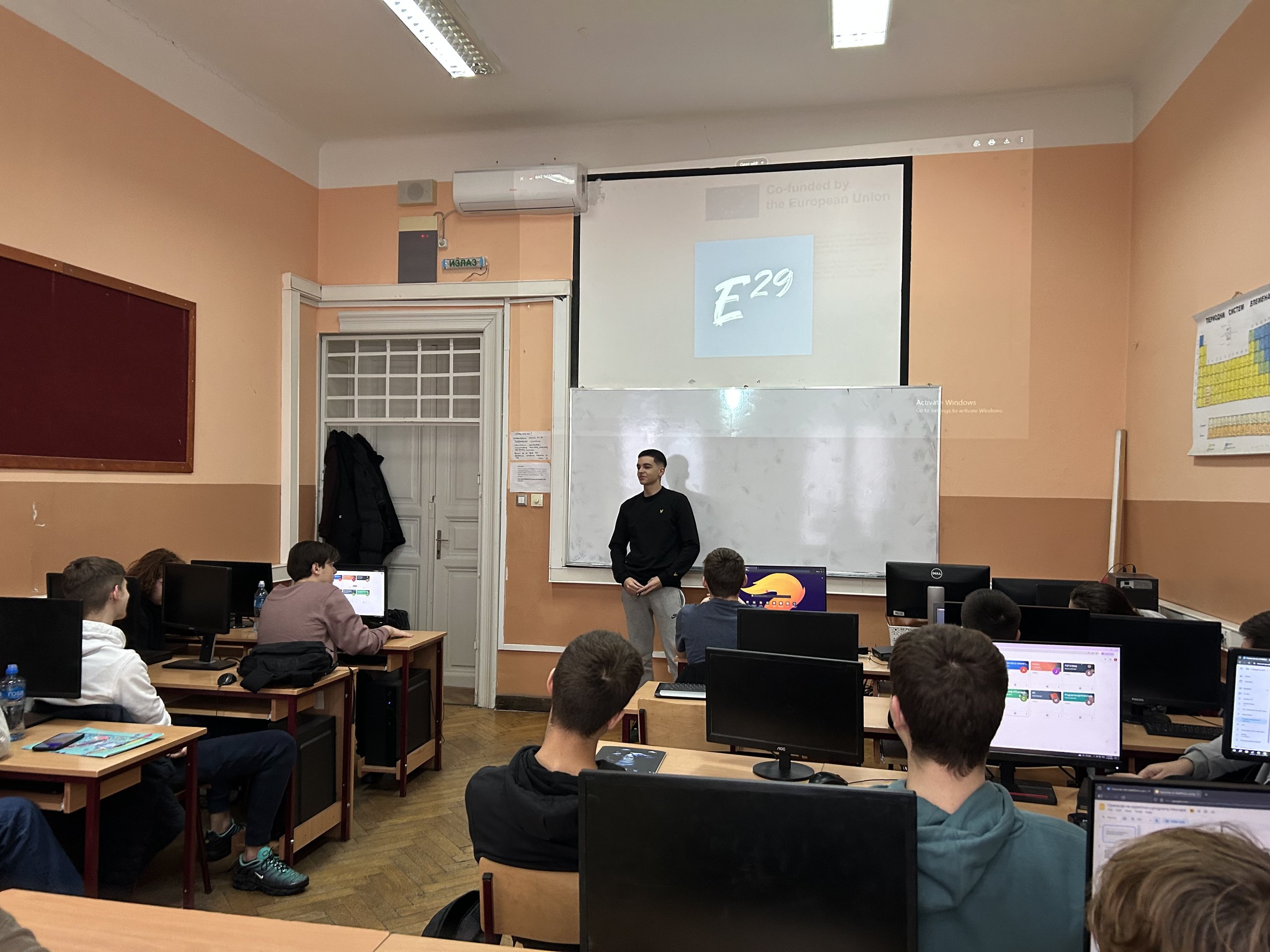
Pančevo, Serbia, November 2025
Aleksa shared the Erasmus+ mobility with 15 students and teachers at Gimnazija Uroš Predić, presenting the goals, activities and skills gained, with photos, to encourage others to join.
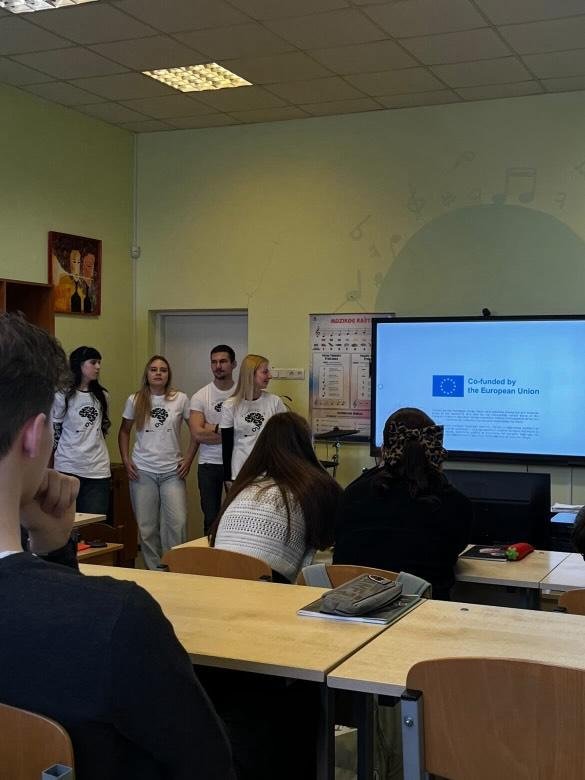
Vilkaviškis, Lithuania, November 2025
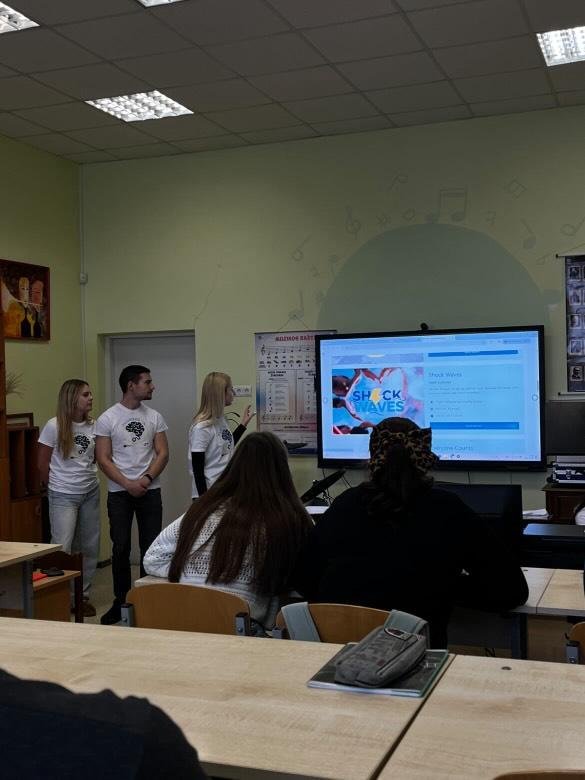
Armandas, Meda, Andreja and Agnė presented Plugged In to 25 tenth-grade students at Aušros Gymnasium, using a slideshow with activity photos and the promo video to explain Erasmus+ and how to join.
Pančevo, Serbia, November 2025
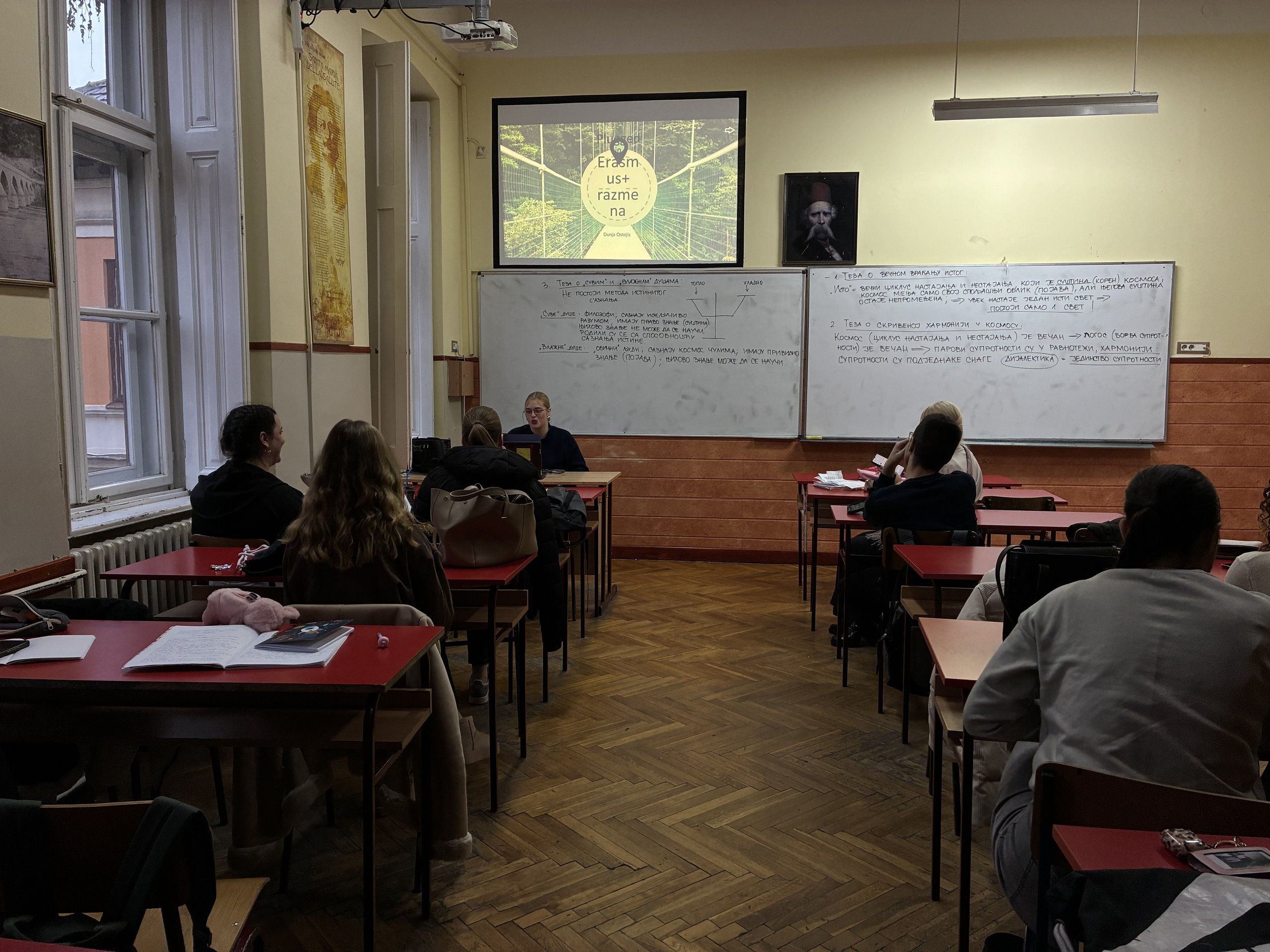
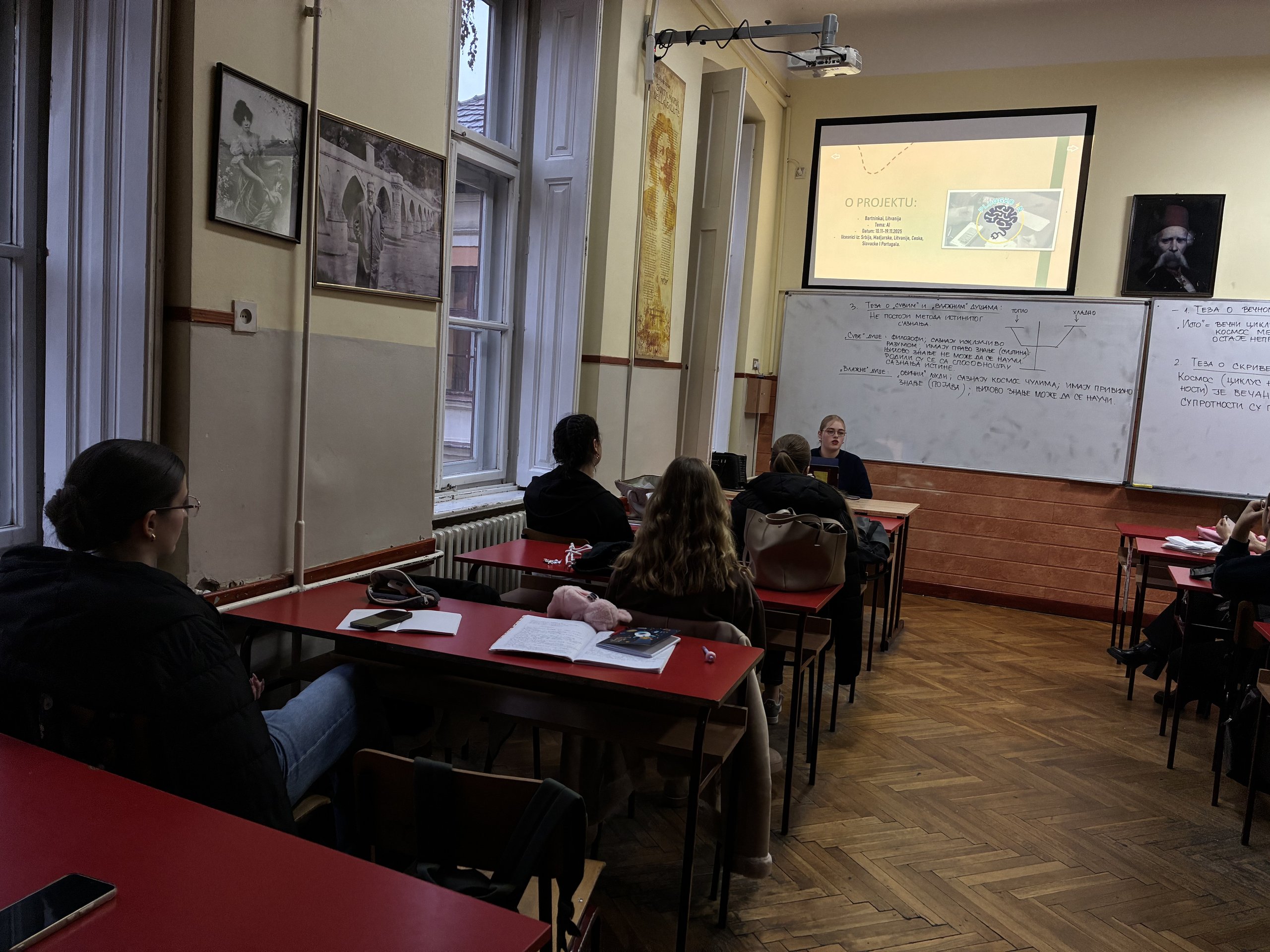
Dunja presented the project to her class of 20, explaining what Erasmus+ projects are and what a day at the exchange looks like, with photos and videos, followed by questions.
Brno, Czechia, December 2025
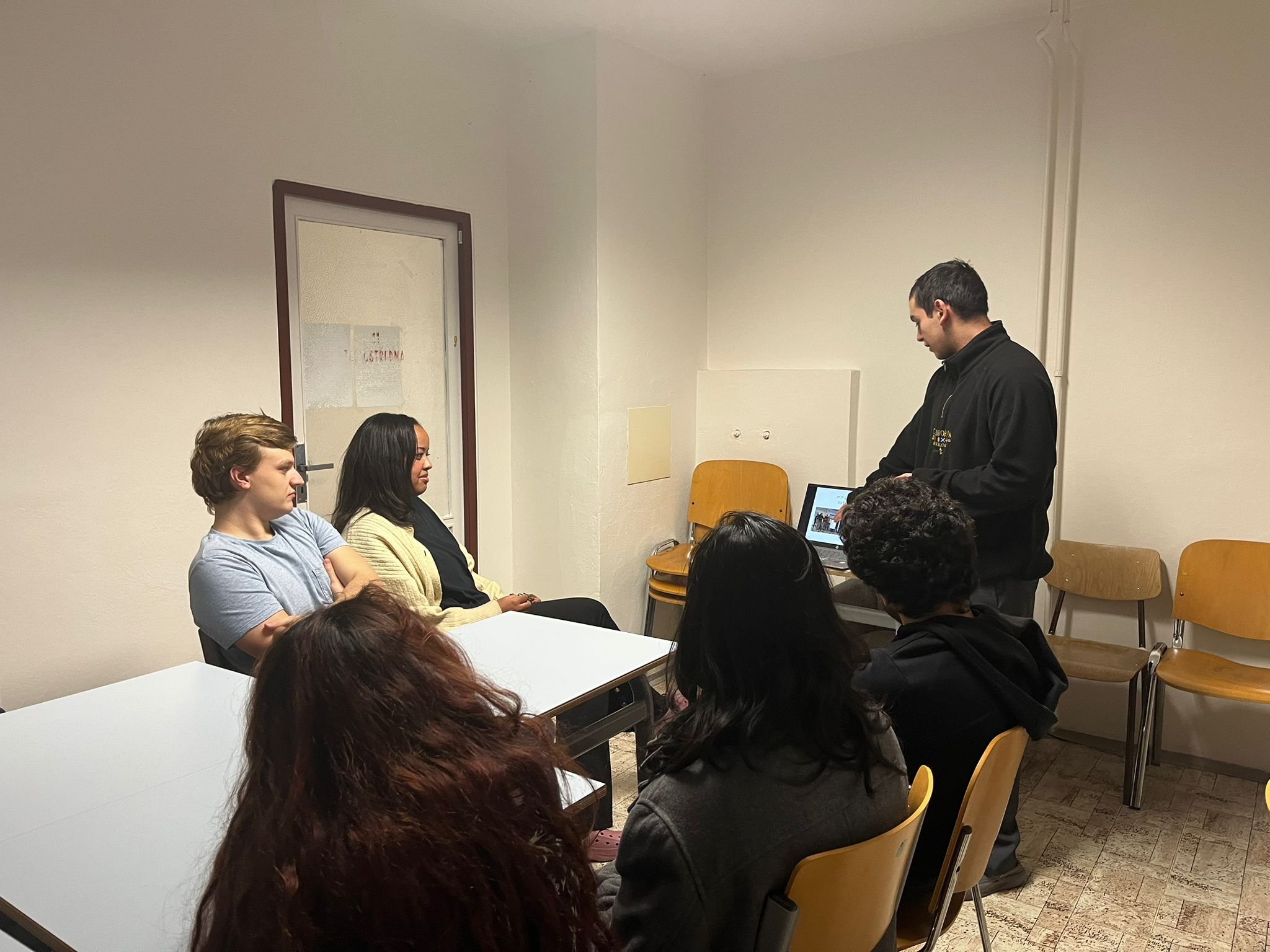
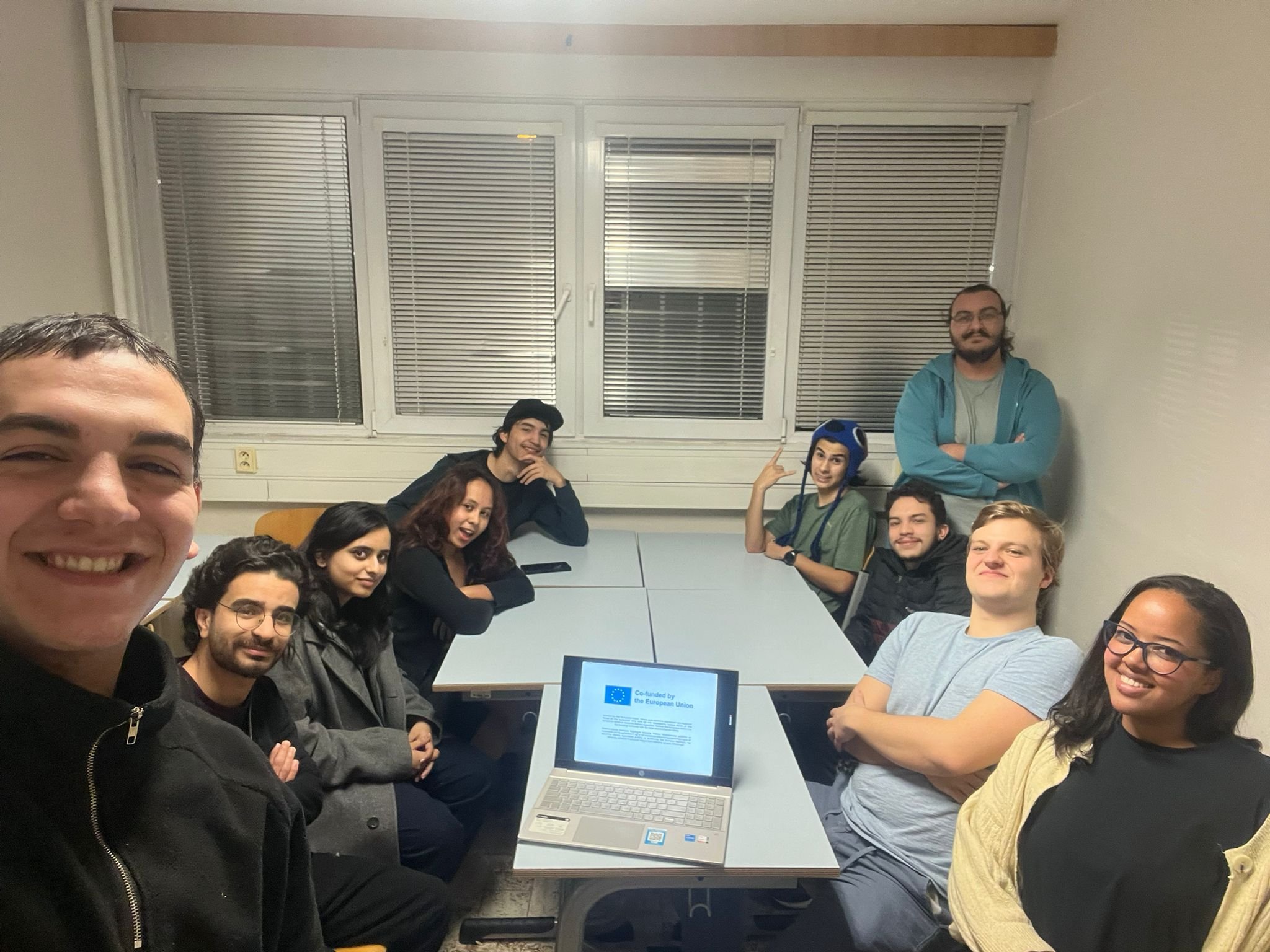
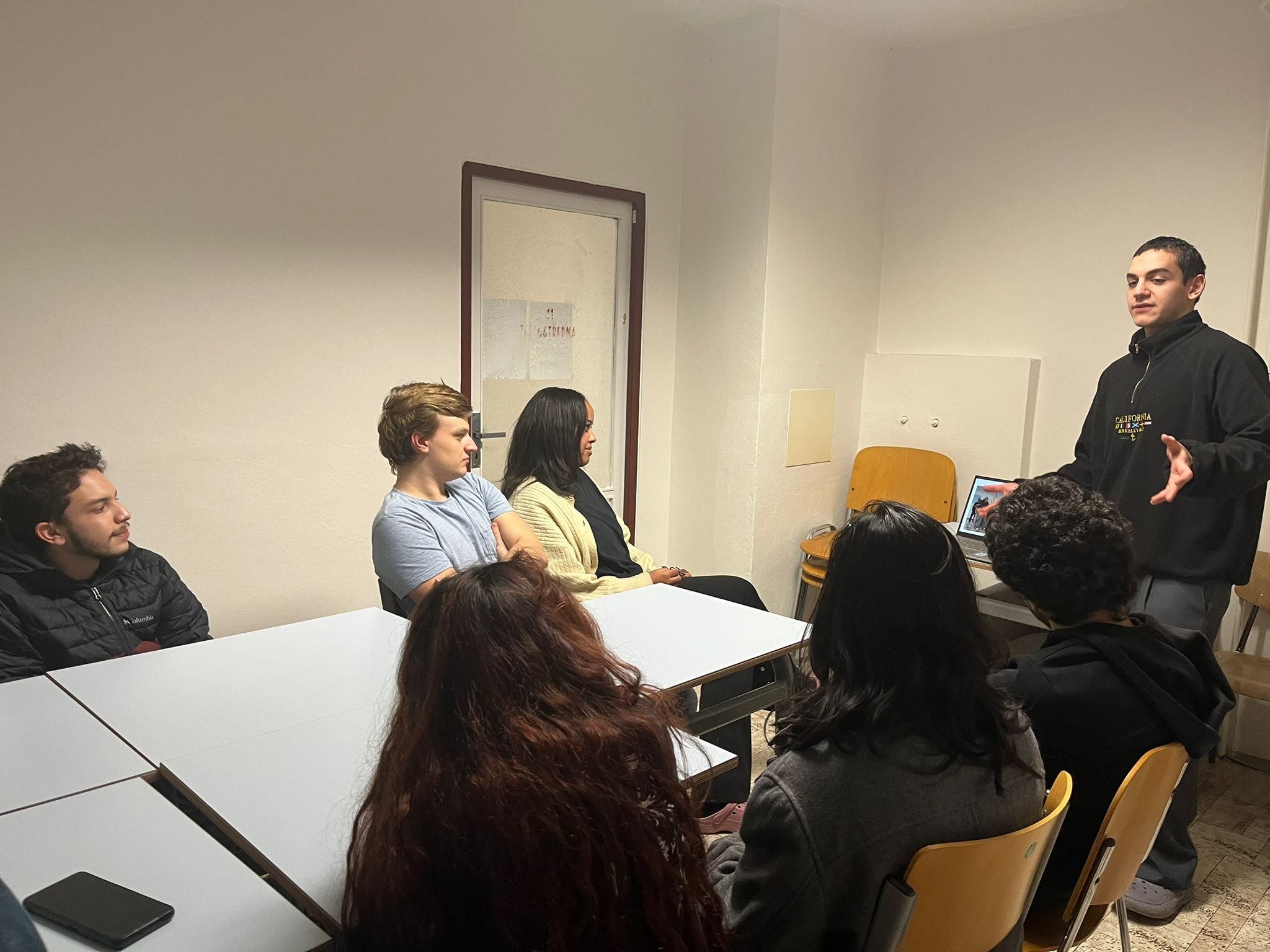
Levon gathered friends at the Masaryk University dormitory hall for an evening talk for 10 people, introducing Erasmus+ and sharing his personal Plugged In experience, challenges and skills gained.
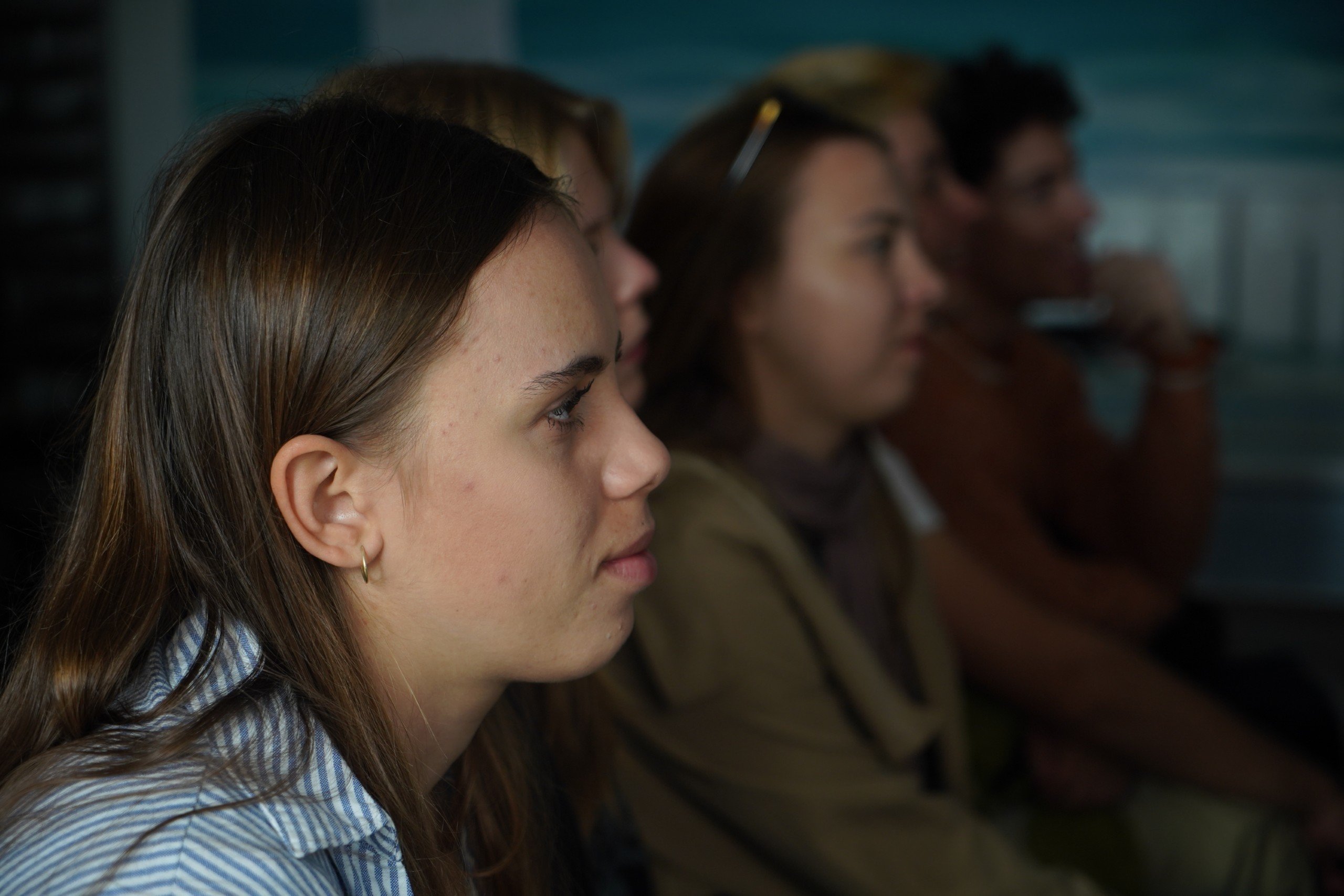
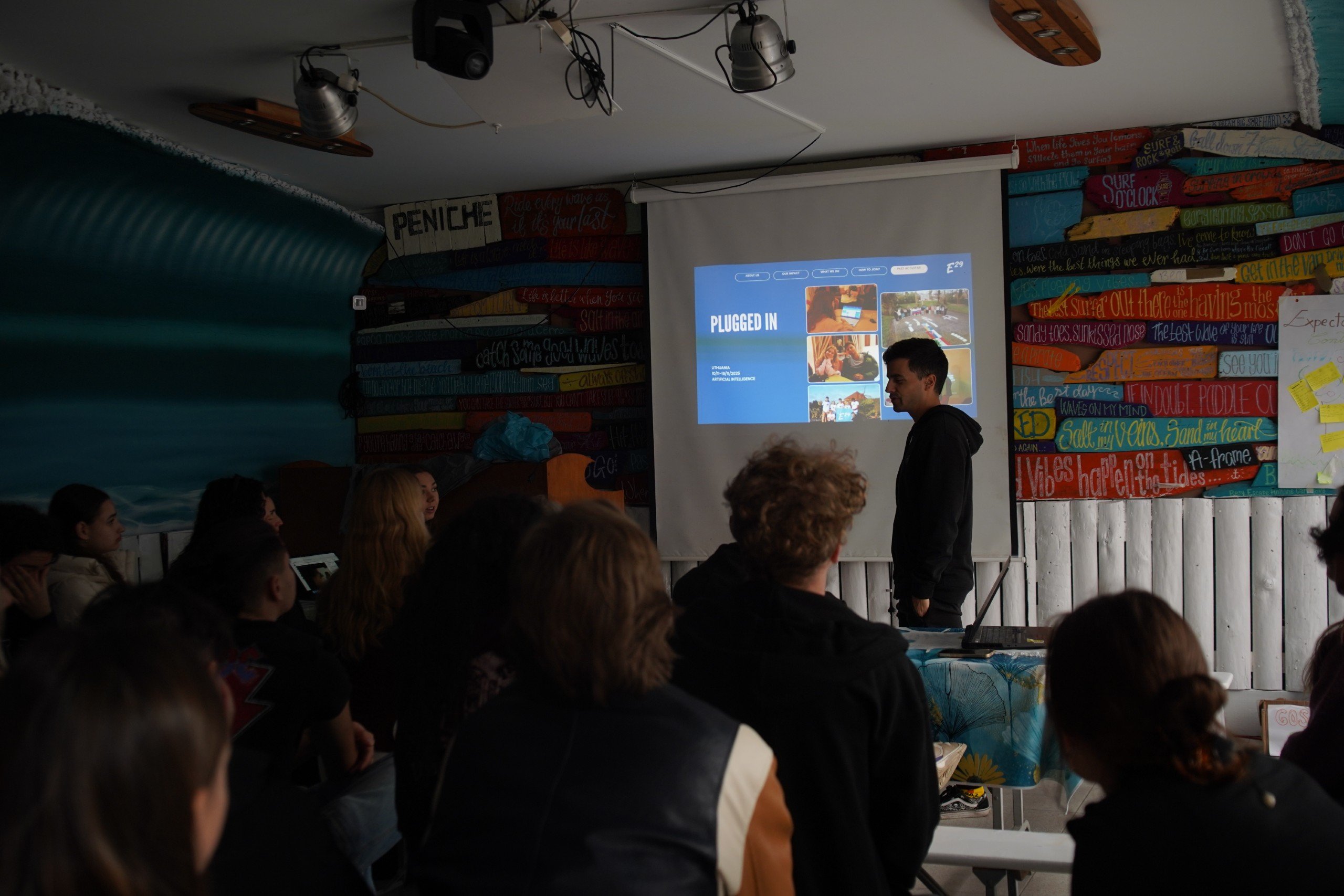
Peniche, Portugal, December 2025
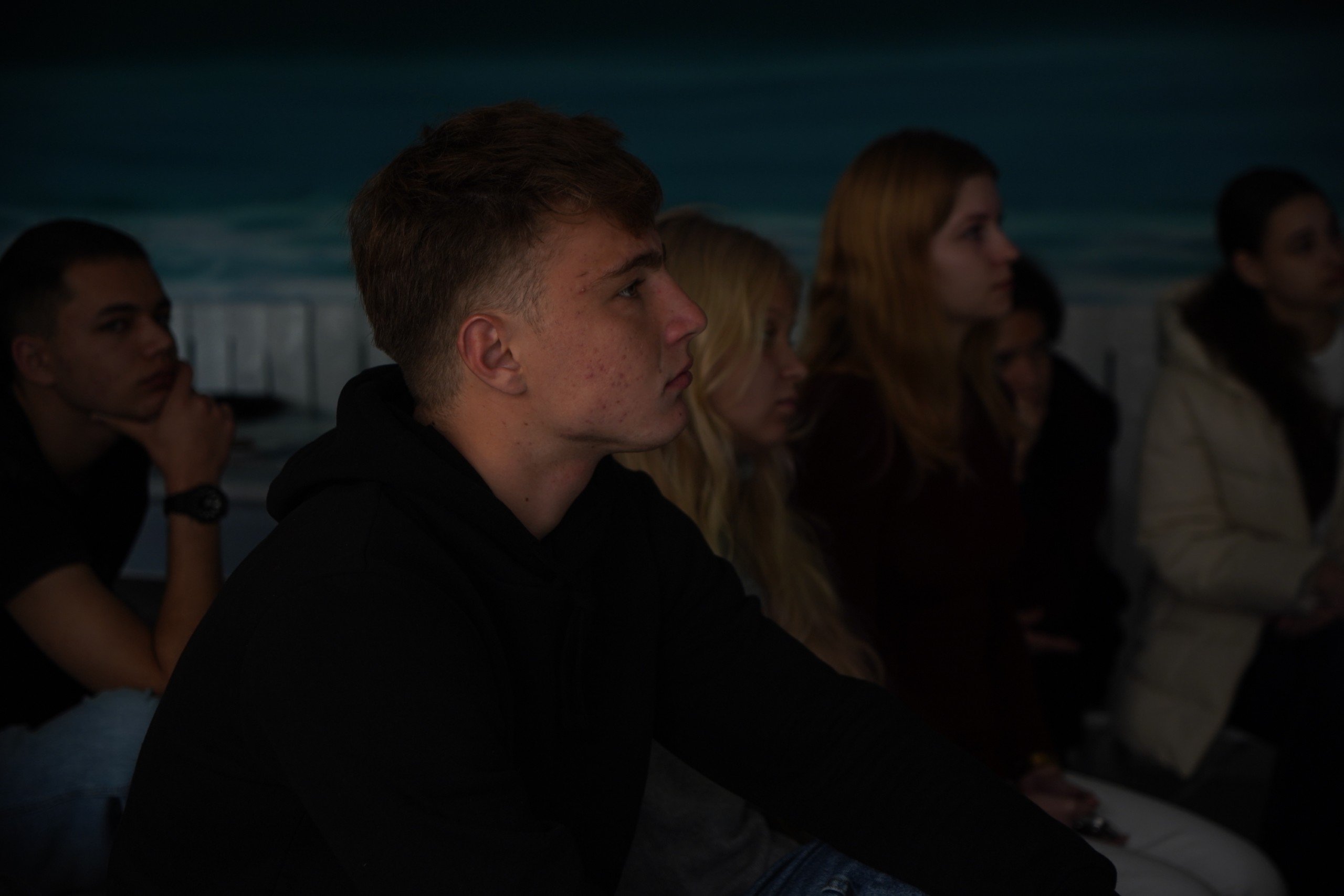
Pedro presented Plugged In and Erasmus+ to 39 people at Peniche Surf Camp, sharing the experience and the opportunities Erasmus+ offers.
Pančevo, Serbia, December 2025
Una presented the exchange to her class of 25, covering the project goals, digital and AI skills, intercultural meeting, teamwork and communication, with photos and examples, and how to get involved.
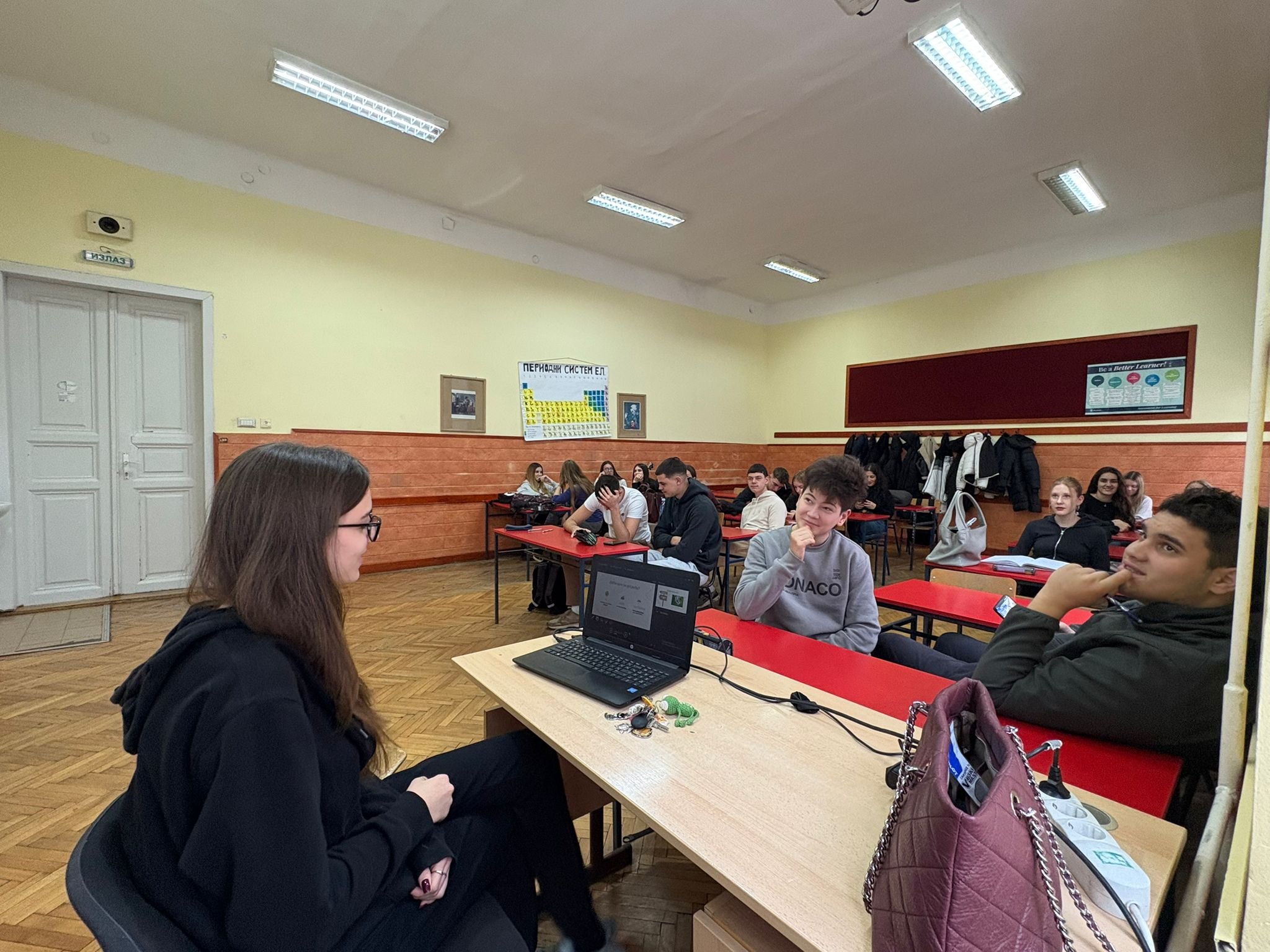
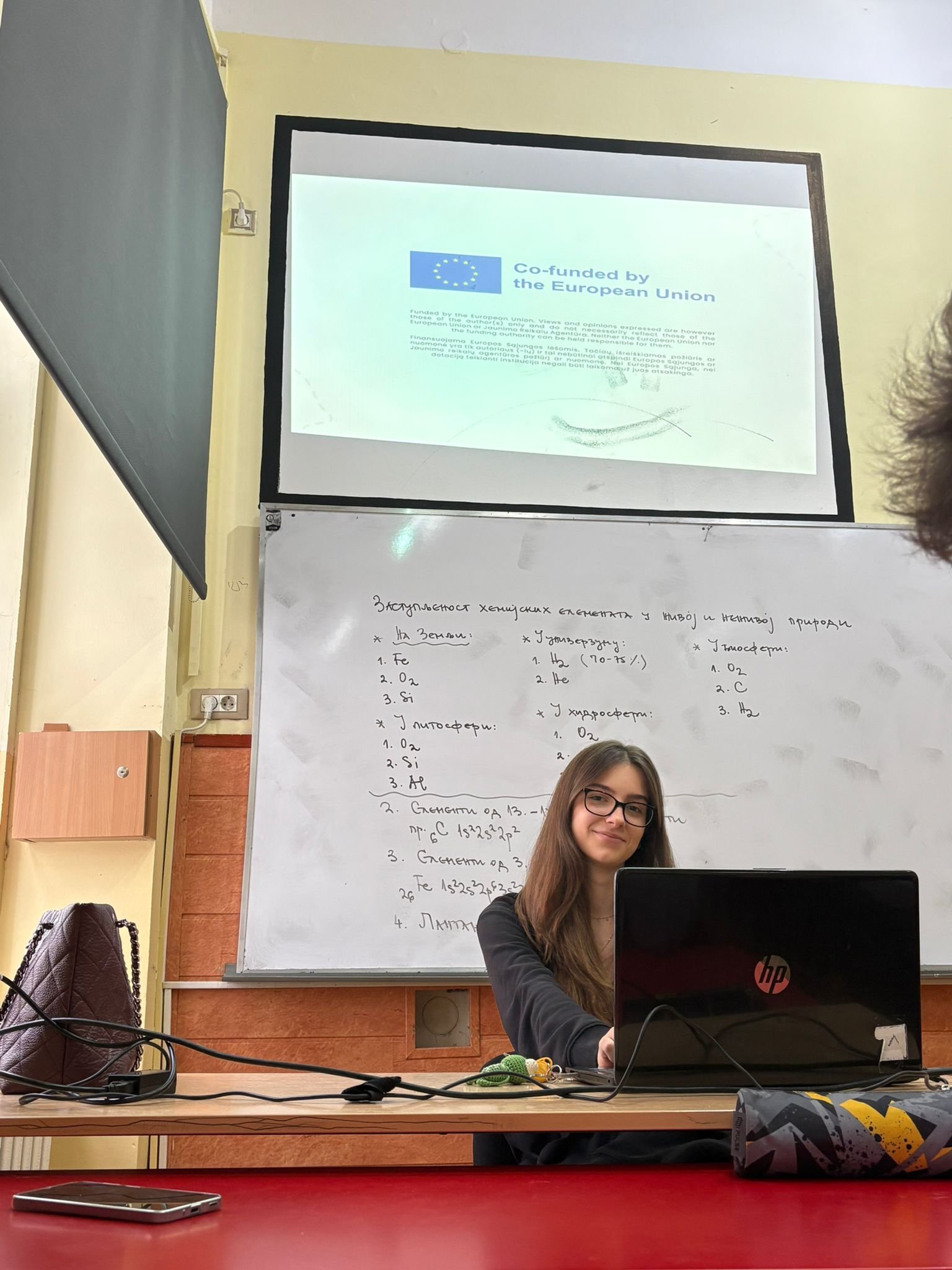
Niš, Serbia, December 2025
Dunja presented Erasmus+ to her class of 15 at Gimnazija Svetozar Marković, together with a participant from the “Blooming Connections” project.
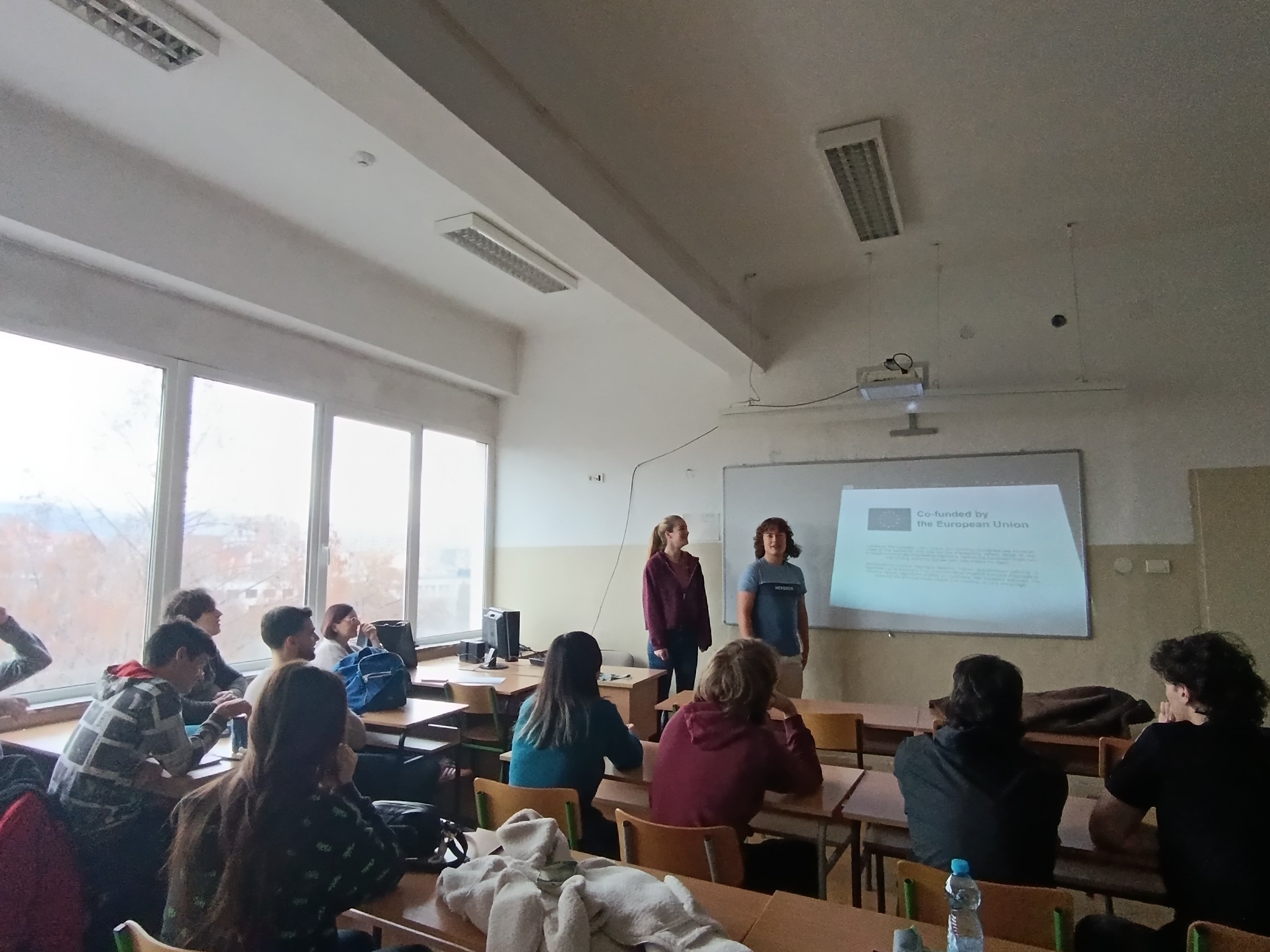
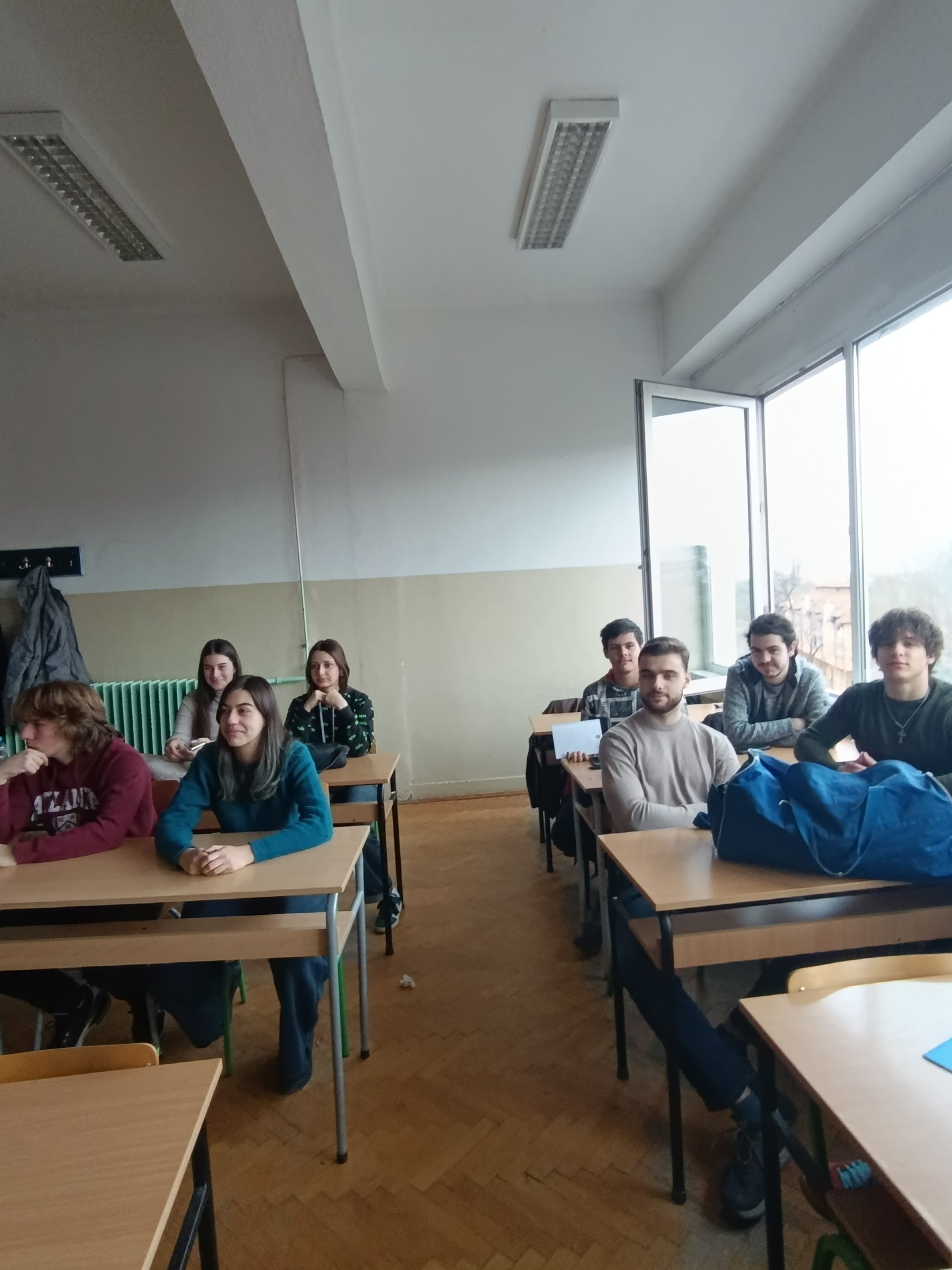
Panevėžys, Lithuania, December 2025
Kristupas told his class of 25 at Velžys Gymnasium about the exchange and how much he enjoyed it, encouraging everyone to try this memorable experience, and shared photos from the project.
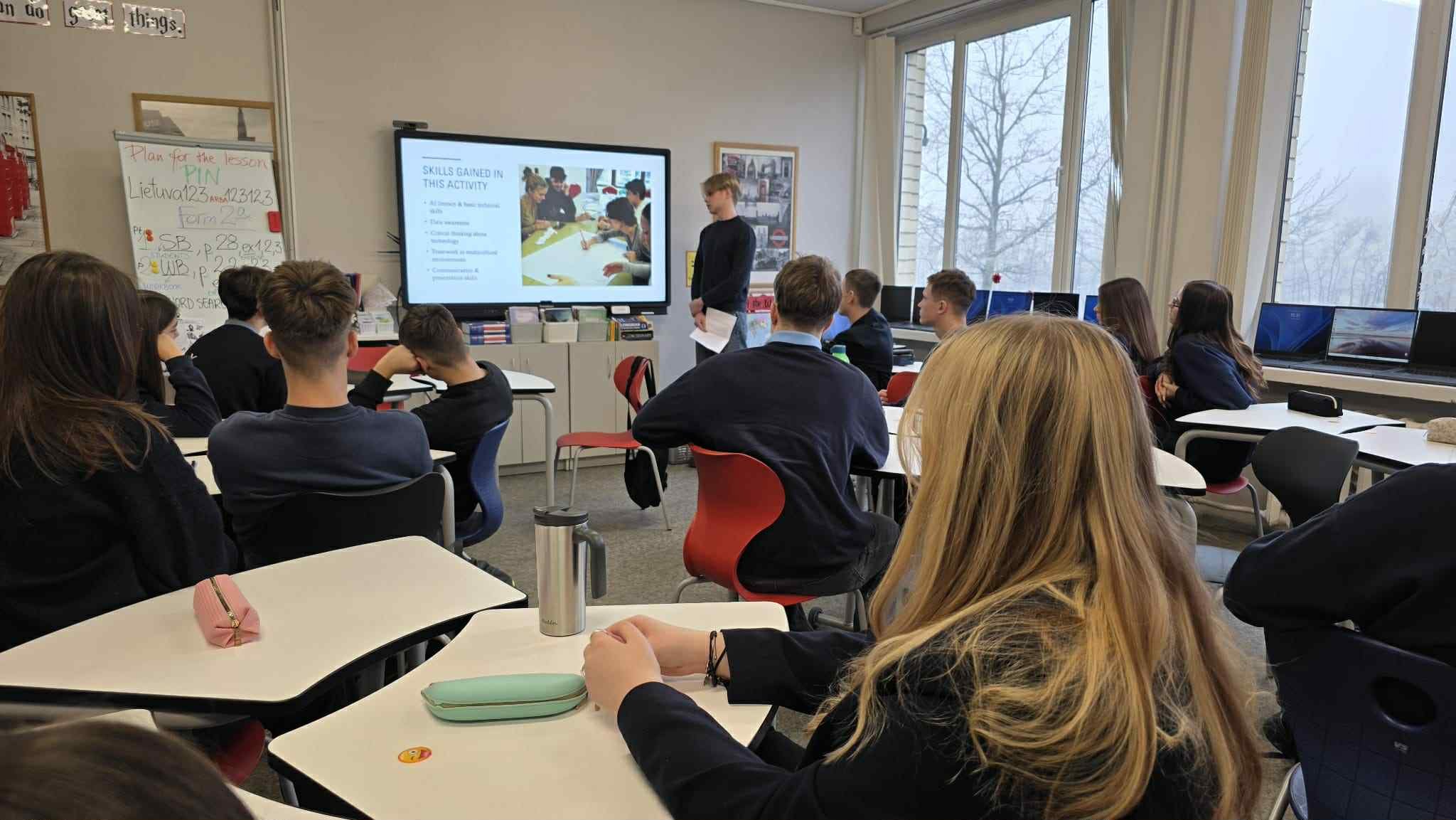
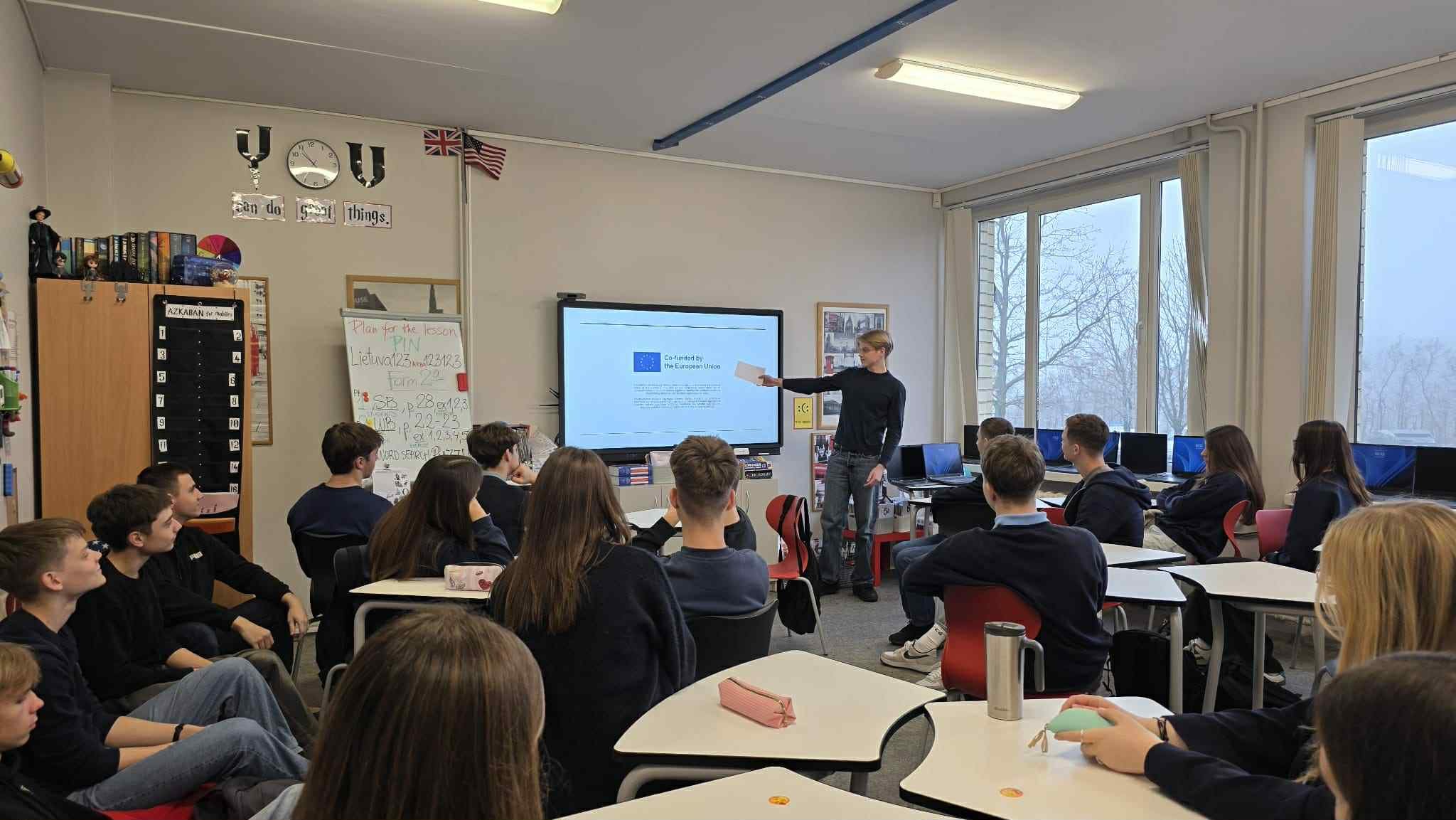
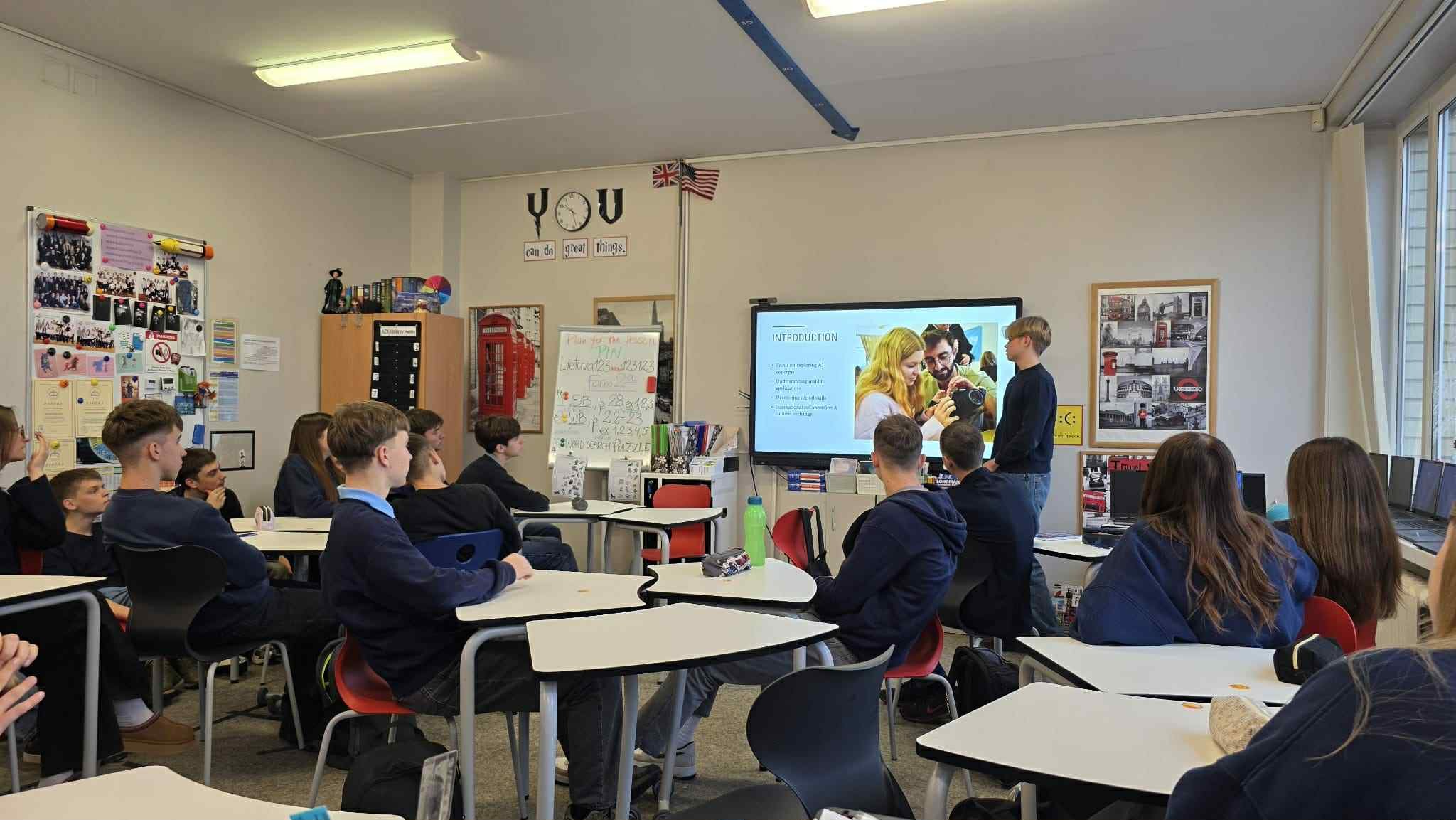
Pezinok, Slovakia, December 2025
Romana presented Plugged In and Erasmus+ to around 15 classmates at Gymnázium Pezinok, covering the benefits, public speaking, new friends, other cultures and AI knowledge, with many photos and the final video.
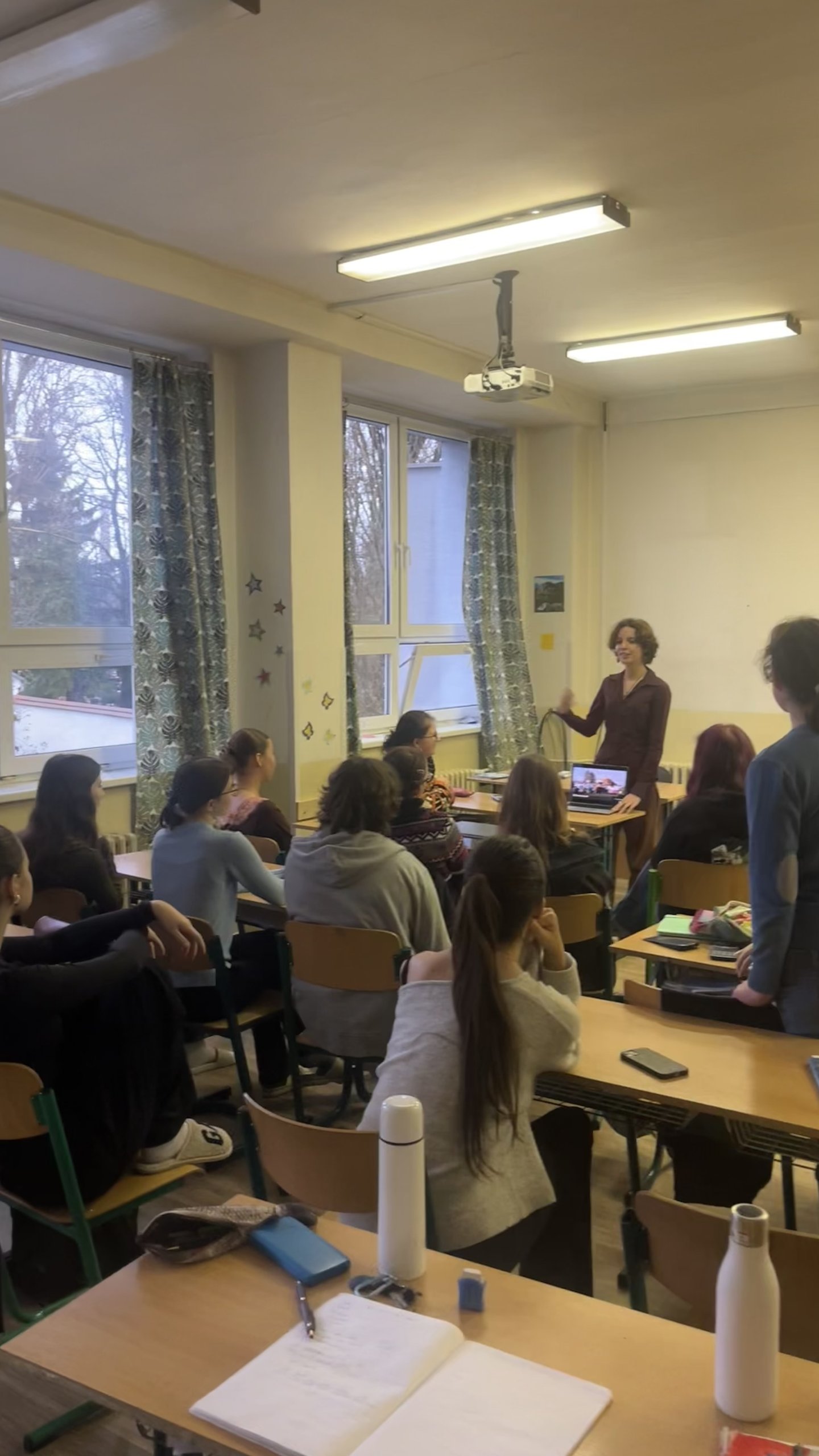
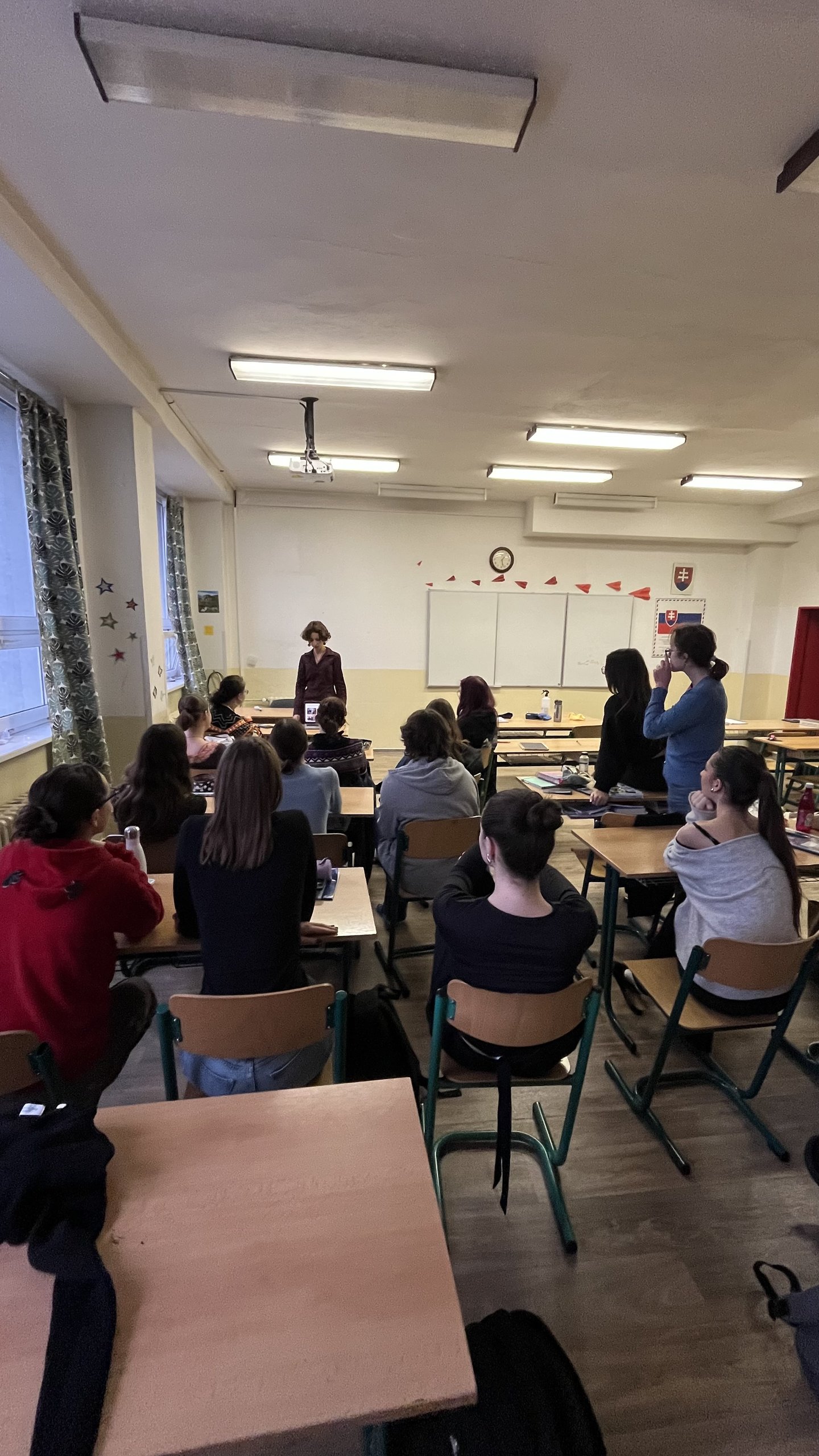
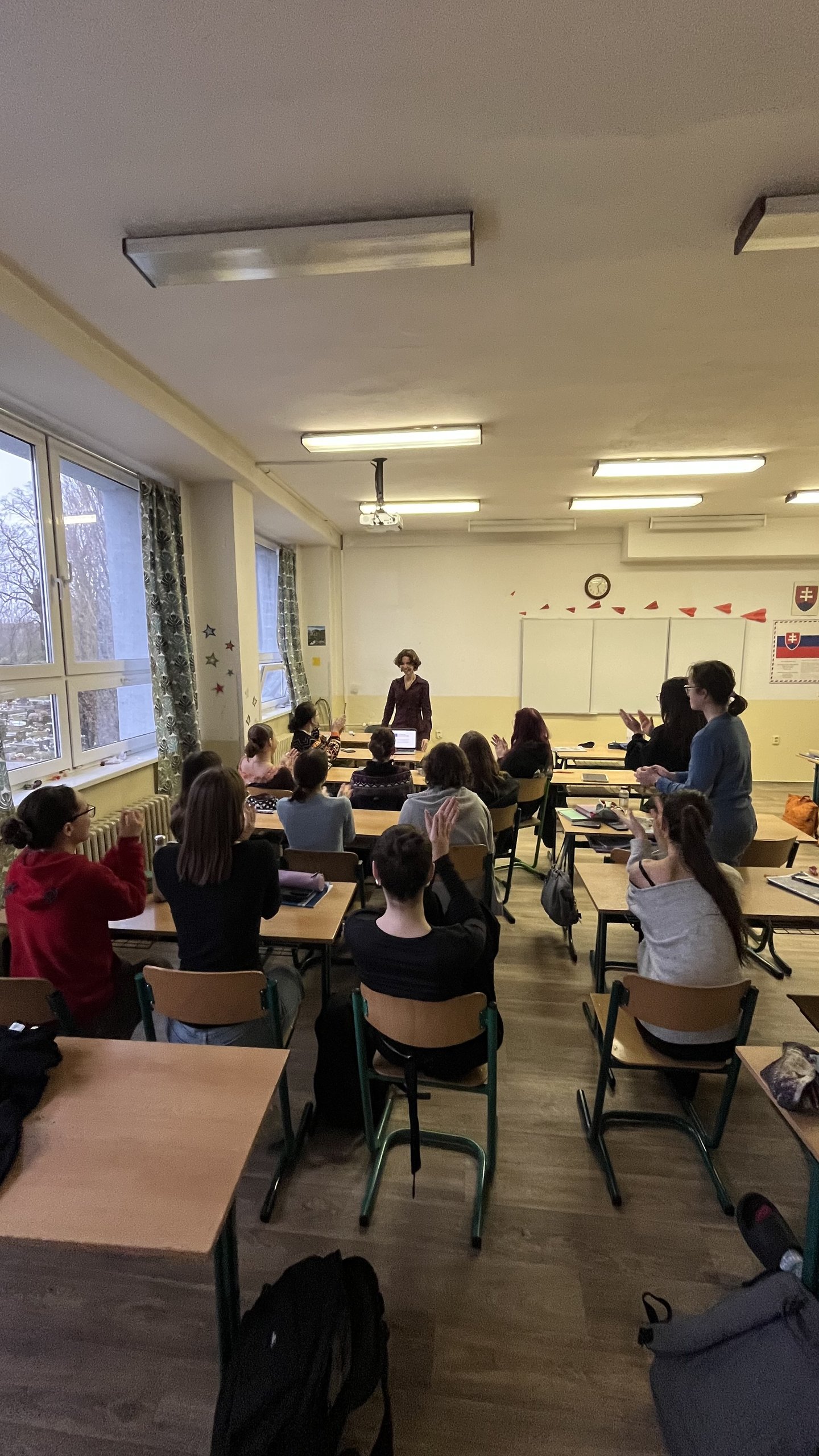
Liberec, Czechia, December 2025
Jáchym and Eliška shared their Plugged In experience and Erasmus+ opportunities with a student group in Liberec, covering the AI they explored in Lithuania and how youth exchanges and training courses can be joined.
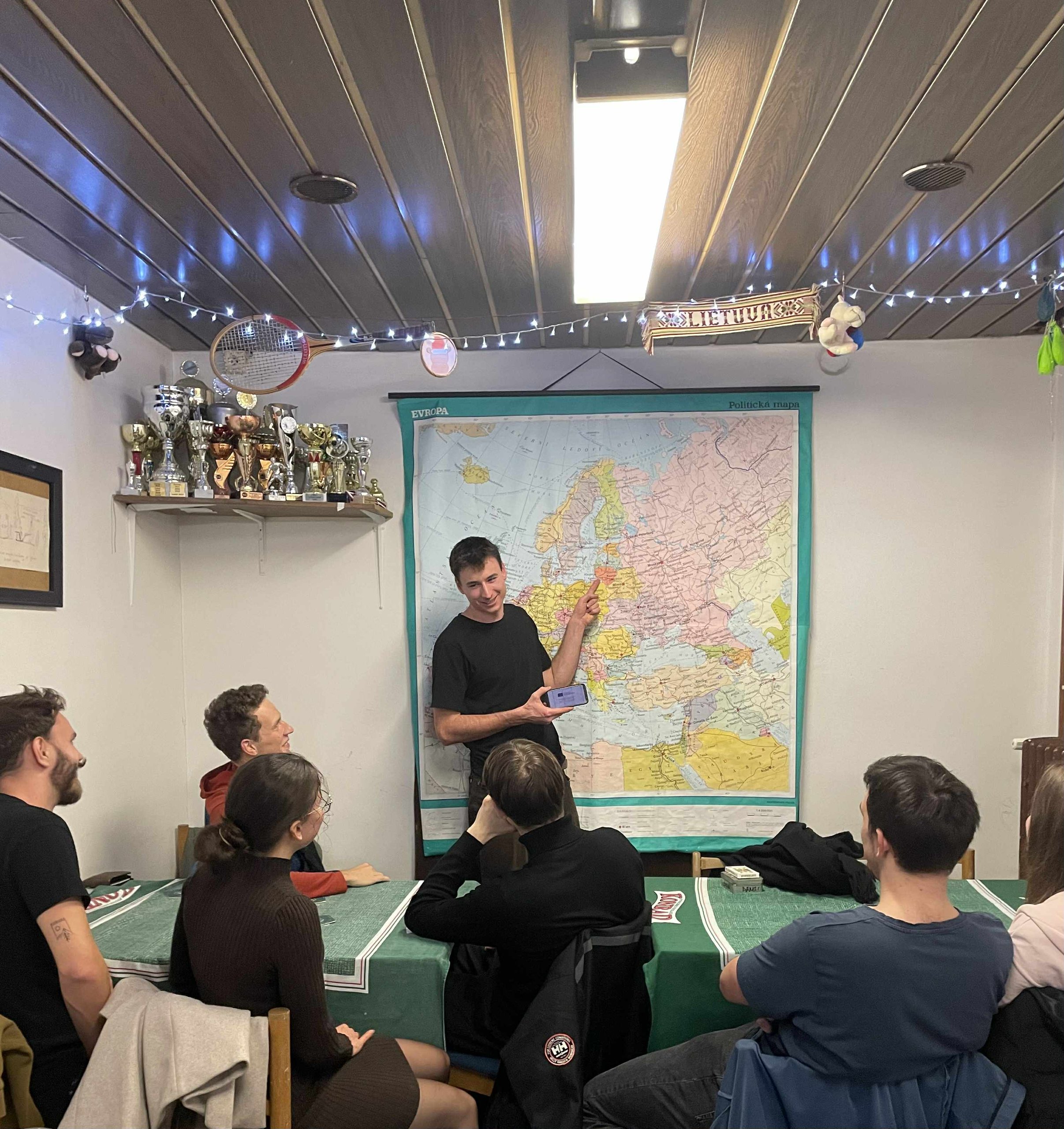
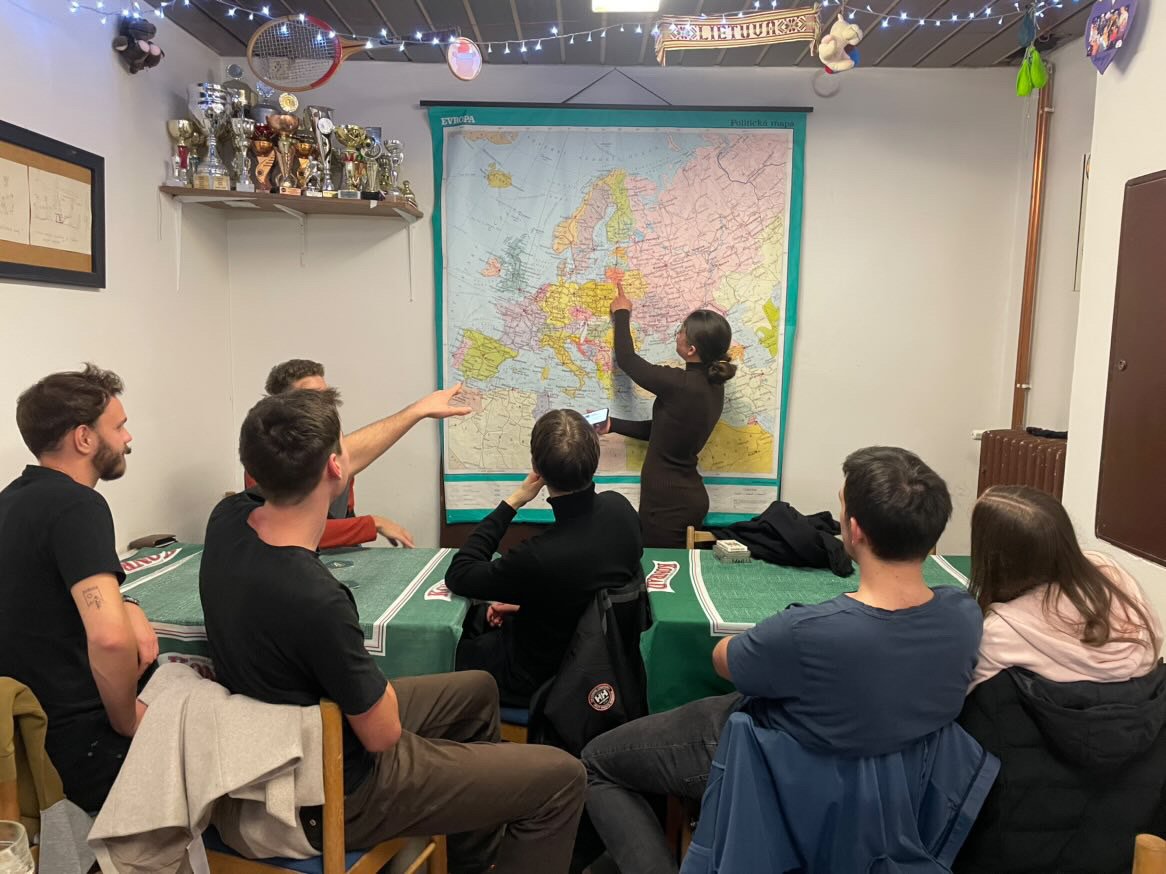
Budapest, Hungary, December 2025
Martin and Gianluca presented their Erasmus+ youth exchange to two classes (around 58 students in total) at Budapesti Gépészeti SZC Kossuth Lajos Technikum, sharing what they learned, the people they met and how working in an international team improved their communication, teamwork and problem-solving.
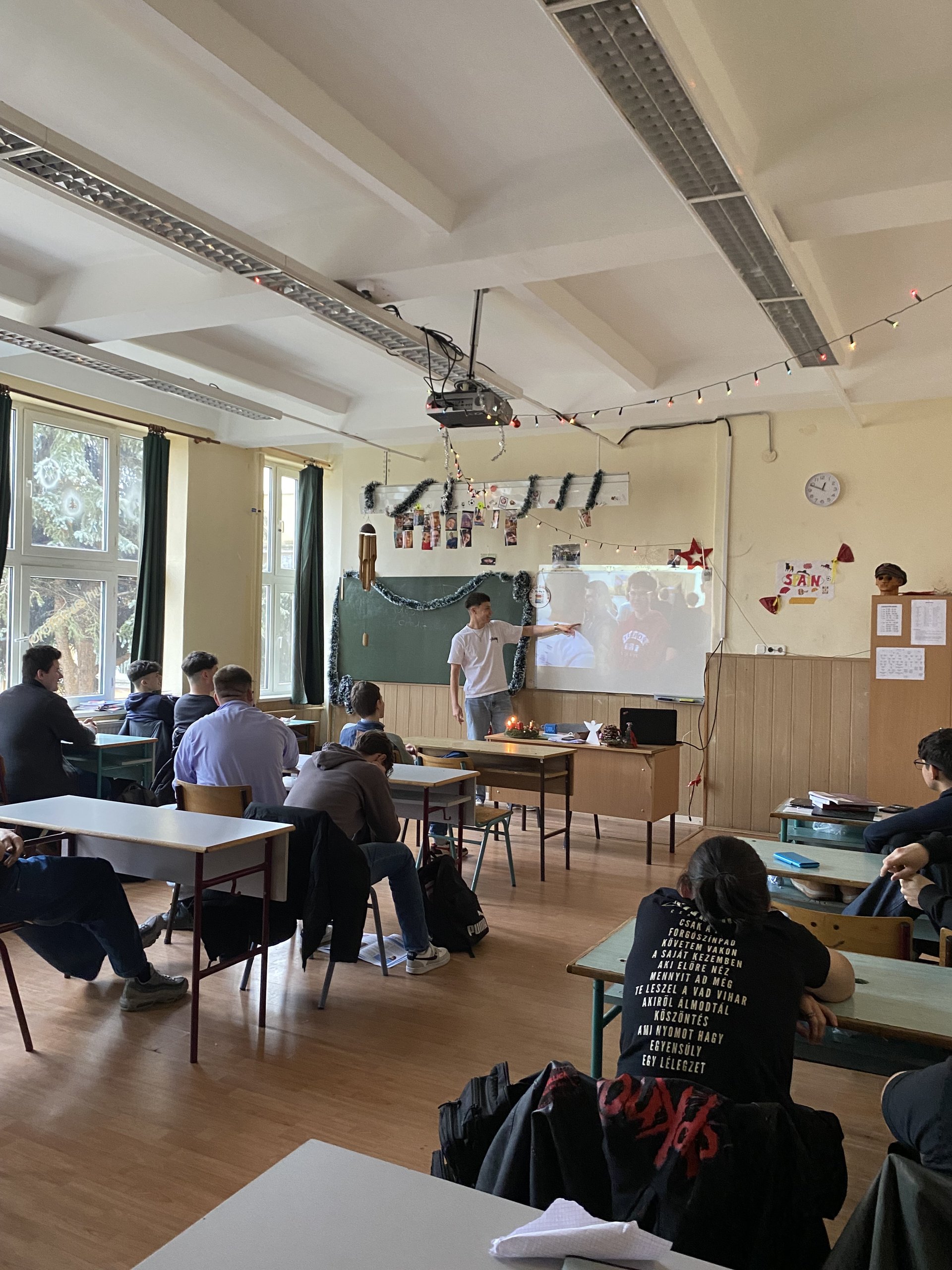
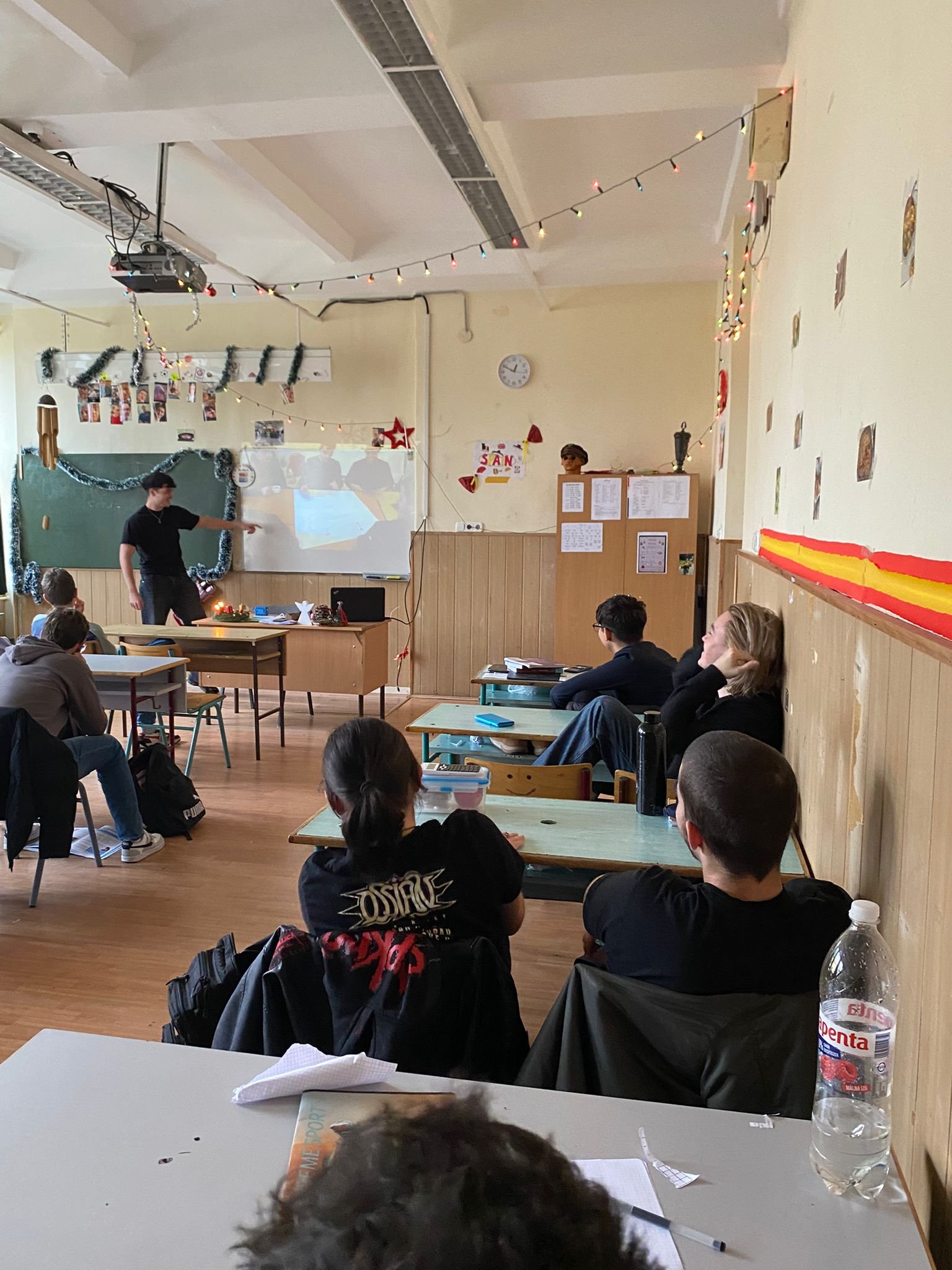
Sučany, Slovakia, December 2025
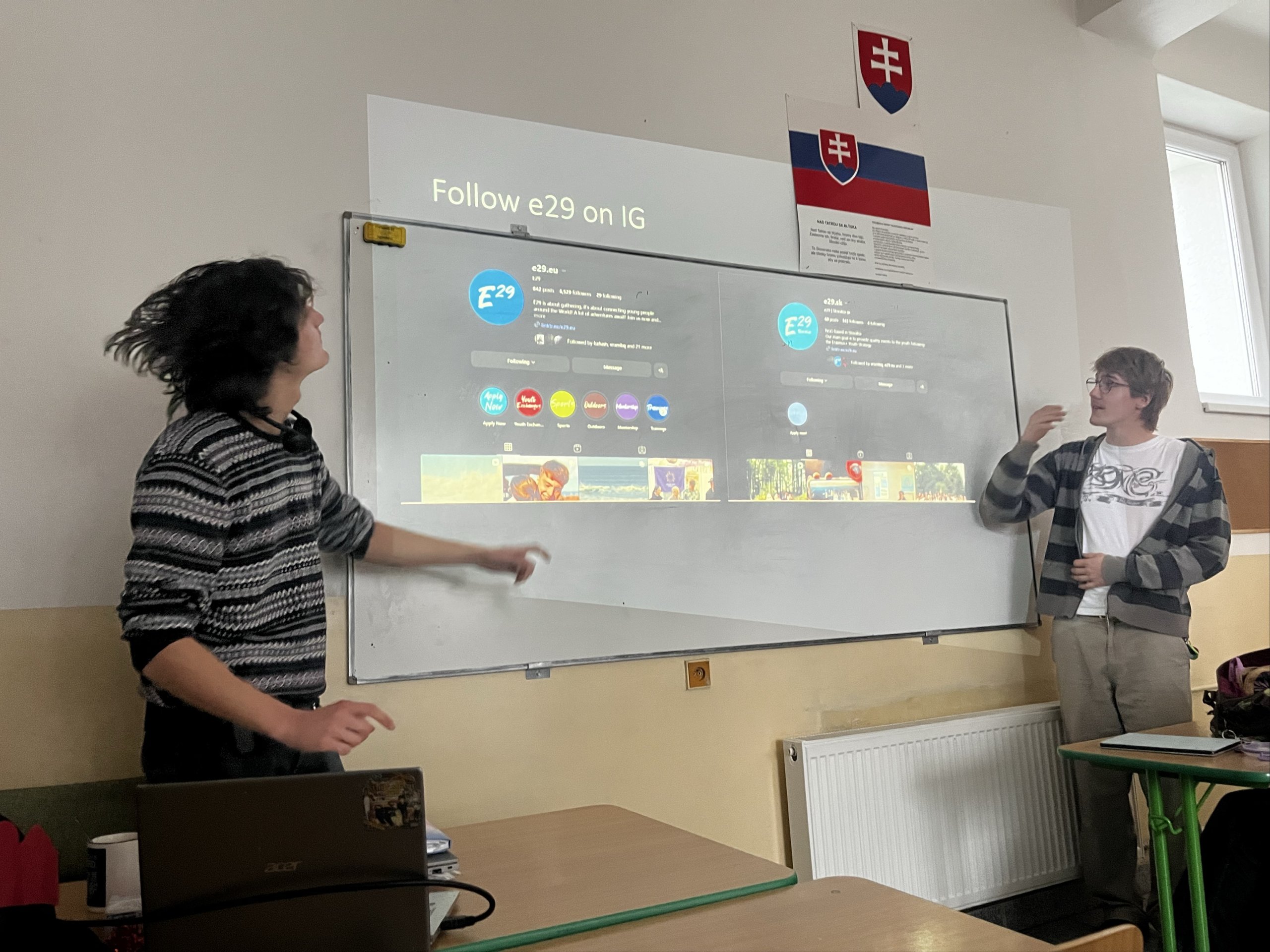
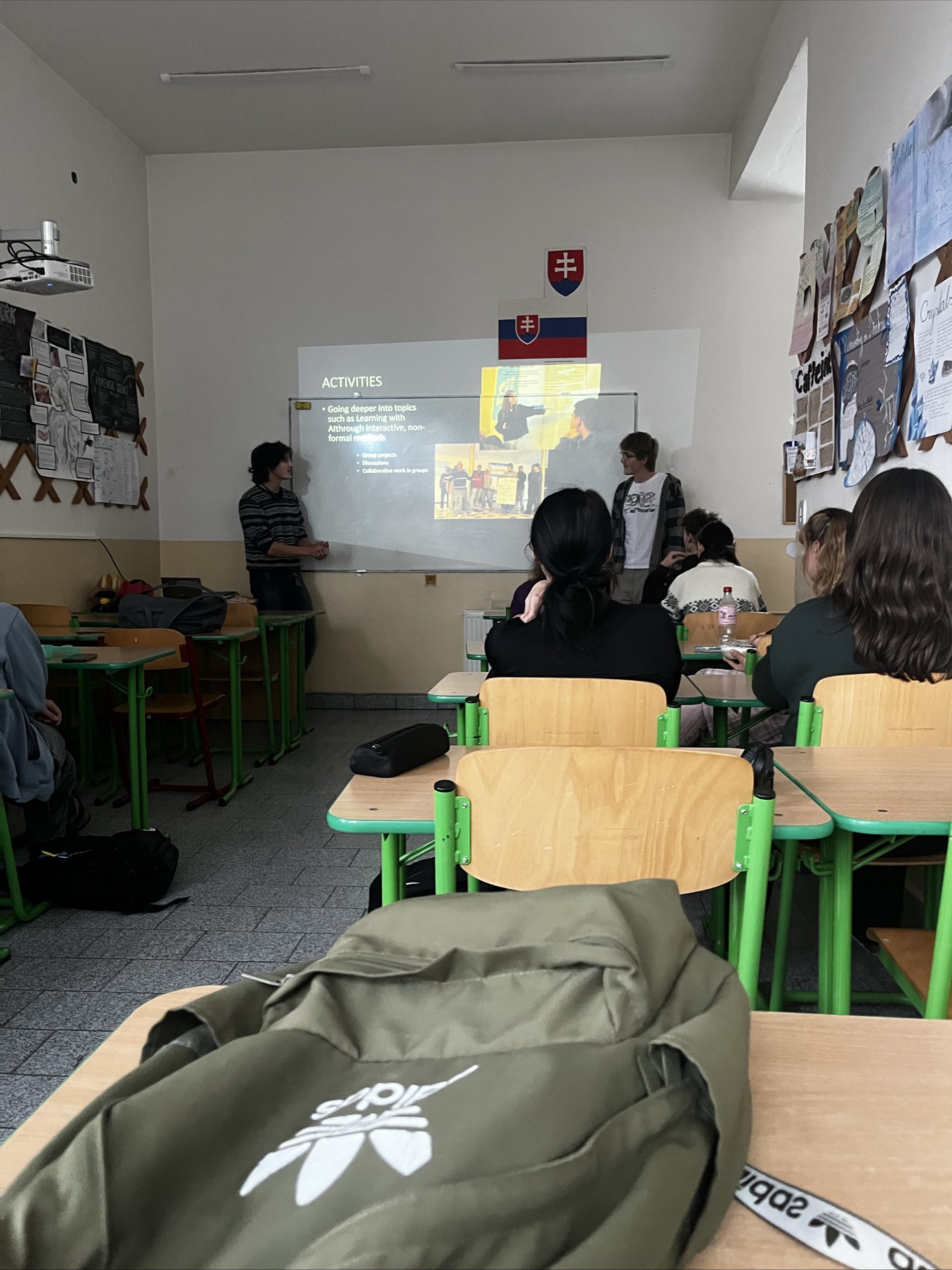
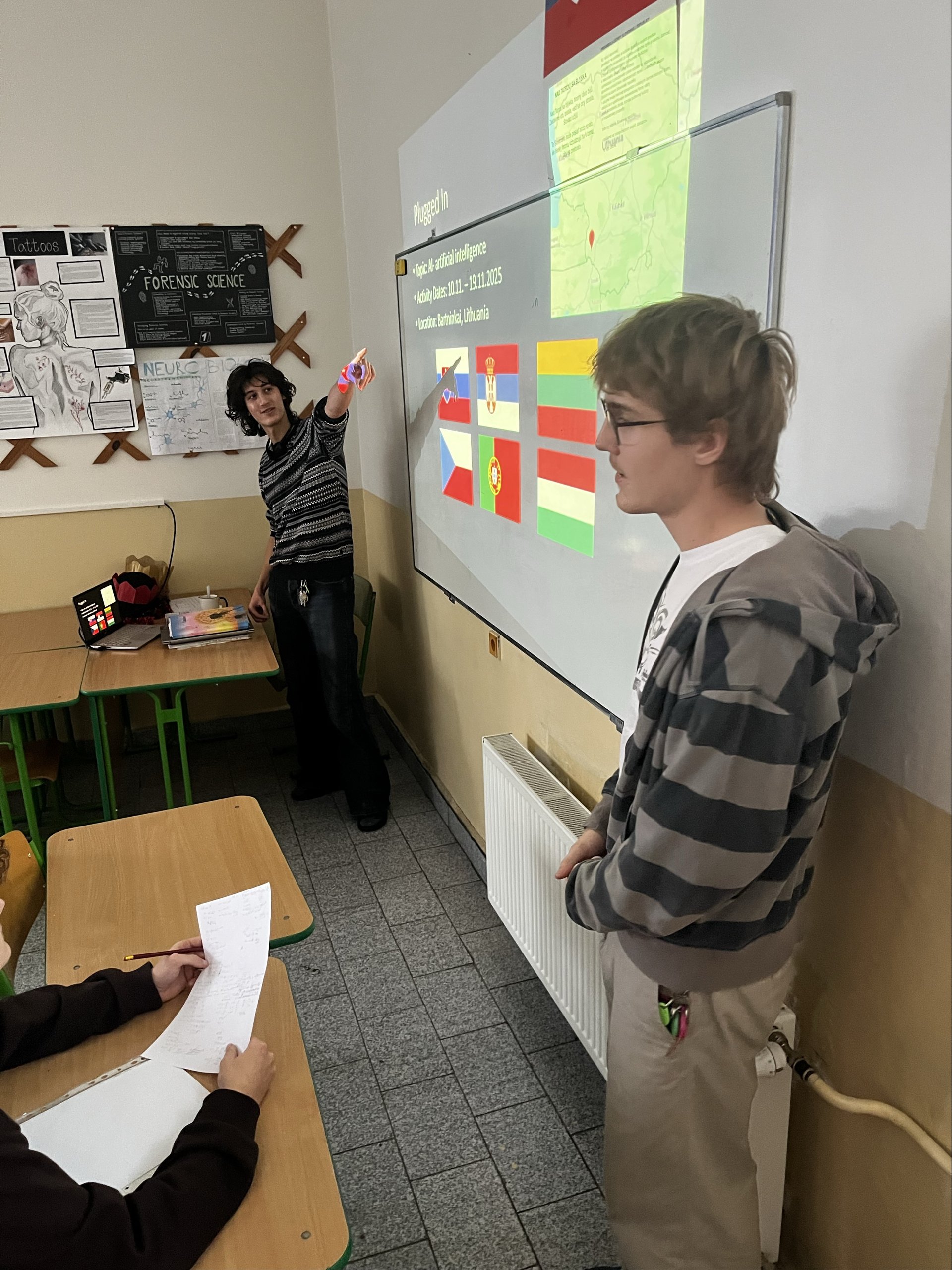
Tomáš, together with Martin, presented the project to a class of 12 at Bilingválne gymnázium Milana Hodžu, covering the activity, travel and how to apply for future Erasmus+ projects, with a short Q&A.
Třeboň, Czechia, December 2025
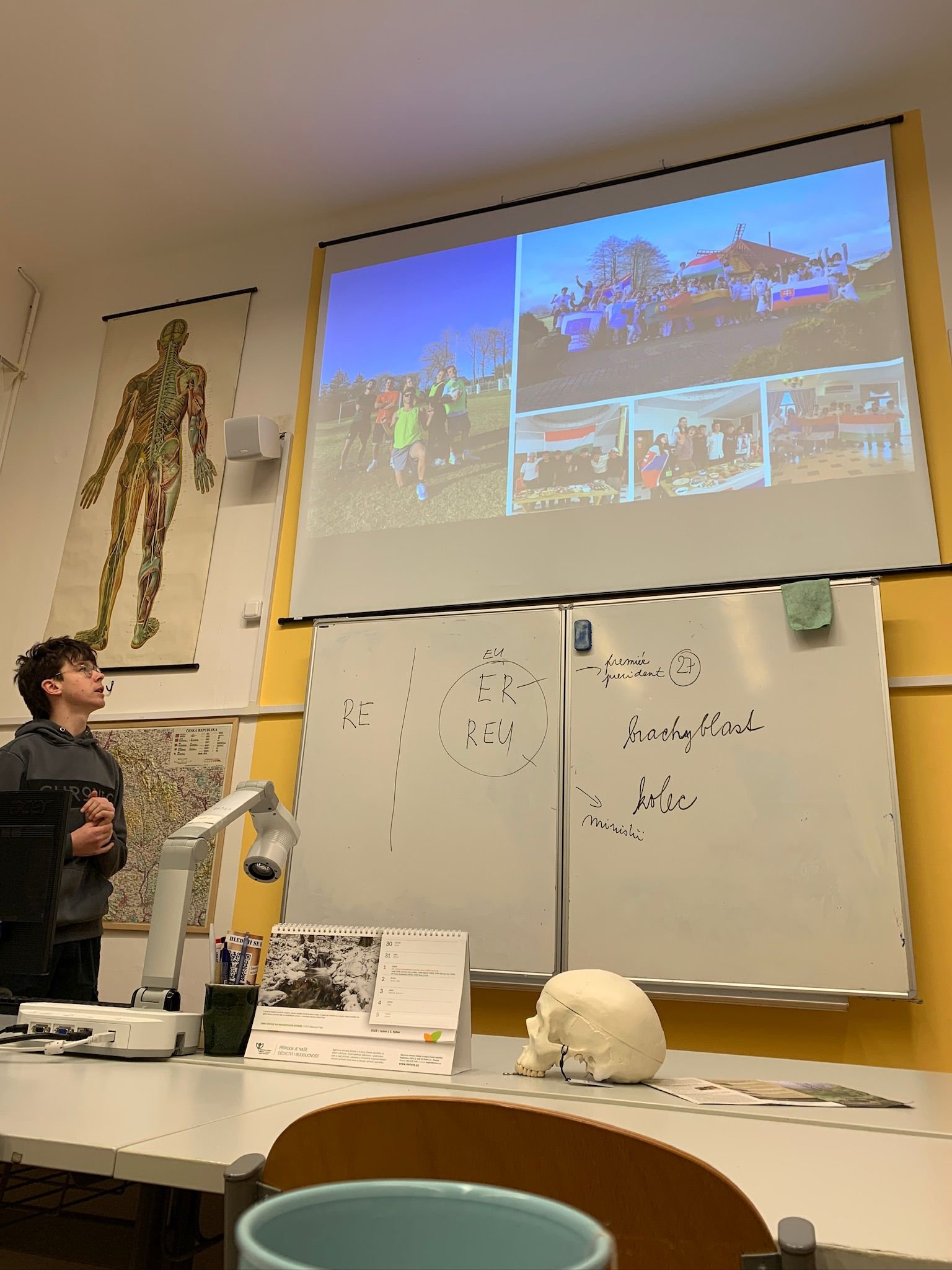
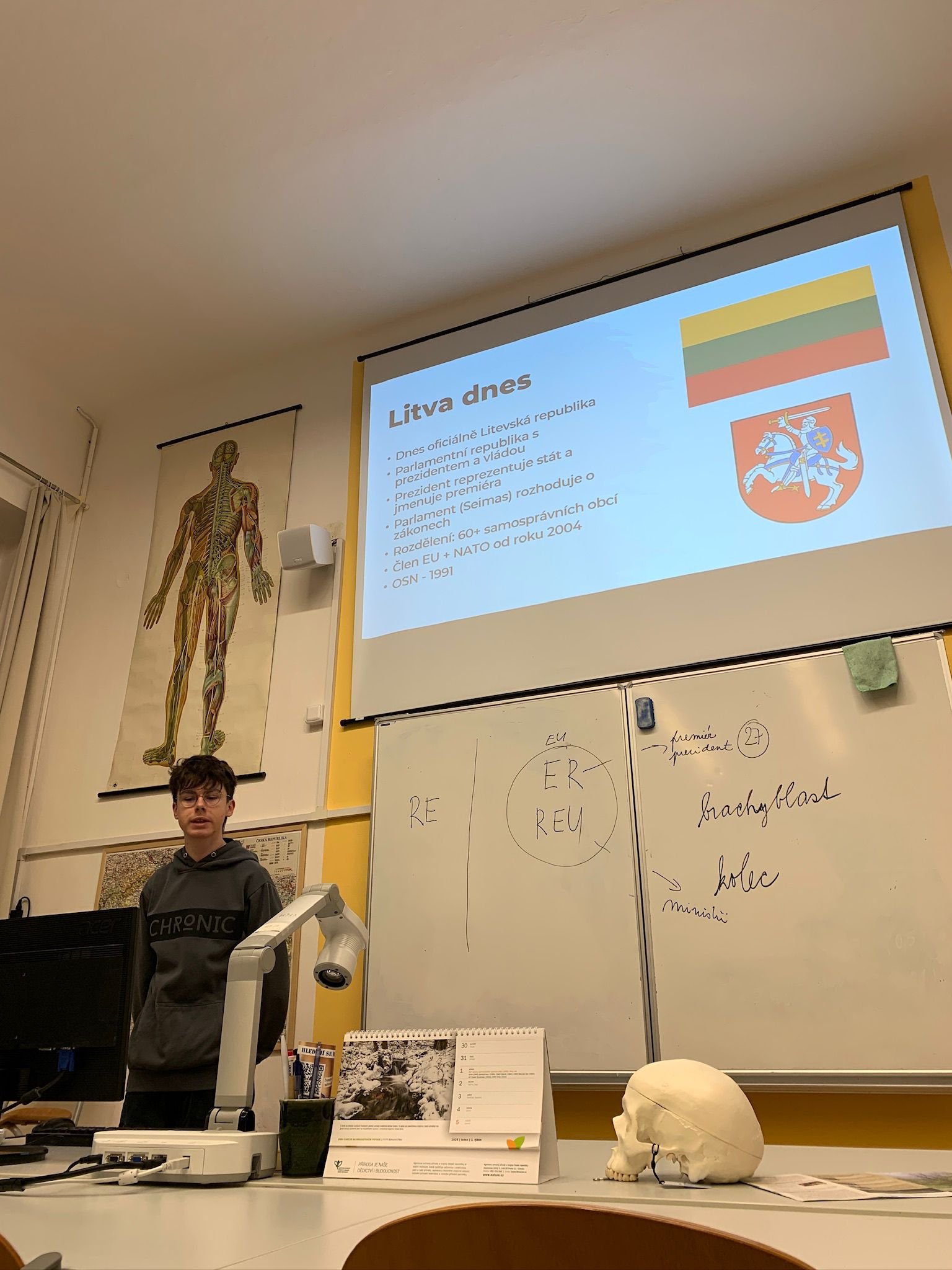
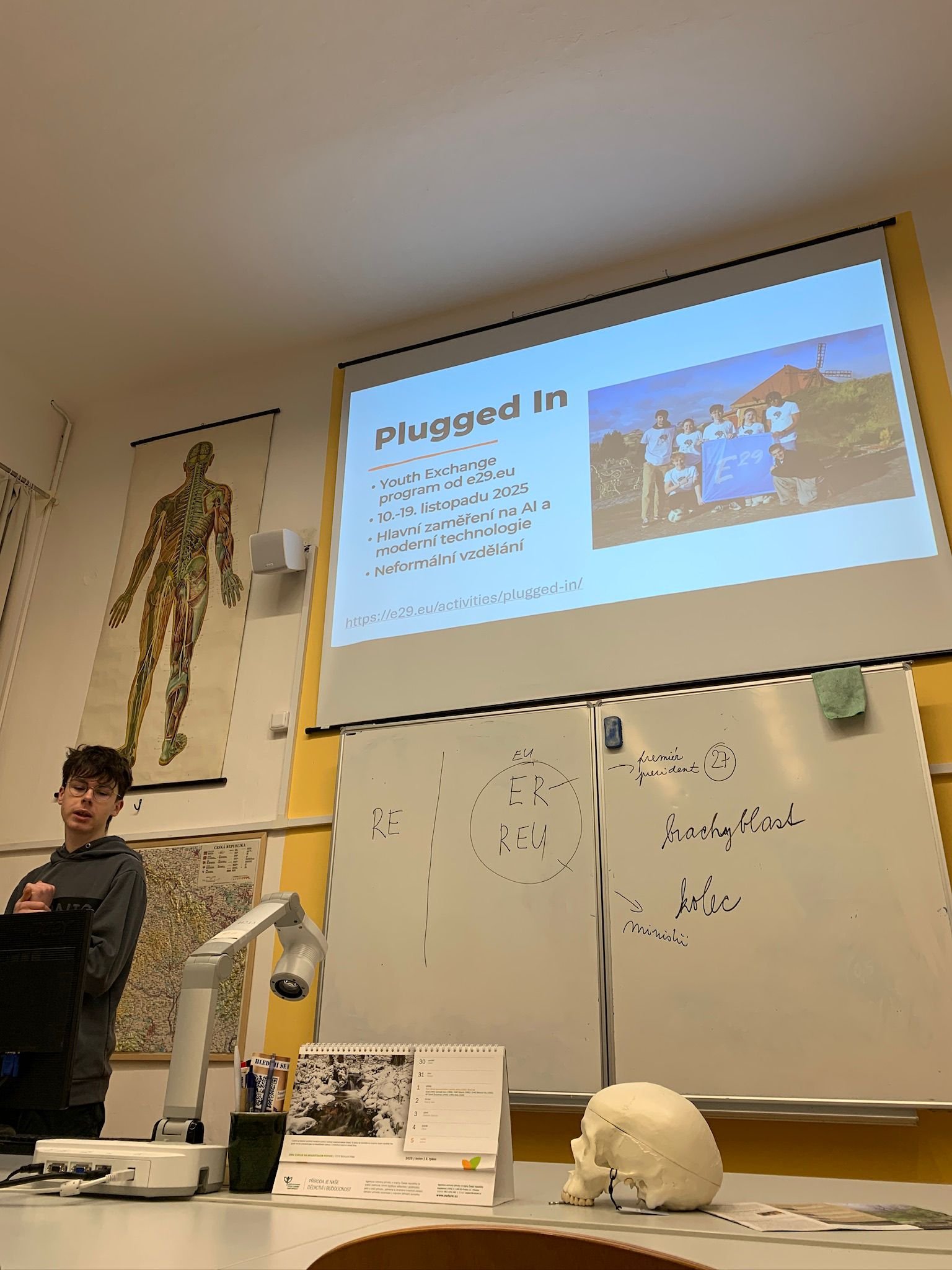
Marián gave a lecture to a class of about 30 at Gymnázium Třeboň, focused on Lithuania and its history and on the Erasmus+ projects available, describing the Plugged In project in detail.
Košice, Slovakia, December 2025
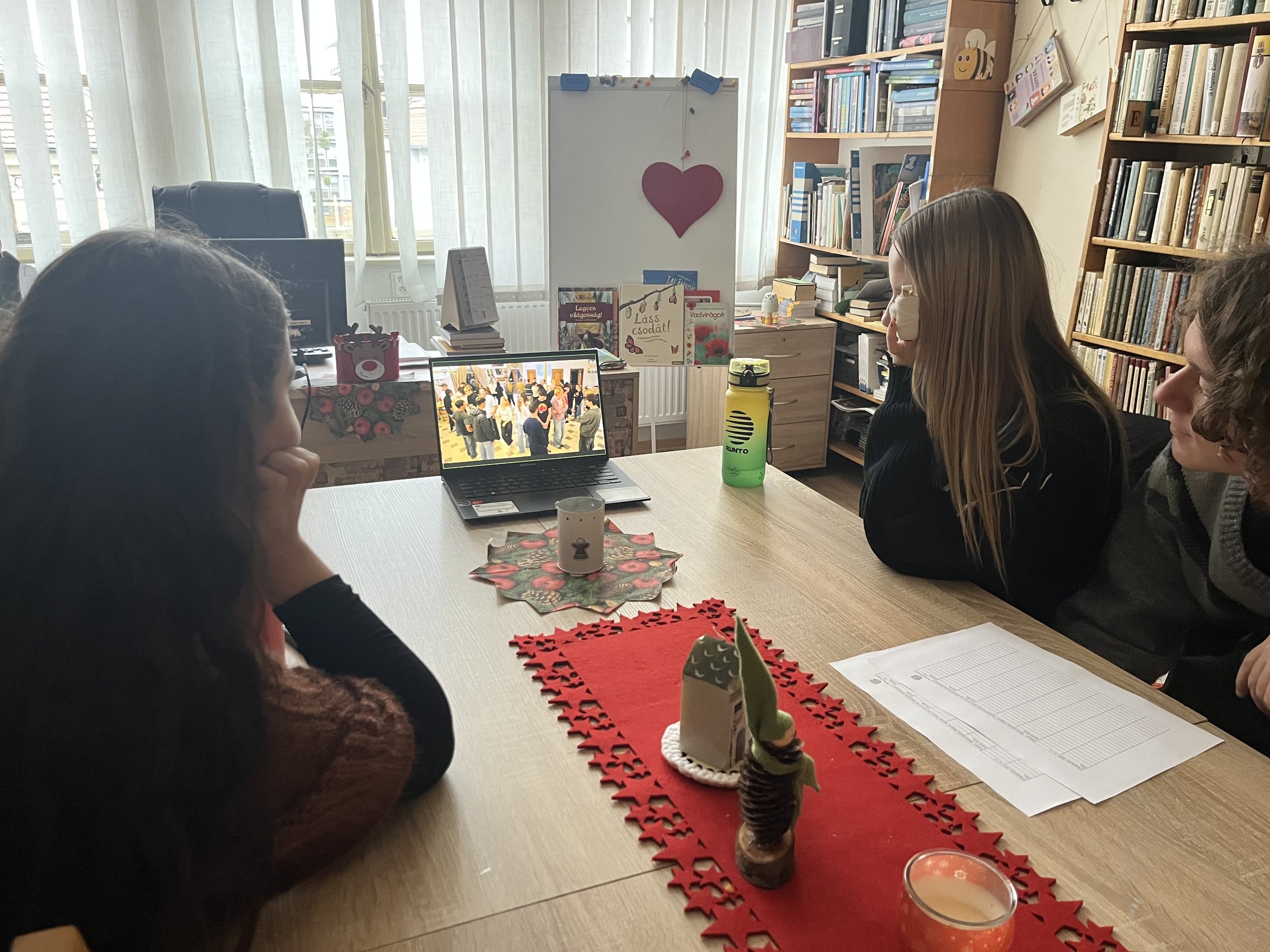
Viliam sparked interest in Erasmus+ among 5 of his friends, sharing the experience and inspiring them about the opportunities.
Dubnica, Slovakia, December 2025
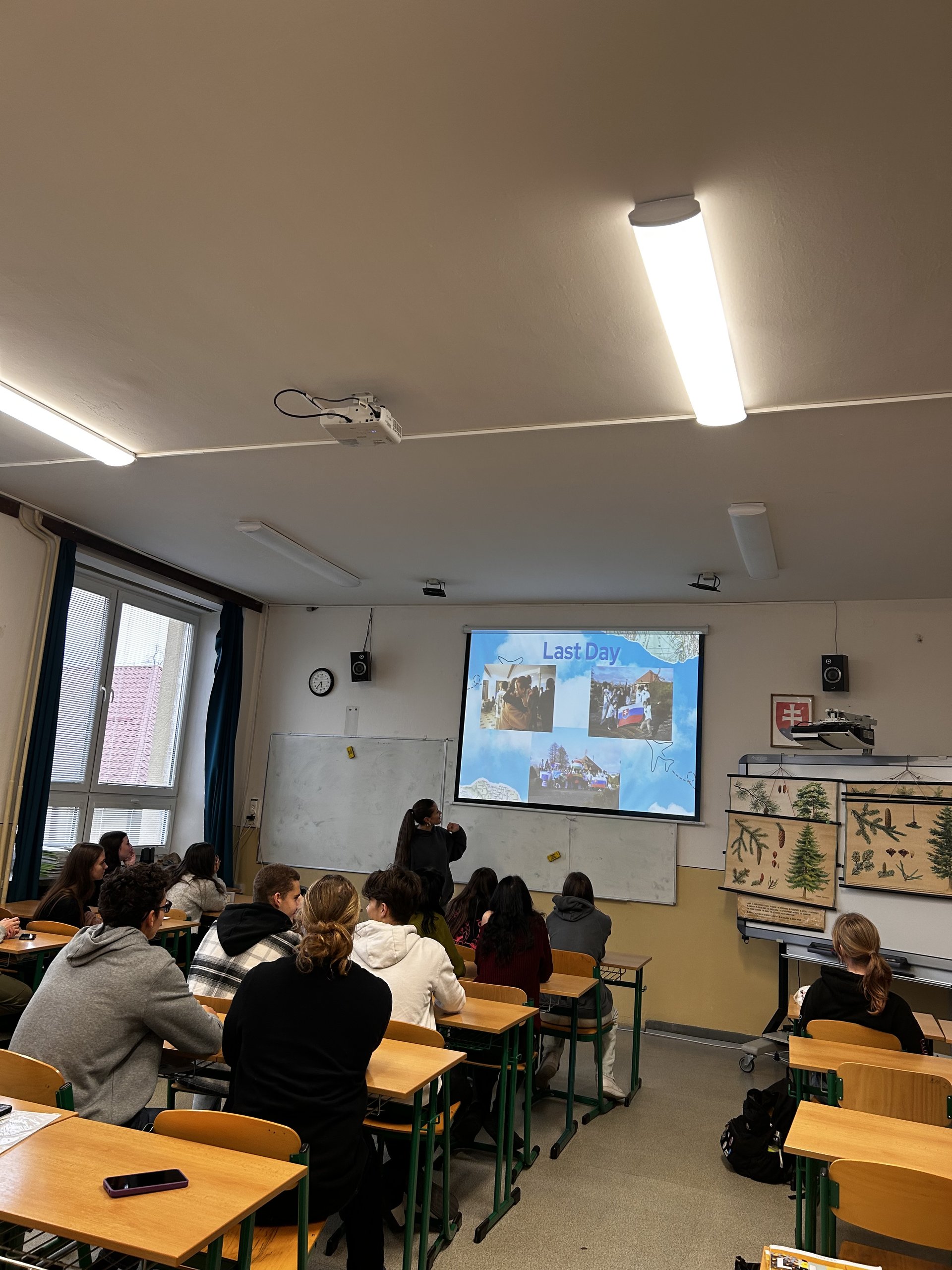
Laura created and presented a slideshow about the project, what the group did and the skills she gained, to 20 classmates and teachers at Gymnázium Dubnica nad Váhom.
Žilina, Slovakia, December 2025
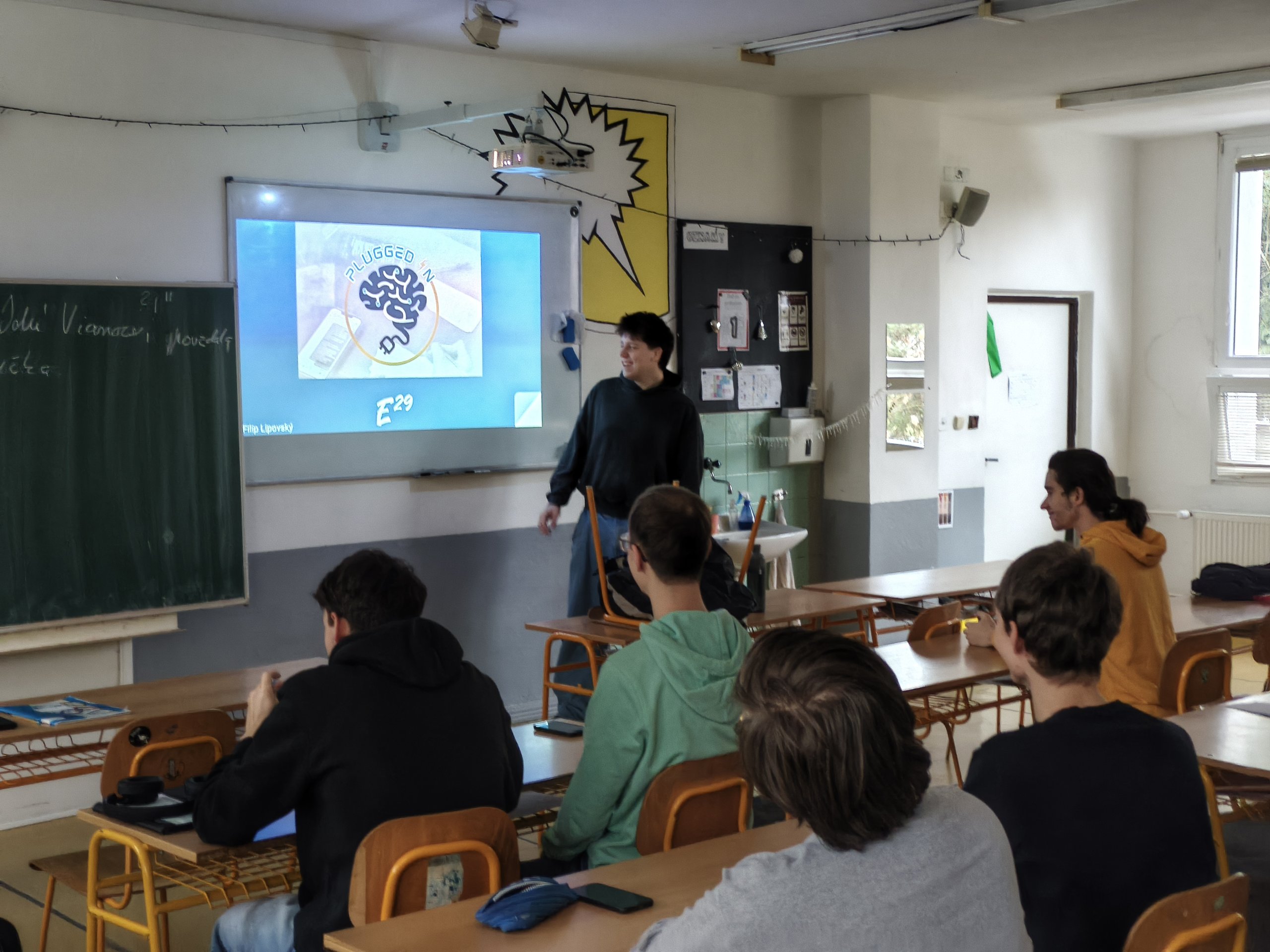
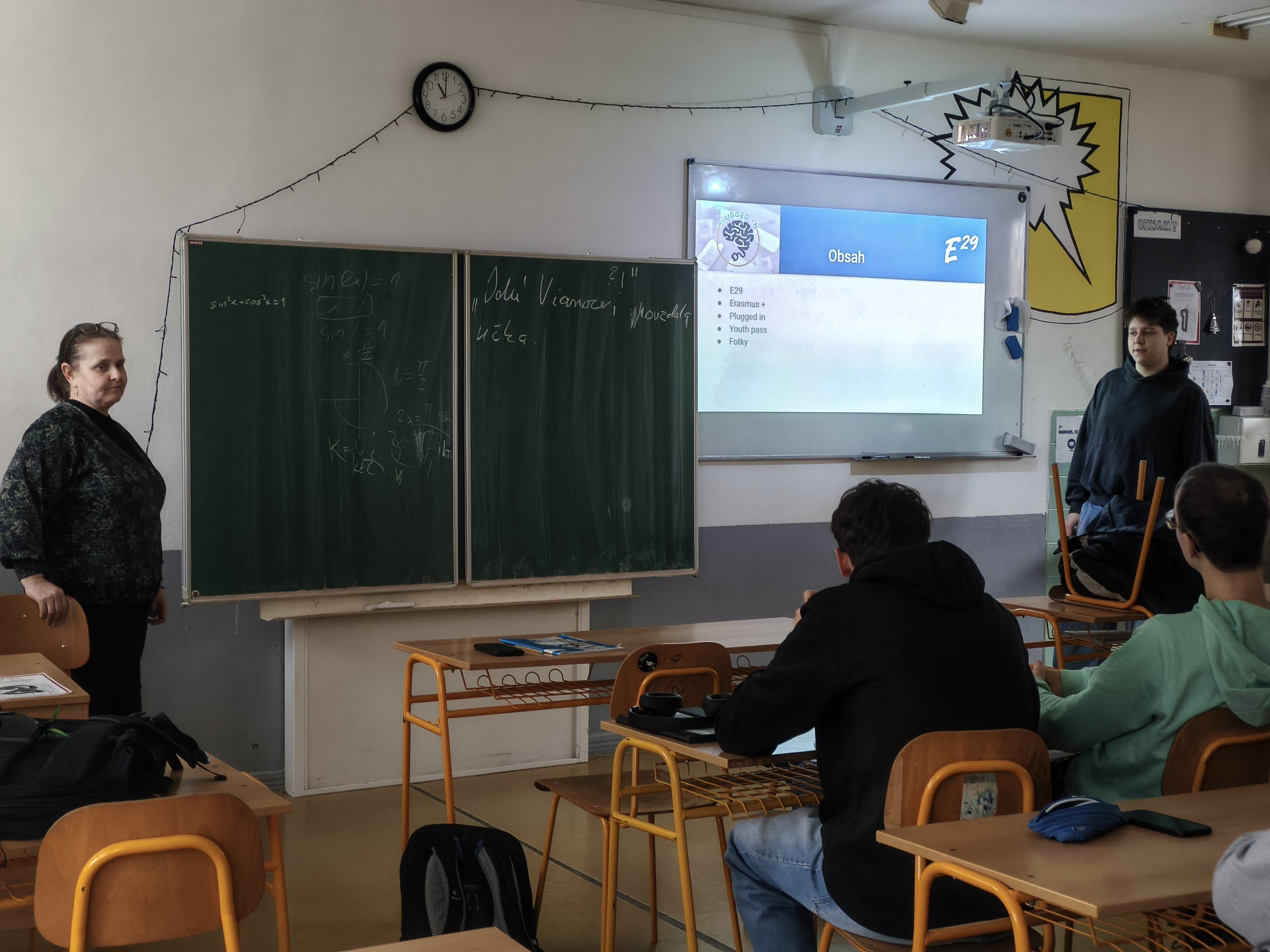
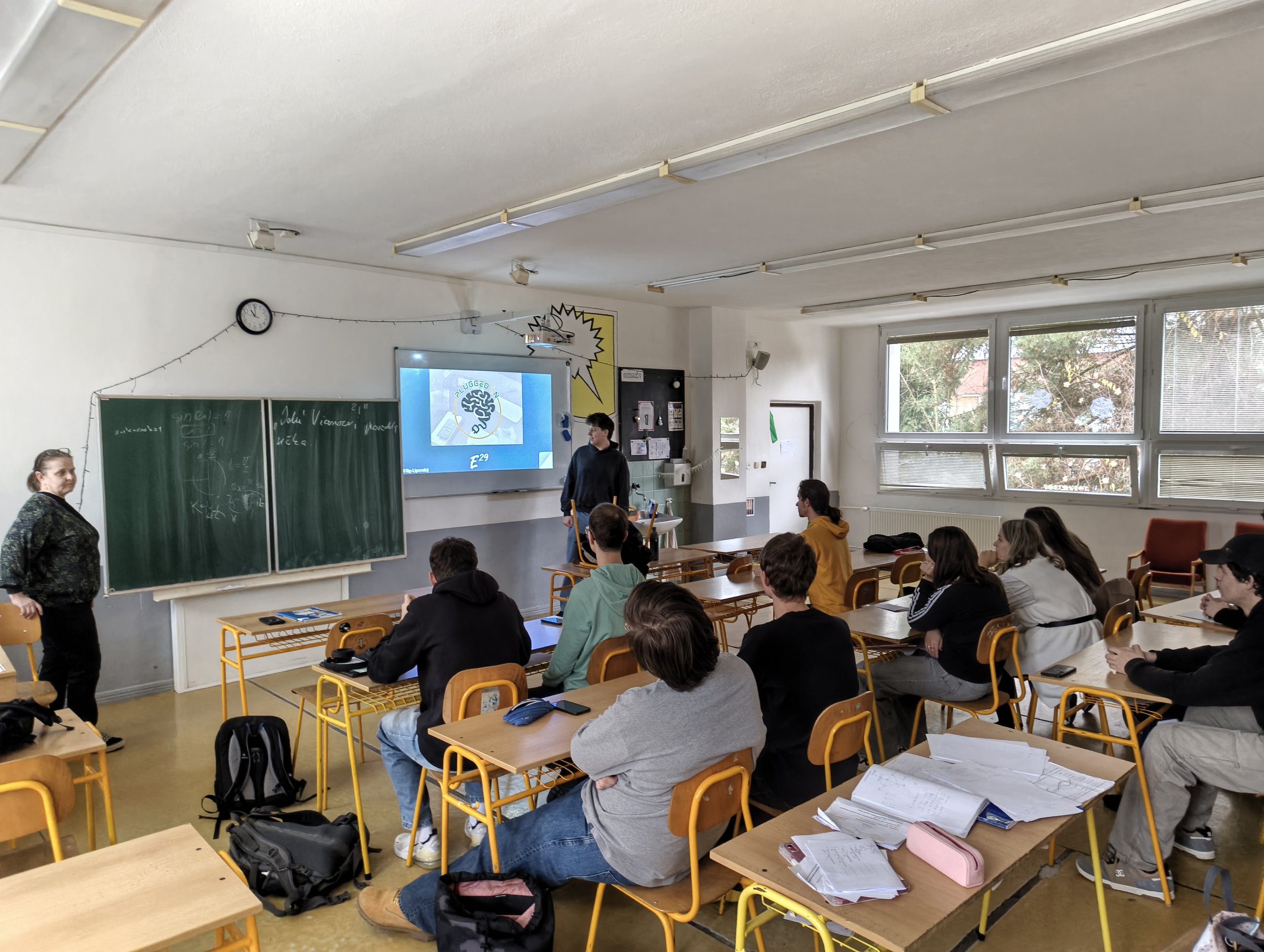
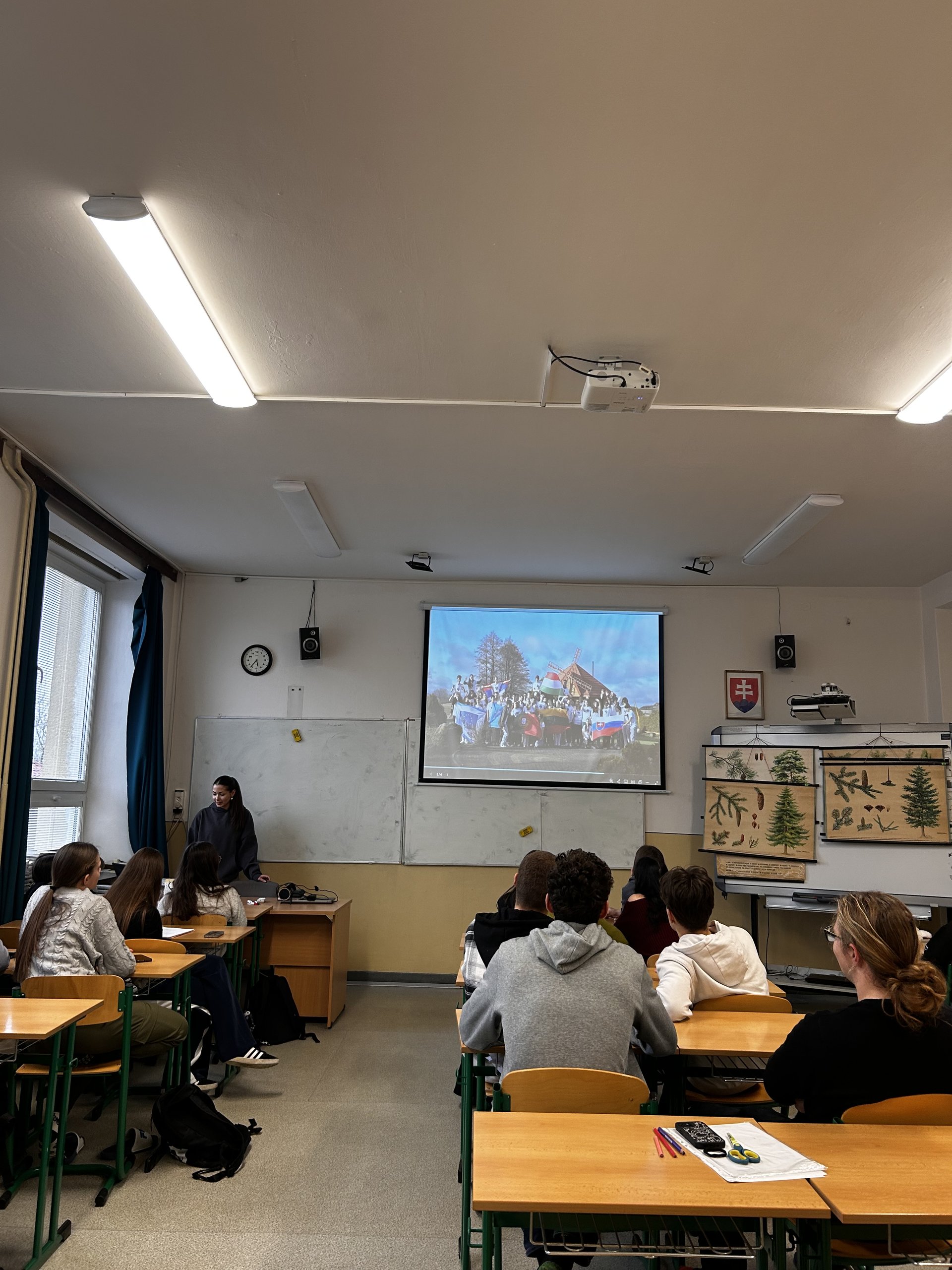
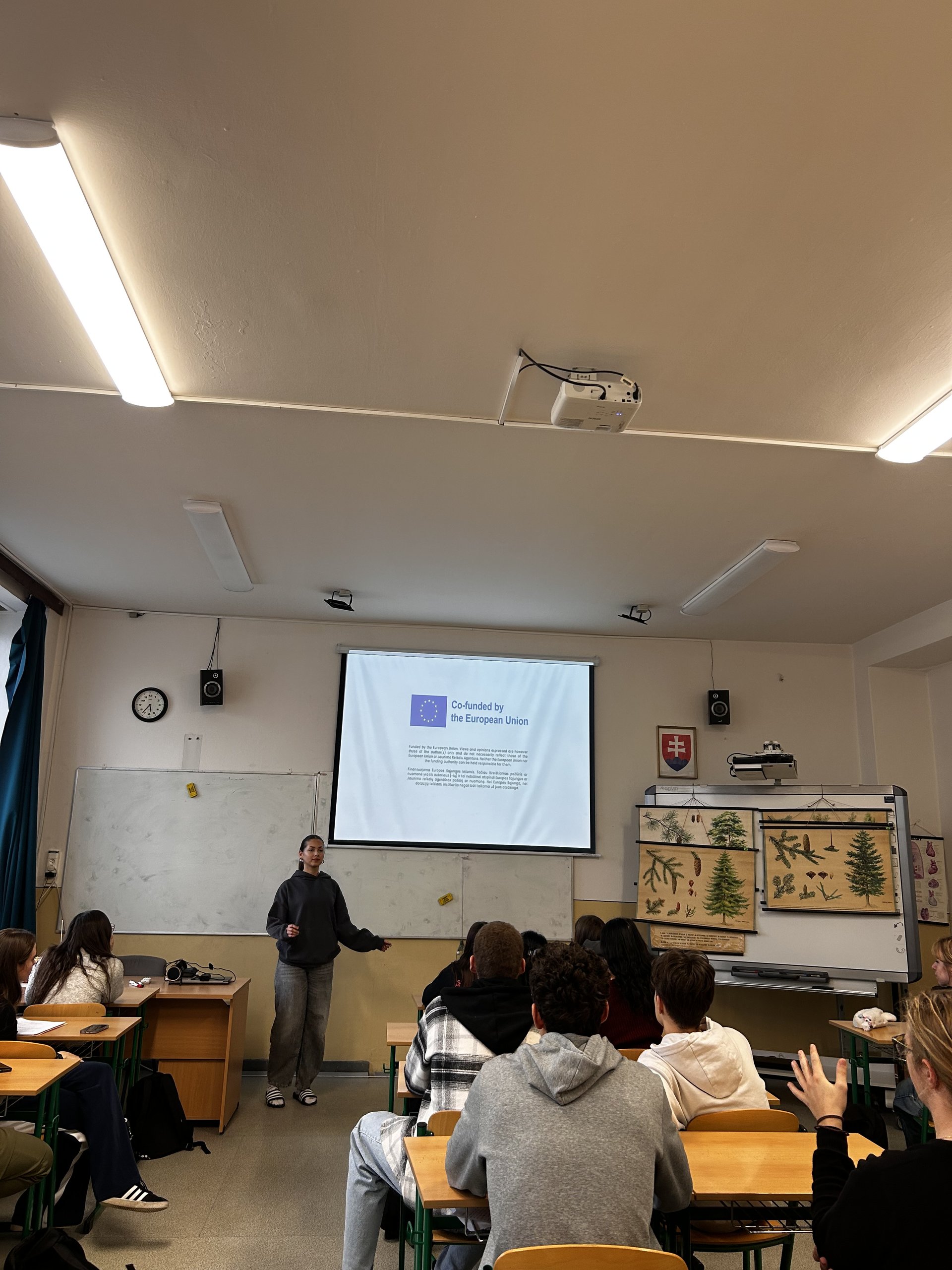
Filip presented the project to his class of 15 at Gymnázium Varšavská cesta.